K.K. Polytechnic is a private, AICTE-approved institution in Dhanbad, Jharkhand. Established in 2006, it runs diploma engineering programmes under the State Board of Technical Education, Jharkhand, and is affiliated with Jharkhand University of Technology (JUT), Ranchi.
The institute is not listed by NIRF or another major national ranking body because diploma polytechnics are not assessed through degree college ranking systems. Its location in India's coal capital makes the Mining Engineering diploma relevant to the coal, power and heavy industry sectors. Dhanbad is also the headquarters of Bharat Coking Coal Limited (BCCL).
Students can choose from six diploma engineering branches:
- Diploma in Mining Engineering, suited to Dhanbad's coal and mining industry
- Diploma in Civil Engineering
- Diploma in Mechanical Engineering
- Diploma in Electrical Engineering
- Diploma in Electronics and Communication Engineering
- Diploma in Automobile Engineering
Each three-year diploma has a total fee of INR 1.35 Lakhs, equal to INR 45,000 per year. The total fee for lateral entry courses is also INR 1.35 Lakhs. After graduation, students may seek jobs in Dhanbad's coal, steel and heavy manufacturing industries or apply for direct second-year B.Tech admission at AICTE-approved engineering colleges.
- K.K. Polytechnic Admission Dates and Entrance Requirements
- K.K. Polytechnic Courses and Fees
- K.K. Polytechnic Admission Process
- K.K. Polytechnic Placements and Career Options
- K.K. Polytechnic Campus and Infrastructure
- K.K. Polytechnic vs Government Polytechnic Dhanbad vs BOC Institute
- K.K. Polytechnic FAQs
K.K. Polytechnic Admission Dates and Entrance Requirements
Admission to every diploma branch is based on the Jharkhand Polytechnic state entrance examination. The next expected registration update for prospective students is listed below.
| Event | Date |
|---|---|
| Expected start of Jharkhand Polytechnic 2027 registration | May 2027 |
Subject to revision. Kindly check with the official sources to confirm
The same state entrance examination applies to all six regular diploma programmes. Students seeking lateral entry must meet the separate qualification requirements shown in the table.
| Programme | Entrance Exam | Lateral Entry Eligibility |
|---|---|---|
| Diploma in Mining Engineering | Jharkhand Polytechnic | ITI or 10+2 with PCM |
| Diploma in Civil Engineering | Jharkhand Polytechnic | ITI or 10+2 with PCM |
| Diploma in Mechanical Engineering | Jharkhand Polytechnic | ITI or 10+2 with PCM |
| Diploma in Electrical Engineering | Jharkhand Polytechnic | ITI or 10+2 with PCM |
| Diploma in Electronics and Communication Engineering | Jharkhand Polytechnic | ITI or 10+2 with PCM |
| Diploma in Automobile Engineering | Jharkhand Polytechnic | ITI or 10+2 with PCM |
K.K. Polytechnic Courses and Fees
The institute conducts six regular engineering diplomas, each lasting three years, along with two-year lateral entry options. All branches follow the same total fee structure.
| Course | Duration | Eligibility | Fee |
|---|---|---|---|
| Diploma in Mining Engineering | 3 years | Class 10 with PCM and qualification in Jharkhand Polytechnic | INR 1.35 Lakhs |
| Diploma in Civil Engineering | 3 years | Class 10 with PCM and qualification in Jharkhand Polytechnic | INR 1.35 Lakhs |
| Diploma in Mechanical Engineering | 3 years | Class 10 with PCM and qualification in Jharkhand Polytechnic | INR 1.35 Lakhs |
| Diploma in Electrical Engineering | 3 years | Class 10 with PCM and qualification in Jharkhand Polytechnic | INR 1.35 Lakhs |
| Diploma in Electronics and Communication Engineering | 3 years | Class 10 with PCM and qualification in Jharkhand Polytechnic | INR 1.35 Lakhs |
| Diploma in Automobile Engineering | 3 years | Class 10 with PCM and qualification in Jharkhand Polytechnic | INR 1.35 Lakhs |
| Lateral Entry in All Branches | 2 years, beginning directly in the second year | ITI certificate or 10+2 with PCM and at least 45% | INR 1.35 Lakhs |
Subject to revision. Kindly check with the official sources to confirm
Dhanbad's industrial setting gives the Mining Engineering course a direct connection with coal mines, quarries and related heavy industries in the Jharkhand and West Bengal region. Graduates may apply for supervisory and technical assistant positions. Civil and Mechanical Engineering students can explore work in infrastructure, construction and manufacturing across eastern India.
K.K. Polytechnic Admission Process
Regular diploma admission is conducted through the Jharkhand Polytechnic Entrance Competitive Examination, which the Jharkhand state government holds each year. Seat allocation for K.K. Polytechnic and other affiliated polytechnics is managed centrally through the JCECEB portal.
Regular Diploma Admission
- Pass Class 10 with Mathematics, Science and English. A PCM combination is preferred for most branches.
- Be at least 14 years old on the admission date.
- Hold a Jharkhand domicile to claim a state quota seat.
- Obtain a rank in Jharkhand Polytechnic, register online through the JCECEB portal, fill in course and college choices, receive provisional allotment, complete document verification and pay the college fee.
Students must accept and confirm the allotted seat within the stated period. Failing to do so may result in the loss of that seat.
Lateral Entry Admission
Applicants may enter directly into the second year if they have an ITI certificate in a related trade or have completed 10+2 with Physics, Chemistry and Mathematics. JCECEB conducts a separate lateral entry counselling process, so these seats are not allotted through the regular Jharkhand Polytechnic merit list.
K.K. Polytechnic Placements and Career Options
The placement support cell helps diploma students connect with employers. Mining, Mechanical and Electrical Engineering students have access to core-industry opportunities because Dhanbad is close to BCCL, IISCO, Tata Steel and other coal and steel employers.
Diploma engineers from the institute receive average salary packages between INR 2 LPA and INR 3 LPA, depending on the employer and branch. Mining graduates who become eligible for Overman or Sirdar certification have an added advantage in the Jharkhand and West Bengal coal belt. Electronics and Automobile Engineering graduates commonly seek jobs with automotive and electronics manufacturing units in the Dhanbad and Jamshedpur industrial corridors.
| Career Pathway | Details |
|---|---|
| Direct Employment in Core Industries | Technical and supervisory work in coal mines, steel plants, power utilities and construction companies across the Jharkhand and West Bengal industrial belt |
| B.Tech Lateral Entry | Diploma holders may apply directly to the second year of B.Tech at AICTE-approved engineering colleges in India |
| Government and PSU Employment | The diploma qualification makes eligible students able to apply for trade-level posts in BCCL, CCL, DVC, NTPC and Jharkhand PWD |
| Apprenticeship | Graduates may apply for training under the Apprenticeship Act at registered industrial establishments in the Dhanbad region |
K.K. Polytechnic Campus and Infrastructure
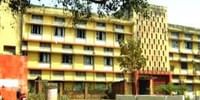
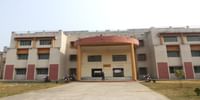
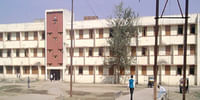
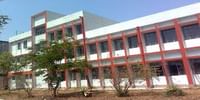
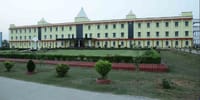
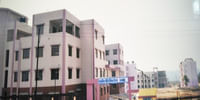
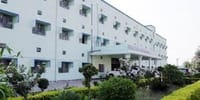
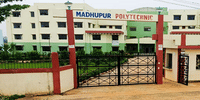
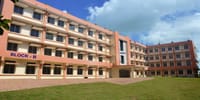
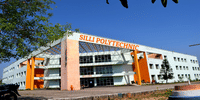
K.K. Polytechnic is located near Dhanbad's industrial and educational areas and is connected to the city. Workshops and laboratories serve all six diploma branches, while Mining Engineering students have access to dedicated mining and survey laboratories.
Separate on-campus hostels are available for male and female students, with mess service and basic amenities. The central library provides technical books, journals and reference material based on the SBTE Jharkhand diploma syllabus. The institute's location also allows students to take part in industry visits, internships and live projects within Dhanbad's core engineering industries without travelling far from campus.
K.K. Polytechnic vs Government Polytechnic Dhanbad vs BOC Institute
Students from Dhanbad and nearby parts of Jharkhand often consider these three polytechnic institutes. Their main differences concern ownership, fees, available branches, hostels and links with particular industries.
| Parameter | K.K. Polytechnic, Dhanbad | Government Polytechnic, Dhanbad | BOC Institute of Technology, Dhanbad |
|---|---|---|---|
| Type | Private and AICTE approved | Government | Private and AICTE approved |
| Established | 2006 | Established earlier and government-run | Established after 2000 |
| Affiliation | JUT and SBTE Jharkhand | SBTE Jharkhand | SBTE Jharkhand |
| Diploma Fee | INR 1.35 Lakhs for 3 years | Lower government fee rates | Comparable private institute rates |
| Branches | Mining, Civil, Mechanical, Electrical, ECE and Automobile | Selected engineering branches | Selected engineering branches |
| Admission Route | Jharkhand Polytechnic state examination | Jharkhand Polytechnic state examination | Jharkhand Polytechnic state examination |
Government polytechnics in Dhanbad charge lower fees and have stronger recruitment networks in government departments and public sector undertakings. K.K. Polytechnic offers a wider choice of branches, including Automobile Engineering, along with hostel accommodation. Its Mining Engineering diploma is a major option for students seeking careers in the Dhanbad and Bokaro coal sector. Admission to all three institutes follows the Jharkhand Polytechnic state entrance process.
K.K. Polytechnic FAQs
Ques. How can a student secure admission to K.K. Polytechnic, Dhanbad?
Ans. Students must take the Jharkhand Polytechnic Entrance Competitive Examination. They need to register through the JCECEB portal, appear for the test and participate in state counselling. College and branch allotment depends on the entrance rank and the choices submitted by the student. Registration for the 2027 cycle is expected to begin in May 2027.
Ques. How much does a diploma at K.K. Polytechnic cost?
Ans. Every three-year diploma programme has a total fee of INR 1.35 Lakhs, which equals INR 45,000 per year. This amount is the same for Mining, Civil, Mechanical, Electrical, Electronics and Communication, and Automobile Engineering.
Ques. What approvals and affiliations does K.K. Polytechnic hold?
Ans. K.K. Polytechnic, Dhanbad, is approved by AICTE and affiliated with Jharkhand University of Technology, Ranchi. Its diploma certificates are recognised by SBTE Jharkhand. Graduates may use the qualification to seek B.Tech lateral entry at AICTE-approved engineering colleges across India.
Ques. Is Mining Engineering available at K.K. Polytechnic?
Ans. Yes. Students can study the Diploma in Mining Engineering through regular or lateral entry admission. Dhanbad is India's coal capital and the headquarters of Bharat Coking Coal Limited, giving graduates access to employment opportunities in the local mining and coal industries. After gaining the required field experience, diploma holders can also take statutory mining competency examinations for Overman and Sirdar certification.
Ques. Are hostel rooms provided by K.K. Polytechnic?
Ans. Yes. The campus has separate hostel accommodation for male and female students. Mess service and basic amenities are provided, and the hostels are available to students who come from outside Dhanbad district.
Ques. Which career paths are open after completing a K.K. Polytechnic diploma?
Ans. Graduates may work in coal mines, steel plants, power utilities and construction companies across the Jharkhand and West Bengal industrial region. Another option is B.Tech lateral entry, which allows eligible diploma holders to join the second year at an AICTE-approved engineering college. Eligible students may also apply for PSU and government opportunities with BCCL, CCL, DVC, NTPC and Jharkhand PWD. Mining graduates can pursue further opportunities by taking statutory competency examinations.