
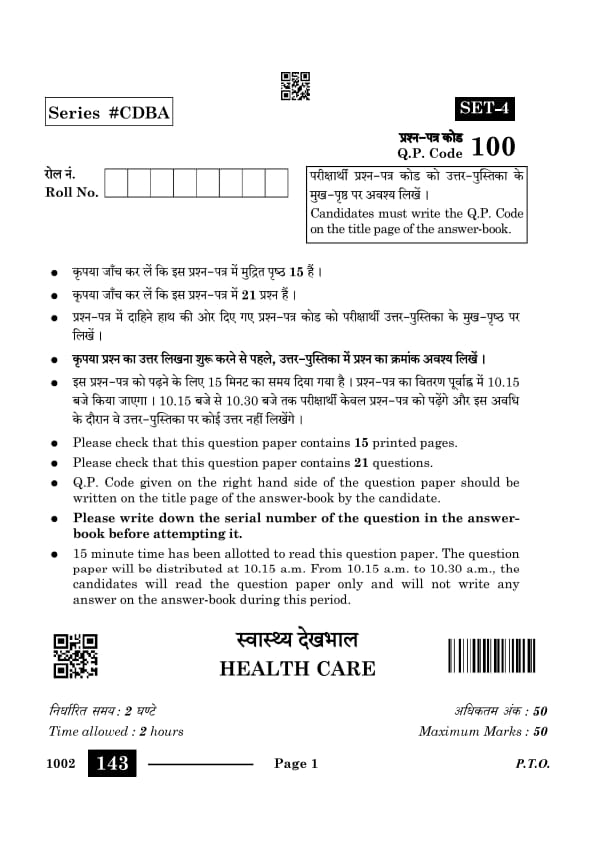
CBSE Class 10 Healthcare 2024 Question Paper with Solution PDF (Available)


Content Curator | Updated On - Jan 5, 2025
CBSE Class 10 Question Papers are the most important study material for effective exam preparation. We at Zollege have provided all CBSE Class 10 Previous Year Papers with Solution PDFs here.
Students can freely download the CBSE Class 10 previous year's question paper PDFs along with their solutions here. We strongly encourage CBSE 10 aspirants to scan through all the CBSE Class 10 Question Paper to know the overall difficulty level, CBSE Class 10 Syllabus and understand the changes in CBSE Class 10 Exam Pattern over the years.
CBSE Class 10 Healthcare 2024 Question Paper with Solution PDF
| CBSE Class 10 Healthcare 2024 Question Paper with Solution PDF |  Download Download |
Check Solution |
Section - A
Objective Type Questions
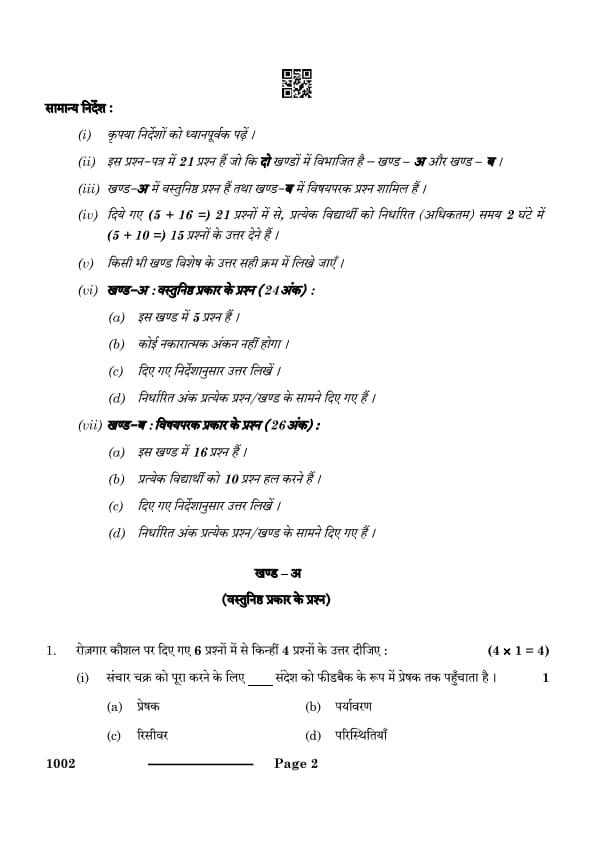
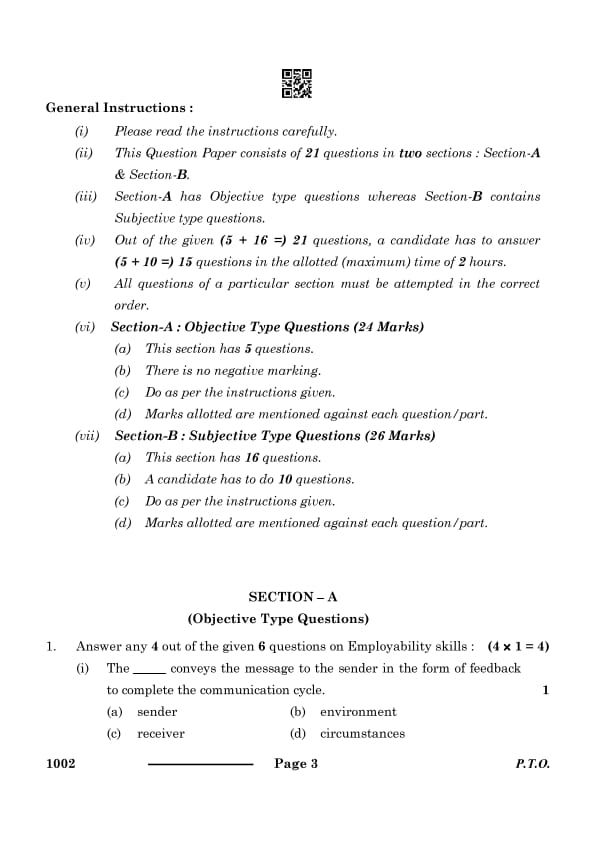
Question 1. Answer any 4 out of the given 6 questions on Employability skills. (4 × 1 = 4)
(i): The ___ conveys the message to the sender in the form of feedback to complete the communication cycle.
Read More
The receiver conveys the message back to the sender in the form of feedback to complete the communication cycle. The communication process includes the following steps:
- Sender: Initiates the message.
- Message: The information or content being communicated.
- Medium: The channel through which the message is sent.
- Receiver: The individual who interprets the message.
- Feedback: The response or reaction provided by the receiver to confirm understanding.
Feedback is essential because it closes the communication loop and ensures the message has been successfully understood.
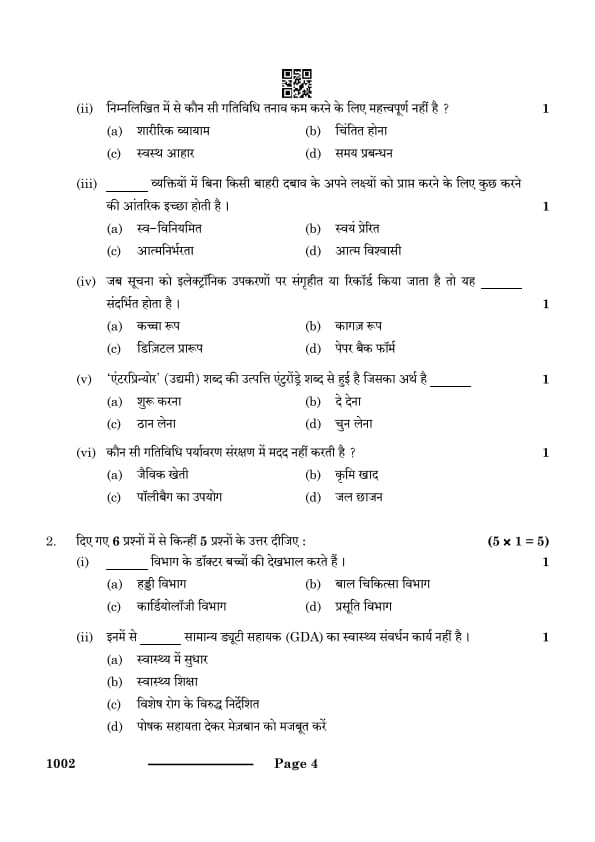
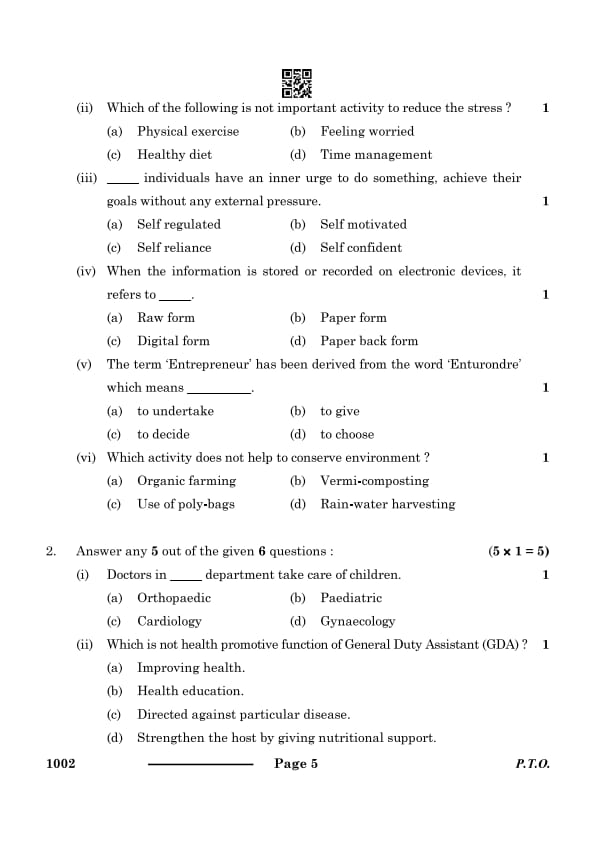
(ii): Which of the following is not an important activity to reduce stress?
Read More
Among the given options, feeling worried is not an activity that reduces stress. In contrast:
- Physical exercise: Improves mood and reduces stress by releasing endorphins.
- Healthy diet: Supports overall well-being and reduces stress levels.
- Time management: Helps in organizing tasks, avoiding last-minute pressure, and reducing stress.
Feeling worried increases stress levels and hinders productivity.
(iii): ___ individuals have an inner urge to do something, achieve their goals without any external pressure.
Read More
Self-motivated individuals are driven by an internal desire to achieve their goals without any external influence. They:
- Take initiative to start and complete tasks.
- Stay focused on their objectives despite challenges.
- Require no external rewards or pressure to stay committed.
Self-motivation is essential for personal and professional success, as it fosters consistency and determination.
(iv): When the information is stored or recorded on electronic devices, it refers to ___.
Read More
Information stored or recorded on electronic devices is referred to as digital form. It includes:
- Digital files: Documents, images, videos, or audio saved on computers, smartphones, or cloud systems.
- Electronic databases: Structured digital storage for large amounts of information.
Digital information is easier to store, retrieve, and share compared to physical or paper-based formats.
(v): The term ‘Entrepreneur’ has been derived from the word ‘Enturondre,’ which means ___.
Read More
The word ‘Entrepreneur’ originates from the French word ‘Enturondre,’ which means “to undertake”. An entrepreneur is an individual who:
- Takes the initiative to start a business or project.
- Assumes risks and responsibilities for the enterprise.
- Brings innovative ideas and solutions to the market.
Entrepreneurs play a vital role in driving economic development by creating jobs and fostering innovation.
(vi): Which activity does not help to conserve the environment?
Read More
The use of poly-bags does not help conserve the environment because:
- Poly-bags are non-biodegradable, meaning they do not decompose easily and remain in the environment for hundreds of years.
- Improper disposal of poly-bags leads to soil and water pollution.
- Poly-bags are harmful to wildlife as animals may accidentally ingest them.
In contrast:
- Organic farming: Promotes sustainable agriculture without using harmful chemicals.
- Vermi-composting: Converts organic waste into nutrient-rich compost, reducing landfill waste.
- Rain-water harvesting: Helps conserve water by collecting and storing rainwater for future use.
Question 2. Answer any 5 out of the given 6 questions. (5 × 1 = 5)
(i): Doctors in ___ department take care of children.
Read More
Doctors in the Paediatric department specialize in the medical care of infants, children, and adolescents. Paediatrics focuses on:
- Diagnosing and treating diseases in children.
- Ensuring healthy growth and development.
- Providing immunization, preventive care, and nutrition guidance.
Other Departments:
- Orthopaedic: Treats bone and joint disorders.
- Cardiology: Deals with heart-related issues.
- Gynaecology: Focuses on the female reproductive system.
(ii): Which is not a health promotive function of General Duty Assistant (GDA)?
Read More
The General Duty Assistant (GDA) primarily performs health promotive functions such as:
- Improving health: Encouraging healthy habits and lifestyle changes.
- Health education: Educating patients about hygiene, nutrition, and preventive care.
- Strengthening the host: Supporting recovery through proper nutrition and care.
However, “directed against particular disease” involves curative functions like diagnosing and treating diseases, which is beyond the scope of a GDA's promotive role.
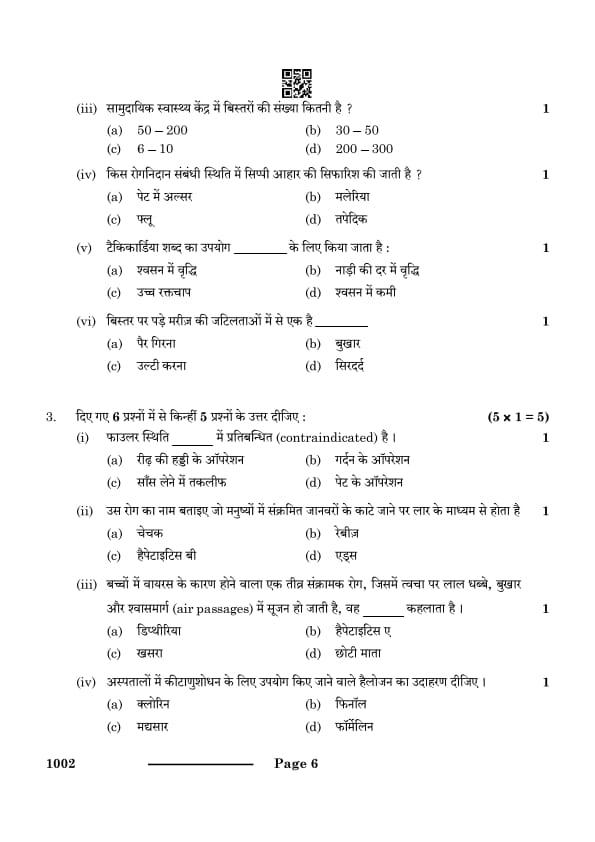
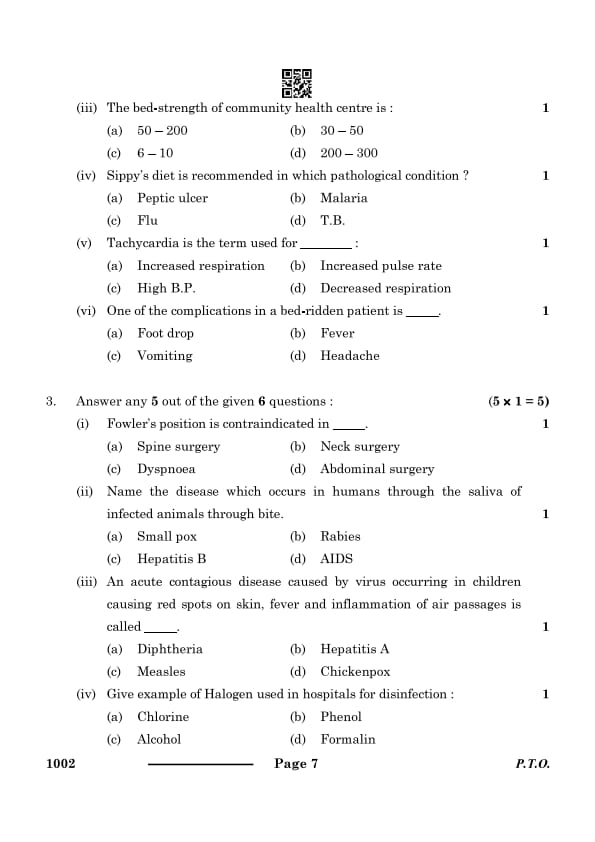
(iii): The bed-strength of community health centre is:
Read More
The bed-strength of a community health centre (CHC) typically ranges between 50 to 200 beds. Community health centres serve as referral units for primary health centres (PHCs) and provide secondary-level healthcare services.
- They are equipped with basic diagnostic, surgical, and obstetric care facilities.
- They cater to a population of approximately 80,000 to 1,20,000 people.
- CHCs serve as a bridge between primary and tertiary healthcare services.
(iv): Sippy’s diet is recommended in which pathological condition?
Read More
Sippy’s diet is a dietary regimen used for managing peptic ulcers. It involves:
- Frequent small meals containing bland, non-irritating foods.
- Inclusion of milk, cream, eggs, and soft foods to neutralize stomach acid.
- Avoiding spicy, acidic, and fried foods that aggravate the ulcer.
This diet provides relief by minimizing acid secretion and reducing irritation to the stomach lining.
(v): Tachycardia is the term used for ___.
Read More
Tachycardia refers to an abnormally increased pulse rate, typically over 100 beats per minute in adults. It is caused by:
- Physical exertion or stress.
- Fever, dehydration, or electrolyte imbalances.
- Heart conditions like arrhythmia or coronary artery disease.
Significance: Monitoring pulse rate is essential in identifying tachycardia and its underlying causes.
(vi): One of the complications in a bed-ridden patient is ___.
Read More
Foot drop is a complication that occurs in bed-ridden patients due to:
- Prolonged immobility leading to muscle weakness or nerve damage.
- Lack of movement causing the foot to drag while walking.
Prevention:
- Regular physiotherapy and exercises.
- Using foot splints to maintain proper foot positioning.
Question 3. Answer any 5 out of the given 6 questions. (5 × 1 = 5)
(i): Fowler’s position is contraindicated in ___.
Read More
Fowler's position involves sitting at a 45-60 degree angle, commonly used to improve breathing and comfort in patients. However, it is contraindicated in abdominal surgery because:
- It increases intra-abdominal pressure, leading to discomfort.
- It can affect the healing of abdominal incisions.
- Flat positioning is generally preferred post-abdominal surgery for proper recovery.
(ii): Name the disease which occurs in humans through the saliva of infected animals through bite.
Read More
Rabies is a viral disease that spreads through the saliva of infected animals (e.g., dogs, bats) through bites or scratches. Key points include:
- Caused by the Rabies virus (Lyssavirus).
- Affects the central nervous system, leading to encephalitis (brain inflammation).
- Fatal if untreated; immediate post-exposure prophylaxis (PEP) is required.
(iii): An acute contagious disease caused by virus occurring in children causing red spots on skin, fever and inflammation of air passages is called ___.
Read More
Measles is a highly contagious viral disease caused by the Measles virus (paramyxovirus). It primarily affects children and causes:
- Red spots on skin: A characteristic rash appears after initial symptoms.
- Fever and cough: Accompanied by inflammation of air passages.
- Koplik’s spots: Small white spots inside the mouth, a diagnostic sign of measles.
Vaccination (MMR vaccine) is the best preventive measure.
(iv): Give an example of Halogen used in hospitals for disinfection:
Read More
Chlorine is a halogen commonly used in hospitals for disinfection. Key uses include:
- Chlorine compounds, like sodium hypochlorite (bleach), are used to disinfect surfaces and equipment.
- It effectively kills bacteria, viruses, and fungi.
- Chlorine is also used for water purification in hospitals to prevent the spread of waterborne diseases.
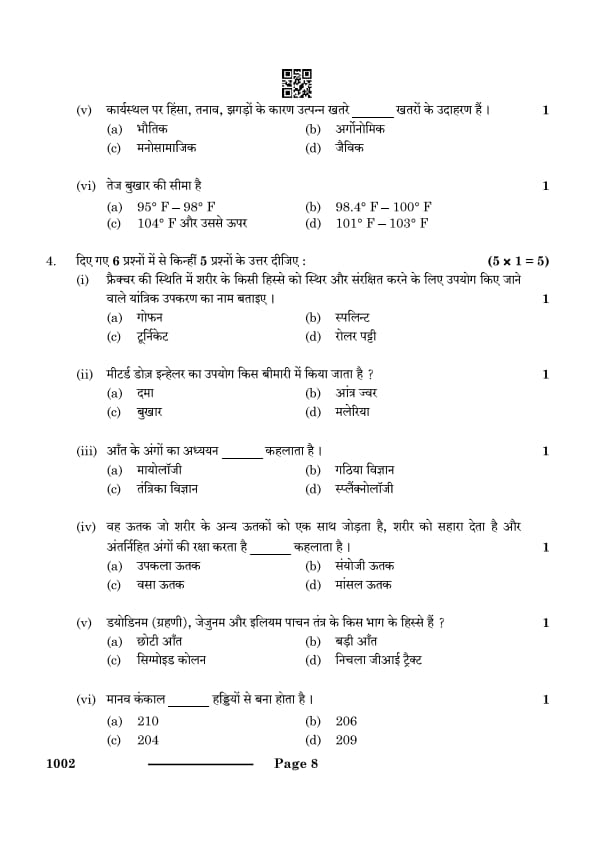
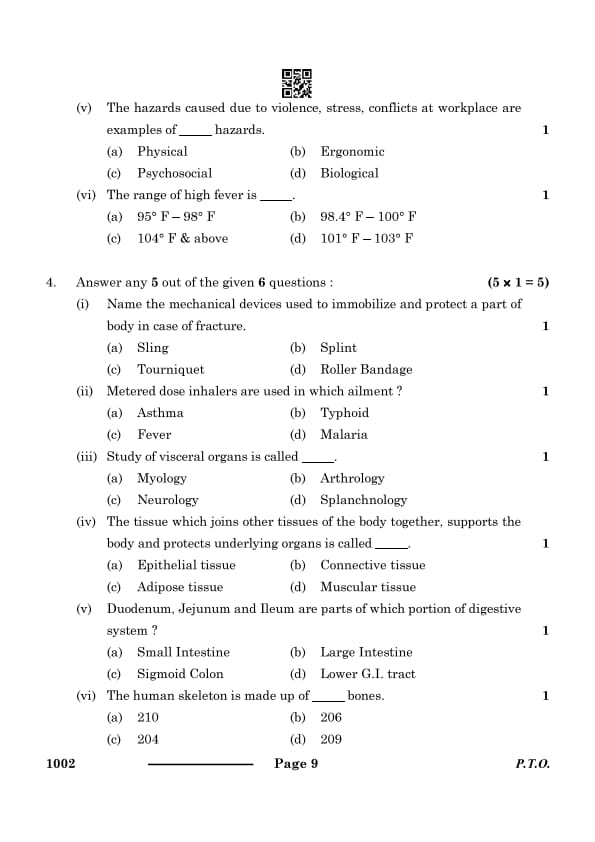
(v): The hazards caused due to violence, stress, conflicts at workplace are examples of ___ hazards.
Read More
Psychosocial hazards refer to workplace factors that cause stress, violence, and conflicts, leading to mental and emotional strain. These hazards include:
- Workplace bullying, harassment, or discrimination.
- Heavy workload and unrealistic expectations.
- Lack of support from colleagues or supervisors.
- Poor work-life balance and prolonged working hours.
Psychosocial hazards affect mental health, reduce productivity, and can lead to conditions like anxiety, depression, and burnout.
(vi): The range of high fever is ___.
Read More
High fever is typically defined as a body temperature ranging between 101° F to 103° F. Important classifications of fever include:
- Normal body temperature: 98.4° F (37° C).
- Low-grade fever: 99° F to 100.9° F.
- High fever: 101° F to 103° F.
- Hyperpyrexia: 104° F and above, indicating a medical emergency.
High fever is often caused by infections, inflammation, or other illnesses. It is important to monitor fever and seek medical advice if it persists or worsens.
Question 4. Answer any 5 out of the given 6 questions. (5 × 1 = 5)
(i): Name the mechanical devices used to immobilize and protect a part of the body in case of fracture.
Read More
A splint is a mechanical device used to immobilize and protect a part of the body, especially in case of fractures or injuries. It helps to:
- Prevent further injury or movement.
- Provide support to the fractured or injured area.
- Reduce pain by restricting unnecessary motion.
Other options:
- Sling: Supports the arm or shoulder after an injury.
- Tourniquet: Controls severe bleeding.
- Roller Bandage: Provides compression and support to wounds.
(ii): Metered dose inhalers are used in which ailment?
Read More
Metered dose inhalers (MDIs) are medical devices primarily used to treat asthma. They deliver a specific amount of medication in aerosol form to the lungs, helping to:
- Open airways and reduce inflammation.
- Provide quick relief from asthma symptoms such as wheezing and breathlessness.
MDIs are also used for other respiratory conditions like chronic obstructive pulmonary disease (COPD).
(iii): Study of visceral organs is called ___.
Read More
Splanchnology is the branch of anatomy that focuses on the study of visceral organs, which include:
- Digestive organs (stomach, intestines, liver).
- Respiratory organs (lungs).
- Urogenital organs (kidneys, bladder).
Other options:
- Myology: Study of muscles.
- Arthrology: Study of joints.
- Neurology: Study of the nervous system.
(iv): The tissue which joins other tissues of the body together, supports the body, and protects underlying organs is called ___.
Read More
Connective tissue joins other tissues, supports the body, and protects underlying organs. Key features include:
- Provides structural support (e.g., bones, cartilage).
- Stores energy (adipose tissue).
- Transports substances (blood).
Other options:
- Epithelial tissue: Forms linings and covers body surfaces.
- Adipose tissue: A type of connective tissue that stores fat.
- Muscular tissue: Responsible for movement.
(v): Duodenum, Jejunum, and Ileum are parts of which portion of the digestive system?
Read More
The small intestine consists of three parts:
- Duodenum: The first section that receives partially digested food (chyme) from the stomach.
- Jejunum: The middle section where most nutrient absorption occurs.
- Ileum: The last section that absorbs vitamin B12, bile salts, and remaining nutrients before passing contents to the large intestine.
The small intestine plays a critical role in digestion and absorption of nutrients.
(vi): The human skeleton is made up of ___ bones.
Read More
The human skeleton is made up of 206 bones in adults. It is categorized into two main parts:
- Axial Skeleton (80 bones): Includes the skull, vertebral column, and rib cage.
- Appendicular Skeleton (126 bones): Includes the limbs, shoulder girdle, and pelvic girdle.
Fun Fact: At birth, the human body has approximately 270 bones, but some fuse together as the body matures.
Question 5. Answer any 5 out of the given 6 questions. (5 × 1 = 5)
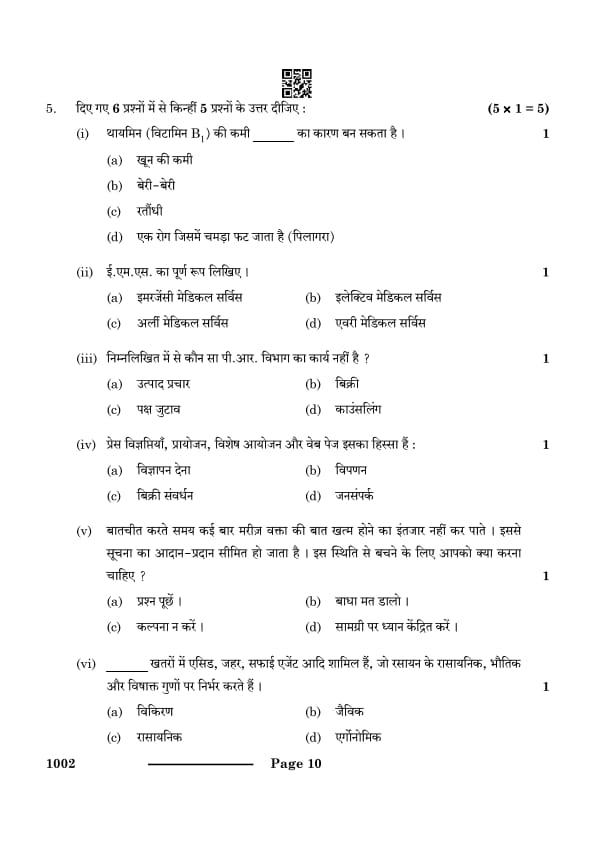
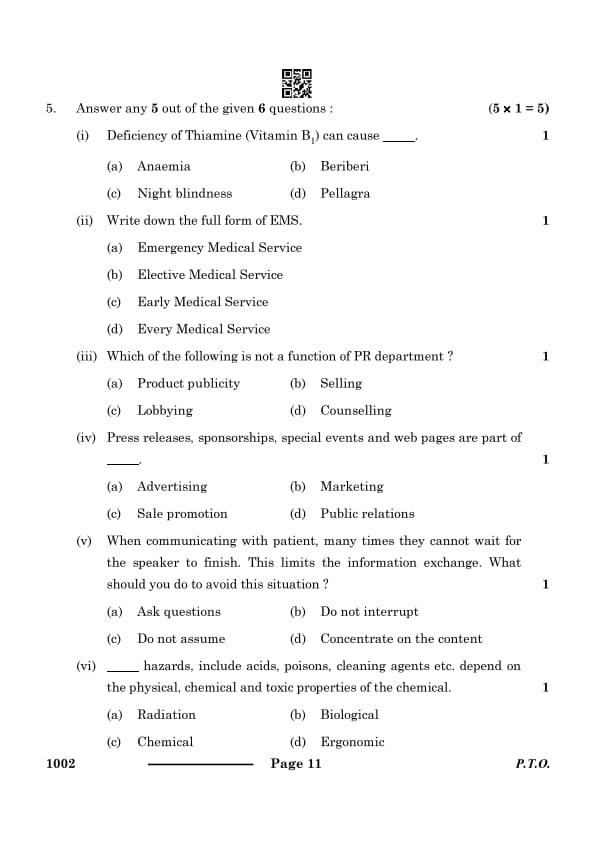
(i): Deficiency of Thiamine (Vitamin B1) can cause ___.
Read More
Thiamine (Vitamin B1) deficiency causes Beriberi, a disease that affects the nervous system and cardiovascular system. It is classified into two types:
- Dry Beriberi: Affects the nervous system, leading to muscle weakness, nerve damage, and paralysis.
- Wet Beriberi: Affects the cardiovascular system, leading to heart failure and edema.
Other options:
- Anaemia: Caused by iron or folic acid deficiency.
- Night blindness: Caused by Vitamin A deficiency.
- Pellagra: Caused by Niacin (Vitamin B3) deficiency.
(ii): Write down the full form of EMS.
Read More
Emergency Medical Service (EMS) refers to a system that provides immediate medical care and transportation for individuals experiencing life-threatening emergencies. Key components include:
- Ambulance services for quick transportation.
- Paramedics and emergency medical technicians (EMTs) for on-site care.
- Emergency response systems (e.g., 911 or 112) for urgent assistance.
(iii): Which of the following is not a function of PR department?
Read More
The Public Relations (PR) department focuses on maintaining a positive public image and managing communications. Its functions include:
- Product publicity: Promoting awareness of products and services.
- Lobbying: Influencing public policy and decision-making.
- Counselling: Advising organizations on public image strategies.
Selling is not a PR function; it falls under the sales and marketing domain.
(iv): Press releases, sponsorships, special events, and web pages are part of ___.
Read More
Public relations (PR) involves managing an organization's communication with the public to build a positive image. Key PR activities include:
- Issuing press releases to share news and updates.
- Organizing sponsorships and special events to engage with stakeholders.
- Managing web pages and media coverage to promote the organization.
PR is a broader communication strategy compared to advertising or sales promotion.
(v): When communicating with a patient, many times they cannot wait for the speaker to finish. This limits the information exchange. What should you do to avoid this situation?
Read More
To ensure effective communication, it is essential to not interrupt the speaker. This allows:
- Complete understanding of the patient's concerns or information.
- Building trust and rapport with the patient.
- Avoiding misunderstandings caused by incomplete information exchange.
Interrupting can disrupt the flow of communication and cause the patient to feel unheard or frustrated. Therefore, listening attentively and allowing the speaker to finish is crucial.
Other tips for effective communication:
- Ask clarifying questions if needed.
- Focus on the content without making assumptions.
(vi): ___ hazards, include acids, poisons, cleaning agents, etc., depend on the physical, chemical, and toxic properties of the chemical.
Read More
Chemical hazards involve exposure to harmful chemicals such as acids, poisons, cleaning agents, and toxic substances. These hazards can cause:
- Health effects: Skin burns, respiratory issues, or poisoning.
- Environmental effects: Pollution of air, water, or soil.
- Safety risks: Fire or explosion when chemicals are mishandled.
Other types of hazards:
- Radiation hazards: Caused by exposure to ionizing or non-ionizing radiation.
- Biological hazards: Caused by viruses, bacteria, and fungi.
- Ergonomic hazards: Related to poor workplace design leading to strain or injury.
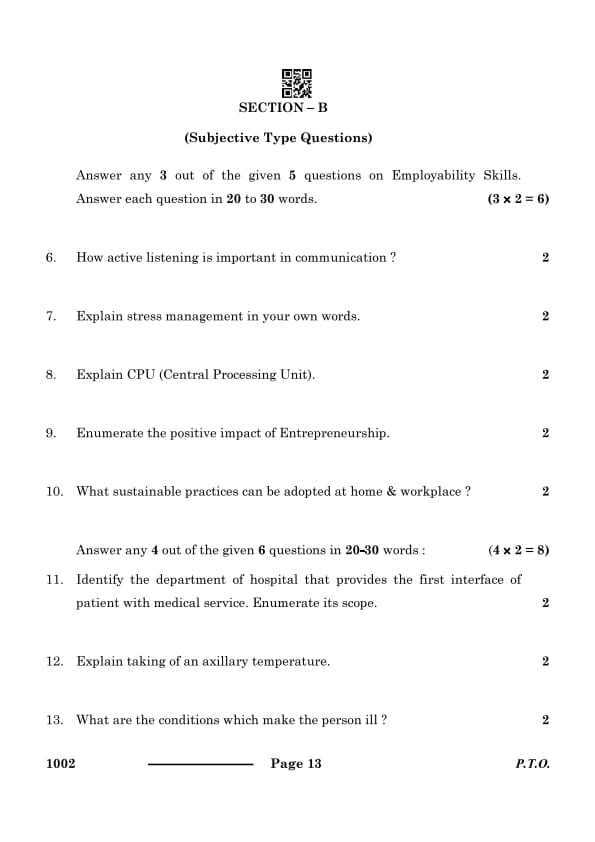
Section - B
Subjective Type Questions
Answer any 3 out of the given 5 questions on Employability skills. Answer each question in 20-30 words. (3 × 2 = 6)
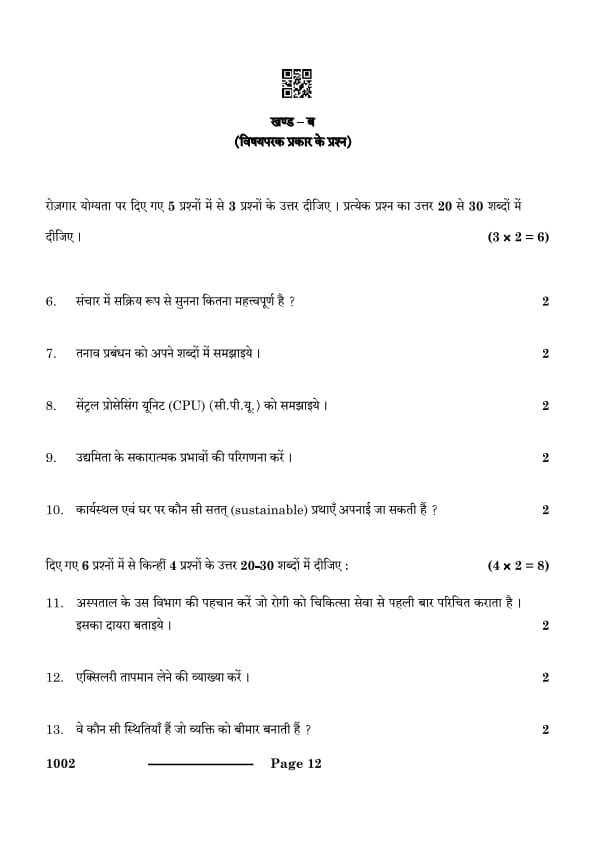
Question 6: How is active listening important in communication?
Read More
Active listening is crucial as it involves fully concentrating, understanding, responding, and remembering what is being said. It helps in accurately interpreting messages, building strong relationships by making speakers feel heard and respected, and preventing misunderstandings by clarifying any doubts, thereby enhancing effective communication and problem-solving.Question 7: Explain stress management in your own words.
Read More
Stress management refers to the methods and techniques used to handle stress effectively. It involves time management to reduce workload stress, relaxation techniques like yoga to calm the mind, maintaining a healthy lifestyle with regular exercise and a balanced diet, and fostering a positive attitude to face challenges effectively, all contributing to better emotional and physical health.Question 8: Explain CPU (Central Processing Unit).
Read More
The Central Processing Unit (CPU), known as the brain of the computer, handles all instructions it receives from hardware and software running on the computer. It comprises the Arithmetic Logic Unit (ALU), which performs mathematical, logical, and decision operations, and the Control Unit (CU), which directs all the processor’s operations. It's essential for processing data and executing commands, making it crucial for the computer’s overall functionality.Question 9: Enumerate the positive impact of Entrepreneurship.
Read More
Entrepreneurship significantly impacts the economy and society by creating new jobs, fostering innovation through the development of new ideas, products, and services, and stimulating economic growth by increasing productivity and generating new revenue. It plays a crucial role in elevating the standard of living and boosting the economic development of a country, driving progress in various sectors.Answer any 5 out of the given 6 questions on Employability skills. Answer each question in 20-30 words. (5 × 1 = 5)
Question 10: What sustainable practices can be adopted at home & workplace?
Read More
Sustainable practices aim to conserve resources and reduce environmental impact. Examples include:At Home:
- Reducing energy consumption by using LED lights and energy-efficient appliances.
- Recycling household waste like plastic, glass, and paper.
- Conserving water by fixing leaks and using low-flow fixtures.
At Workplace:
- Implementing paperless offices by using digital documents.
- Encouraging carpooling or using public transportation.
- Installing renewable energy sources like solar panels.
Sustainability benefits the environment, reduces costs, and promotes a greener future.
Question 11: Identify the department of hospital that provides the first interface of patient with medical service. Enumerate its scope.
Read More
The department of a hospital that provides the first interface of patient with medical service is the Outpatient Department (OPD).Scope of OPD includes:
- Initial Assessment: OPD serves as the first point of contact where patients are assessed and diagnosed.
- Referrals: Patients are referred to specialized departments for advanced care.
- Preventive Care: OPD offers vaccinations, regular check-ups, and health education.
- Treatment of Minor Ailments: Common ailments are treated without hospitalization.
- Follow-up Services: Patients revisit for progress evaluation and continuation of treatment.
The OPD plays a critical role in providing accessible, affordable, and efficient healthcare services.
Question 12: Explain taking of an axillary temperature.
Read More
Axillary temperature is the measurement of body temperature taken under the armpit. It is less invasive and widely used for infants and young children.Steps to take axillary temperature:
- Ensure the armpit is dry to get an accurate reading.
- Place the thermometer under the patient’s armpit, ensuring full contact with the skin.
- Ask the patient to close their arm firmly over the thermometer.
- Wait for the thermometer to beep (digital) or for 3-5 minutes (mercury thermometer).
- Remove the thermometer and read the temperature.
The normal axillary temperature ranges between 97.7°F to 99.5°F (36.5°C to 37.5°C).
Question 13: What are the conditions which make the person ill?
Read More
Several conditions contribute to making a person ill, including:- Poor Nutrition: Lack of essential nutrients weakens the immune system.
- Infections: Bacterial, viral, or fungal infections can cause diseases.
- Unhygienic Living Conditions: Dirty environments increase the risk of diseases.
- Stress and Mental Health Issues: Chronic stress can lead to physical and psychological illnesses.
- Genetic Factors: Hereditary diseases like diabetes, heart disease, and cancers.
- Lifestyle Habits: Smoking, alcohol consumption, and lack of exercise contribute to illnesses.
- Environmental Pollution: Exposure to air, water, and soil pollution causes respiratory and other health issues.
Addressing these conditions through proper healthcare, hygiene, and lifestyle modifications can help prevent illnesses.
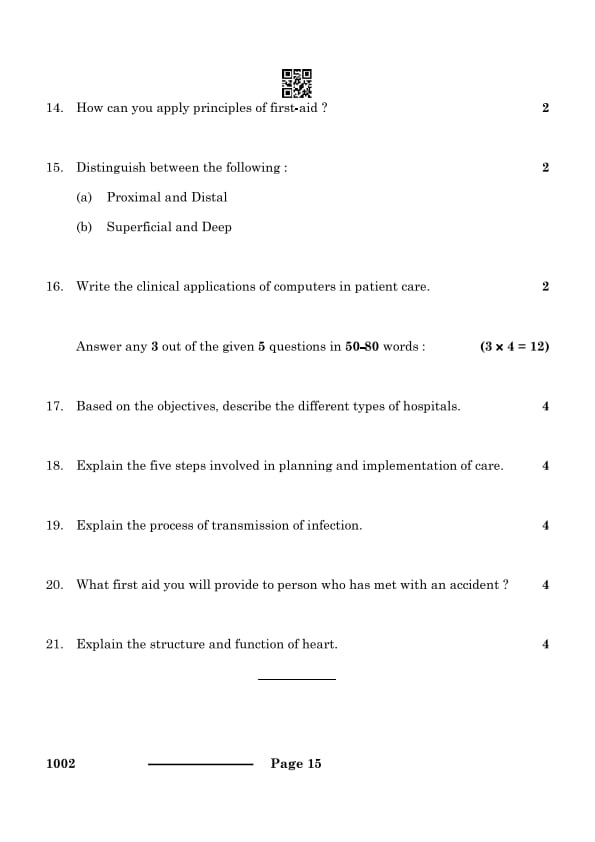
Answer any 4 out of the given 6 questions in 20-30 words each. (4 × 2 = 8)
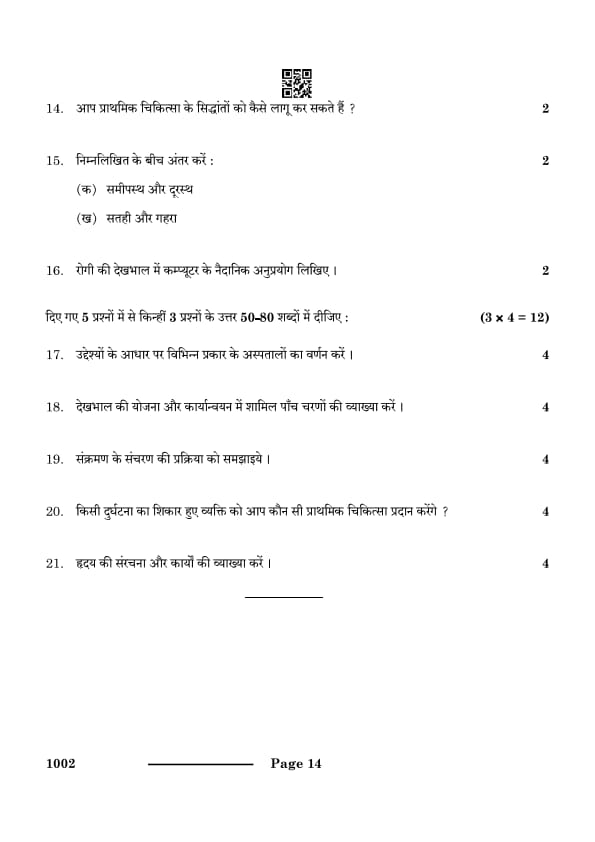
Question 14: How can you apply principles of first-aid?
Read More
The principles of first-aid are crucial for providing immediate care to an injured or ill person until professional medical help arrives. Key principles include:- Preserve Life: Ensure the person’s safety and provide care to keep them alive.
- Prevent Further Injury: Remove the person from harm's way without causing additional injuries.
- Promote Recovery: Provide comfort, reassure the person, and administer appropriate first-aid measures.
- Call for Help: Immediately contact emergency services for professional assistance.
- Assess the Situation: Check for dangers, assess the level of consciousness, and identify injuries.
Following these principles ensures quick and efficient care during emergencies, which can save lives and reduce recovery time.
Question 15(a): Distinguish between Proximal and Distal.
Read More
The terms proximal and distal are used to describe anatomical positions in relation to the body.- Proximal: Refers to a structure closer to the point of origin or attachment. Example: The elbow is proximal to the wrist.
- Distal: Refers to a structure farther from the point of origin or attachment. Example: The fingers are distal to the wrist.
These terms are often used to describe the position of limbs or structures relative to the body’s core.
Question 15(b): Distinguish between Superficial and Deep.
Read More
The terms superficial and deep describe the relative position of structures in the body.- Superficial: Refers to structures closer to the surface of the body. Example: The skin is superficial to the muscles.
- Deep: Refers to structures farther from the surface of the body. Example: The bones are deep to the muscles.
These terms help describe the location of injuries or body parts during medical examination.
Question 16: Write the clinical applications of computers in patient care.
Read More
Computers play a significant role in improving efficiency and accuracy in patient care. Key clinical applications include:- Electronic Health Records (EHR): Storing patient records, medical histories, and treatment plans digitally.
- Medical Imaging: Enhancing diagnostic imaging techniques such as MRI, CT scans, and X-rays.
- Telemedicine: Providing remote consultations and monitoring patients via video conferencing.
- Patient Monitoring: Using computers to track vital signs and medical parameters in real-time.
- Medication Management: Managing prescriptions, drug interactions, and medication schedules.
- Surgical Assistance: Assisting doctors with robotic surgeries and precision techniques.
Computers ensure accurate diagnosis, improved treatment outcomes, and better patient management.
Subjective Type Questions
Question 17: Based on the objectives, describe the different types of hospitals.
Read More
Hospitals are classified based on their objectives and the services they provide. The different types include:- General Hospitals: Provide a wide range of services including emergency care, surgery, and general medicine.
- Specialty Hospitals: Focus on specific medical fields such as cardiology, oncology, or orthopedics.
- Teaching Hospitals: Associated with medical schools for training students and conducting research.
- Rehabilitation Hospitals: Provide care for patients recovering from surgeries, injuries, or chronic illnesses.
- Government Hospitals: Run by the government, offering affordable or free medical care.
- Private Hospitals: Owned by private organizations, offering specialized and premium healthcare services.
Each type of hospital serves specific purposes and caters to diverse healthcare needs.
Question 18: Explain the five steps involved in planning and implementation of care.
Read More
The five steps in planning and implementing care are:- Assessment: Collect data about the patient’s physical, emotional, and social condition.
- Diagnosis: Identify the patient’s health problems based on the assessment.
- Planning: Set measurable goals for recovery and create a care plan.
- Implementation: Carry out the planned care, including treatments, medications, and interventions.
- Evaluation: Monitor the outcomes to determine if the goals are met or if changes are needed.
These steps ensure systematic and effective patient care.
Question 19: Explain the process of transmission of infection.
Read More
The transmission of infection occurs through the following steps:- Infectious Agent: The pathogen (bacteria, virus, fungus) that causes disease.
- Reservoir: The source where the pathogen lives, such as humans, animals, or the environment.
- Mode of Transmission: The way the pathogen spreads, including:
* Direct Contact: Person-to-person transfer of pathogens.
* Indirect Contact: Through contaminated objects or surfaces.
* Airborne Transmission: Inhalation of infected droplets in the air.
- Portal of Entry: The pathway for pathogens to enter the body, such as the respiratory system, broken skin, or mucous membranes.
- Susceptible Host: Individuals with weak immune systems or underlying conditions.
Preventive measures like hand hygiene, vaccination, and infection control can break the chain of transmission.
Question 20: What first aid would you provide to a person who has met with an accident?
Read More
The first aid for an accident victim involves the following steps:- Ensure Safety: Make sure the area is safe for you and the victim.
- Check Responsiveness: Determine if the person is conscious and breathing.
- Control Bleeding: Apply pressure on bleeding wounds using a clean cloth.
- Immobilize Injuries: Avoid moving the person if spinal or limb injuries are suspected.
- Provide CPR: If the person is unresponsive and not breathing, perform chest compressions and rescue breaths.
- Seek Help: Call for emergency medical services immediately.
Providing timely first aid can save lives and reduce the severity of injuries.
Question 21: Explain the structure and function of the heart.
Read More
The heart is a muscular organ responsible for pumping blood throughout the body. It has the following structure and functions:- Structure:
* Four Chambers: Right Atrium and Right Ventricle: Receive deoxygenated blood and pump it to the lungs. Left Atrium and Left Ventricle: Receive oxygenated blood and pump it to the entire body.
* Valves: Prevent backflow of blood and ensure unidirectional flow.
* Blood Vessels: Include arteries, veins, and capillaries that carry blood to and from the heart.
- Function:
* Pumping Blood: Supplies oxygenated blood to organs and tissues.
* Removal of Waste: Carries deoxygenated blood and waste products back to the lungs for exhalation.
* Regulating Blood Pressure: Maintains circulation and pressure in the body.
The heart plays a vital role in maintaining life by ensuring proper circulation of blood and oxygen.

*The article might have information for the previous academic years, please refer the official website of the exam.