
GPAT 2024 Question Paper Pdf - Check Solutions with Answer Key Pdf


Content Writer | Updated On - Feb 4, 2025
GPAT 2024 Question Paper with Solution PDF is available for download. NBE conducted the exam successfully on June 8, 2024, from 9:00 AM to 12:00 PM in computer-based mode. As per the students’ initial reaction, GPAT 2024 Question Paper was reported as moderate. The Section A in GPAT 2024 Question Paper was reported as moderate, Section B as moderate, Section C as easy, Section D as easy and Section E as moderate.
GPAT 2024 Question Paper with Answer Key PDF
Candidates can download the official GPAT 2024 Question paper with Answer Key PDFs using the link below.
| GPAT 2024 Question Paper with Answer Key |  Download Download |
Check Solution |
GPAT 2024 Question Paper with Solutions
Section-A
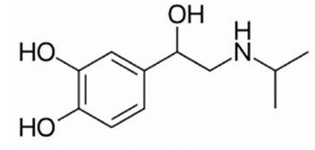
The below structure represents the drug:
View Solution
Step 1: Recognizing Structural Features The structure corresponds to Isoprenaline (Isoproterenol), identifiable by: A benzene ring bonded to two hydroxyl (-OH) groups at positions 1 and 2, forming a catechol structure. A side chain with a primary amine (-NH group), typical of sympathomimetic drugs. Step 2: Comparing with Similar Compounds - Isoprenaline vs. Norepinephrine:
Norepinephrine has an extra hydroxy group on its side chain, which Isoprenaline lacks.
Furthermore, Isoprenaline features an additional methyl group (\( \text{CH}_3 \)) attached to the amine group, distinguishing it from norepinephrine. - Isoprenaline vs. Amphetamine:
Amphetamine lacks the catechol hydroxyl groups and contains only a benzene ring with an amine group. - Isoprenaline vs. Salbutamol:
Salbutamol contains a tert-butyl group on the amine, unlike Isoprenaline's methyl group, and is used mainly for asthma treatment. Step 3: Verifying the Identity The presence of catechol hydroxyl groups and the methyl-substituted amine identifies the structure as Isoprenaline. Quick Tip: - Catecholamines, including Isoprenaline, Norepinephrine, and Dopamine, feature hydroxyl (-OH) groups on a benzene ring.
- The methyl (\( - \text{CH}_3 \)) group on Isoprenaline's amine sets it apart from Norepinephrine.
Chikusetsu saponin is present in:
View Solution
Chikusetsu saponin is an active component found mainly in Ginseng. It contributes to Ginseng's medicinal properties, such as its adaptogenic and anti-fatigue effects.
Unlike senega, which contains senegasaponins, quillia with quillaic acid saponins, and liquorice with glycyrrhizin, none of these plants contains Chikusetsu saponin. Therefore, the correct answer is (C) Ginseng. Quick Tip: Saponins like Chikusetsu are bioactive compounds found in roots of plants like Ginseng, contributing to their medicinal benefits.
What is the best time to collect the medicinal bark material?
View Solution
The optimal time for collecting medicinal bark is after the leaf falls, as this corresponds to the plant's dormant phase. During this period, the plant experiences minimal stress, and the active phytochemical compounds are at their peak concentration. Additionally, sap flow is reduced, making the bark easier to peel and preserve. Collecting the bark during other times is less effective:
- Post-flowering (A): The plant focuses on seed production, leading to lower medicinal compound concentration.
- Before the leaf falls (B): The plant is actively transporting nutrients, which increases moisture content in the bark.
- Pre-flowering (C): The plant directs its resources towards bud and flower formation, reducing medicinal compound storage in the bark.
Thus, after the leaves fall is the best time for bark collection. Quick Tip: - For maximum phytochemical content, harvest medicinal bark after the leaf fall. - Avoid collection during the plant's active growth periods (e.g., flowering or pre-flowering) when nutrient flow is higher. - Dormancy reduces sap flow, aiding in better drying and preservation of the bark.
Which of the following steps are not involved in gravimetric analysis:
View Solution
Gravimetric analysis involves key steps like precipitation, digestion, and filtration, but does not require the use of an indicator. In this technique, the mass of the precipitate is used for analysis, not any visual change that would require an indicator. Quick Tip: In gravimetric analysis, focus on methods that involve separating and weighing the precipitate, such as precipitation, digestion, and filtration.
Which of the following is a meta directing group?
View Solution
A meta-directing group is an electron-withdrawing group that reduces electron density at the ortho and para positions of the benzene ring, causing electrophilic substitution to preferentially occur at the meta position. Among the given options, \( \text{CF}_3 \) is a strong electron-withdrawing group because of the high electronegativity of fluorine. This induces a -I (inductive withdrawing) effect that decreases electron density at the ortho and para positions, promoting substitution at the meta position. In contrast:
- Fluorine (F) is an electron-withdrawing group by inductive effect (-I) but also has a +M (mesomeric donating) effect, which makes it an ortho/para director.
- Amines (NH\(_2\), NHCH\(_3\)) are electron-donating groups with a +M effect, increasing electron density at the ortho and para positions, hence they are ortho/para directors. Therefore, \( \text{CF}_3 \) is the correct meta-directing group. Quick Tip: - Electron-withdrawing groups such as \( \text{NO}_2 \), \( \text{CF}_3 \), and \( \text{COOH} \) are meta-directors because they reduce electron density at the ortho/para positions. - Electron-donating groups like NH\(_2\), OH, and OCH\(_3\) are ortho/para directors due to their resonance donation effect. - Fluorine and other halogens are exceptions: they withdraw inductively (-I) but donate mesomerically (+M), making them ortho/para directors.
Wilson's disease is a rare inherited disorder due to accumulation in brain, liver, and other vital organs of:
View Solution
Wilson's disease is a rare inherited disorder that leads to the accumulation of copper in essential organs like the brain, liver, and kidneys. This abnormal buildup results in both neurological and hepatic symptoms. Quick Tip: Wilson's disease is characterized by copper buildup due to a defect in copper transport. Early detection and treatment are critical in preventing severe organ damage.
The starting raw material for synthesis of lignocaine is:
View Solution
The synthesis of lignocaine (also called lidocaine) begins with 2,6-Xylidine. This compound undergoes several chemical reactions to eventually produce the anesthetic agent. Quick Tip: Lignocaine synthesis starts with aromatic amines such as 2,6-Xylidine, which are transformed through a series of chemical processes to form the anesthetic.
Coating of Eudragit NE40D on tablets is done to prepare:
View Solution
Eudragit NE40D is a polymer used in the production of controlled-release (CR) tablets. It is designed to control the release of the active pharmaceutical ingredient over time, ensuring a steady drug delivery profile. Quick Tip: Eudragit and similar polymers are utilized in sustained or controlled release formulations to adjust the rate at which the drug is released from the tablet.
During compression of tablets, dwell time is:
View Solution
Dwell time in tablet compression refers to the duration when the punches halt their vertical movement, allowing the powder inside the die to reach maximum penetration under the primary compression rollers. This is a crucial phase to ensure that the tablet material is properly compacted, achieving the desired tablet hardness and uniformity. Quick Tip: Dwell time is essential for achieving optimal tablet hardness and uniformity. During this phase, the material is fully compressed, ensuring the final tablet meets quality standards.
According to the SAR of Chloroquine, electron:
View Solution
The Structure-Activity Relationship (SAR) of Chloroquine reveals that the quinoline ring plays a vital role in the inhibition of hemozoin formation, which is crucial for Chloroquine’s antimalarial activity. The presence of an electron-withdrawing group at the 7th position of the quinoline ring strengthens the drug’s potency by stabilizing interactions with the target site, thereby preventing the polymerization of heme into hemozoin. Quick Tip: - Chloroquine's antimalarial effect is based on its ability to inhibit hemozoin formation.
- An electron-withdrawing group at the 7th position of the quinoline ring enhances this inhibition, crucial for its effectiveness.
- Electron-donating groups at this position reduce efficacy by interfering with the drug-target interaction.
Size of a pilot plant batch is:
View Solution
A pilot plant batch is a scaled-down version of the production batch, used to simulate the actual manufacturing process on a smaller scale. It allows for the testing and optimization of processes before they are scaled up for commercial production. Typically, the size of the pilot batch is 1/10th of the full production batch, making it possible to test the product's properties, production feasibility, and the overall process without committing to the costs and risks associated with full-scale production.
In a pilot plant, the objective is to validate the manufacturing process, including formulation, equipment, and handling conditions, under conditions that closely resemble the final production scale. The data obtained from pilot batches is used to identify any potential issues that could arise during larger-scale manufacturing. Why Other Options Are Incorrect:
- (A) \( \frac{1}{10} \)th of marketing batch: The marketing batch is the batch intended for market distribution and may not reflect the actual production process.
- (B) \( \frac{1}{5} \)th of production batch: Pilot batches are smaller than this, typically at 1/10th the size to minimize risk and costs in testing.
- (C) \( \frac{1}{5} \)th of marketing batch: Marketing batch sizes are determined by market demand, not production testing requirements.
Thus, the typical pilot plant batch size is 1/10th of the production batch. Quick Tip: - Pilot plant batches are scaled to approximately 1/10th the size of the production batch to minimize costs while testing and optimizing the process.
- The pilot phase is essential for ensuring manufacturing feasibility and product quality before scaling up.
- Marketing batches are for market supply, not production optimization, and are not typically used to define pilot batch sizes.
Nitrostat® is an example of:
View Solution
Nitrostat® is a sublingual tablet formulation of nitroglycerin, used primarily to treat chest pain or angina. The key feature of sublingual tablets is that they are designed to dissolve under the tongue, allowing the active drug to be absorbed directly into the bloodstream through the mucous membranes of the mouth. This route of administration bypasses the gastrointestinal system and the first-pass metabolism of the liver, allowing the drug to take effect much faster compared to oral tablets.
In the case of Nitrostat®, the rapid absorption of nitroglycerin under the tongue is crucial for providing quick relief during an angina attack. The sublingual form ensures that the active ingredient reaches the bloodstream quickly, providing immediate therapeutic effects. Quick Tip: Sublingual tablets dissolve under the tongue, providing fast absorption of the active ingredient directly into the bloodstream, which is essential for conditions like angina where rapid relief is needed.
The dried juice of Pterocarpus marsupium belongs to the family:
View Solution
Pterocarpus marsupium, commonly known as Indian Kino tree, is a plant in the Leguminosae family, which is also known as the pea or legume family. This family is known for its diverse species that include plants used in food, medicine, and agriculture. Pterocarpus marsupium, in particular, has significant medicinal properties and is often used in traditional medicine for managing diabetes, heart disease, and other health conditions.
The Leguminosae family is well-known for containing many species that have therapeutic effects due to their bioactive compounds. Pterocarpus marsupium's dried juice has been extensively studied for its potential in blood sugar regulation and other health benefits. Quick Tip: The Leguminosae family includes many plants with medicinal uses. Pterocarpus marsupium, which belongs to this family, is widely used in traditional medicine, especially for managing diabetes.
Spin Quantum number of \( ^{13}C \) NMR is:
View Solution
The spin quantum number (\( I \)) describes the intrinsic angular momentum of a nucleus, which plays a critical role in determining whether the nucleus can be detected by NMR (Nuclear Magnetic Resonance) spectroscopy. \( ^{13}C \) has a spin quantum number of \( \frac{1}{2} \), which allows it to interact with an external magnetic field, making it detectable using NMR spectroscopy. This is in contrast to \( ^{12}C \), which has a spin of 0 and is NMR inactive.
In NMR spectroscopy, nuclei with a spin of \( \frac{1}{2} \) (such as \( ^{1}H \) and \( ^{13}C \)) are studied most commonly because they produce simpler NMR spectra with clearer splitting patterns. These nuclei are particularly useful for determining molecular structures in organic compounds. Why Other Options Are Incorrect:
- (A) \( \frac{1}{4} \), (C) \( \frac{3}{2} \), (D) \( \frac{1}{3} \): These spin quantum numbers do not correspond to \( ^{13}C \), which has a spin of \( \frac{1}{2} \).
Thus, \( ^{13}C \) is NMR active and widely used in structural studies. Quick Tip: Nuclei with a spin quantum number \( \frac{1}{2} \), like \( ^{13}C \), are NMR-active and ideal for studying molecular structures.
The rate limiting step for the absorption of controlled release tablet is the:
View Solution
In controlled-release tablets, the rate-limiting step for absorption is typically the dissolution of the drug. Controlled-release formulations are designed to release the active ingredient slowly over time, which means the dissolution rate becomes the limiting factor. The drug must dissolve in the gastrointestinal tract before it can be absorbed into the bloodstream, and the rate at which this occurs directly impacts the absorption rate. The slower dissolution allows for a prolonged therapeutic effect.
Therefore, the dissolution step governs the release profile and, ultimately, the effectiveness of the drug. Quick Tip: In controlled-release formulations, the dissolution step is typically the rate-limiting factor, as it controls the release and absorption of the drug.
Which antibiotic undergoes light catalysed autoxidation:
View Solution
Polyene antibiotics, such as amphotericin B, are particularly sensitive to light and oxygen, which can catalyze a process called autoxidation. This chemical reaction involves the breakdown of the polyene structure when exposed to light, significantly reducing the drug’s potency and effectiveness. This is a critical issue in the handling and storage of polyene antibiotics, as exposure to light accelerates their degradation.
Therefore, it is essential to store these antibiotics in dark, tightly sealed containers to prevent light-induced degradation and ensure their efficacy remains intact. This property is crucial in maintaining the stability of polyene antibiotics, especially in pharmaceutical settings. Quick Tip: Polyene antibiotics like amphotericin B are vulnerable to light-induced autoxidation. Always store them in dark conditions to preserve their therapeutic activity.
Which of the following is not a method for solubility enhancement:
View Solution
Crystallization is primarily used for purifying substances, not for enhancing solubility. In fact, crystallization often reduces the solubility of a compound by forming a solid crystalline structure that is less soluble in a given solvent. Therefore, it is not typically employed to improve the solubility of drugs. On the other hand, techniques such as co-solvency, salt formation, and hydrotropy are actively used to enhance the solubility of poorly soluble drugs.
- Co-solvency involves using a mixture of solvents to enhance solubility.
- Salt formation can convert a drug into a more soluble form, which helps increase solubility.
- Hydrotropy uses solubilizing agents to increase solubility, especially for compounds that are poorly soluble in water.
Why Other Options Are Incorrect:
- (B) Co-solvency, (C) Salt formation, and (D) Hydrotropy are all established methods used to improve the solubility of drugs.
Thus, crystallization is not a method for solubility enhancement. Quick Tip: To improve drug solubility, use techniques like co-solvency, salt formation, or hydrotropy. Avoid crystallization as it typically reduces solubility.
Schedule T of Drugs and Cosmetics Rules, 1945 deals with:
View Solution
Schedule T of the Drugs and Cosmetics Rules, 1945 is specifically concerned with Good Manufacturing Practices (GMP) for Ayurvedic, Siddha, and Unani (ASU) drugs. It outlines detailed guidelines to ensure that these traditional medicine products are manufactured, stored, and distributed according to high-quality standards. The aim is to ensure the safety, efficacy, and quality of these products, and to prevent contamination or adulteration.
These guidelines are essential for maintaining the trust and integrity of ASU medicine, especially as these drugs are often used in therapeutic settings across various health conditions. Why Other Options Are Incorrect:
- (B) GLP refers to Good Laboratory Practices, which are distinct from GMP.
- (C) GMP for Homeopathy medicine is covered under a different schedule.
- (D) GMP for Pharmaceutical products generally applies to conventional pharmaceutical drugs, not ASU drugs.
Thus, Schedule T specifically governs GMP for ASU drugs. Quick Tip: Schedule T focuses on GMP guidelines for the production of Ayurvedic, Siddha, and Unani (ASU) drugs, ensuring their quality, safety, and efficacy.
The key intermediate for the biosynthesis of C6-C3 units is:
View Solution
Shikimic acid is a pivotal intermediate in the biosynthesis of aromatic compounds, specifically the C6-C3 units. These units are essential building blocks for various bioactive molecules, including amino acids, vitamins, and alkaloids, in plants and microorganisms. Shikimic acid is formed via the shikimate pathway, which is responsible for the synthesis of aromatic amino acids like phenylalanine, tryptophan, and tyrosine.
The importance of shikimic acid extends beyond its role in the biosynthesis of these aromatic compounds. It is also a key intermediate in the production of many pharmaceutical agents, including the antiviral drug oseltamivir (Tamiflu). Why Other Options Are Incorrect:
- (A) Pyruvic acid, (C) Dehydroquinic acid, and (D) Mevalonic acid are involved in other biosynthetic pathways but are not key intermediates in the C6-C3 biosynthesis.
Thus, shikimic acid is the correct intermediate in the biosynthesis of C6-C3 units.
Quick Tip: Shikimic acid plays a central role in the biosynthesis of aromatic compounds, especially the C6-C3 units, crucial for producing several biologically active molecules.
Rancidity of oil is detected by:
View Solution
Peroxide value is an essential indicator used to detect rancidity in oils. It measures the presence of peroxides, which are primary oxidation products that form when oils undergo oxidation, a process often accelerated by light, heat, or oxygen. The higher the peroxide value, the more advanced the oxidation process and the greater the likelihood that the oil has gone rancid. Rancid oils have unpleasant odors and a decrease in nutritional value.
This test is vital for ensuring the quality of edible oils and fats, as rancid oils can pose health risks and affect the taste of food products. Why Other Options Are Incorrect:
- (A) Saponification value measures the amount of alkali required to saponify a given fat or oil, not directly related to rancidity.
- (B) Iodine value measures the degree of unsaturation in oils but is not a direct measure of rancidity.
- (D) Acid value measures the free fatty acid content in oils, which is useful for determining quality but not specifically for rancidity detection.
Thus, peroxide value is the most direct test for detecting rancidity in oils. Quick Tip: The peroxide value is a key indicator of oxidation in oils. A high peroxide value indicates that the oil is likely to be rancid, which affects both taste and safety.
Which one of the following enzymes comprises a major part of enzyme-linked receptors:
View Solution
Receptor Tyrosine Kinases (RTKs) are a key class of enzymes involved in enzyme-linked receptors. These receptors are critical for cellular signaling, particularly in regulating growth, metabolism, and differentiation. RTKs work by phosphorylating tyrosine residues on specific proteins, which activates a cascade of downstream signaling pathways. This phosphorylation process is essential for mediating cellular responses to various external signals such as growth factors and hormones. RTKs play a crucial role in various physiological processes, including development, immune responses, and cancer progression.
These receptors are typically found on the cell surface and are activated by ligand binding, which triggers their intrinsic kinase activity. Quick Tip: Receptor Tyrosine Kinases (RTKs) are essential for cellular signaling and regulation, particularly in growth and differentiation. They mediate their effects by phosphorylating tyrosine residues on target proteins.
Core tablet coated with cellulose acetate phthalate has been administered to a patient. Where do you expect the drug to be released:
View Solution
Cellulose acetate phthalate (CAP) is a pH-sensitive polymer used as an enteric coating in pharmaceutical formulations. This coating is designed to resist dissolution in the acidic environment of the stomach but to dissolve in the more neutral to slightly alkaline pH found in the intestine. When the tablet reaches the intestine, the CAP coating dissolves, allowing the drug to be released where the pH is more favorable. This mechanism protects the drug from degradation in the stomach and ensures that it is released where it can be absorbed most efficiently.
This type of coating is particularly useful for drugs that can irritate the stomach lining or those that are unstable in acidic conditions. Quick Tip: Cellulose acetate phthalate (CAP) is commonly used for enteric coatings, ensuring that drugs are released in the intestine where the pH is more conducive for dissolution and absorption.
Examples of BCS class III drugs are:
View Solution
BCS Class III drugs are characterized by high solubility and low permeability. These drugs dissolve well in the gastrointestinal tract but have limited absorption due to their inability to permeate biological membranes efficiently. Drugs like Acyclovir, Atenolol, and Captopril belong to this class. Despite their high solubility, their absorption can be limited, making formulations that enhance permeability particularly important for improving their bioavailability.
This class of drugs often benefits from strategies such as the use of permeation enhancers or advanced drug delivery systems to improve their absorption and therapeutic efficacy. Quick Tip: BCS Class III drugs have high solubility but low permeability, requiring formulations that enhance their absorption to improve bioavailability.
The bloom strength is directly proportional to:
View Solution
Bloom strength is an important measure of the gel strength of gelatin. It is determined by the force required to push a standard probe into a gelatin sample, providing an indication of the firmness or rigidity of the gel. The strength of gelatin increases with higher molecular weight because larger polymer chains can form a more robust, interconnected network. This results in a stronger and stiffer gel.
Bloom strength is directly proportional to the molecular weight of the gelatin; the higher the molecular weight, the more intermolecular forces exist between the chains, contributing to increased gel strength. This relationship is critical for determining the suitability of gelatin in various formulations, such as capsules and gummy products. Why Other Options Are Incorrect: - (A) Measure of the strength and stiffness of the gelatin: Bloom strength is a measure of these properties, but it is specifically linked to molecular weight. - (B) Density: Density can affect other properties of materials but is not a direct factor in bloom strength. - (D) Viscosity: Viscosity influences how a gelatin solution behaves but does not directly determine its bloom strength. Thus, molecular weight is the key factor that influences the bloom strength of gelatin. Quick Tip: - Bloom strength is determined by the molecular weight of the gelatin. The higher the molecular weight, the stronger and stiffer the gel. - Viscosity and density affect texture, but the molecular weight is the primary factor influencing bloom strength.
Famotidine contains:
View Solution
Famotidine, a commonly used H2 receptor antagonist, contains a thiazole ring in its chemical structure. Thiazole rings are heterocyclic compounds that play a crucial role in the biological activity of drugs. In the case of Famotidine, the thiazole ring contributes to the compound's ability to block histamine H2 receptors, reducing stomach acid production and providing relief from conditions like acid reflux and ulcers.
The presence of the thiazole ring in Famotidine is key to its function as it helps in binding to the H2 receptor and inhibiting its action. Quick Tip: The thiazole ring is a key structural feature in H2 receptor antagonists like Famotidine, which are used to treat acid-related gastrointestinal disorders.
Section-B
An elixir contains 47%v/v alcohol, what is the proof spirit according to USP:
View Solution
The proof spirit is calculated as twice the percentage of alcohol by volume (v/v). Since the elixir contains 47% v/v alcohol, we multiply this value by 2 to find the proof. Thus, 47% x 2 = 94 proof, which corresponds to 82% alcohol (94 proof in USP). Therefore, the proof spirit is 82%, which is the closest match. Why Other Options Are Incorrect: - (A) 70%: This does not match the required proof for 47% alcohol. - (C) 63% and (D) 91% are also incorrect and do not correspond to the required proof based on the elixir’s alcohol content. Thus, the correct proof spirit is 82%. Quick Tip: In USP, proof spirit is defined as twice the percentage of alcohol by volume. For an elixir with 47% alcohol, the proof spirit is 82%.
Alfa Alfa belongs to which of the following families:
View Solution
Alfa Alfa, also known as Alfalfa, is a plant from the Leguminosae family, which is commonly referred to as the legume or pea family. This family is known for its nitrogen-fixing ability and includes plants that are crucial for human and animal nutrition, such as peas, beans, and lentils. Alfalfa is particularly valued for its high protein and fiber content, making it a popular animal feed and medicinal plant in traditional systems. Quick Tip: Alfa Alfa is part of the Leguminosae family, which is important for both its nutritional value and its ability to fix nitrogen in the soil.
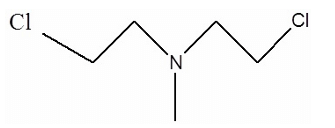
Name the following drug molecule:
View Solution
The molecule shown is Mechlorethamine, an alkylating agent used in chemotherapy. It contains a nitrogen atom bonded to two chlorine atoms, which are key features of its structure. Mechlorethamine is part of the nitrogen mustard family of drugs and works by adding alkyl groups to DNA, preventing the cell from dividing and leading to cell death, which is particularly useful in treating cancers like lymphoma and leukemia. Why Other Options Are Incorrect: - (B) Chlorambucil: While it is also an alkylating agent, it has a different structure, including an aromatic ring. - (C) Vincristine: A vinca alkaloid, different in structure and mechanism of action, used to treat cancers. - (D) 6-Mercaptopurine: A purine analog used in leukemia treatment, not an alkylating agent. Thus, the correct drug is Mechlorethamine. Quick Tip: Mechlorethamine is an alkylating agent used in chemotherapy. The presence of two chlorine atoms on the nitrogen atom is characteristic of this drug's structure.
The biological name of Indian Bdellium is:
View Solution
The biological name of Indian Bdellium is Commiphora wightii. This plant, part of the Commiphora genus, is known for its medicinal properties, particularly in Ayurvedic medicine. It has been traditionally used to treat a variety of conditions, including inflammation, pain, and gastrointestinal disorders. Commiphora wightii is also known for its role in the production of Bdellium gum. Quick Tip: Indian Bdellium (Commiphora wightii) is valued in traditional medicine for its anti-inflammatory and antimicrobial properties.
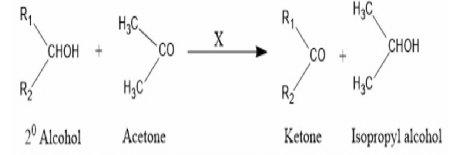
According to Oppenauer Oxidation reaction, oxidation of secondary alcohol to ketone by reagent (X) in acetone takes place, what is "X":
View Solution
In the Oppenauer Oxidation reaction, Aluminium t-butoxide is used as a reagent to selectively oxidize secondary alcohols to ketones. This oxidation reaction is mild and does not affect other functional groups present in the molecule, making it a useful method for selectively modifying secondary alcohols. The reaction proceeds in acetone, and the t-butoxide ion plays a key role in the transfer of electrons to the alcohol, facilitating the oxidation process. Quick Tip: Aluminium t-butoxide is the reagent used in Oppenauer oxidation to oxidize secondary alcohols to ketones. It is a selective, mild oxidation method.
Which of the following climatic zones can be categorized into the hot and dry zone?
View Solution
Zone-III is classified as the hot and dry zone in most climatic classification systems. This zone is characterized by high temperatures and minimal rainfall, leading to dry and arid conditions. Typically, regions in deserts or semi-arid areas fall under Zone-III. These areas experience extreme temperature variations between day and night and have limited vegetation due to the lack of water. Why Other Options Are Incorrect: - (A) Zone-II and (B) Zone-I are generally cooler and more temperate zones, which receive more rainfall and have moderate temperatures.
- (D) Zone-IV may represent a tropical or warm zone, which is more humid and has different climatic conditions. Thus, Zone-III accurately represents the hot and dry zone. Quick Tip: The hot and dry zone is characterized by extreme heat and low rainfall, commonly found in desert and semi-arid regions.
The IUPAC name of tartaric acid is:
View Solution
The IUPAC name of tartaric acid is 2,3-dihydroxybutane-1,4-dioic acid. Tartaric acid is a naturally occurring organic acid found in various fruits, particularly in grapes. It has two hydroxyl groups (-OH) and two carboxyl groups (-COOH) on a four-carbon backbone, which contributes to its properties as a strong acid. Tartaric acid is used in the food and pharmaceutical industries, especially in the production of effervescent tablets and as a stabilizing agent in wines. Why Other Options Are Incorrect: - (A) 1,3-dihydroxybutane-1,4-dioic acid: This name does not describe the correct placement of the hydroxyl groups. - (C) 2,3-dihydroxy-4-butanoic acid: This name incorrectly suggests a different structural arrangement for the carboxyl group. - (D) 2,2-dihydroxy-4-butanoic acid: This name incorrectly positions the hydroxyl groups and carboxyl group. Thus, the correct IUPAC name for tartaric acid is 2,3-dihydroxybutane-1,4-dioic acid. Quick Tip: Tartaric acid is commonly found in grapes and has two hydroxyl and two carboxyl groups. Its IUPAC name, 2,3-dihydroxybutane-1,4-dioic acid, reflects its structure.
H1 receptor protein in humans is made up of:
View Solution
The human H1 histamine receptor is composed of 487 amino acids. It is a G-protein coupled receptor (GPCR) that plays a critical role in allergic reactions and other physiological processes. The H1 receptor is involved in the effects of histamine, such as promoting vasodilation, increasing vascular permeability, and causing smooth muscle contraction. This receptor is a target for antihistamine drugs, which block its activity to alleviate symptoms of allergies. Why Other Options Are Incorrect:
- (B) 390 Aminoacids: This is not the correct length for the H1 receptor protein.
- (C) 445 Aminoacids: This number does not match the known size of the H1 receptor.
- (D) 359 Aminoacids: Again, this is not the correct number of amino acids for the H1 receptor.
Thus, the human H1 receptor protein consists of 487 amino acids. Quick Tip: The H1 histamine receptor is made up of 487 amino acids and plays a key role in allergic reactions. It is targeted by antihistamines to reduce symptoms.
Based on the rheological behavior of fluid, all of the following shows time independent property, except:
View Solution
Anti-thixotropic fluids are time-dependent, meaning their viscosity increases as shear is applied over time, unlike time-independent fluids such as plastic, pseudoplastic, and non-Newtonian fluids, whose behavior remains consistent over time regardless of shear. Anti-thixotropic behavior is the opposite of thixotropy, where the viscosity decreases with shear. These types of fluids are often encountered in systems like gels and paints. Why Other Options Are Incorrect: - (A) Plastic: Plastic fluids exhibit a yield stress and have a time-independent viscosity once they begin to flow.
- (C) Pseudoplastic: Pseudoplastic fluids, or shear-thinning fluids, also show time-independent behavior as their viscosity decreases with increased shear but does not depend on the time of shear application.
- (D) Non-newtonian: Non-Newtonian fluids can display a range of behaviors, but their viscosity is typically independent of time when subjected to constant shear stress. Thus, the correct answer is Anti-thixotropic, which exhibits time-dependent viscosity. Quick Tip: Anti-thixotropic fluids increase in viscosity over time under constant shear, unlike time-independent fluids like plastic and pseudoplastic.
Etoposide and Teniposide are the semi-synthetic derivatives of:
View Solution
Etoposide and Teniposide are semi-synthetic derivatives of Podophyllotoxin, a naturally occurring lignan found in the roots and rhizomes of the Mayapple plant. Both Etoposide and Teniposide are alkylating agents used in chemotherapy, primarily to treat cancers like testicular cancer and small cell lung cancer. These drugs inhibit DNA synthesis by interfering with the enzyme topoisomerase II, preventing the relaxation of DNA supercoils, which is essential for DNA replication and cell division. Why Other Options Are Incorrect: - (B) Digoxin: This drug is a cardiac glycoside used to treat heart failure and arrhythmias, unrelated to Podophyllotoxin derivatives.
- (C) Vincristine: Vincristine is a vinca alkaloid used in chemotherapy, but it is structurally different from Podophyllotoxin.
- (D) Taxol: Taxol (Paclitaxel) is a different class of chemotherapy drug, a microtubule stabilizer, not related to Podophyllotoxin.
Thus, Etoposide and Teniposide are derivatives of Podophyllotoxin. Quick Tip: Etoposide and Teniposide are derived from Podophyllotoxin, a natural compound used to treat cancers by inhibiting DNA replication.
Which of the following is/are in-process QC test(s) for tablets:
View Solution
In-process quality control (QC) tests for tablets are designed to assess the mechanical properties and consistency of the product during production. These tests typically include hardness (to assess tablet strength), friability (to evaluate tablet's resistance to breakage during handling), and average weight (to ensure consistent dosing). These tests are conducted throughout the manufacturing process to monitor product quality. While drug content, puncture tests, and dissolution tests are also critical, they are typically considered final product tests rather than in-process checks. Quick Tip: In-process QC tests ensure that tablets meet mechanical and weight specifications during production, helping maintain consistency before final product testing.
Which is the active form of Ganciclovir?
View Solution
Ganciclovir is converted into its active form, Ganciclovir triphosphate, by the addition of three phosphate groups. This conversion is essential for the drug’s antiviral activity, as the triphosphate form is incorporated into the viral DNA chain, effectively terminating its elongation and inhibiting the replication of the virus. Quick Tip: For nucleoside analogs like Ganciclovir, the active form is generally the triphosphate, which enables the drug to inhibit viral DNA synthesis effectively.
Which of the following volatile oils are heavier than water:
View Solution
Among the listed volatile oils, Cinnamon oil is heavier than water. This is because its density exceeds 1 g/cm³, which makes it denser than water. The other oils, such as cumin, fennel, and lemongrass, are typically lighter than water, with densities less than 1 g/cm³. Quick Tip: Volatile oils with a higher density than water, like Cinnamon oil, are often used in various applications for their strong aroma and therapeutic properties.
Which of the following mills is based on the mechanism of impact and attrition for size reduction:
View Solution
The fluid energy mill, also known as a jet mill, operates primarily on the principles of impact and attrition. It uses high-velocity gas or air jets to cause particles to collide with one another, breaking them into smaller sizes through both impact (high-velocity particle collisions) and attrition (particles grinding against each other). This method is particularly effective for fine size reduction and is used to micronize materials. Other mills, such as roller mills, hammer mills, and colloid mills, have different mechanisms of size reduction, primarily involving compression, shear, or grinding, but not the combination of impact and attrition as in a fluid energy mill. Thus, the correct answer is the fluid energy mill. Quick Tip: The fluid energy mill uses high-velocity air jets to break down particles through both impact and attrition, making it ideal for fine size reduction and micronization.
Which of the following is Phase-II metabolism reaction:
View Solution
Acetylation is a Phase-II metabolic reaction where a drug or its metabolite undergoes conjugation with an acetyl group, increasing its water solubility and facilitating excretion. Phase-II reactions, known as conjugation reactions, typically involve the addition of endogenous molecules like acetyl groups, glucuronic acid, or sulfate to make the drug more water-soluble and easier to eliminate from the body. Phase-I reactions like oxidation, reduction, and hydrolysis are preparatory steps that modify the drug molecule, but it is the conjugation in Phase-II that facilitates elimination. Quick Tip: Phase-II reactions, such as acetylation, add endogenous molecules like acetyl groups to increase the water solubility of drugs, aiding in their elimination.
Antioxidant which is obtained from a desert plant and shows synergistic action with citric acid is:
View Solution
Nordihydroguaiaretic acid (NDGA) is a potent antioxidant derived from desert plants, particularly the creosote bush. NDGA exhibits synergistic action with citric acid, enhancing the antioxidant activity and preventing oxidation in a variety of applications. This property is valuable in preventing the degradation of sensitive compounds in food and pharmaceutical products. Quick Tip: NDGA, obtained from desert plants, works synergistically with citric acid to enhance antioxidant properties and prevent oxidation.
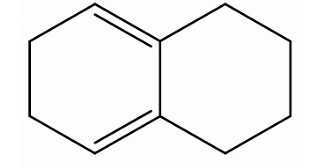
Calculate the \( \lambda_{\text{max}} \) of the following molecule:
View Solution
The \( \lambda_{\text{max}} \), or maximum absorption wavelength, is determined by the conjugation of the molecule. The more extensive the conjugation of the \(\pi\)-electrons, the longer the absorption wavelength. The molecule in question features an extended conjugated system, making its absorption peak \( \lambda_{\text{max}} \) around 273 nm. This is typical for molecules with conjugated double bonds, which absorb UV light at longer wavelengths. Why Other Options Are Incorrect:
- (A) 283 nm: This value corresponds to a slightly more conjugated molecule but does not match this particular structure.
- (C) 234 nm: This is too low and suggests a molecule with less conjugation.
- (D) 244 nm: Similarly, this value is not appropriate for the given molecule.
Thus, the correct \( \lambda_{\text{max}} \) is 273 nm. Quick Tip: Conjugated systems result in longer wavelength absorption maxima, with \( \lambda_{\text{max}} \) values typically increasing as the conjugation length increases.
The most suitable test for digitoxose is:
View Solution
The Keller–Kiliani test is specifically used to detect digitoxose, a sugar component found in cardiac glycosides. In this test, digitoxose reacts to form a red or brown color when it is present, which helps to identify it in the sample. This color reaction is a reliable indicator of digitoxose, making the Keller–Kiliani test the most suitable for this purpose. Why Other Options Are Incorrect: - (A) Hager's test: This is used for detecting alkaloids, not digitoxose.
- (B) Dragendrof's test: This test is also used for alkaloids and does not detect digitoxose.
- (C) Baljet test: Used for detecting anthraquinone derivatives, not digitoxose.
Thus, the correct test for digitoxose is the Keller–Kiliani test. Quick Tip: The Keller–Kiliani test is a color reaction test specifically used to detect digitoxose and other sugars in cardiac glycosides.
Which of the following protective colloids has a high gold number?
View Solution
The gold number is used to measure the protective power of a colloid, specifically its ability to prevent the precipitation of gold sol. A higher gold number indicates greater protective power. Among the options, Tragacanth has the highest gold number, meaning it is more effective at stabilizing a gold sol from precipitation compared to other colloids like acacia, albumin, or gelatin. This makes Tragacanth particularly valuable in pharmaceutical formulations where colloidal stability is essential. Why Other Options Are Incorrect: - (A) Acacia: Acacia is a protective colloid but has a lower gold number compared to Tragacanth.
- (C) Albumin: Albumin also has protective colloidal properties, but its gold number is lower than Tragacanth's.
- (D) Gelatin: Gelatin is commonly used as a protective colloid, but it does not have as high a gold number as Tragacanth.
Thus, Tragacanth is the correct answer due to its high gold number. Quick Tip: Tragacanth has the highest gold number among common protective colloids, making it particularly effective in stabilizing colloidal solutions.
The equivalent weight of Potassium permanganate in acidic medium is:
View Solution
The equivalent weight of Potassium permanganate (\( \text{KMnO}_4 \)) in an acidic medium is determined by its change in oxidation state. Potassium permanganate undergoes reduction in acidic medium, where the manganese ion (Mn) is reduced from the +7 oxidation state to the +2 state. Since 5 electrons are involved in this reduction process, the equivalent weight of \( \text{KMnO}_4 \) is calculated as its molar mass (158 g/mol) divided by the number of electrons (5), resulting in an equivalent weight of 31.6 g/equiv. Why Other Options Are Incorrect: - (B) 51.6: This value does not correspond to the correct equivalent weight of potassium permanganate in acidic medium.
- (C) 41.6: Also not the correct equivalent weight for \( \text{KMnO}_4 \).
- (D) 21.6: This value is too low based on the molar mass and number of electrons involved in the redox reaction. Thus, the correct equivalent weight of Potassium permanganate in acidic medium is 31.6. Quick Tip: The equivalent weight of \( \text{KMnO}_4 \) in acidic medium is 31.6 g/equiv, calculated by dividing its molar mass by the number of electrons involved in the redox process.
Match the following disease with their test for detection:
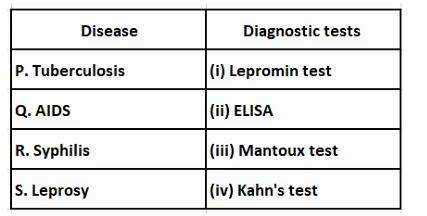
View Solution
The correct matching of diseases with their respective tests is as follows:
- P. IgE: (iii) Found in the mother’s milk. IgA is the primary antibody found in mucosal areas like the respiratory and gastrointestinal tracts, and it is also present in breast milk, providing passive immunity to the newborn.
- Q. IgG: (ii) Dominant antibody produced in immune responses. IgM is the first antibody produced by the immune system when encountering a pathogen, playing a pivotal role in the early stages of immune defense.
- R. IgM: (iv) Responsible for autoimmune responses including allergies. IgE plays a critical role in allergic reactions and is involved in immune responses to parasitic infections.
- S. IgA: (i) Cross the placenta. IgG is the only antibody type that can cross the placenta, providing passive immunity to the fetus during pregnancy.
Thus, the correct matching is P(iv), Q(i), R(ii), S(iii). Quick Tip: - IgE is involved in allergic reactions, IgG crosses the placenta to protect the fetus, IgM is the initial immune response antibody, and IgA is present in mucosal areas like breast milk. - These antibodies play key roles in different immune responses and stages of immunity.
Which of the following type of viscometer is used for the measurement of viscosity of a Newtonian fluid:
View Solution
The Ostwald viscometer is designed to measure the viscosity of Newtonian fluids, which have a constant viscosity regardless of the shear rate. The principle behind the Ostwald viscometer is to measure the time it takes for a specific volume of fluid to flow through a capillary tube under the influence of gravity. This time is then used to calculate the fluid's viscosity. Quick Tip: For Newtonian fluids (fluids with a constant viscosity), the Ostwald viscometer is commonly used in laboratories to obtain precise viscosity measurements.
The composition of "Lindlar catalyst" is:
View Solution
The Lindlar catalyst is a specific type of palladium-based catalyst that is supported on calcium carbonate. It is primarily used for the selective hydrogenation of alkynes to cis-alkenes. Unlike other hydrogenation processes, the Lindlar catalyst allows for partial hydrogenation, making it invaluable in organic synthesis, particularly when producing alkenes with specific stereochemistry. Quick Tip: The Lindlar catalyst is commonly used to selectively hydrogenate alkynes to cis-alkenes. It consists of palladium supported on calcium carbonate, which prevents overhydrogenation.
5-Fluorouracil, an anti-metabolite used in cancer treatment, is activated to:
View Solution
5-Fluorouracil (5-FU) is a chemotherapy drug that acts by inhibiting thymidylate synthase, an enzyme necessary for DNA synthesis. After administration, 5-Fluorouracil is metabolized into its active form, 5-fluoro-2-deoxyuridylic acid (FdUMP). FdUMP then binds to thymidylate synthase, inhibiting the production of thymidine, which is essential for DNA replication. This inhibition leads to the disruption of DNA synthesis and ultimately cancer cell death. Why Other Options Are Incorrect:
- (A) 5-fluoro-2-oxyuridylic acid: This compound is not the active metabolite of 5-Fluorouracil.
- (B) 3-fluoro-3-deoxyuridylic acid: This is not the correct form of 5-Fluorouracil after activation.
- (C) 3-fluoro-3-oxyuridylic acid: This compound does not represent the active metabolite of 5-Fluorouracil.
Thus, the active metabolite of 5-Fluorouracil is 5-fluoro-2-deoxyuridylic acid (FdUMP). Quick Tip: 5-Fluorouracil is metabolized into 5-fluoro-2-deoxyuridylic acid (FdUMP), which inhibits thymidylate synthase and blocks DNA synthesis in rapidly dividing cancer cells.
Which of the following drugs has a 1,3,4-thiadiazole ring system?
View Solution
Acetazolamide contains a 1,3,4-thiadiazole ring system, which is a heterocyclic ring composed of sulfur and nitrogen. Acetazolamide is a carbonic anhydrase inhibitor, commonly used in the treatment of glaucoma, edema, and certain types of seizures. The presence of the thiadiazole ring in its structure is essential for its pharmacological action. Why Other Options Are Incorrect: - (A) Dichlorophenamide: This drug does not contain the 1,3,4-thiadiazole ring system.
- (B) Spironolactone: Spironolactone contains a lactone ring but does not have a thiadiazole ring.
- (D) Furosemide: Furosemide contains a sulfonamide group and a benzene ring but lacks a thiadiazole ring.
Thus, Acetazolamide is the drug with the 1,3,4-thiadiazole ring system. Quick Tip: The 1,3,4-thiadiazole ring system is present in drugs like Acetazolamide, which is used for inhibiting carbonic anhydrase and treating conditions like glaucoma.
Section-C
Leprosy is a:
View Solution
Leprosy is caused by the bacterium Mycobacterium leprae. This chronic infectious disease primarily affects the skin, peripheral nerves, and mucosal surfaces, leading to skin lesions, nerve damage, and in severe cases, disfigurement. Quick Tip: Leprosy, also called Hansen's disease, is a bacterial infection. Early detection and treatment with antibiotics are crucial in preventing long-term complications.
The appendicular skeleton in an adult consists of:
View Solution
The appendicular skeleton consists of 126 bones in total. These bones include those in the limbs, shoulder girdle, and pelvic girdle, all of which play vital roles in movement and support. Quick Tip: The appendicular skeleton includes the limbs and girdles and comprises 126 bones, which are essential for locomotion and physical movement.
Histogram can be drawn only for:
View Solution
Histograms are used to represent continuous frequency distributions. They display data divided into intervals (bins), where the height of each bar indicates the frequency of values within that interval. Histograms are particularly useful for visualizing the distribution of continuous data. Quick Tip: Histograms are ideal for visualizing continuous data, providing a clear representation of the frequency distribution of data within specified intervals.
Murmurs are generally heard in disorders affecting the following:
View Solution
Heart murmurs are abnormal sounds that are typically caused by turbulent blood flow through the heart. They are most commonly associated with heart valve disorders, such as stenosis (narrowing of valves) or regurgitation (leakage of valves). These conditions disturb the normal flow of blood, leading to the characteristic sounds of murmurs. Quick Tip: Murmurs are commonly linked to valvular heart diseases, where abnormal blood flow creates these distinctive sounds.
Which of the following is first prodrug for sulfonamide:
View Solution
Prontocil was the first prodrug for sulfonamide. Prodrugs are inactive compounds that are metabolized into their active form in the body. In the case of Prontocil, it was converted into the active sulfonamide drug after administration, offering improved bioavailability and therapeutic effects. Quick Tip: Prodrugs like Prontocil are designed to be metabolized into their active forms in the body, improving drug absorption and minimizing side effects.
Which oral hypoglycemic agent increases the levels of incretin hormone by inhibiting the enzyme dipeptidyl peptidase-4 (DPP-4):
View Solution
Sitagliptin is an oral hypoglycemic agent that works by inhibiting the enzyme dipeptidyl peptidase-4 (DPP-4). DPP-4 normally breaks down incretin hormones, which help increase insulin secretion and decrease glucagon release after meals. By inhibiting this enzyme, Sitagliptin increases the levels of incretin hormones, improving blood glucose control in patients with type 2 diabetes. Quick Tip: Sitagliptin is a DPP-4 inhibitor that boosts incretin hormone levels, enhancing insulin release and lowering glucose levels in type 2 diabetes patients.
Biological activity of synthetic adrenaline is almost:
View Solution
Synthetic adrenaline is usually a racemic mixture containing both R- and S-enantiomers. The R-enantiomer is the biologically active form, while the S-enantiomer has a significantly reduced activity. Since synthetic adrenaline contains equal amounts of both enantiomers, its overall biological activity is approximately 50% that of natural R-adrenaline. Quick Tip: Stereochemistry is crucial in drug efficacy, as only specific enantiomers (like R-adrenaline) interact effectively with biological receptors.
Central Government approved factory premises where Opium alkaloids are processed is situated at:
View Solution
The Central Government of India has approved processing factories for opium alkaloids, and these are located in Neemuch (Madhya Pradesh) and Ghazipur (Uttar Pradesh). These sites are responsible for processing opium for medicinal purposes under strict regulations. Quick Tip: India's government-approved centers in Neemuch and Ghazipur are the primary locations for opium alkaloid processing, ensuring compliance with international standards for medicinal use.
Tetracycline undergoes epimerization at C4 between pH 4-8 to give:
View Solution
Tetracycline undergoes epimerization at the C4 position when exposed to pH levels between 4 and 8, producing Nortetracycline. This epimerization results in a change in the stereochemistry of the drug, which can affect its pharmacological properties and activity. Quick Tip: Epimerization is a process that changes the stereochemistry of a molecule, and in the case of tetracycline, it leads to the formation of Nortetracycline under certain pH conditions.
The etiology of jaundice could be haemolytic anaemia if:
View Solution
In haemolytic anaemia, excessive breakdown of red blood cells leads to increased levels of unconjugated bilirubin, as the liver cannot process all of it into conjugated bilirubin fast enough. This results in jaundice with a higher concentration of unconjugated bilirubin in the blood. Quick Tip: Haemolytic jaundice is associated with an increase in unconjugated bilirubin due to increased red blood cell breakdown, which overwhelms the liver's capacity to conjugate bilirubin.
Precursor for corticosteroids synthesis is:
View Solution
Corticosteroids are steroid hormones synthesized from cholesterol. Cholesterol undergoes various enzymatic modifications to produce pregnenolone, a precursor to corticosteroids. These transformations take place primarily in the adrenal cortex. Step 2: Cholesterol's critical role. Cholesterol is a sterol compound with a hydroxyl group, which serves as the building block for various steroid hormones, including corticosteroids like cortisol and aldosterone. Step 3: Why other options are incorrect. - Phenanthrene and related compounds do not contribute to corticosteroid synthesis.
- Cholesterol's unique sterol structure is central to the synthesis of corticosteroids.
Quick Tip: Cholesterol is the starting point for the synthesis of corticosteroids, highlighting its essential role in hormone production in the adrenal cortex.
Which one of the following diseases is caused by the deficiency of niacin:
View Solution
Pellagra is caused by a deficiency of niacin (Vitamin B3) or its precursor tryptophan. Niacin is essential for metabolic processes and DNA repair. The symptoms of pellagra are often referred to as the "three Ds":
- Dermatitis,
- Diarrhea,
- Dementia.
If left untreated, pellagra can be fatal. Step 2: Why other options are incorrect.
- Anemia results from iron, Vitamin B12, or folate deficiency.
- Night blindness is linked to a deficiency in Vitamin A.
- Scurvy is caused by a lack of Vitamin C. Quick Tip: Remember the "three Ds" of Pellagra (Dermatitis, Diarrhea, Dementia) to help identify niacin deficiency. Niacin is essential for maintaining skin health and energy metabolism.
Enzyme commonly targeted by drugs to treat hypertension is:
View Solution
Angiotensin-converting enzyme (ACE) is a key enzyme involved in the regulation of blood pressure. It converts angiotensin I to angiotensin II, a potent vasoconstrictor that raises blood pressure. By inhibiting ACE, drugs like enalapril and captopril reduce the production of angiotensin II, which helps lower blood pressure. Step 2: Mechanism of ACE inhibitors. ACE inhibitors reduce vasoconstriction and lower blood pressure by inhibiting the production of angiotensin II, ultimately decreasing the strain on the heart and blood vessels. Step 3: Why other options are incorrect.
- COX inhibitors are used for pain and inflammation, not hypertension.
- HMG-CoA reductase is targeted by statins to lower cholesterol.
- MAO inhibitors are used in the treatment of depression, not hypertension. Quick Tip: ACE inhibitors are effective in managing hypertension by blocking the production of angiotensin II, reducing blood pressure and improving cardiovascular health.
How many optical isomers are possible for lactic acid:
View Solution
Lactic acid contains one chiral center, which gives rise to two possible optical isomers (enantiomers). These two isomers are mirror images of each other and are non-superimposable. The number of optical isomers for a molecule with one chiral center is \( 2^1 = 2 \). Step 2: Why other options are incorrect.
- (A) 4: This would apply to molecules with two chiral centers.
- (B) 0: Incorrect, as lactic acid has one chiral center and thus can have optical isomers.
- (C) 6: This is not possible with only one chiral center. Quick Tip: For molecules with a single chiral center, the number of optical isomers is always 2. Use the formula \( 2^n \), where \( n \) is the number of chiral centers, to calculate the number of isomers.
If one event is unaffected by the outcome of another event, the two events are said to be:
View Solution
Two events are independent if the occurrence of one does not affect the probability of the occurrence of the other. Mathematically, this is expressed as \( P(A \cap B) = P(A) \times P(B) \), where \( A \) and \( B \) are independent events. Step 2: Why other options are incorrect. - Mutually exclusive events cannot happen at the same time, making them dependent in a different way.
- Dependent events are those where the occurrence of one event influences the probability of the other.
- "Either dependent or independent" is an ambiguous option that doesn't specify the relationship clearly. Quick Tip: For independent events, the occurrence of one does not affect the occurrence of the other. Use the formula \( P(A \cap B) = P(A) \times P(B) \) to calculate probabilities for independent events.
Which functional group in drug molecules is most likely to undergo phase I metabolic oxidation by cytochrome P450 enzymes:
View Solution
Cytochrome P450 enzymes are responsible for phase I metabolic oxidation reactions. The oxidation process typically involves the introduction of an oxygen atom into a drug molecule. The methyl group is most likely to undergo phase I oxidation, often transforming into a hydroxyl group. This is common for alkyl groups in drug molecules. Step 2: Why other options are incorrect.
- Ester and amide groups typically undergo hydrolysis rather than oxidation.
- Hydroxyl groups are already oxidized and usually undergo conjugation in phase II metabolism rather than phase I oxidation. Quick Tip: Methyl groups in drug molecules are commonly oxidized by cytochrome P450 enzymes to form hydroxyl groups in phase I metabolism.
Which ring of warfarin is essential for its therapeutic activity:
View Solution
Warfarin's therapeutic activity is primarily attributed to the coumarin ring, which is integral to its ability to inhibit vitamin K epoxide reductase. This inhibition prevents the activation of clotting factors, making warfarin effective as an anticoagulant. Step 2: Why other options are incorrect. - Purine and pyrimidine rings are found in nucleic acids, not in warfarin.
- Lactone groups are functional groups but do not contribute directly to warfarin's pharmacological action. Quick Tip: The coumarin ring in warfarin is responsible for its ability to inhibit vitamin K epoxide reductase and exert its anticoagulant effect.
Following are the examples of negative feedback system except:
View Solution
Negative feedback systems help maintain homeostasis by counteracting deviations. Blood pressure regulation, body temperature regulation, and blood glucose maintenance all involve negative feedback mechanisms. In contrast, blood clotting is an example of a positive feedback system, where the process is amplified until the clot is fully formed. Step 2: Why other options are correct examples of negative feedback.
- These systems involve a response that counteracts any changes, restoring balance. Quick Tip: Negative feedback systems work to restore balance, while positive feedback systems amplify the process, like blood clotting.
Which of the following is called as cell-mediated (delayed) hypersensitivity:
View Solution
Type IV hypersensitivity is a cell-mediated immune response involving T cells, rather than antibodies. It is called "delayed" because it takes 24-72 hours to develop after exposure to the antigen. Common examples include tuberculin skin tests and contact dermatitis. Step 2: Why other options are incorrect.
- Type I, II, and III hypersensitivities are antibody-mediated, whereas Type IV is T-cell mediated. Quick Tip: Type IV hypersensitivity is delayed, involving T-cells, and is responsible for conditions like contact dermatitis and the tuberculin skin test.
Which ionization technique in mass spectrometry is most suitable for large biomolecules like proteins:
View Solution
Electrospray Ionization (ESI) is the most suitable ionization technique for large biomolecules such as proteins. It gently ionizes large molecules without significant fragmentation, preserving their structure. ESI is especially effective for analyzing complex biomolecules like proteins in mass spectrometry. Step 2: Why other options are less suitable.
- Chemical Ionization (CI) and Electron Impact (EI) are better suited for smaller molecules due to their high-energy processes.
- Physical Ionization (PI) is not typically used in mass spectrometry for biomolecules. Quick Tip: Electrospray Ionization (ESI) is the preferred method for analyzing large biomolecules like proteins, as it preserves their structure during ionization.
Which of the following hormone is not secreted by the human placenta:
View Solution
The placenta secretes hormones that support pregnancy, including estrogen, progesterone, and human chorionic gonadotropin (hCG).
- Estrogen: Aids in preparing the uterus for childbirth and promoting fetal development.
- hCG: Supports the corpus luteum to maintain progesterone production in early pregnancy.
- Progesterone: Maintains the uterine lining and prevents contractions.
However, Luteinizing hormone (LH) is produced by the anterior pituitary gland, not the placenta. LH triggers ovulation and the formation of the corpus luteum. Quick Tip: The placenta produces hormones like estrogen, progesterone, and hCG, but LH is secreted by the pituitary gland, not the placenta.
Which of the following is an aryl acetic acid derivative:
View Solution
Aryl acetic acid derivatives are a class of nonsteroidal anti-inflammatory drugs (NSAIDs) that contain an acetic acid group attached to an aromatic ring. - Ibuprofen is a propionic acid derivative, but structurally, it is closely related to aryl acetic acids due to the presence of an aromatic ring.
- Salsalate and Aspirin are salicylate derivatives, and Mefenamic acid is a fenamate derivative. These do not fall under the aryl acetic acid category.
Thus, despite its propionic acid classification, Ibuprofen shares structural similarities with aryl acetic acid derivatives. Quick Tip: Ibuprofen is structurally similar to aryl acetic acid derivatives and is commonly classified as a propionic acid derivative, but it shares key features like the aromatic ring.
Melatonin is secreted by:
View Solution
Melatonin is a hormone that plays a crucial role in regulating the circadian rhythm and sleep-wake cycles. It is secreted primarily by the pineal gland, which is located in the brain. The secretion of melatonin increases in response to darkness, promoting sleep. Step 2: Why other options are incorrect.
- Thyrotrophs are pituitary cells that secrete thyroid-stimulating hormone (TSH), not melatonin.
- Gonadotrophs secrete gonadotropins like LH and FSH.
- The adrenal gland produces hormones like cortisol and adrenaline, but not melatonin. Quick Tip: The pineal gland is the primary source of melatonin, a hormone responsible for regulating sleep cycles and circadian rhythms.
Which hormone stimulates red blood cell production:
View Solution
Erythropoietin is a hormone produced by the kidneys in response to low oxygen levels in the blood. It stimulates the production of red blood cells (RBCs) in the bone marrow, thereby improving the oxygen-carrying capacity of the blood. Step 2: Why other options are incorrect.
- Vasopressin regulates water balance and blood pressure but does not stimulate RBC production.
- Erythrocytin is not a recognized hormone.
- Prolactin is involved in lactation, not in red blood cell production. Quick Tip: Erythropoietin, secreted by the kidneys, is the primary hormone responsible for stimulating red blood cell production in response to low oxygen levels.
Which of the following drug does NOT require therapeutic drug monitoring:
View Solution
Therapeutic drug monitoring (TDM) is used for drugs that have a narrow therapeutic index, meaning that small changes in dosage can lead to toxicity or suboptimal therapeutic effects. - Digitoxin: Requires TDM due to its narrow therapeutic window and the risk of toxicity.
- Phenytoin: Requires TDM because it has non-linear pharmacokinetics, and small changes in dose can cause significant changes in drug levels.
- Gentamicin: Requires TDM to avoid nephrotoxicity and ototoxicity, especially in patients with renal issues. Acetaminophen, on the other hand, has a wide therapeutic index and does not require routine monitoring, unless in the case of overdose. Quick Tip: Drugs like Digitoxin, Phenytoin, and Gentamicin require therapeutic drug monitoring due to their narrow therapeutic index, while Acetaminophen does not under normal circumstances.
Section-D
The short-acting anticholinesterase drug is:
View Solution
Edrophonium is a short-acting anticholinesterase that works rapidly, typically within 10-20 minutes. It is used primarily for diagnosing myasthenia gravis, as its effects are quick and brief. - Physostigmine is an intermediate-acting drug.
- Ecothiophate is a long-acting anticholinesterase.
- Neostigmine is also intermediate-acting, commonly used to treat myasthenia gravis.
Quick Tip: Edrophonium's short duration and rapid onset make it a key drug for diagnosing myasthenia gravis.
Which among the following is an example of a high shear mixer:
View Solution
The Sigma blade mixer generates high shear forces, making it ideal for intensive mixing tasks. It uses two counter-rotating blades to create shear that helps break down particles. - Turbine and jet mixers provide significant mixing but are not designed to generate high shear specifically.
- Nauta mixer is used for powder mixing and lacks the high shear intensity of the Sigma blade mixer.
Thus, Sigma blade mixer is the correct choice for high shear mixing. Quick Tip: Sigma blade mixers are highly effective for high shear applications, perfect for breaking down particles and enhancing homogeneity in materials.
In a homologous series of any general anesthetic, increasing the chain length increases the lipid solubility and produces a corresponding increase in anesthetic potency, is proposed by:
View Solution
The Meyer-Overton hypothesis suggests that the anesthetic potency of compounds is directly related to their lipid solubility. As the chain length increases, so does lipid solubility, leading to greater potency. - John Pemberton was a pharmacist known for inventing Coca-Cola, not involved in anesthetic theories.
- Hubert Humphrey was a U.S. politician, unrelated to pharmacology.
- Meyer - Philip does not relate to anesthetic theories.
Quick Tip: The Meyer-Overton theory connects anesthetic potency with lipid solubility, explaining how chain length influences effectiveness.
Influenza viruses are RNA viruses and belong to which family:
View Solution
Influenza viruses are classified under the Orthomyxoviridae family, characterized by their segmented, single-stranded RNA genome. - Papoviridae includes DNA viruses like papillomaviruses.
- Retroviridae includes RNA viruses such as HIV, which replicate through reverse transcription.
- Parvoviridae consists of small DNA viruses, unrelated to influenza. Quick Tip: Orthomyxoviridae includes influenza viruses, known for their segmented RNA genome and their ability to mutate rapidly.
Two drugs producing the same clinical effects and safety profile when administered to patients are considered:
View Solution
Therapeutic equivalence refers to two drugs that provide the same clinical effect and safety profile when administered under similar conditions. This is a key consideration when substituting a generic drug for a branded one. - MTC refers to the concentration at which toxicity occurs, unrelated to equivalence.
- MEC refers to the minimum concentration needed for therapeutic effect, not equivalence.
- The therapeutic window indicates the safe range between MEC and MTC, but does not address equivalence. Quick Tip: Therapeutic equivalence ensures that two drugs have identical clinical effects and safety, which is essential when considering generic substitutions.
Aerobic dehydrogenase in biological oxidation contains:
View Solution
Aerobic dehydrogenases use FMN and FAD as coenzymes during biological oxidation. These coenzymes facilitate the transfer of electrons in redox reactions, crucial for aerobic respiration and energy production. - NAD is involved in other oxidation reactions but not in aerobic dehydrogenases.
- NADH is the reduced form of NAD, not directly used in aerobic dehydrogenase reactions.
- NADP is used in anabolic pathways but not in the oxidation processes of aerobic dehydrogenases. Quick Tip: FMN and FAD are key coenzymes in aerobic dehydrogenases, aiding electron transfer in the electron transport chain.
Match the following antibodies with their correct description:
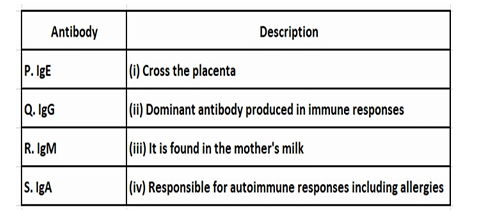
View Solution
- P. IgE: (iv) Involved in allergic reactions and parasitic immune responses.
- Q. IgG: (i) Only antibody that can cross the placenta to provide passive immunity to the fetus.
- R. IgM: (ii) The first antibody produced during an immune response, crucial in early defense.
- S. IgA: (iii) Found in mucosal areas like breast milk, providing passive immunity to newborns. Quick Tip: IgE mediates allergies, IgG crosses the placenta, IgM is the first responder in immune defense, and IgA is essential in mucosal immunity.
Plasma protein bound drugs are:
View Solution
Plasma protein-bound drugs are pharmacodynamically inert because only the free drug fraction can interact with receptors. While bound drugs may affect drug distribution and half-life, they do not produce immediate pharmacological effects. Quick Tip: Only unbound drugs are pharmacodynamically active. Plasma proteins extend the drug's duration in the body but delay its action until released in the free form.
Which of the following equipment measures weight variation using reflected energy:
View Solution
Rotoweight uses reflected energy to measure weight variations with high accuracy. It is ideal for applications where non-contact measurement is essential. Quick Tip: Rotoweight measures weight variation with reflected energy, making it ideal for non-contact and precise weight monitoring in industrial applications.
Which among the following is not the process of drug degradation:
View Solution
Hemolysis is the breakdown of red blood cells and is unrelated to drug degradation. Drug degradation processes include:
- Photolysis: Breakdown due to light exposure.
- Decarboxylation: Removal of a carboxyl group.
- Hydrolysis: Breakdown due to water interaction.
Quick Tip: Drug degradation involves processes like hydrolysis, oxidation, photolysis, and decarboxylation. Hemolysis, however, pertains to the destruction of red blood cells, not drugs.
The term of a patent granted under the Indian Patent Act is:
View Solution
The Indian Patent Act grants a patent for 20 years from the date of filing, subject to the payment of renewal fees. This period ensures the inventor's exclusive rights to manufacture, use, and sell the invention. - The other durations listed (10, 30, and 40 years) are incorrect according to the Indian Patent Law. Quick Tip: In India, a patent lasts for 20 years, and it is essential to renew it regularly to maintain the patent rights.
Choose the incorrect statement regarding Cathode rays:
View Solution
Cathode rays are streams of electrons, not electromagnetic waves. They are negatively charged particles emitted from the cathode in a vacuum tube and travel in straight lines unless deflected by electric or magnetic fields. - Other statements about cathode rays producing X-rays, traveling straight, and being fast electrons are correct. Quick Tip: Cathode rays consist of electrons and not electromagnetic waves. They travel straight unless affected by external fields.
Among the following, which is known as "SPIRIT OF SALT"?
View Solution
Hydrochloric acid is commonly referred to as "Spirit of Salt" because it was historically made by reacting sulfuric acid with salt (sodium chloride). It is a strong, corrosive acid used in laboratories and industries. - Nitric acid, Boric acid, and Thioglycolic acid do not share this historical connection with salt. Quick Tip: Hydrochloric acid, known as "Spirit of Salt," is widely used in industries and chemical processes due to its strong acidic nature.
Partial hydrogenation of vegetable oils in the presence of Ni catalyst at 200°C gives:
View Solution
Partial hydrogenation is a process where vegetable oils are hydrogenated in the presence of a nickel catalyst at around 200°C. This process turns liquid oils into semi-solid fats, producing margarine. - Butter, Vanaspati ghee, and Cheese are either not produced by partial hydrogenation or are fully hydrogenated in the case of Vanaspati. Quick Tip: Partial hydrogenation converts oils into semi-solid fats, such as margarine, by reducing some of the double bonds in unsaturated fatty acids.
As per Bronsted-Lowry concept, acid is defined as:
View Solution
In the Bronsted-Lowry theory, an acid is defined as a substance that donates a proton (H\(^+\)) to another molecule or ion. A base is defined as a proton acceptor. - Other options describe Lewis acids and bases, not Bronsted-Lowry acids. Quick Tip: Bronsted-Lowry acids donate protons, while bases accept protons. This theory is fundamental in understanding acid-base reactions in both aqueous and non-aqueous solutions.
Which of the following is a correct expression of average particle size with the value of \( p = 1 \) (size index) and frequency index \( f = 2 \):
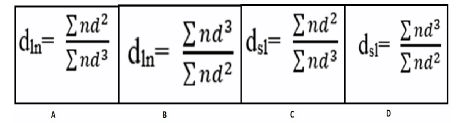
View Solution
The formula for determining average particle size, considering the size index \( p \) and frequency index \( f \), is: \[ d_{s1} = \frac{\sum n d^{2}}{\sum n d^{3}} \] For \( p = 1 \) and \( f = 2 \), option (B) is the correct answer as it matches the expected calculation. Quick Tip: To calculate average particle size, use the formula: \[ d_{1f} = \frac{\sum n d^{f+1}}{\sum n d^f} \] where \( p \) is the size index and \( f \) is the frequency index.
Which of the following is a peroxisome proliferator-activated receptor-alpha (PPAR-\(\alpha\)) agonist:
View Solution
PPAR-\(\alpha\) agonists are used to treat dyslipidemia by lowering triglyceride levels and increasing HDL cholesterol. Gemfibrozil, a fibrate, activates PPAR-\(\alpha\), enhancing fatty acid oxidation and lowering triglycerides. - Ezetimibe inhibits cholesterol absorption. - Niacin lowers triglycerides but does not activate PPAR-\(\alpha\). - Colesevelam binds bile acids but does not interact with PPAR-\(\alpha\). Quick Tip: Gemfibrozil is a fibrate that activates PPAR-\(\alpha\) to reduce triglycerides and improve HDL cholesterol levels.
The given equation represents which law: \[ E = K_k \ln \frac{d_1}{d_2} \]
View Solution
The equation \( E = K_k \ln \frac{d_1}{d_2} \) represents Kick's law, which describes the energy required for size reduction in coarse grinding. The energy is proportional to the logarithm of the ratio of initial to final particle sizes. - Rittinger’s law involves surface area and is not related to logarithmic expressions. - Bond’s law focuses on energy consumption during size reduction but uses a different formula. - Fick’s law deals with diffusion, not size reduction. Quick Tip: Kick’s law is used for coarse grinding, where the energy required is proportional to the logarithm of the size reduction ratio.
In which limit test is Thioglycolic acid used:
View Solution
Thioglycolic acid is used in the limit test for iron to reduce ferric ions (Fe\(^{3+}\)) to ferrous ions (Fe\(^{2+}\)), forming a colored complex for detection. - Arsenic, sulphate, and chloride tests involve different reagents, not thioglycolic acid. Quick Tip: Thioglycolic acid reduces Fe\(^{3+}\) to Fe\(^{2+}\) in the limit test for iron, forming a colored complex that helps in determining permissible iron levels.
Who has the power to fix the ceiling price of scheduled formulations:
View Solution
The National Pharmaceutical Pricing Authority (NPPA) is the statutory body responsible for fixing and regulating the prices of essential medicines, including those listed under the Drug Price Control Order (DPCO). The NPPA ensures the affordability and accessibility of essential drugs to the public. The Director General Health Services, Pharmacy Council of India, and National Medical Commission are involved in health administration, education, and medical practices but do not control drug pricing. Quick Tip: The NPPA sets the ceiling price for essential medicines in India to ensure their affordability and prevent exploitation. This is a crucial part of regulating the pharmaceutical market.
Which of the following is not a GABA derivative:
View Solution
Step 1: Understanding GABA derivatives.
Gamma-Aminobutyric Acid (GABA) derivatives are drugs structurally related to GABA and function as central nervous system (CNS) depressants, primarily used as anticonvulsants or neuropathic pain medications. Step 2: Classification of the given drugs.
- (A) Pregabalin: A GABA analog used for neuropathic pain, epilepsy, and generalized anxiety disorder.
- (B) Vigabatrin: A GABA derivative that inhibits GABA transaminase, increasing GABA levels.
- (C) Gabapentin: A GABA analog that modulates calcium channels, used for seizures and neuropathic pain.
- (D) Rufinamide: Not a GABA derivative. It is an anticonvulsant that works by prolonging sodium channel inactivation. Step 3: Why Rufinamide is the correct answer.
Unlike Pregabalin, Gabapentin, and Vigabatrin, which are structurally related to GABA, Rufinamide is a triazole derivative and does not mimic GABA activity. Instead, it stabilizes sodium channels to prevent seizures. Quick Tip: GABA derivatives include Pregabalin, Gabapentin, and Vigabatrin, whereas Rufinamide is a sodium channel modulator and not structurally related to GABA.
A hypothesis stipulating that there is no difference between the situations, groups, and outcomes is called:
View Solution
Step 1: Understanding the Null Hypothesis.
A Null Hypothesis (\(H_0\)) is a statement that there is no significant difference between two situations, groups, or outcomes. It assumes that any observed difference is due to chance or random variation.
Step 2: Importance in hypothesis testing.
- The null hypothesis is tested against an alternative hypothesis (\(H_1\)), which proposes that there is a significant effect or difference.
- Statistical tests are used to determine whether to reject or fail to reject the null hypothesis. Step 3: Explanation of incorrect options.
- (A) Hypothesis of association: Refers to relationships between variables, not the absence of difference.
- (C) Hypothesis of differences: Describes a hypothesis that assumes a difference exists, but it is not the same as the null hypothesis.
- (D) Alternative hypothesis: Opposes the null hypothesis by suggesting that a difference does exist.
Quick Tip: The Null Hypothesis (\(H_0\)) assumes no difference between groups or conditions. It is the starting point for statistical hypothesis testing.
How many Pharmacists are required for a hospital having up to 300 beds:
View Solution
Step 1: Understanding pharmacist requirements in hospitals.
According to the Medical Council of India (MCI) and Pharmacy Council of India (PCI) guidelines, hospitals must have an adequate number of pharmacists based on the number of hospital beds. Step 2: Pharmacist requirement for hospitals up to 300 beds.
- For hospitals with up to 300 beds, a minimum of 10 pharmacists is required. - For larger hospitals (above 300 beds), additional pharmacists are needed based on workload. Step 3: Why other options are incorrect.
- (A) 8: Less than the recommended requirement for a 300-bed hospital.
- (C) 15: Exceeds the minimum requirement, though may be needed for larger hospitals.
- (D) 5: Insufficient for handling the pharmaceutical needs of 300 patients. Quick Tip: For hospitals up to 300 beds, at least 10 pharmacists are required as per PCI and MCI guidelines.
Which of the following is easily nitrated using a mixture of \(HNO_3\) and \(H_2SO_4\):
View Solution
Step 1: Understanding the nitration reaction.
Nitration is an electrophilic aromatic substitution reaction where a benzene derivative reacts with a mixture of concentrated nitric acid (\(HNO_3\)) and sulfuric acid (\(H_2SO_4\)) to introduce a nitro group (-NO\(_2\)) onto the aromatic ring. Step 2: Reactivity of the given compounds.
- Toluene (\(C_6H_5CH_3\)) has a +I (electron-donating) methyl group, which increases the electron density on the benzene ring, making it highly reactive towards nitration.
- Fluorobenzene (\(C_6H_5F\)) has a fluorine atom, which has both electron-donating and electron-withdrawing effects, but its overall influence is deactivating.
- Chlorobenzene (\(C_6H_5Cl\)) is less reactive than benzene due to chlorine’s -I effect (electron withdrawal).
- Nitrobenzene (\(C_6H_5NO_2\)) has a strong -I and -M effect (electron-withdrawing), making it very deactivated toward further nitration. Step 3: Conclusion.
Since toluene is the most activated due to the electron-donating methyl group, it undergoes nitration most easily. Quick Tip: Toluene undergoes nitration faster than benzene due to its electron-donating methyl group (+I effect), increasing its reactivity in electrophilic aromatic substitution reactions.
If the spin of the electrons in the excited state are parallel, it is called as:
View Solution
Step 1: Understanding electronic spin states.
When an electron in a molecule or atom gets excited, it moves to a higher energy level. The total spin of the system determines whether the state is singlet, triplet, or other multiplicities. Step 2: Characteristics of a triplet state.
- In a singlet state, the electron spins are paired (opposite), meaning the total spin quantum number \( S = 0 \).
- In a triplet state, the electron spins are parallel, meaning the total spin quantum number \( S = 1 \).
- The triplet state is lower in energy than the singlet excited state because parallel spins reduce electron repulsion. Step 3: Why other options are incorrect.
- (A) Doublet state: Applies to systems with an unpaired electron, such as free radicals.
- (C) Singlet state: Electrons have paired spins (\( S = 0 \)), not parallel.
- (D) Parallel state: Not a standard term in quantum chemistry.
Quick Tip: If the excited-state electron spins are parallel, the system is in a triplet state. If they are paired (opposite), the system is in a singlet state.
Section-E
The amount of air that moves in or out of the lungs with each respiratory cycle is:
View Solution
Step 1: Understanding lung volumes.
Lung volumes describe various aspects of respiration: - Tidal volume (TV): The amount of air that moves in and out of the lungs with each normal breath (~500 mL for an average adult).
- Inspiratory reserve volume (IRV): The extra air inhaled after a normal breath.
- Expiratory reserve volume (ERV): The extra air exhaled after a normal breath.
- Residual volume (RV): The air remaining in the lungs after maximum exhalation.
Step 2: Why tidal volume is correct. Since the question focuses on the air exchanged during each normal breathing cycle, it directly corresponds to tidal volume (TV), which represents the regular breathing volume. Step 3: Why other options are incorrect.
- (A) Inspiratory reserve volume: Refers to extra air inhaled beyond a normal breath, not the regular breathing volume.
- (B) Expiratory reserve volume: Refers to extra air exhaled beyond normal breathing, not the regular breathing volume.
- (D) Residual volume: Refers to the air remaining in the lungs after full expiration, not the air exchanged in a normal breath. Quick Tip: Tidal volume (TV) is the air exchanged during each normal breath, approximately 500 mL in an average adult.
Virus-mediated transfer of host DNA from one cell to another cell is known as:
View Solution
Step 1: Understanding transduction. Transduction is the process where a bacteriophage (virus) transfers genetic material from one bacterial cell to another. This happens when a phage mistakenly packages host DNA instead of its own viral DNA and injects it into another bacterium. Step 2: Types of transduction.
- Generalized transduction: Any bacterial gene can be transferred.
- Specialized transduction: Only specific genes near the phage integration site are transferred. Step 3: Why other options are incorrect.
- (B) Integration: Refers to viral DNA merging with the host genome, not DNA transfer.
- (C) Transformation: Involves bacteria taking up free DNA from the environment.
- (D) Transcription: Involves RNA synthesis from DNA, not gene transfer.
Quick Tip: Transduction involves the virus-mediated transfer of genetic material between bacterial cells, often facilitated by bacteriophages.
What should be the log P value for an ideal drug candidate for transdermal permeation:
View Solution
Step 1: Understanding log P value. Log P is a measure of a drug's lipophilicity, representing its partitioning between lipid (oil) and aqueous (water) phases. It determines the drug's ability to permeate lipid membranes, such as the skin. Step 2: Ideal log P value range for transdermal permeation. For effective transdermal delivery, a drug should have a balanced hydrophilic and lipophilic profile:
- A log P value between 1 and 3 is ideal, ensuring that the drug is sufficiently lipophilic for skin permeation but still maintains some hydrophilicity for systemic absorption. Step 3: Why other options are incorrect.
- (A) Below 1: Too hydrophilic, making it difficult for the drug to cross the lipid-rich skin barrier.
- (C) 5-7: Too lipophilic, causing the drug to accumulate in the skin with poor systemic absorption.
- (D) Above 7: Excessively lipophilic, making systemic delivery highly difficult. Quick Tip: For transdermal drugs, a log P value between 1-3 ensures optimal skin permeation and systemic bioavailability.
Which of the following formula for calculating child dose is based on body weight:
View Solution
Step 1: Understanding Clark’s formula. Clark’s formula calculates a child's medication dose based on their body weight. This ensures the child receives the correct dose, avoiding toxicity or underdosing. The formula is: \[ \text{Child’s Dose} = \frac{\text{Weight of the child (kg)}}{70} \times \text{Adult Dose} \] or, in pounds: \[ \text{Child’s Dose} = \frac{\text{Weight of the child (lb)}}{150} \times \text{Adult Dose}. \] Step 2: Explanation of other formulas.
- (B) Fried’s formula: Based on the child’s age in months.
- (C) Young’s formula: Based on the child’s age in years.
- (D) Dilling’s formula: Also based on the child’s age in years, specifically for older children. Step 3: Conclusion. Clark’s formula uses body weight to determine a child’s dose, making it the correct option. Quick Tip: Clark’s formula ensures accurate and safe pediatric dosing based on body weight.
Salivary amylase helps in digestion of which of the following nutrients:
View Solution
Step 1: Function of salivary amylase. Salivary amylase is an enzyme secreted by the salivary glands that starts the digestion of starch (a carbohydrate) into maltose and dextrins in the mouth. Step 2: Why starch is the correct answer. Salivary amylase specifically targets polysaccharides like starch, hydrolyzing the glycosidic bonds, while it does not affect fats, vitamins, or proteins. Step 3: Why other options are incorrect.
- (A) Fats: Lipase is the enzyme responsible for fat digestion, not amylase.
- (B) Vitamins: Vitamins do not require enzymatic digestion.
- (D) Proteins: Proteins are digested by pepsin in the stomach, not by amylase. Quick Tip: Salivary amylase initiates starch digestion in the mouth, breaking it down into maltose and dextrins.
In the drying process, which of the following parameters is the same as the adiabatic saturation temperature:
View Solution
Step 1: Understanding adiabatic saturation temperature. The adiabatic saturation temperature is the temperature at which air becomes saturated with water vapor through the evaporation process under adiabatic conditions (without heat exchange with the surroundings). Step 2: Relation to wet bulb temperature. The wet bulb temperature is the temperature measured by a thermometer covered with a wet cloth, where evaporation cools the thermometer. In adiabatic conditions, the wet bulb temperature is equivalent to the adiabatic saturation temperature. Step 3: Why other options are incorrect.
- (A) Absolute humidity: Refers to the mass of water vapor in a given volume of air, not related to temperature.
- (B) Dew point: The temperature at which air becomes saturated and condensation begins, distinct from the wet bulb temperature.
- (C) Relative humidity: The ratio of the current water vapor content to the maximum possible at a given temperature, not equivalent to adiabatic saturation temperature. Quick Tip: The wet bulb temperature is the adiabatic saturation temperature because both are determined by the cooling effect of evaporation under adiabatic conditions.
What is the proposed mechanism of action of artemisinin in the treatment of malaria:
View Solution
Step 1: Understanding artemisinin's mechanism. Artemisinin is a potent antimalarial drug derived from the plant Artemisia annua. Its action is based on the cleavage of its endoperoxide bridge by iron (from heme) within the malaria parasite. This reaction generates reactive oxygen species (ROS), which cause oxidative damage to the parasite’s proteins and membranes, leading to its death. Step 2: Why other options are incorrect.
- (A) Inhibition of dihydrofolate reductase: This is the mechanism of action for drugs like pyrimethamine, not artemisinin.
- (B) Blocking of Plasmodium falciparum ATPase: This mechanism pertains to drugs like lumefantrine, not artemisinin.
- (D) Inhibition of heme polymerase enzyme: This mechanism is relevant to quinoline-based drugs such as chloroquine, not artemisinin.
Step 3: Conclusion. Artemisinin’s mechanism involves ROS generation through endoperoxide cleavage, making option (C) correct. Quick Tip: Artemisinin produces reactive oxygen species (ROS) via cleavage of the endoperoxide bridge, damaging the malaria parasite and leading to its elimination.
The optimum temperature for rapid growth of mesophiles is:
View Solution
Step 1: Understanding mesophiles. Mesophiles are microorganisms that thrive at moderate temperatures, commonly found in environments like soil, water, and the human body. Step 2: Optimum temperature range. Mesophiles grow most effectively at temperatures ranging from \( 20^\circ C \) to \( 45^\circ C \), with the most rapid growth occurring between \( 25^\circ C \) and \( 40^\circ C \). Conclusion. The correct answer is \( (D) \ 25^\circ C \text{ to } 40^\circ C \). Quick Tip: Mesophiles thrive in moderate temperatures. Here are temperature ranges for different microorganisms: - Psychrophiles: \( -5^\circ C \text{ to } 15^\circ C \)
- Mesophiles: \( 20^\circ C \text{ to } 45^\circ C \)
- Thermophiles: \( 45^\circ C \text{ to } 80^\circ C \) These classifications are crucial in microbiology and industrial processes.
The fluoroquinolones act by:
View Solution
Step 1: Mechanism of fluoroquinolones. Fluoroquinolones, a class of broad-spectrum antibiotics, work by inhibiting bacterial enzymes DNA gyrase and topoisomerase IV. These enzymes are involved in relieving supercoiling tension during DNA replication. Step 2: Effects of inhibition. By inhibiting these enzymes, fluoroquinolones prevent proper DNA unwinding and replication, leading to DNA fragmentation and bacterial death. Step 3: Comparison with other options.
- (A) Describes the mechanism of action of sulfonamides and trimethoprim.
- (C) Refers to the action of beta-lactams (e.g., penicillin).
- (D) Describes the action of antibiotics like tetracyclines and aminoglycosides.
Conclusion. The correct mechanism of fluoroquinolones is inhibition of DNA gyrase and topoisomerase IV, making option (B) correct. Quick Tip: Fluoroquinolones target bacterial enzymes like DNA gyrase, which are crucial for DNA replication, making them effective against both Gram-positive and Gram-negative bacteria.
The cranial nerve that regulates the heartbeat is:
View Solution
Step 1: Identification of the cranial nerve. The vagus nerve (cranial nerve \( X \)) is responsible for regulating the heartbeat. Step 2: Function of the vagus nerve. The vagus nerve plays a major role in the parasympathetic regulation of the heart. It helps to lower the heart rate by releasing acetylcholine, which acts on the sinoatrial (SA) node, slowing down the heart's electrical impulses. Step 3: Comparison with other options.
- Option \( (A) \): Cranial nerve IX (glossopharyngeal nerve) is involved in taste and the gag reflex, not regulating the heartbeat.
- Option \( (B) \): Cranial nerve VII (facial nerve) controls facial expression and salivation, not heart rate.
- Option \( (D) \): Cranial nerve VIII (vestibulocochlear nerve) is involved in hearing and balance, not regulating the heartbeat. Conclusion. The correct answer is cranial nerve \( X \) (vagus nerve). Quick Tip: The vagus nerve regulates heart rate by releasing acetylcholine, which slows electrical impulses in the heart, ensuring parasympathetic control over cardiac function.
Which of the following is a causative organism for Syphilis:
View Solution
Step 1: Understanding Syphilis. Syphilis is a sexually transmitted infection (STI) caused by the spirochete bacterium \( \text{Treponema pallidum} \). It is primarily spread through sexual contact or from mother to fetus during pregnancy, leading to congenital syphilis. Step 2: Comparison with other organisms.
- Option \( (A) \): \( \text{Vibrio cholerae} \) is responsible for cholera, a diarrheal disease.
- Option \( (C) \): \( \text{Bacillus pertussis} \) causes whooping cough (pertussis).
- Option \( (D) \): \( \text{Clostridium tetani} \) is responsible for tetanus, characterized by muscle spasms. Step 3: Conclusion. Only \( \text{Treponema pallidum} \) causes syphilis. Conclusion: The correct answer is \( (B) \ \text{Treponema pallidum} \). Quick Tip: Syphilis progresses through primary, secondary, latent, and tertiary stages. Early detection and penicillin treatment are essential to prevent severe outcomes.
Coomb's test is used for detection of:
View Solution
Step 1: Understanding the Coomb's test. Coomb's test, also known as the antiglobulin test, is used to detect antibodies or complement proteins that are bound to the surface of red blood cells. It is widely used in immunohematology. Step 2: Types of Coomb's test.
- Direct Coomb's Test (DCT): Detects antibodies attached to red blood cells, often used for conditions like hemolytic anemia.
- Indirect Coomb's Test (ICT): Detects free antibodies in the serum, such as in transfusion reactions or during pregnancy.
Step 3: Comparison with other options.
- Option \( (A) \): Yellow fever is diagnosed through serological tests or PCR, not Coomb's test.
- Option \( (B) \): Syphilis is identified using tests like VDRL or TPHA.
- Option \( (C) \): Typhoid is diagnosed using blood cultures or the Widal test.
Conclusion: The Coomb's test is specifically used for detecting \( \text{antiglobulin} \), making \( (D) \) the correct answer. Quick Tip: Coomb's test is crucial in blood transfusion compatibility testing and diagnosing autoimmune conditions like hemolytic anemia.
In Michaelis-Menten equation when \( K_m = C \):
View Solution
Step 1: Michaelis-Menten equation. The Michaelis-Menten equation is expressed as: \[ v = \frac{V_{\text{max}} \cdot [S]}{K_m + [S]} \] Where:
- \( v \) is the reaction rate,
- \( V_{\text{max}} \) is the maximum rate,
- \( [S] \) is the substrate concentration,
- \( K_m \) is the Michaelis constant, indicating the substrate concentration at which the reaction rate is half of \( V_{\text{max}} \).
Step 2: Condition when \( K_m = C \). When \( [S] = K_m \), we find: \[ v = \frac{V_{\text{max}} \cdot K_m}{K_m + K_m} = \frac{V_{\text{max}}}{2} \] Thus, the reaction rate is exactly half of the maximum rate when \( K_m = [S] \). Step 3: Comparison with other options.
- Option \( (B) \): Zero-order kinetics occurs when \( [S] \gg K_m \).
- Option \( (C) \): Constant rate occurs in zero-order kinetics, not in Michaelis-Menten.
- Option \( (D) \): First-order elimination is seen when \( [S] \ll K_m \), not when \( [S] = K_m \).
Conclusion: The rate is half of the maximum rate when \( [S] = K_m \), making \( (A) \) the correct answer. Quick Tip: In Michaelis-Menten kinetics, when the substrate concentration equals \( K_m \), the reaction rate is at half of its maximum value. This defines enzyme-substrate affinity.
Which of the following is NOT a Class 1C anti-arrhythmic drug:
View Solution
Step 1: Class 1C anti-arrhythmic drugs. Class 1C anti-arrhythmic drugs are sodium channel blockers that significantly slow cardiac conduction. These drugs are used to manage arrhythmias by inhibiting the rapid influx of sodium during depolarization. Examples of Class 1C drugs include: - \( \text{Propafenone} \),
- \( \text{Flecainide} \),
- \( \text{Moricizine} \).
Step 2: Mexiletine as Class 1B. Mexiletine, on the other hand, is a Class 1B anti-arrhythmic drug that works by stabilizing the cardiac cell membrane. It is used for ventricular arrhythmias and does not have the same sodium channel blockade strength as Class 1C drugs. Step 3: Comparison with other options.
- Option \( (A) \): Propafenone is a Class 1C drug.
- Option \( (C) \): Flecainide is a Class 1C drug.
- Option \( (D) \): Moricizine is also a Class 1C drug.
Conclusion: Mexiletine is not a Class 1C anti-arrhythmic, making \( (B) \) the correct answer. Quick Tip: Class 1 anti-arrhythmic drugs are divided into:
- 1A: Moderate sodium channel blockers (e.g., Quinidine).
- 1B: Weak sodium channel blockers (e.g., Mexiletine).
- 1C: Strong sodium channel blockers (e.g., Flecainide, Propafenone).
Which of the following is an example of physical incompatibility:
View Solution
Step 1: Understanding physical incompatibility. Physical incompatibility refers to a situation where a change in the physical properties of a formulation occurs, such as precipitate formation, liquefaction, or phase separation. Step 2: Explanation of liquefaction. Liquefaction occurs when two solid substances are mixed and form a liquid, often due to a reduction in melting point. A typical example is when certain powders like camphor and menthol mix and liquefy. Step 3: Comparison with other options.
- Option \( (A) \): Alkaloidal incompatibility is a type of chemical incompatibility.
- Option \( (C) \): Drug interactions involve chemical or pharmacological interactions.
- Option \( (D) \): Errors in dosage forms involve manufacturing mistakes, not physical incompatibility. Conclusion: Liquefaction is an example of physical incompatibility, making \( (B) \) the correct answer. Quick Tip: Physical incompatibility occurs when mixing leads to visible changes like liquefaction or precipitation. Always check for stability in formulations.
Which of the following is a Partial Fatty acid oxidation (pFox) inhibitor:
View Solution
Step 1: Understanding pFox inhibitors. Partial Fatty acid oxidation (pFox) inhibitors are drugs that shift myocardial metabolism from fatty acid oxidation to glucose oxidation. This shift improves oxygen efficiency, particularly useful in conditions like ischemic heart disease. Step 2: Role of Trimetazidine. Trimetazidine is a prototype pFox inhibitor that inhibits long-chain 3-ketoacyl-CoA thiolase, an enzyme involved in fatty acid oxidation. This inhibition enhances glucose oxidation and reduces myocardial oxygen consumption. Step 3: Comparison with other options.
- Option \( (B) \): Atosiban is an oxytocin receptor antagonist used in preterm labor and does not affect fatty acid oxidation.
- Option \( (C) \): Verapamil is a calcium channel blocker used for angina and arrhythmias, not a pFox inhibitor.
- Option \( (D) \): Nicardipine is another calcium channel blocker, unrelated to fatty acid metabolism.
Conclusion: Trimetazidine is the correct pFox inhibitor. Quick Tip: Trimetazidine is effective in chronic stable angina by improving myocardial energy efficiency. It is often used as adjunct therapy when conventional treatments are insufficient.
Renin is released from:
View Solution
Step 1: Understanding the renin-angiotensin system. Renin is an enzyme released from the juxtaglomerular cells (JGCs) of the kidney in response to low blood pressure, decreased sodium concentration, or sympathetic nervous system activation. It plays a crucial role in regulating blood pressure and fluid balance. Step 2: Mechanism of renin release. Renin converts angiotensinogen (produced by the liver) into angiotensin I, which is then converted into angiotensin II by angiotensin-converting enzyme (ACE). Angiotensin II causes vasoconstriction and stimulates aldosterone secretion, thereby increasing blood pressure. Step 3: Comparison with other options.
- Option \( (A) \): Hepatocytes of the liver produce angiotensinogen, not renin.
- Option \( (B) \): Beta-cells of the pancreas secrete insulin, not renin.
- Option \( (C) \): Microglial cells are involved in immune functions in the central nervous system. Conclusion: Renin is specifically released by the juxtaglomerular cells (JGCs) of the kidney, making \( (D) \) the correct answer. Quick Tip: The juxtaglomerular cells of the kidney release renin in response to:
1. Low blood pressure.
2. Low sodium concentration in the distal tubule.
3. Sympathetic nervous system activation.
This is part of the renin-angiotensin-aldosterone system (RAAS), which regulates blood pressure.
Which of the following cranial nerve is instrumental in motor function:
View Solution
Step 1: Understanding cranial nerve classifications.
Cranial nerves are classified into sensory, motor, and mixed types based on their primary functions:
- Sensory nerves, such as the Olfactory and Optic nerves, handle sensory input.
- Motor nerves, like the Accessory nerve, control muscle movements.
- Mixed nerves, like the Facial nerve, have both sensory and motor functions.
Step 2: Role of the accessory nerve. The Accessory nerve (cranial nerve XI) is a motor nerve that innervates the sternocleidomastoid and trapezius muscles, facilitating movements of the head, neck, and shoulders. Step 3: Comparison with other options.
- Option \( (A) \): The Vestibulocochlear nerve (cranial nerve VIII) is a sensory nerve that is involved in hearing and balance.
- Option \( (B) \): The Olfactory nerve (cranial nerve I) is a sensory nerve responsible for the sense of smell.
- Option \( (D) \): The Optic nerve (cranial nerve II) is a sensory nerve responsible for vision.
Conclusion: The Accessory nerve (cranial nerve XI) is primarily involved in motor functions, making \( (C) \) the correct answer. Quick Tip: The Accessory nerve is involved in motor control, specifically for the neck and shoulders. Other motor cranial nerves include the Oculomotor, Trochlear, and Abducens nerves.
The most common neoplasm in patients with AIDS is:
View Solution
Step 1: Understanding AIDS-related neoplasms. AIDS patients are highly immunocompromised due to the depletion of CD4+ T cells, which makes them more susceptible to various malignancies, particularly those associated with viral infections. Step 2: Explanation of Kaposi sarcoma. Kaposi sarcoma is a vascular tumor caused by human herpesvirus-8 (HHV-8). It is the most common cancer in AIDS patients, typically presenting as red or purple skin lesions and can involve internal organs, mucous membranes, and lymph nodes. Step 3: Comparison with other options.
- Option \( (A) \): Carcinoma of the breast is not commonly associated with AIDS.
- Option \( (B) \): Acute myeloid leukemia (AML) is not typically associated with AIDS.
- Option \( (C) \): Adenocarcinomas are less common in AIDS patients compared to Kaposi sarcoma.
Conclusion: Kaposi sarcoma is the most common neoplasm in AIDS patients, making \( (D) \) the correct answer. Quick Tip: Kaposi sarcoma is one of the hallmark cancers in AIDS patients. Early initiation of antiretroviral therapy (ART) significantly reduces the risk of developing Kaposi sarcoma and other AIDS-related malignancies.
The Phase in which two identical copies of DNA are formed is:
View Solution
Step 1: Understanding the cell cycle. The cell cycle consists of:
1. G1 phase: Cell growth and preparation for DNA replication.
2. S phase: DNA replication occurs, resulting in two identical copies of DNA.
3. G2 phase: The cell prepares for mitosis by synthesizing proteins and organelles.
4. M phase: The cell undergoes mitosis, dividing into two daughter cells. Step 2: Explanation of DNA replication. In the \( S \) phase, the DNA is replicated to ensure that each daughter cell receives an identical copy of the genetic material during cell division. Step 3: Comparison with other options.
- Option \( (A) \): \( M \) phase involves mitosis, not DNA replication.
- Option \( (B) \): \( G2 \) phase prepares for mitosis, not DNA synthesis.
- Option \( (C) \): \( G1 \) phase occurs before DNA replication.
Conclusion: DNA replication occurs in the \( S \) phase, making \( (D) \) the correct answer. Quick Tip: The \( S \) phase is essential for ensuring genetic continuity during cell division. Errors in DNA replication during this phase can lead to mutations and chromosomal abnormalities.
Progressive loss of bone that occurs in osteoporosis is an example of:
View Solution
Step 1: Defining atrophy. Atrophy refers to the reduction in size or number of cells, tissues, or organs, often leading to a loss of function. In the case of osteoporosis, bone density diminishes due to an imbalance between bone resorption and formation, ultimately resulting in fragile bones. Step 2: Comparing other options.
- Option \( (B) \): Hyperplasia involves an increase in the number of cells, which is not observed in osteoporosis.
- Option \( (C) \): Hypertrophy refers to the increase in cell size, not the loss of cells.
- Option \( (D) \): Metaplasia is the replacement of one type of cell with another, which is not related to osteoporosis.
Conclusion: The progressive bone loss observed in osteoporosis is a case of atrophy, making \( (A) \) the correct answer. Quick Tip: Preventing and managing osteoporosis involves:
1. Ensuring adequate intake of calcium and vitamin D.
2. Engaging in weight-bearing exercises.
3. Medications like bisphosphonates to prevent excessive bone loss.
The visible coloured ring of the eye is called:
View Solution
Step 1: Understanding the eye anatomy. The iris is the colored part of the eye, surrounding the pupil. It controls the amount of light that enters the eye by adjusting the size of the pupil. Step 2: Comparison with other structures.
- Option \( (A) \): The lens focuses light onto the retina, but it is transparent and not colored.
\ - Option \( (B) \): The retina is the light-sensitive layer at the back of the eye, responsible for vision.
- Option \( (C) \): The cornea is the transparent, curved surface that refracts light into the eye. Conclusion: The colored part of the eye, the iris, makes \( (D) \) the correct answer. Quick Tip: The color of the iris depends on melanin content. It ranges from brown, blue, green, to gray, with genetics playing a key role.
Sarcoma is the cancer of:
View Solution
Step 1: Defining sarcoma. Sarcoma is a type of cancer that arises from connective tissues, such as muscles, bones, fat, and cartilage, which provide structural support in the body. Step 2: Comparing with other cancers.
- Option \( (A) \): Plasma cell cancers, such as multiple myeloma, are hematologic malignancies, not sarcomas.
- Option \( (B) \): Glandular cancers (adenocarcinomas) arise from epithelial tissue, not connective tissue.
- Option \( (D) \): Carcinomas are cancers that originate from epithelial tissues, not connective tissues.
Conclusion: Sarcoma is the cancer of connective tissues, making \( (C) \) the correct answer. Quick Tip: Sarcomas are rarer than carcinomas and include:
1. Bone sarcomas (e.g., osteosarcoma).
2. Soft tissue sarcomas (e.g., liposarcoma, leiomyosarcoma).
Early detection significantly improves treatment outcomes.
Outer covering of the testes is:
View Solution
Step 1: Anatomy of the testes.
The testes are surrounded by several layers:
- The tunica vaginalis is the outermost layer derived from the peritoneum.
- The tunica albuginea is a fibrous layer underneath the tunica vaginalis that supports the testes.
- The tunica vasculosa is the innermost layer that supplies blood to the testes.
Step 2: Explanation of tunica vaginalis. The tunica vaginalis is a serous membrane that provides protection and reduces friction as the testes move within the scrotum. Step 3: Conclusion. The outer covering of the testes is the tunica vaginalis, making \( (B) \) the correct answer. Quick Tip: The testes are surrounded by three layers:
1. Tunica vaginalis: Outermost layer that reduces friction.
2. Tunica albuginea: Provides structural support.
3. Tunica vasculosa: Supplies blood to the testes.
These layers help in maintaining the health and function of the testes.
Which of the following is the best technique for detecting HIV:
View Solution
Step 1: Understanding HIV detection methods. For accurate HIV detection, reverse transcriptase-PCR (RT-PCR) is the most effective technique. It targets HIV RNA, converts it to cDNA using reverse transcriptase, and amplifies the DNA through PCR. Step 2: Comparing with other methods.
- Option \( (A) \): The Widal test is used for diagnosing typhoid fever, not HIV.
- Option \( (B) \): Real-time PCR can detect nucleic acids but does not involve reverse transcription for RNA viruses like HIV.
- Option \( (C) \): Standard PCR amplifies DNA, but HIV detection requires reverse transcription from RNA.
Conclusion: Reverse transcriptase-PCR is the best method for detecting HIV, making \( (D) \) the correct answer. Quick Tip: HIV testing commonly includes:
1. ELISA for screening.
2. Western blot for confirmation.
3. RT-PCR for early detection, especially in cases with high viral load.
RT-PCR is critical for detecting HIV RNA during early infection.
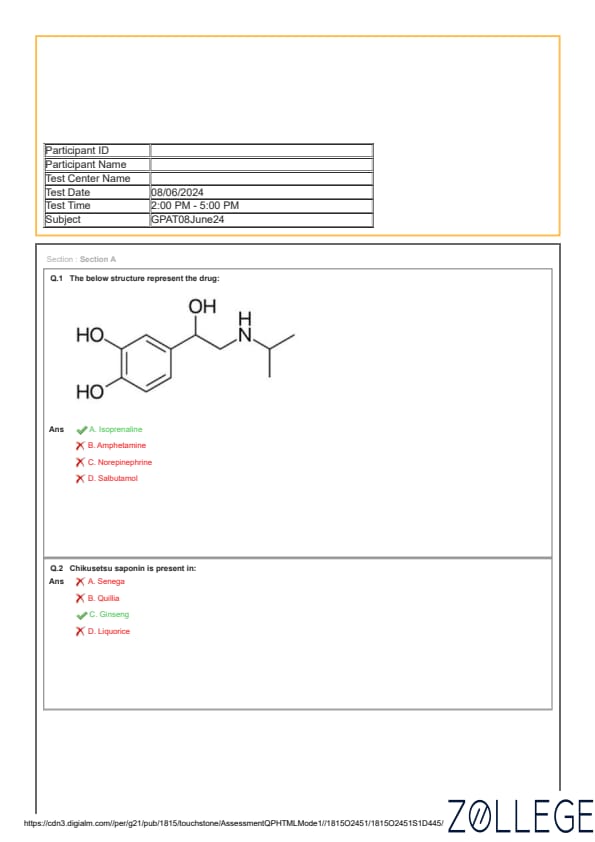
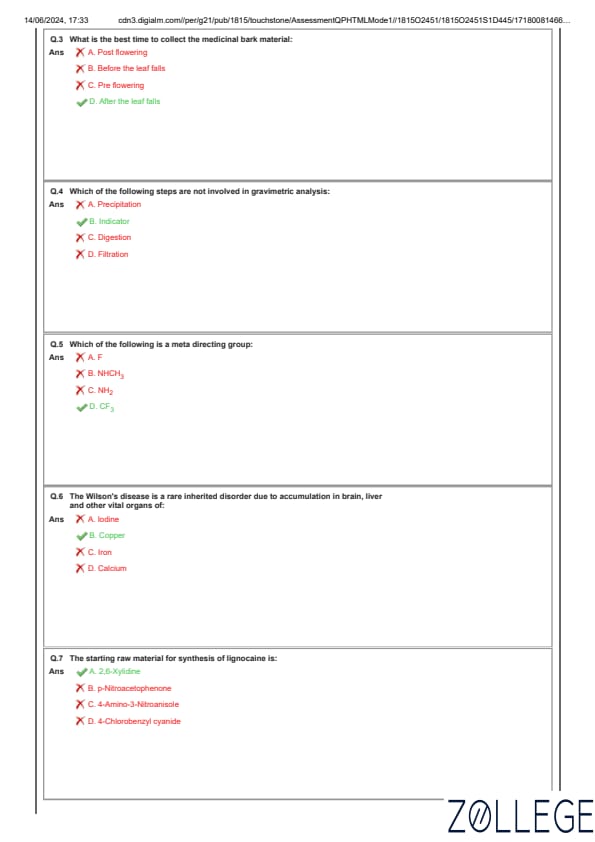
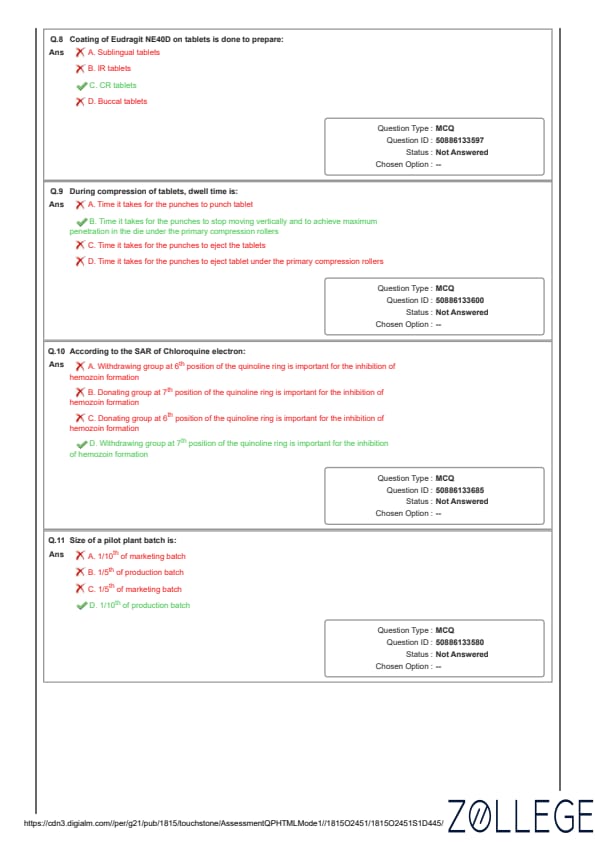
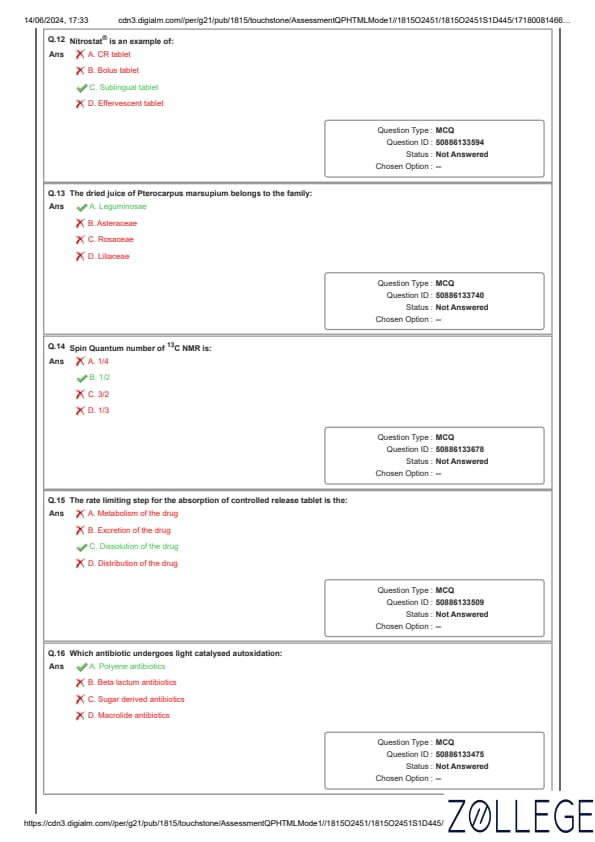
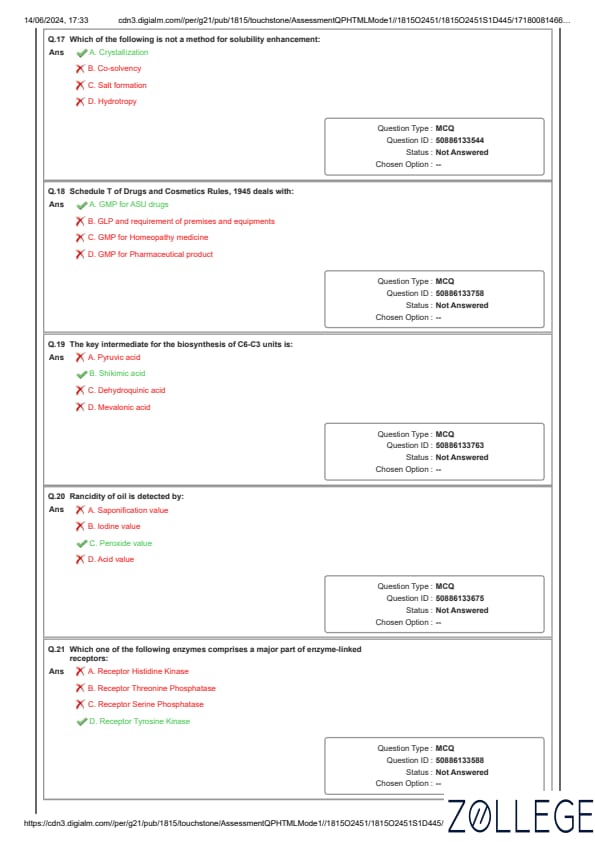
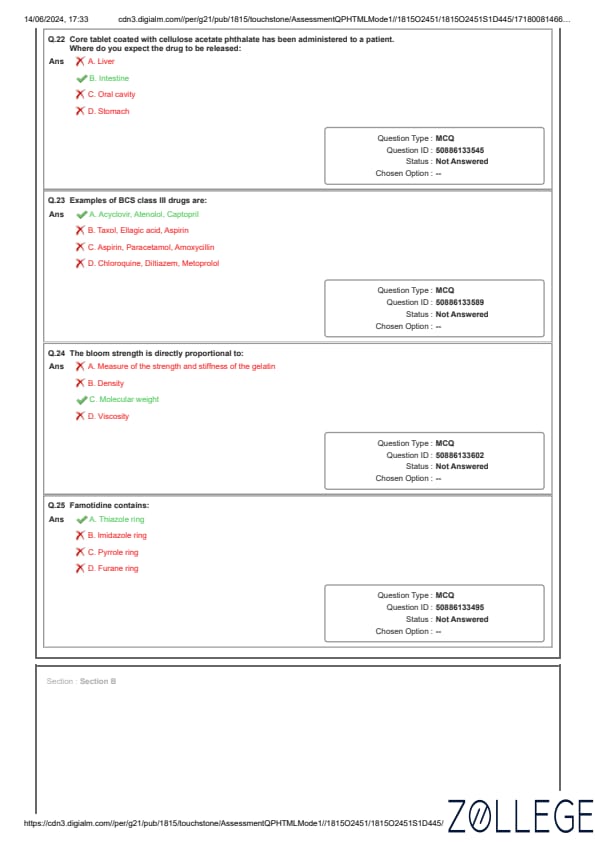
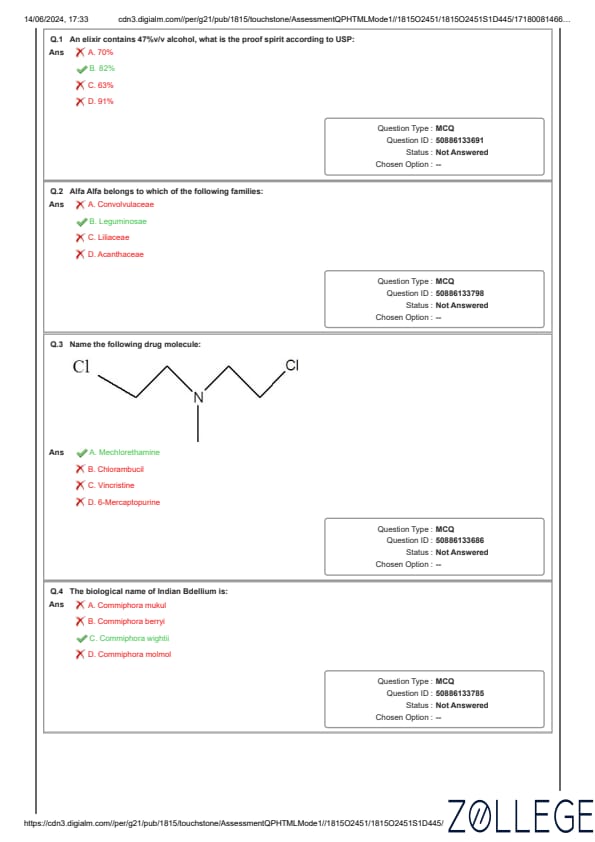
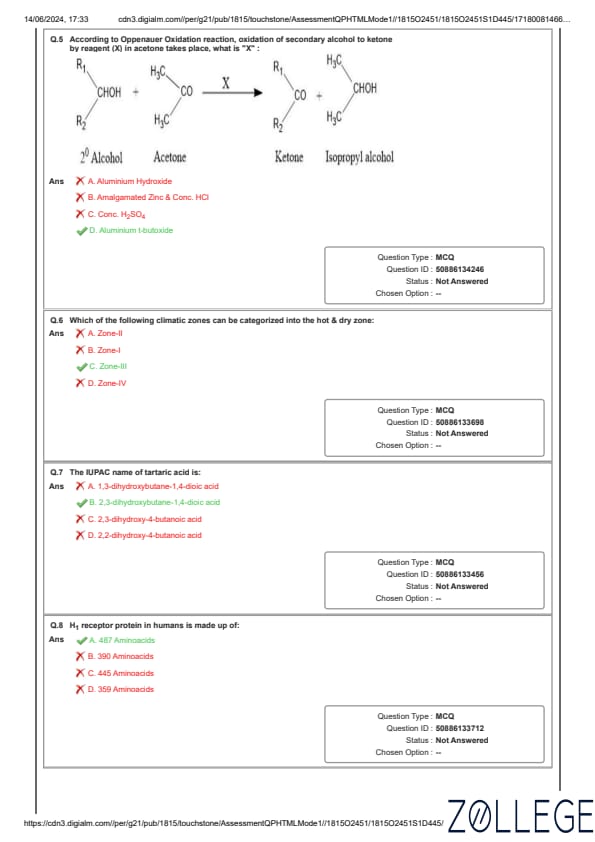
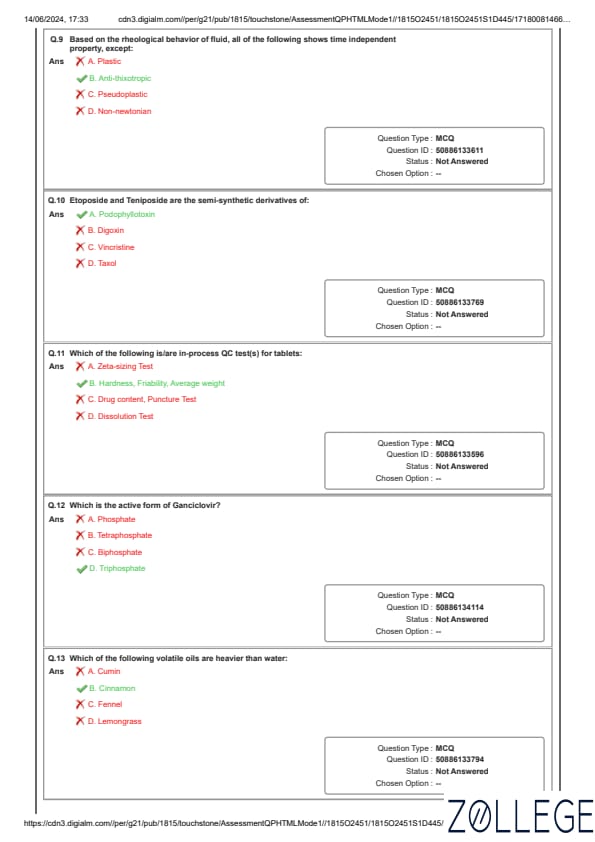
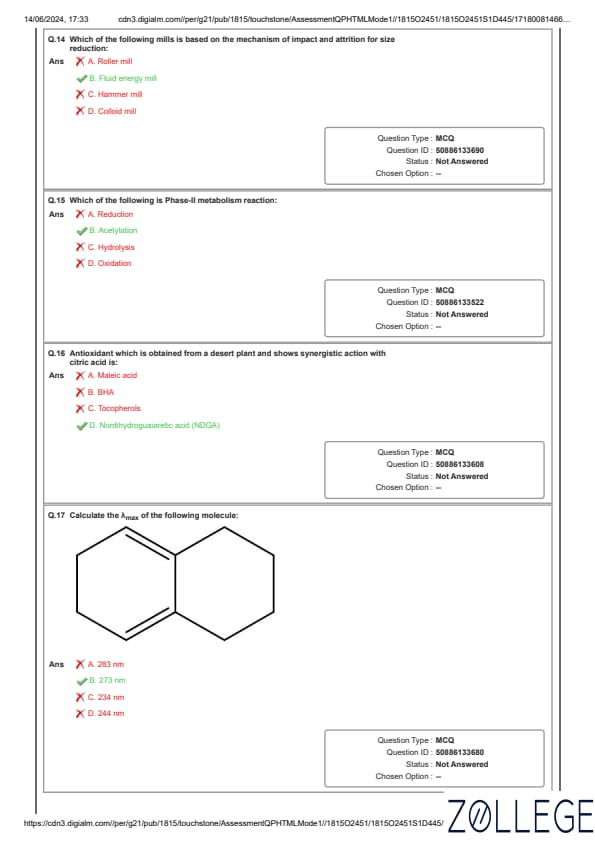
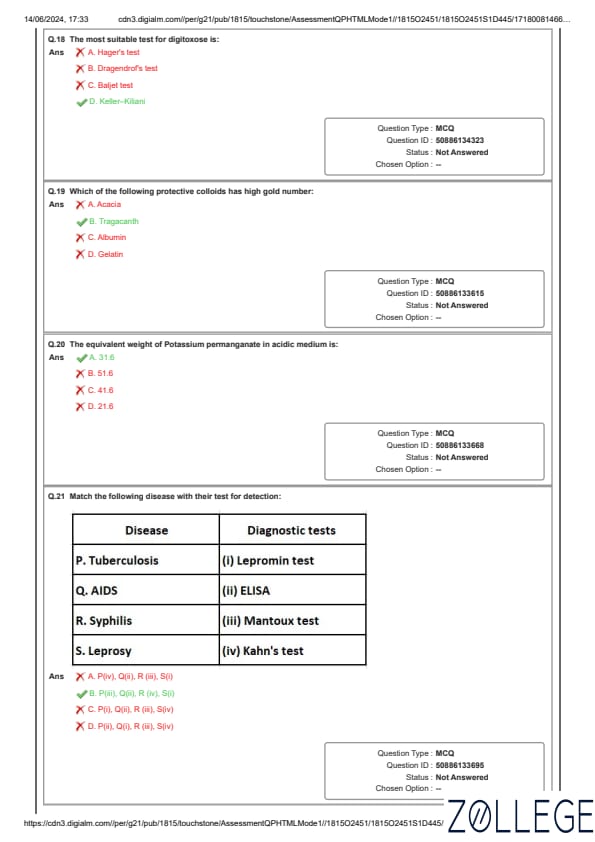
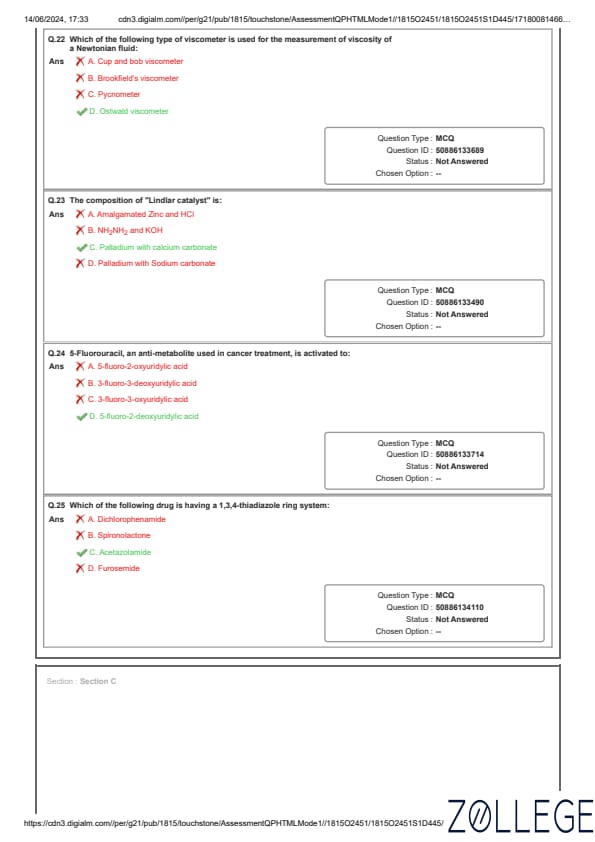
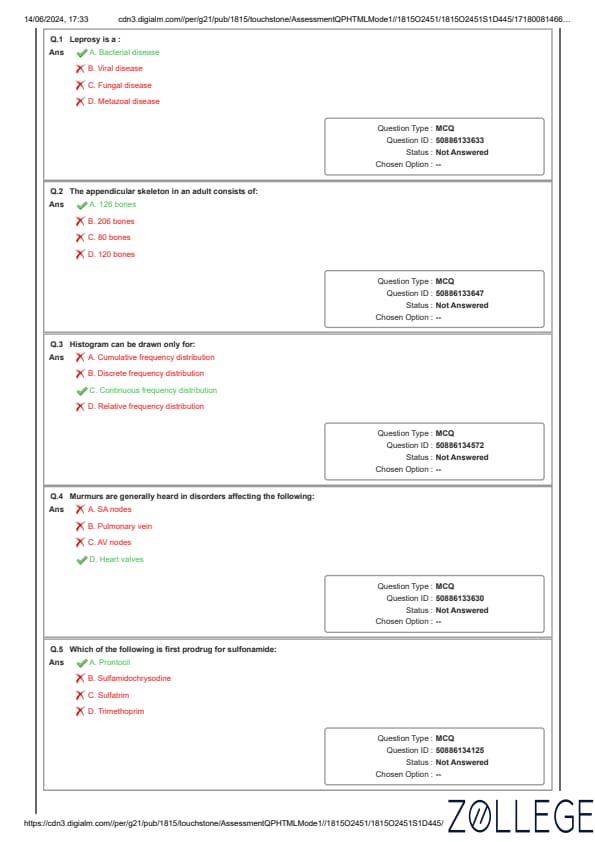
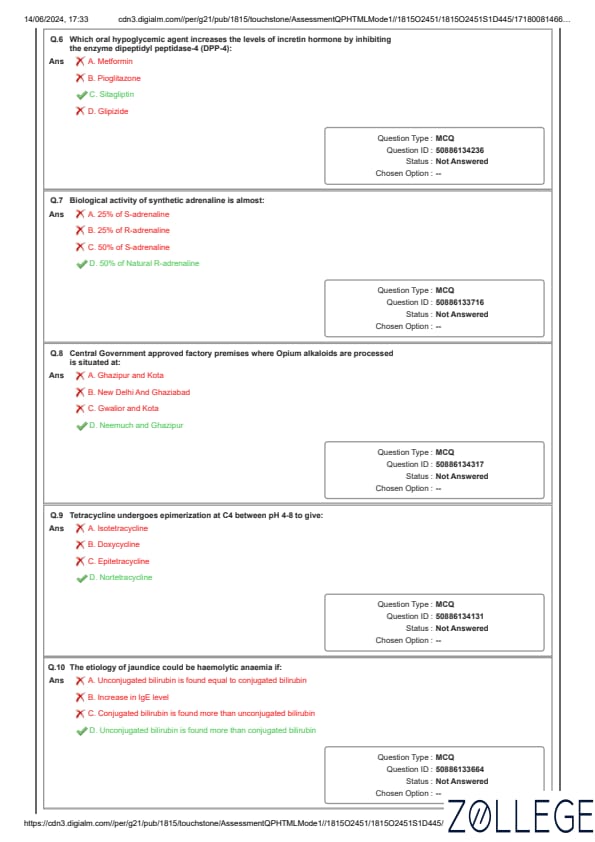
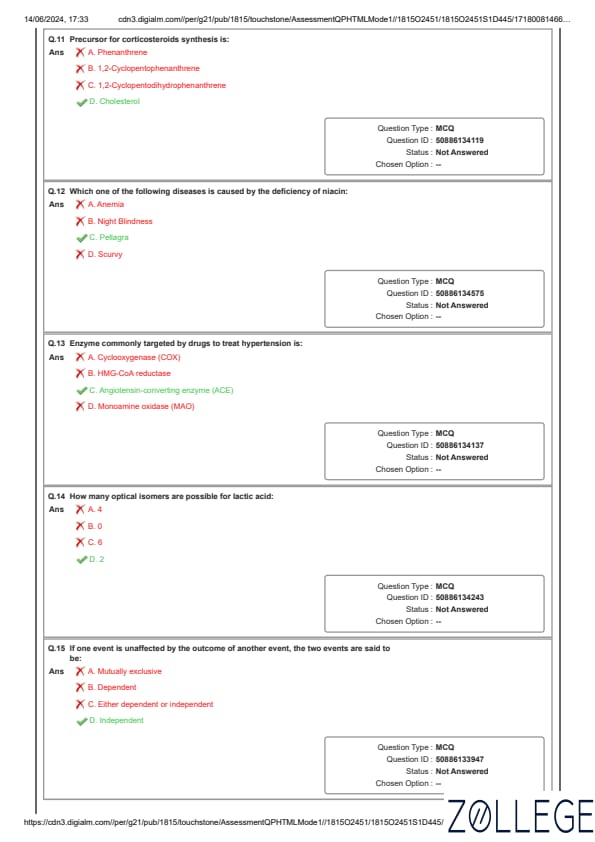
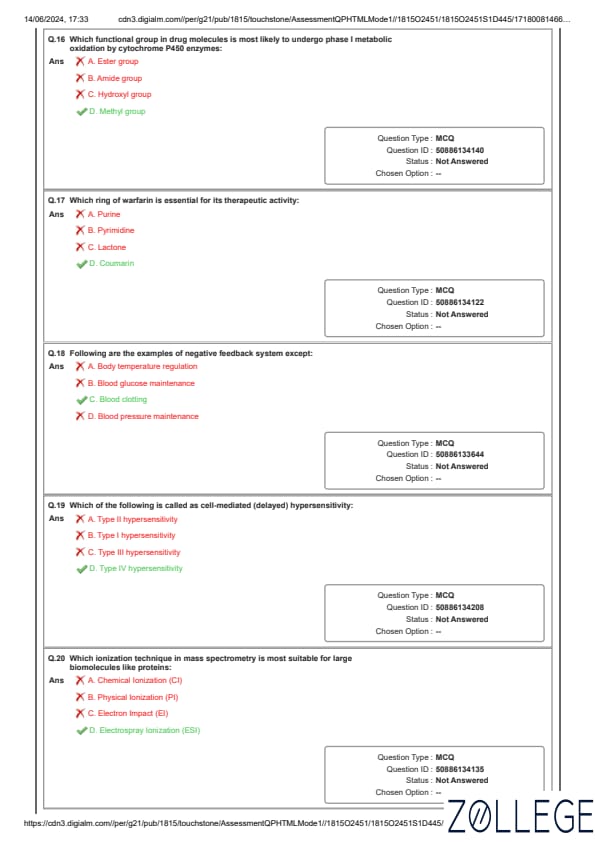
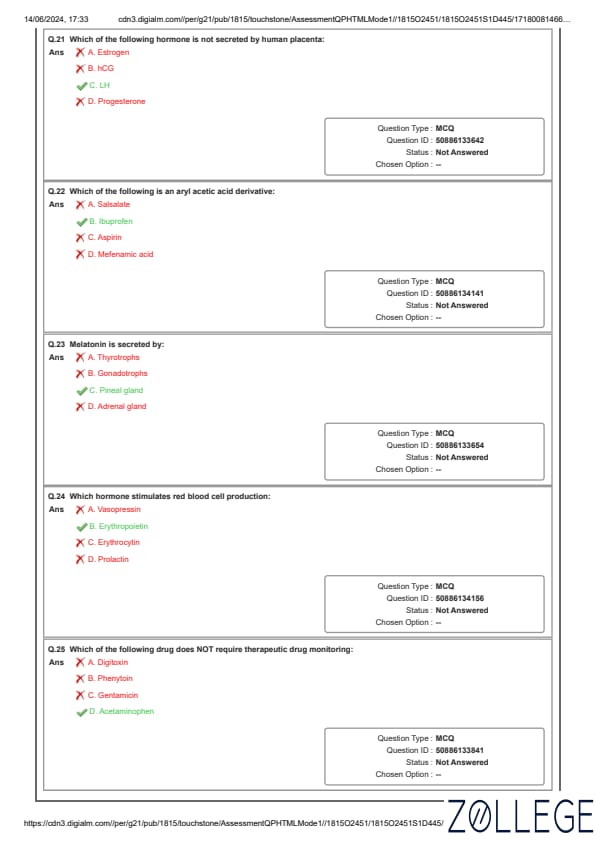
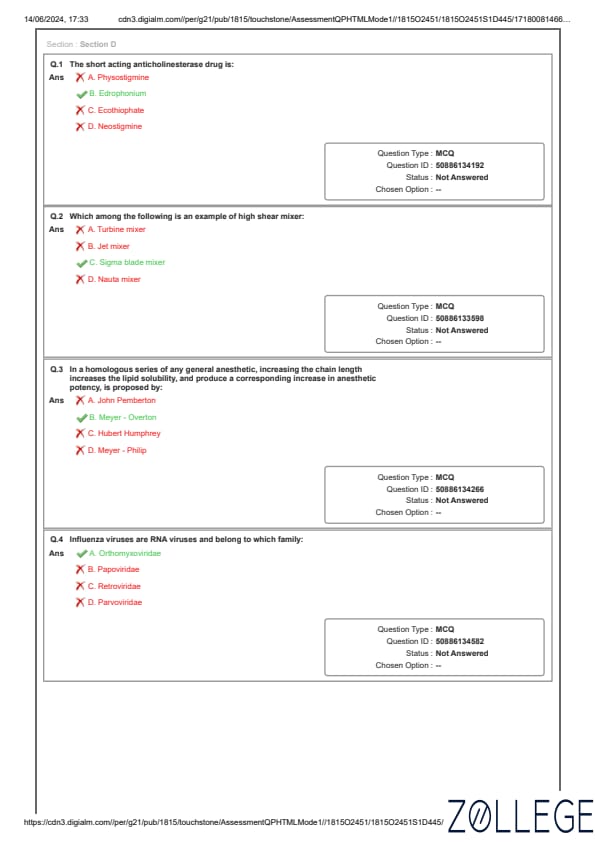
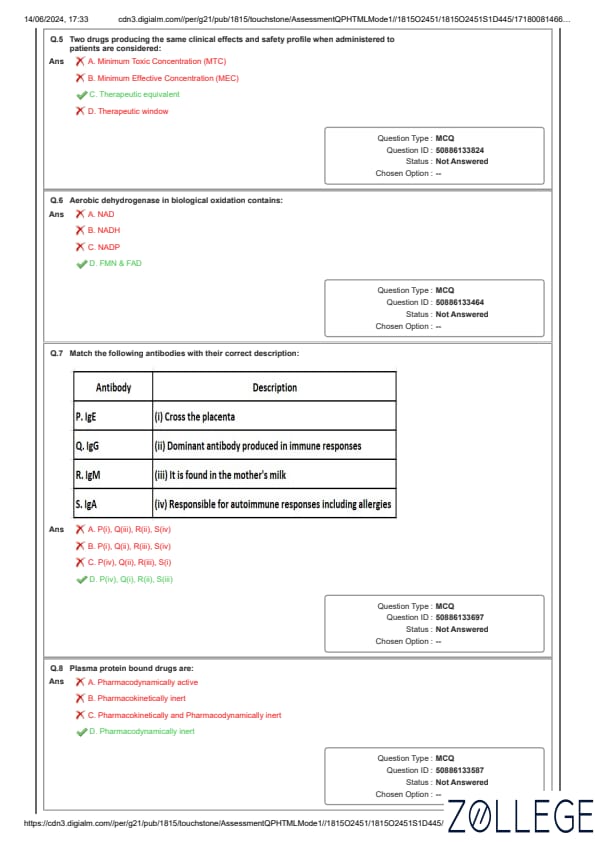
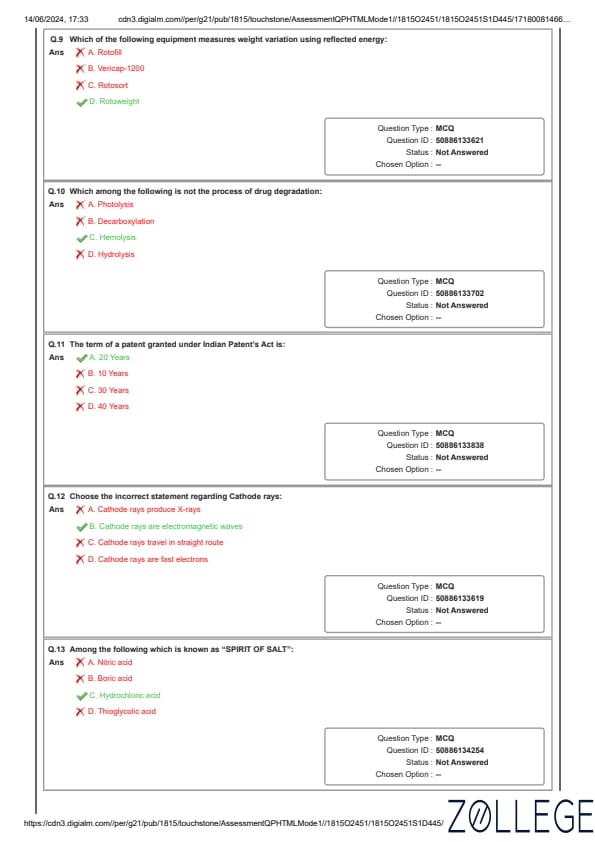
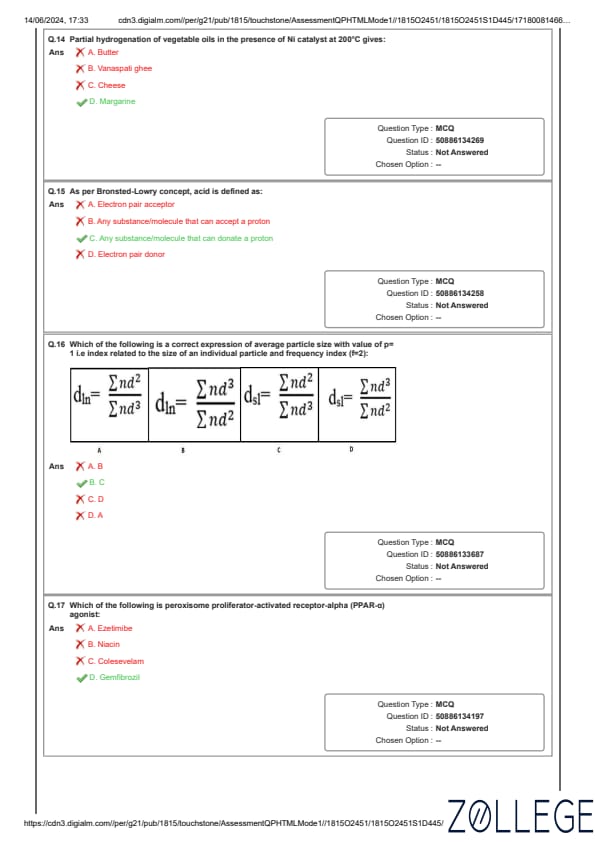
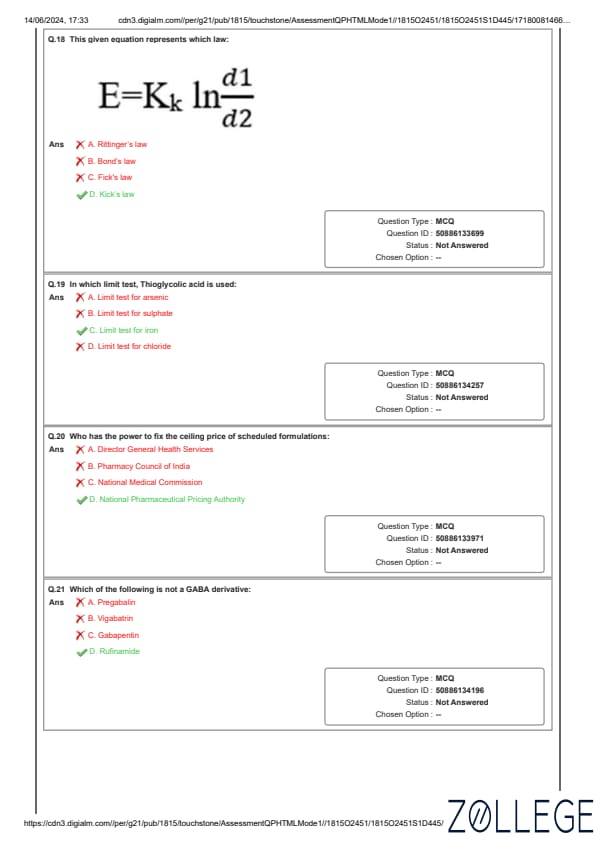
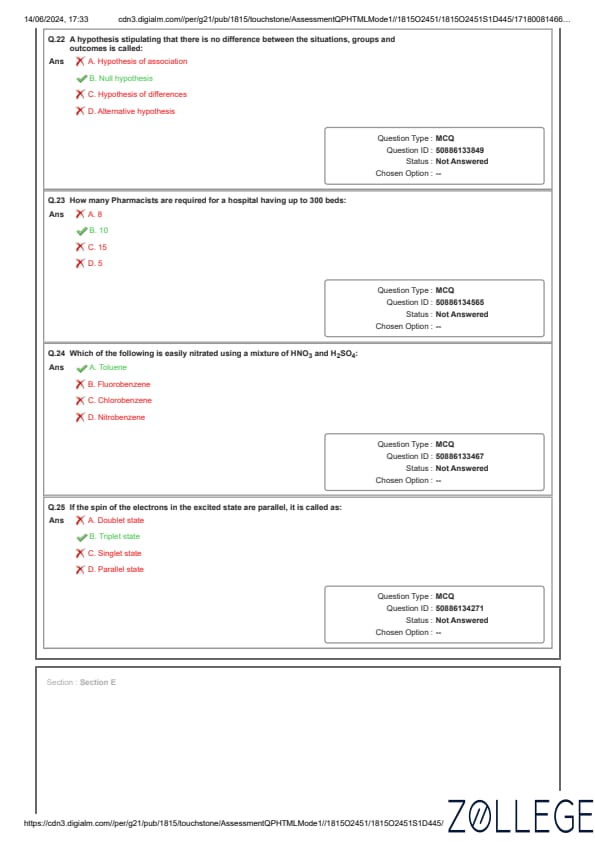
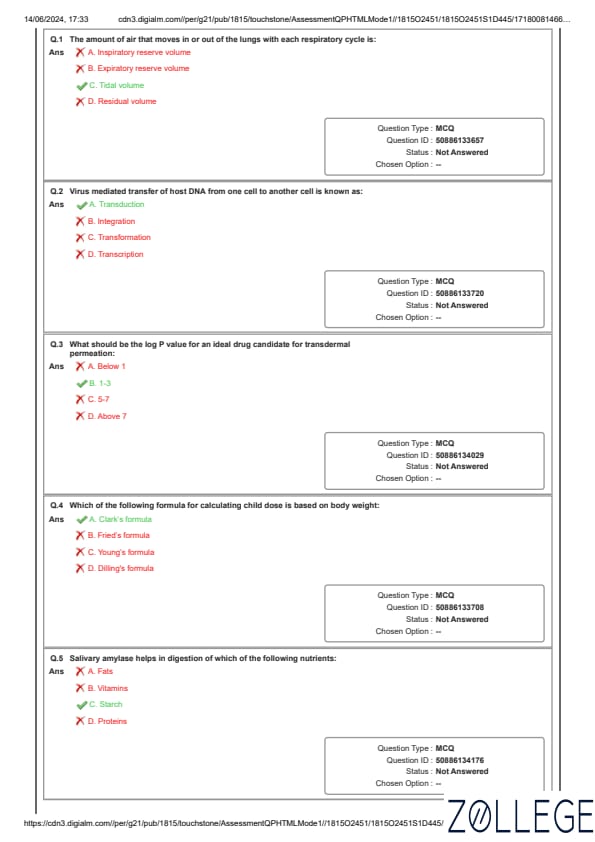
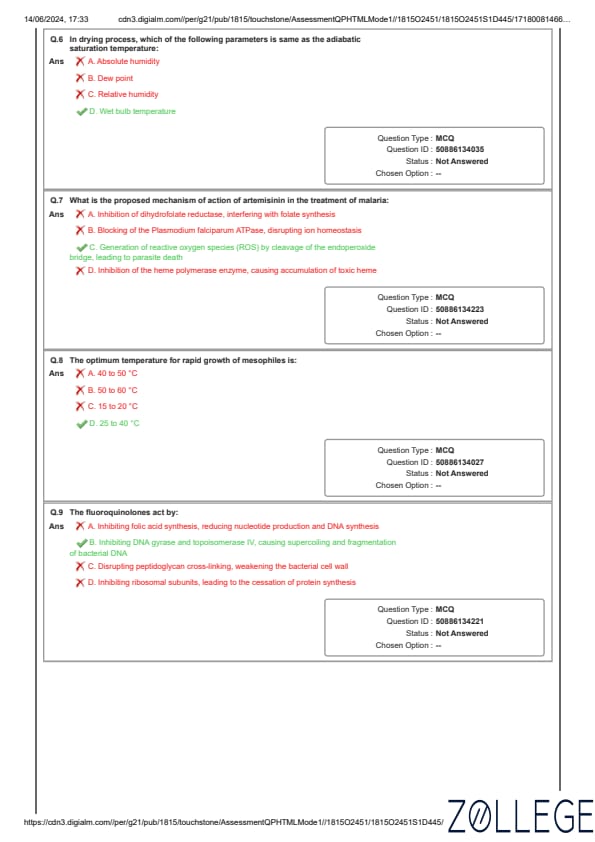
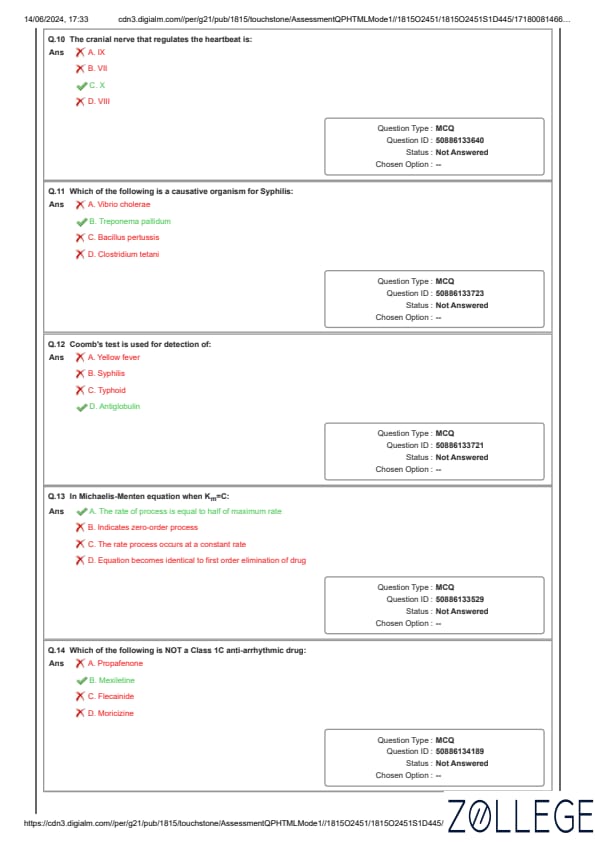
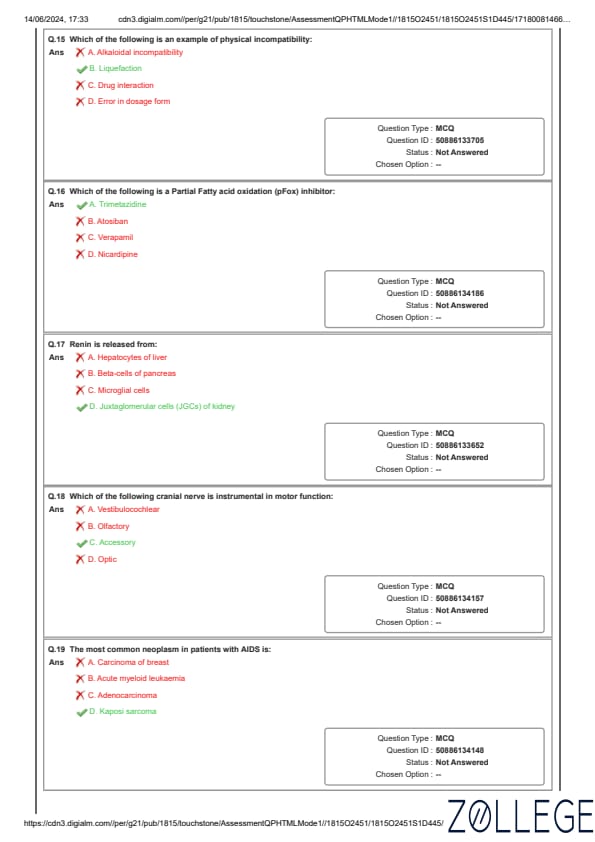
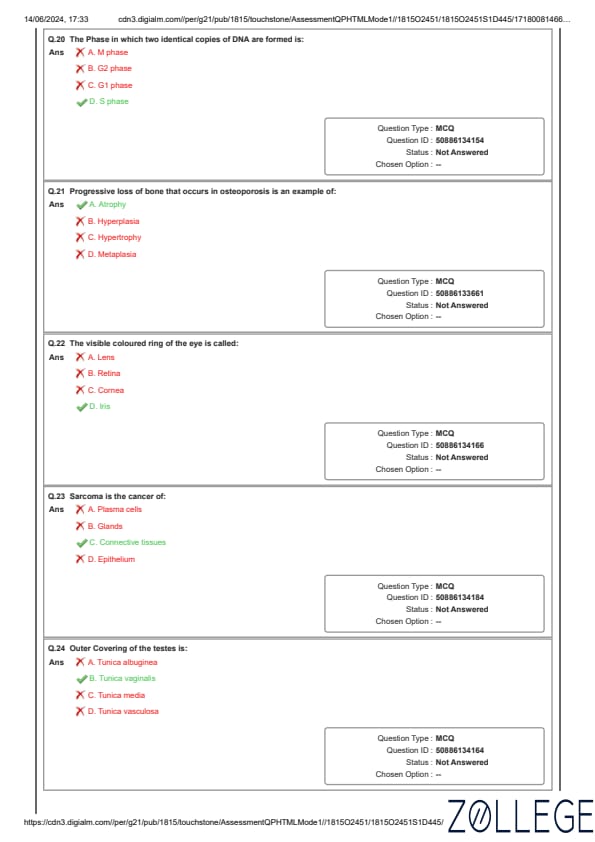

*The article might have information for the previous academic years, please refer the official website of the exam.