
UP Board Class 12 2024 Biology Question Paper PDF - Check Solutions with Answer key PDF (Code 348-GH)


Content Writer | Updated On - Feb 27, 2025
UP Board Class 12 Biology 2024 Question Paper (Code 348-GH) PDF is available for download. The exam, conducted by UPMSP in February 2024, was for 70 marks with a 3-hour 15-minute duration. According to initial feedback, the paper was of easy to moderate difficulty. The MCQs were easy, while the Short Answer and Long Answer sections were of moderate difficulty. Overall, students found the paper manageable and are expected to score well.
UP Board Class 12 Biology Question Paper 2024 (Code 348 GH) with Solutions
Candidates can use the link below to download the UP Board Class 12 Biology Question Paper with detailed solutions.
| UP Board Class 12 Biology Question Paper with Answer Key |  Download Download |
Check Solution |
![]()
UP Board Class 12 Biology Questions with Solutions

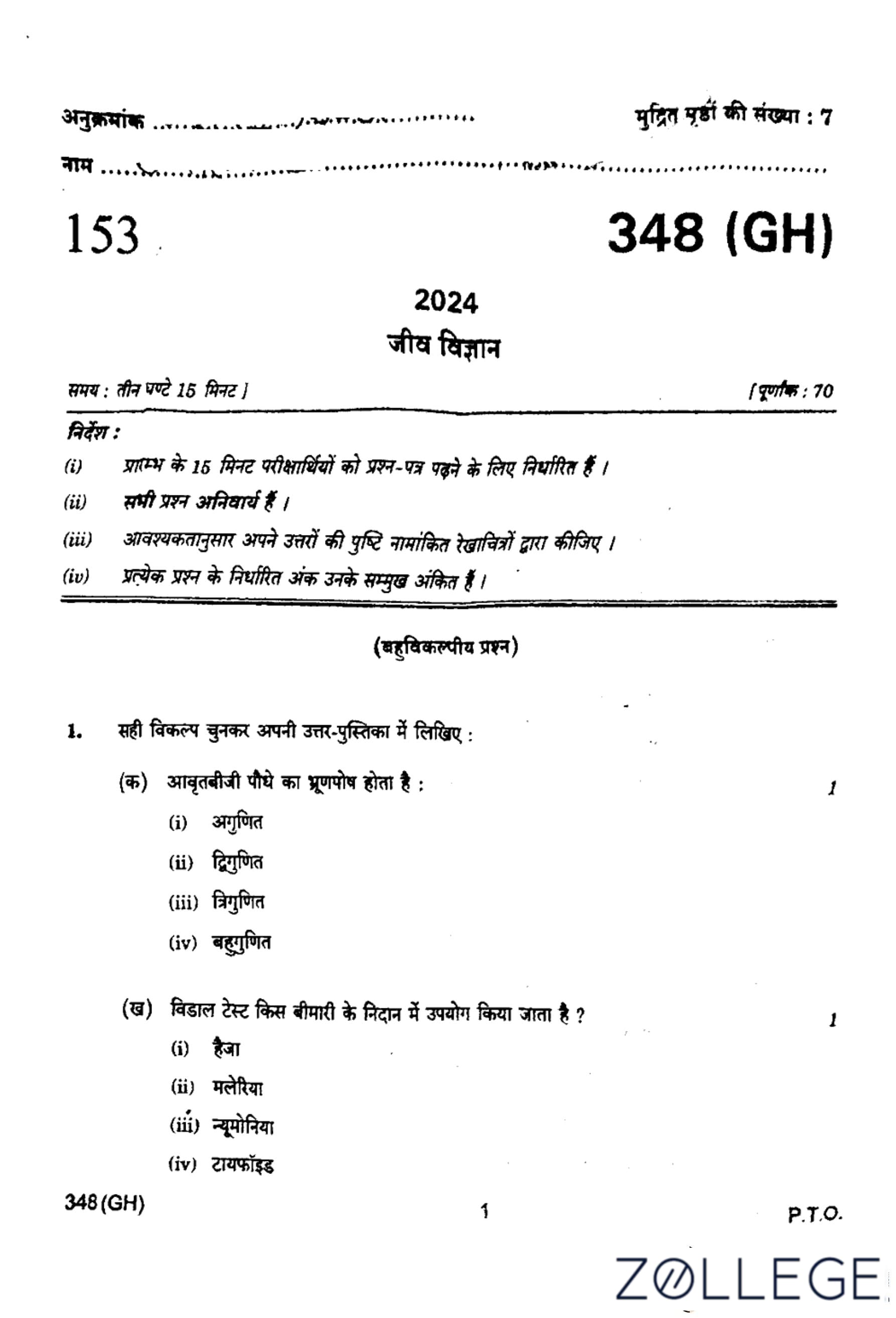
Multiple Choice Type Questions
Question 1(a):
The endosperm of an angiospermic plant is:
View Solution
Solution:
In angiosperms, the endosperm is formed through double fertilization. One sperm nucleus fertilizes the egg to form the zygote (diploid), while the other fuses with the two polar nuclei, forming a triploid (3n) endosperm, which nourishes the embryo.
Question 1(b):
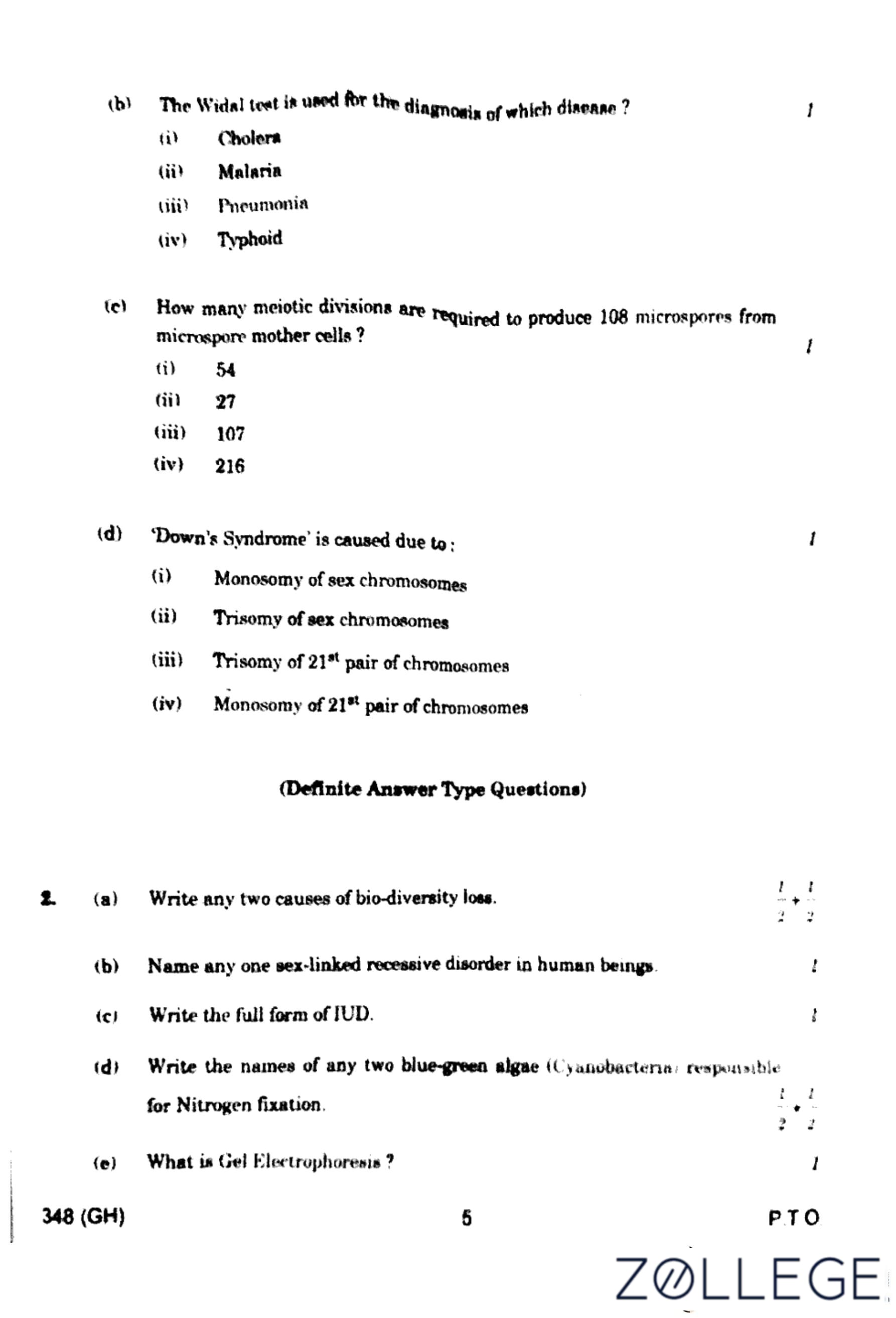
The Widal test is used for the diagnosis of which disease?
View Solution
Solution:
The Widal test detects antibodies in the blood against the bacteria Salmonella typhi, which causes typhoid fever. A significant rise in antibody levels confirms the infection.
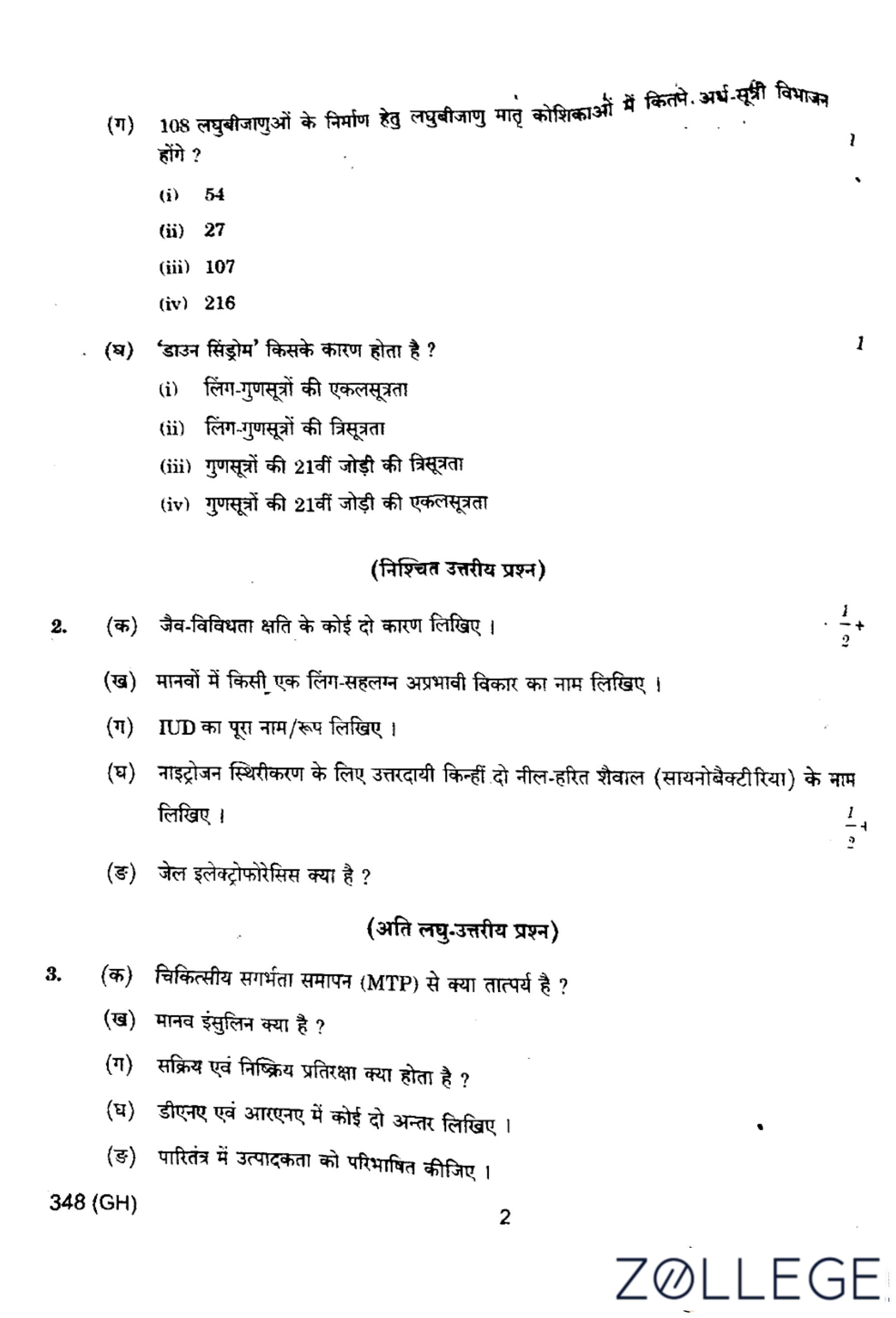
Question 1(c):
How many meiotic divisions are required to produce 108 microspores from microspore mother cells?
View Solution
Solution:
Each microspore mother cell undergoes meiosis to produce four haploid microspores. To produce 108 microspores, the number of meiotic divisions required is 108 ÷ 4 = 27.
Question 1(d):
'Down's Syndrome' is caused due to:
View Solution
Solution:
Down's Syndrome is a genetic disorder caused by the presence of an extra copy of chromosome 21, resulting in a total of 47 chromosomes instead of the normal 46.
Definite Answer Type Questions
Question 2(a):
Write any two causes of biodiversity loss.
View Solution
Solution:
Two major causes of biodiversity loss are:
1. Habitat destruction: Deforestation and urbanization lead to loss of natural habitats.
2. Pollution: Air, water, and soil pollution adversely affect ecosystems and species survival.
Question 2(b):
Name any one sex-linked recessive disorder in human beings.
View Solution
Solution:
Hemophilia is a genetic disorder where blood does not clot properly due to a deficiency of clotting factors. It is caused by a recessive gene located on the X chromosome.
Question 2(c):
Write the full form of IUD.
View Solution
Solution:
An IUD is a contraceptive device inserted into the uterus to prevent pregnancy by inhibiting sperm movement and egg fertilization.
Question 2(d):
Write the names of any two blue-green algae (Cyanobacteria) responsible for nitrogen fixation.
View Solution
Solution:
Cyanobacteria such as Anabaena and Nostoc are known for their ability to fix atmospheric nitrogen into usable forms for plants, enhancing soil fertility.
Question 2(e):
What is Gel Electrophoresis?
View Solution
Solution:
In gel electrophoresis, negatively charged DNA fragments move towards the positive electrode through an agarose gel, with smaller fragments moving faster than larger ones, allowing separation based on size.
Very Short Answer Type Questions
Question 3(a):
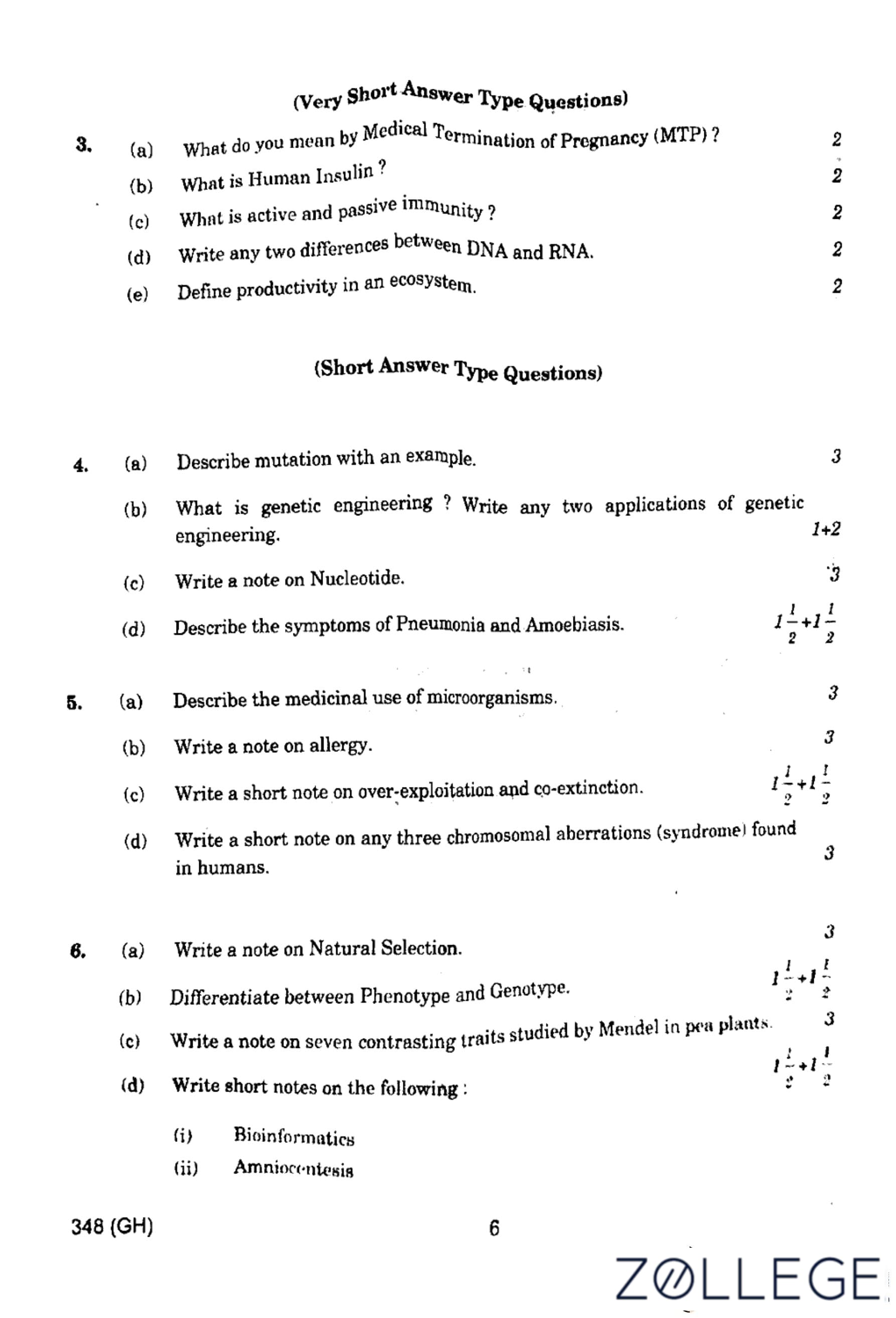
What do you mean by Medical Termination of Pregnancy (MTP)?
View Solution
Solution:
Medical Termination of Pregnancy (MTP) refers to the intentional termination of pregnancy using medical or surgical methods before the fetus can sustain independent life. MTP is performed to prevent unwanted pregnancies, in cases of fetal abnormalities, or when the pregnancy endangers the mother's health. It is regulated by legal and medical guidelines to ensure safety.
Question 3(b):
What is Human Insulin?
View Solution
Solution:
Human insulin is a hormone produced by the pancreas that regulates blood glucose levels by facilitating glucose uptake into cells. Human insulin can also be produced using recombinant DNA technology, where the insulin gene is inserted into bacterial cells to produce insulin artificially for diabetic patients.
Question 3(c):
What is active and passive immunity?
View Solution
Solution:
Active immunity: Immunity developed by the body after exposure to a pathogen or vaccination.
Passive immunity: Immunity acquired through the transfer of antibodies from another source, such as mother's milk or antibody injections. Active immunity provides long-term protection by stimulating the immune system, whereas passive immunity provides immediate but temporary protection without activating the immune system.
Question 3(d):
Write any two differences between DNA and RNA.
View Solution
Solution:
| DNA | RNA |
|---|---|
| Double-stranded structure | Single-stranded structure |
| Contains thymine (T) | Contains uracil (U) instead of thymine |
DNA is a stable molecule that stores genetic information, whereas RNA is involved in protein synthesis and other cellular functions.
Question 3(e):
Define productivity in an ecosystem.
View Solution
Solution:
Productivity in an ecosystem refers to the rate at which biomass or organic matter is produced by producers through photosynthesis. Ecosystem productivity is categorized into gross primary productivity (GPP), which is the total rate of photosynthesis, and net primary productivity (NPP), which is the energy remaining after respiratory losses.
Short Answer Type Questions
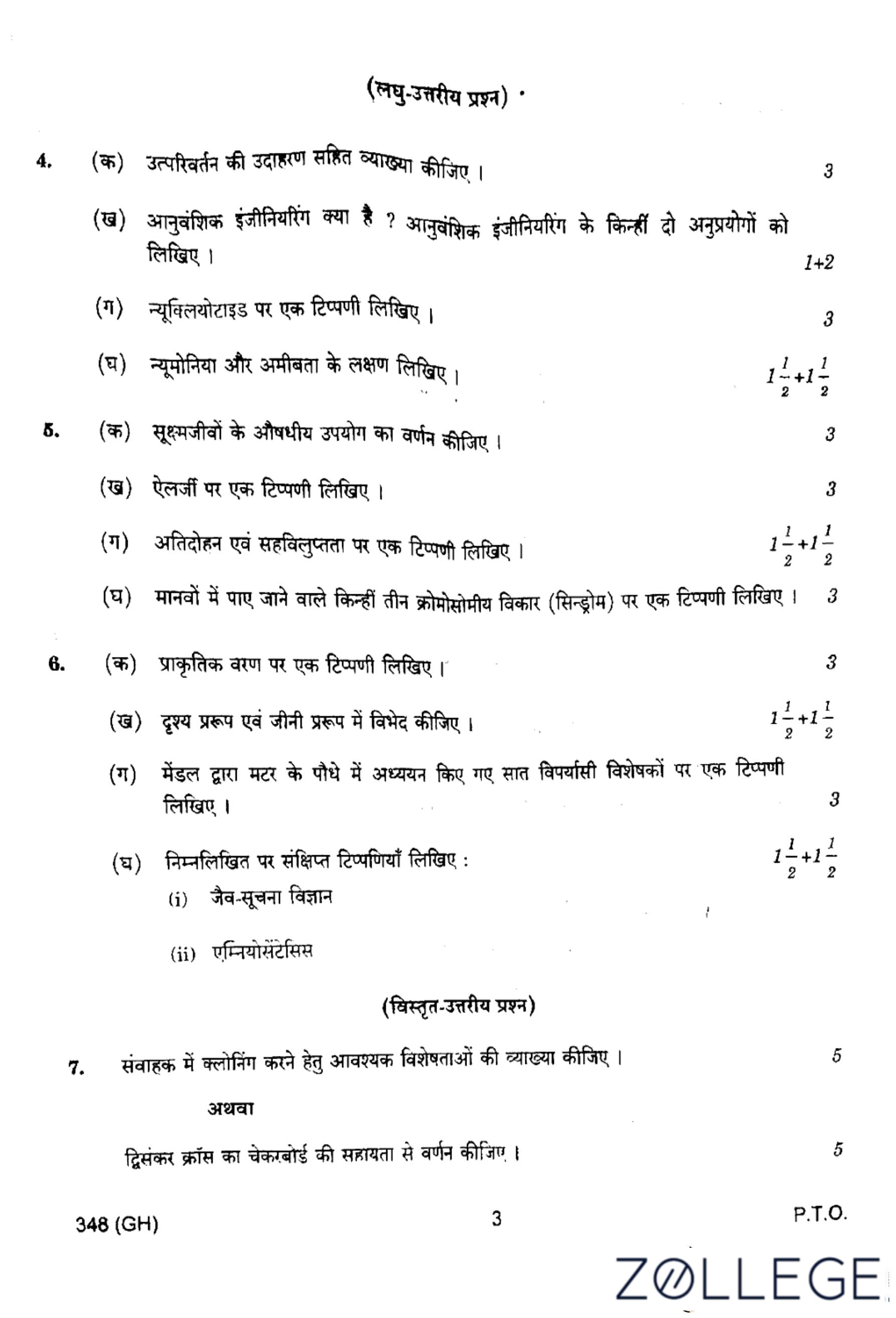
Question 4(a):
Describe mutation with an example.
View Solution
Solution:
Mutation is a sudden heritable change in the DNA sequence of an organism, which can lead to variations.
Example: Sickle cell anemia is caused by a point mutation in the hemoglobin gene, where adenine (A) is replaced by thymine (T), resulting in the production of abnormal hemoglobin.
Question 4(b):
What is genetic engineering? Write any two applications of genetic engineering.
View Solution
Solution:
Genetic engineering is the direct manipulation of an organism's genes using biotechnology to introduce desirable traits.
Applications:
• Production of genetically modified crops with higher yield and resistance.
• Synthesis of insulin using recombinant DNA technology for diabetes treatment.
Question 4(c):
Write a note on Nucleotide.
View Solution
Solution:
A nucleotide is the basic structural unit of nucleic acids (DNA and RNA), consisting of three components: a nitrogenous base, a sugar (deoxyribose or ribose), and a phosphate group.
Question 4(d):
Describe the symptoms of Pneumonia and Amoebiasis.
View Solution
Solution:
Pneumonia Symptoms:
• Difficulty in breathing and chest pain.
• Fever, chills, and persistent cough with mucus.
Amoebiasis Symptoms:
• Abdominal pain and diarrhea.
• Presence of blood and mucus in stools.
Question 5(a):
Describe the medicinal use of microorganisms.
View Solution
Solution:
Microorganisms are widely used in medicine to produce antibiotics, vaccines, and enzymes.
Examples:
• Penicillium produces the antibiotic penicillin.
• Bacteria like Lactobacillus are used in probiotic treatments.
Question 5(b):
Write a note on allergy.
View Solution
Solution:
An allergy is an overreaction of the immune system to harmless substances such as pollen, dust, or certain foods, leading to symptoms like sneezing, rashes, and difficulty in breathing.
Question 5(c):
Write a short note on over-exploitation and co-extinction.
View Solution
Solution:
Over-exploitation: Over-exploitation refers to the excessive use or harvesting of natural resources, such as plants, animals, minerals, or water, at a rate faster than they can be naturally replenished. This unsustainable practice often arises due to human activities like overfishing, deforestation, hunting, and illegal wildlife trade. Over-exploitation disrupts ecosystems, depletes biodiversity, and threatens the survival of many species. For example, overfishing has led to the collapse of several fish populations, while excessive logging has resulted in the loss of forest habitats. The consequences of over-exploitation extend beyond individual species, affecting entire ecosystems and the services they provide, such as clean air, water, and soil fertility.
Co-extinction: Co-extinction occurs when the extinction of one species leads to the extinction of another species that is dependent on it. This phenomenon highlights the intricate interdependence among organisms within ecosystems. For instance, if a plant species goes extinct, the pollinators (such as bees or butterflies) that rely exclusively on that plant for food may also face extinction. Similarly, the extinction of a host species can lead to the disappearance of parasites or symbiotic organisms associated with it. Co-extinction underscores the cascading effects of biodiversity loss and emphasizes the importance of conserving not just individual species but entire ecological networks.
Question 5(d):
Write a short note on any three chromosomal aberrations (syndromes) found in humans.
View Solution
Solution:
1. Down's Syndrome: Trisomy of chromosome 21, causing mental retardation and characteristic facial features.
2. Klinefelter's Syndrome: Males with an extra X chromosome (XXY), leading to reduced fertility and feminine characteristics.
3. Turner's Syndrome: Females with a single X chromosome (XO), leading to short stature and lack of sexual development.
Question 6(a):
Write a note on Natural Selection.
View Solution
Solution:
Natural Selection is a fundamental mechanism of evolution, first articulated by Charles Darwin in the 19th century. It explains how species evolve over time through the differential survival and reproduction of individuals with advantageous traits. The process of natural selection is often summarized as "survival of the fittest,” where "fitness” refers to an organism's ability to survive and reproduce in a given environment.
Question 6(b):
Differentiate between Phenotype and Genotype.
View Solution
Solution:
| Phenotype | Genotype |
|---|---|
| Observable physical traits | Genetic makeup of an organism |
| Affected by environmental factors | Determined by inherited genes |
| Example: Tall or short plant | Example: TT, Tt, or tt |
Phenotype refers to the visible characteristics of an organism, while genotype represents the genetic code that determines those traits.
Question 6(c):
Write a note on seven contrasting traits studied by Mendel in pea plants.
View Solution
Solution:
Gregor Mendel studied seven contrasting traits in pea plants:
1. Plant height: Tall (T) vs Dwarf (t)
2. Flower position: Axial (A) vs Terminal (a)
3. Pod shape: Inflated (I) vs Constricted (i)
4. Pod color: Green (G) vs Yellow (g)
5. Seed shape: Round (R) vs Wrinkled (r)
6. Seed color: Yellow (Y) vs Green (y)
7. Flower color: Purple (P) vs White (p)
Mendel selected these traits because they exhibited clear dominant and recessive characteristics and followed predictable inheritance patterns.
Question 6(d):
Write short notes on the following:
(i) Bioinformatics
View Solution
Solution:
Bioinformatics is an interdisciplinary field that uses computational tools to analyze and interpret biological data, such as DNA sequences and protein structures. Bioinformatics plays a crucial role in genome sequencing, evolutionary biology, and personalized medicine by providing insights into genetic data through software applications.
(ii) Amniocentesis
View Solution
Solution:
Amniocentesis is a prenatal diagnostic technique used to detect genetic disorders in the fetus by analyzing amniotic fluid. A small sample of amniotic fluid is extracted from the uterus using a needle to analyze fetal cells for chromosomal abnormalities such as Down's syndrome.
Long Answer Type Questions
Question 7:
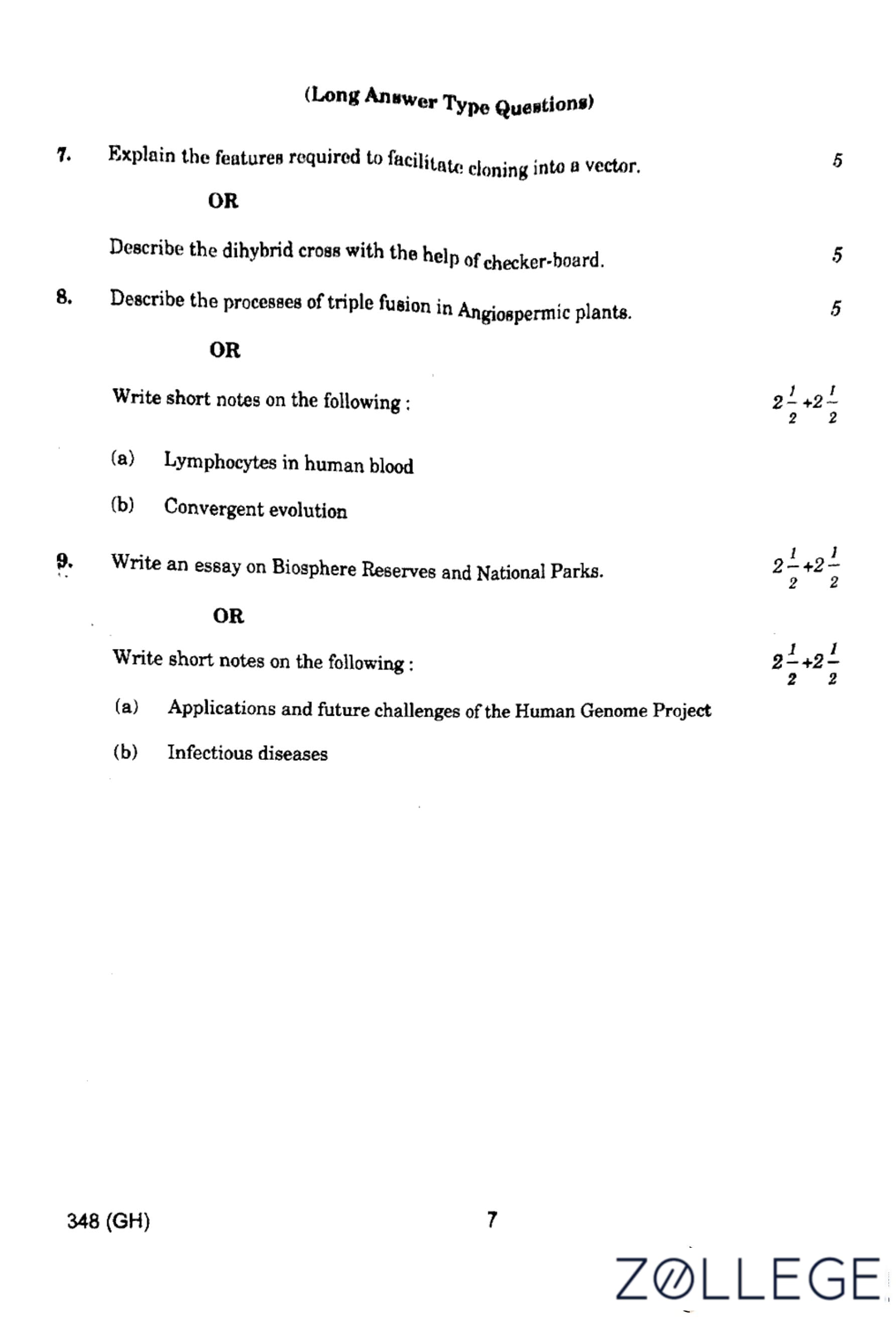
Explain the features required to facilitate cloning into a vector.
View Solution
Solution:
A cloning vector must possess specific features to efficiently introduce foreign DNA into host cells for replication and expression.
Key features of a cloning vector:
1. Origin of replication (Ori): Ensures self-replication within the host cell.
2. Selectable marker: Allows identification of recombinant cells (e.g., antibiotic resistance genes).
3. Multiple cloning sites (MCS): Contains restriction enzyme recognition sites for insertion of foreign DNA.
4. Promoter and terminator sequences: Regulate gene expression within the host.
OR
Describe the dihybrid cross with the help of a checker-board.
View Solution
Solution:
A dihybrid cross studies the inheritance of two different traits simultaneously. According to Mendel's law of independent assortment, the alleles for different traits segregate independently during gamete formation.
Example: Cross between a pea plant with round yellow seeds (RRYY) and one with wrinkled green seeds (rryy).
| RY | Ry | rY | ry | |
|---|---|---|---|---|
| RY | RRYY | RRYy | RrYY | RrYy |
| Ry | RRYy | RRyy | RrYy | |
| Ry | RRYy | RRyy | RrYy | Rryy |
| rY | RrYY | RrYy | rrYY | rrYy |
| ry | RrYy | Rryy | rrYy | rryy |
The phenotypic ratio obtained is 9:3:3:1.
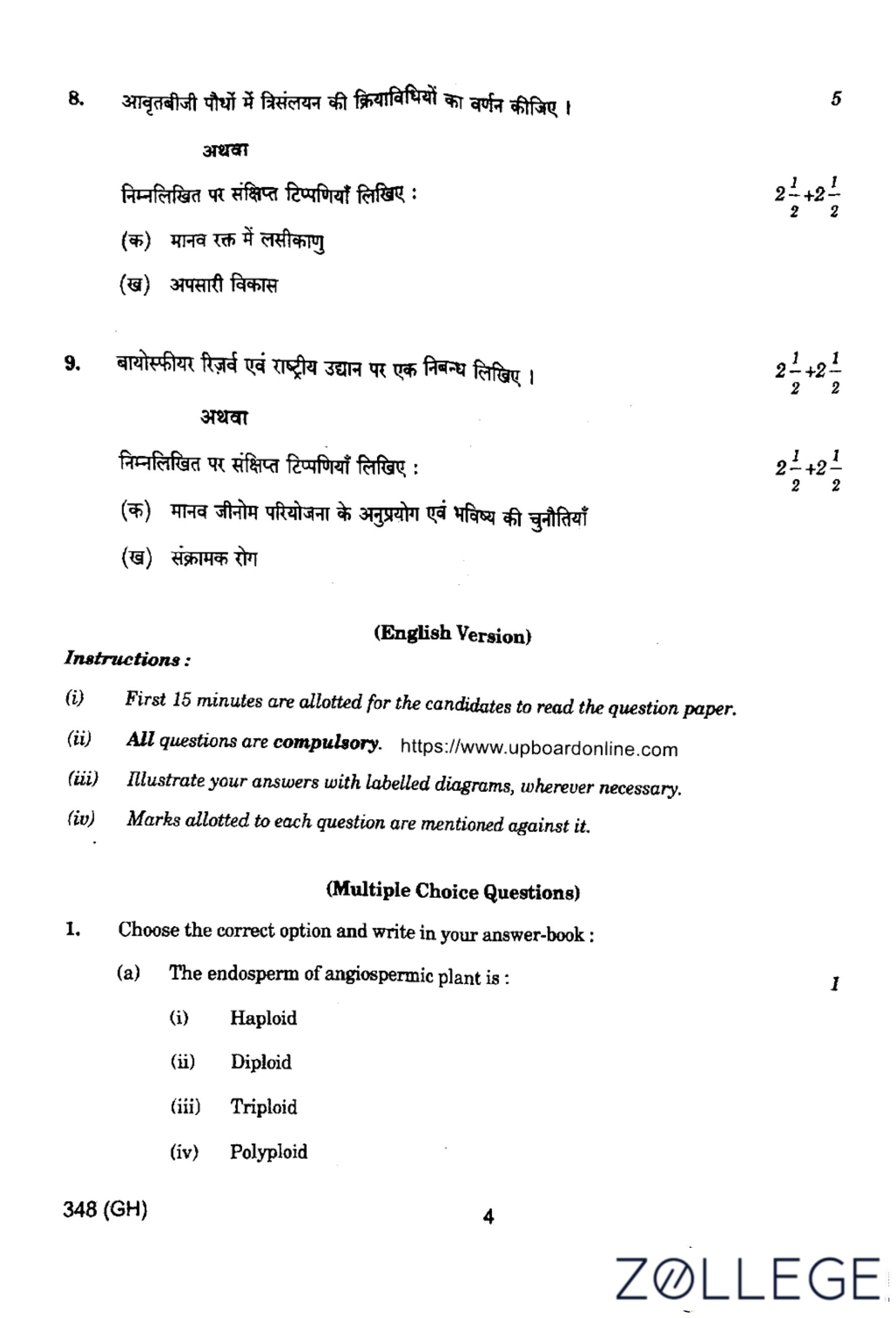
Question 8:
Describe the processes of triple fusion in angiospermic plants.
View Solution
Solution:
Triple fusion is a key process in the fertilization of angiosperms, where one sperm nucleus fuses with two polar nuclei to form a triploid (3n) endosperm.
Steps of triple fusion:
1. Pollen tube releases two male gametes into the embryo sac.
2. One sperm fertilizes the egg, forming the diploid zygote.
3. The other sperm fuses with two polar nuclei, forming the triploid primary endosperm nucleus (PEN).
4. The endosperm nourishes the developing embryo.
OR
Write short notes on the following:
(a) Lymphocytes in human blood
View Solution
Solution:
Lymphocytes are a type of white blood cells (WBCs) that play a crucial role in immune responses. They are of two types:
• B-lymphocytes: Produce antibodies to fight infections.
• T-lymphocytes: Help in cell-mediated immunity by destroying infected cells.
(b) Convergent evolution
View Solution
Solution:
Convergent evolution occurs when unrelated species evolve similar traits due to adaptation to similar environmental conditions.
Example: Wings of birds and bats serve the same function but evolved independently.
Question 9:
Write an essay on Biosphere Reserves and National Parks.
View Solution
Solution:
Biosphere Reserves:
Biosphere reserves are designated areas aimed at conserving biodiversity, promoting research, and supporting sustainable development. They consist of three zones:
• Core Zone: Fully protected, with no human interference.
• Buffer Zone: Limited human activity is allowed for research and education.
• Transition Zone: Sustainable human activities like agriculture are encouraged.
Examples in India include the Nilgiri Biosphere Reserve and Sundarbans Biosphere Reserve.
National Parks:
National parks are protected areas established by governments to conserve wildlife and natural habitats. Activities like hunting, grazing, and deforestation are strictly prohibited. Some notable national parks in India are Jim Corbett National Park and Kaziranga National Park.
Importance of Biosphere Reserves and National Parks:
• Conservation of flora and fauna.
• Protection of endangered species.
• Promotion of ecotourism and research.
OR
Write short notes on the following:
(a) Applications and future challenges of the Human Genome Project
View Solution
Solution:
Applications:
• Identification of disease-causing genes and development of targeted therapies.
• Advances in personalized medicine and genetic counseling.
• Understanding human evolution and migration patterns.
• Improvement in forensic science through DNA fingerprinting.
Future Challenges:
• Ethical concerns regarding genetic privacy and discrimination.
• High costs associated with genome sequencing and data analysis.
• Managing the vast amount of genomic data effectively.
(b) Infectious diseases
View Solution
Solution:
Infectious diseases are caused by pathogenic microorganisms such as bacteria, viruses, fungi, and parasites. They can spread from one person to another through air, water, direct contact, or vectors.
Examples of infectious diseases:
• Bacterial: Tuberculosis (caused by Mycobacterium tuberculosis)
• Viral: Influenza (caused by influenza virus)
• Parasitic: Malaria (caused by Plasmodium)
Prevention and Control:
• Maintaining proper hygiene and sanitation.
• Vaccination to provide immunity against infections.
• Proper use of antibiotics and antiviral drugs under medical supervision.
*The article might have information for the previous academic years, please refer the official website of the exam.