
UP Board Class 12 2024 Biology Question Paper PDF - Check Solutions with Answer key PDF (Code 348-GJ)


Content Writer | Updated On - Feb 24, 2025
UP Board Class 12 Biology 2024 Question Paper (Code 348-GJ) PDF is available for download. The exam, conducted by UPMSP in February 2024, was for 70 marks with a 3-hour 15-minute duration. According to initial feedback, the paper was of easy to moderate difficulty. The MCQs were easy, while the Short Answer and Long Answer sections were of moderate difficulty. Overall, students found the paper manageable and are expected to score well.
UP Board Class 12 Biology Question Paper 2024 with Solutions (Code 348 GJ)
Candidates can use the link below to download the UP Board Class 12 Biology Question Paper with detailed solutions.
| UP Board Class 12 Biology Question Paper with Answer Key |  Download Download |
Check Solution |
![]()
UP Board Class 12 Biology Questions with Solutions

Multiple Choice Type Questions
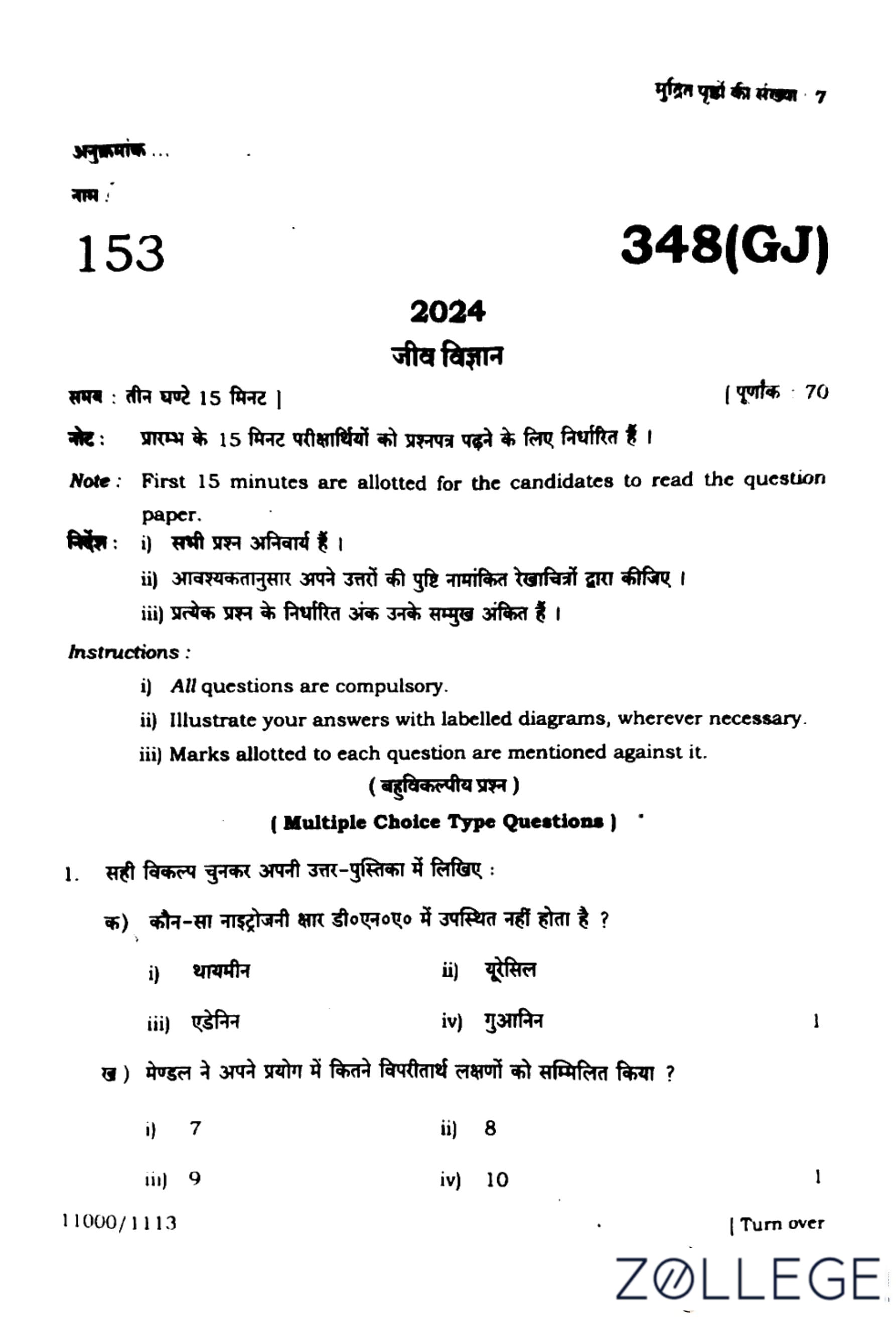
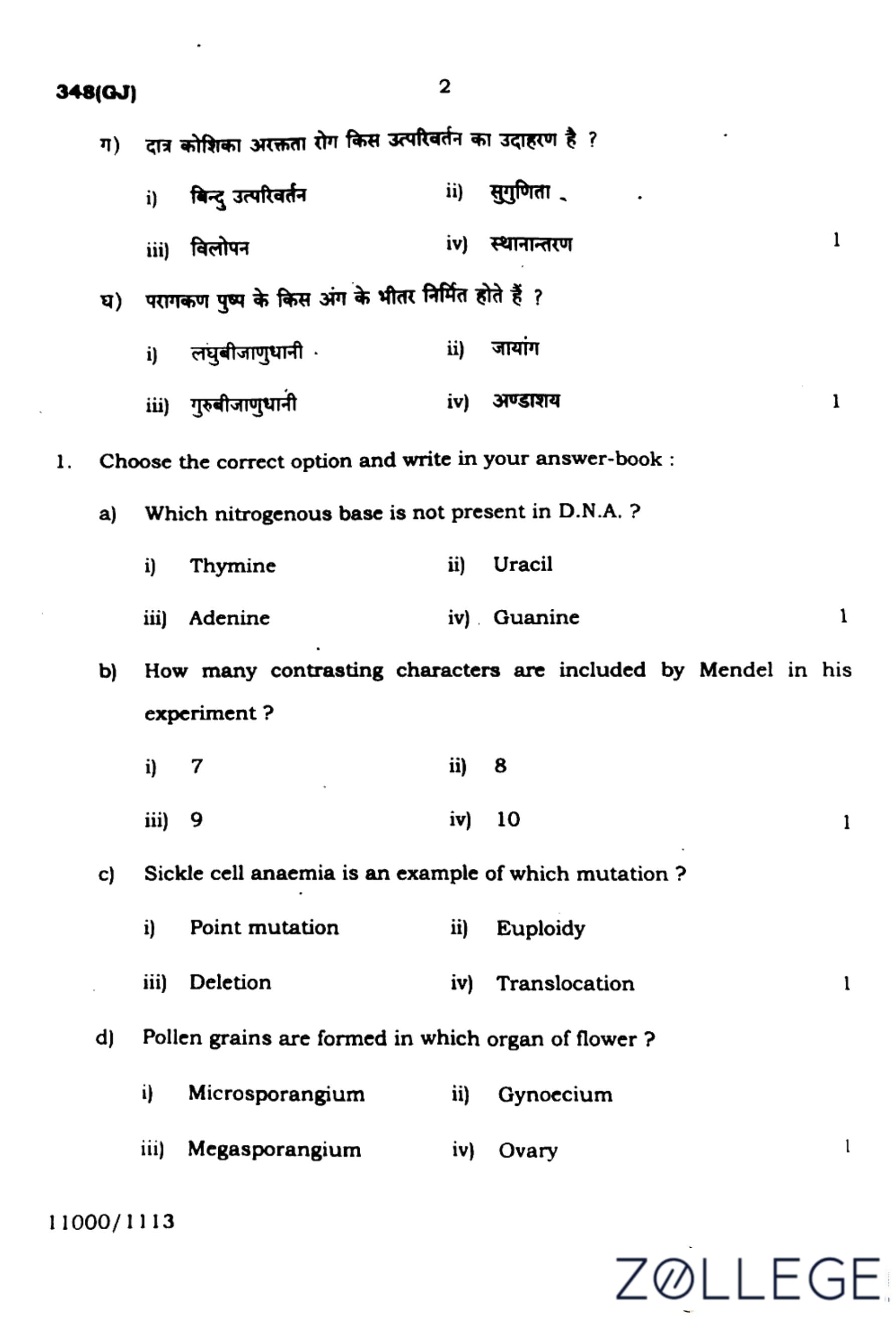
Question 1 (a):
Which nitrogenous base is not present in DNA?
View Solution
Solution: Uracil is found in RNA instead of thymine. In DNA, the four nitrogenous bases are adenine (A), thymine (T), cytosine (C), and guanine (G).
Question 1 (b):
How many contrasting characters were included by Mendel in his experiment?
View Solution
Solution: Mendel studied seven contrasting traits in pea plants, including seed shape, seed color, flower color, flower position, pod shape, pod color, and plant height.
Question 1 (c):
Sickle cell anemia is an example of which type of mutation?
View Solution
Solution: Sickle cell anemia is caused by a point mutation in the beta-globin gene, where a single nucleotide substitution (adenine to thymine) results in the production of abnormal hemoglobin.
Question 1 (d):
Pollen grains are formed in which organ of the flower?
View Solution
Solution: Pollen grains are produced in the microsporangium, which is located inside the anther of the stamen in a flower. The microspore mother cells undergo meiosis to form haploid pollen grains.
Very Short Answer Type Questions
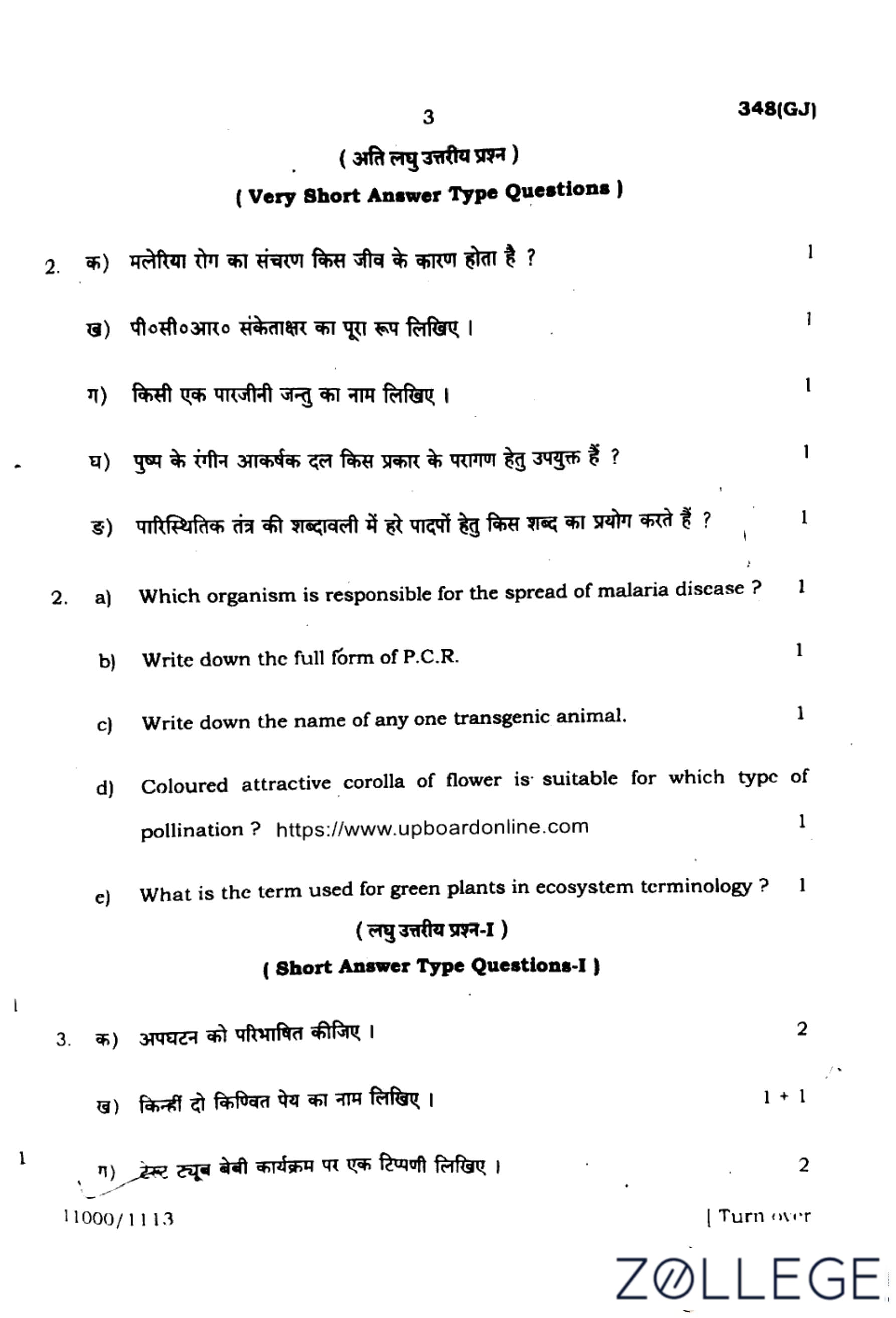
Question 2 (a):
Which organism is responsible for the spread of malaria disease?
View Solution
Solution: Malaria is caused by the Plasmodium parasite, which is transmitted to humans through the bite of an infected female Anopheles mosquito.
Question 2 (b):
Write down the full form of PCR.
View Solution
Solution: PCR is a widely used technique in molecular biology for amplifying small segments of DNA. It allows researchers to produce millions or billions of copies of a specific DNA sequence in a short period of time, making it invaluable for applications such as genetic research, medical diagnostics, forensic analysis, and biotechnology.
Question 2 (c):
Write down the name of any one transgenic animal.
View Solution
Solution: Dolly was the first transgenic sheep produced using somatic cell nuclear transfer (SCNT), demonstrating the feasibility of cloning in mammals.
Question 2 (d):
Coloured attractive corolla of flower is suitable for which type of pollination?
View Solution
Solution: Brightly coloured corollas attract insects such as bees and butterflies, which aid in pollination by transferring pollen from one flower to another.
Question 2 (e):
What is the term used for green plants in ecosystem terminology?
View Solution
Solution: Green plants are called producers because they synthesize their own food through photosynthesis using sunlight, carbon dioxide, and water.
Short Answer Type Questions - I
Question 3 (a):
Define decomposition.
View Solution
Solution: Decomposition is the process by which complex organic matter is broken down into simpler substances by decomposers such as bacteria and fungi. Decomposition plays a vital role in nutrient cycling by converting organic matter into inorganic nutrients, making them available for plant uptake.
Question 3 (b):
Write down the names of any two fermented beverages.
View Solution
Solution: Two examples of fermented beverages are: 1. Wine 2. Beer
Question 3 (c):
Write a note on the test tube baby programme.
View Solution
Solution: The test tube baby programme refers to In Vitro Fertilization (IVF), where fertilization occurs outside the female body in a laboratory. In IVF, an egg is fertilized by sperm in a lab, and the resulting embryo is implanted into the woman's uterus. This technique is used to assist couples facing infertility issues.
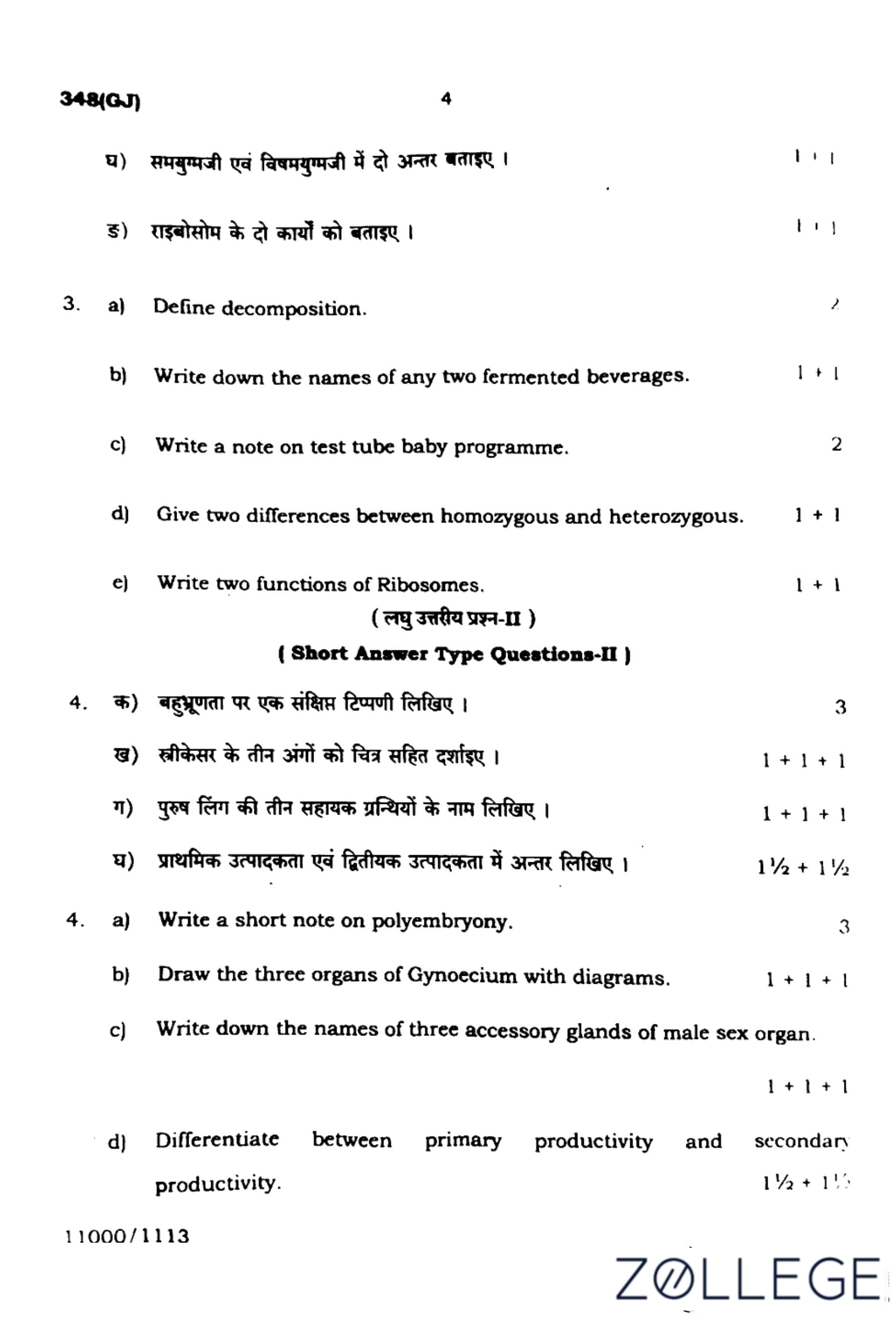
Question 3 (d):
Give two differences between homozygous and heterozygous.
View Solution
Solution:
| Homozygous | Heterozygous |
|---|---|
| Contains identical alleles (AA or aa) | Contains different alleles (Aa) |
| Results in pure traits | Results in hybrid traits |
Question 3 (e):
Write two functions of ribosomes.
View Solution
Solution: Two important functions of ribosomes are: 1. Synthesis of proteins by translating mRNA sequences. 2. Facilitating the assembly of amino acids into polypeptides.
Short Answer Type Questions – II
Question 4 (a):
Write a short note on polyembryony.
View Solution
Solution: Polyembryony is the phenomenon of the development of multiple embryos within a single seed. It can occur naturally in certain plant species such as citrus and mango, as well as in some animals like armadillos. Polyembryony can be of three types:
1. Simple Polyembryony: Occurs due to the cleavage of the zygote.
2. Multiple Polyembryony: Due to the presence of multiple embryo sacs in an ovule.
3. Adventive Polyembryony: When embryos arise from somatic cells outside the embryo sac.
Question 4 (b):
Draw the three organs of gynoecium with diagrams.
View Solution
Solution: The gynoecium consists of three main parts:
1. Stigma: The receptive surface for pollen grains.
2. Style: The slender stalk that connects stigma to ovary.
3. Ovary: Contains ovules which develop into seeds after fertilization.
Question 4 (c):
Write down the names of three accessory glands of the male sex organ.
View Solution
Solution: The three accessory glands of the male reproductive system are:
Seminal Vesicles
These glands produce a significant portion of the fluid that makes up semen. The secretion is rich in fructose, which provides energy for sperm, and other substances like prostaglandins that aid in sperm motility and viability.
Prostate Gland
The prostate gland secretes a milky, alkaline fluid that helps neutralize the acidic environment of the female reproductive tract, enhancing sperm survival and motility.
Bulbourethral Glands (Cowper's Glands)
These are small glands located below the prostate. They secrete a clear, viscous fluid that lubricates the urethra and neutralizes any residual acidity, preparing the pathway for sperm during ejaculation.
Question 4 (d):
Differentiate between primary productivity and secondary productivity.
View Solution
Solution:
| Primary Productivity | Secondary Productivity |
|---|---|
| Energy production by autotrophs | Energy transfer to consumers |
| Measured as Gross and Net Productivity | Refers to consumer biomass production |
| Depends on sunlight and nutrients | Depends on food intake |
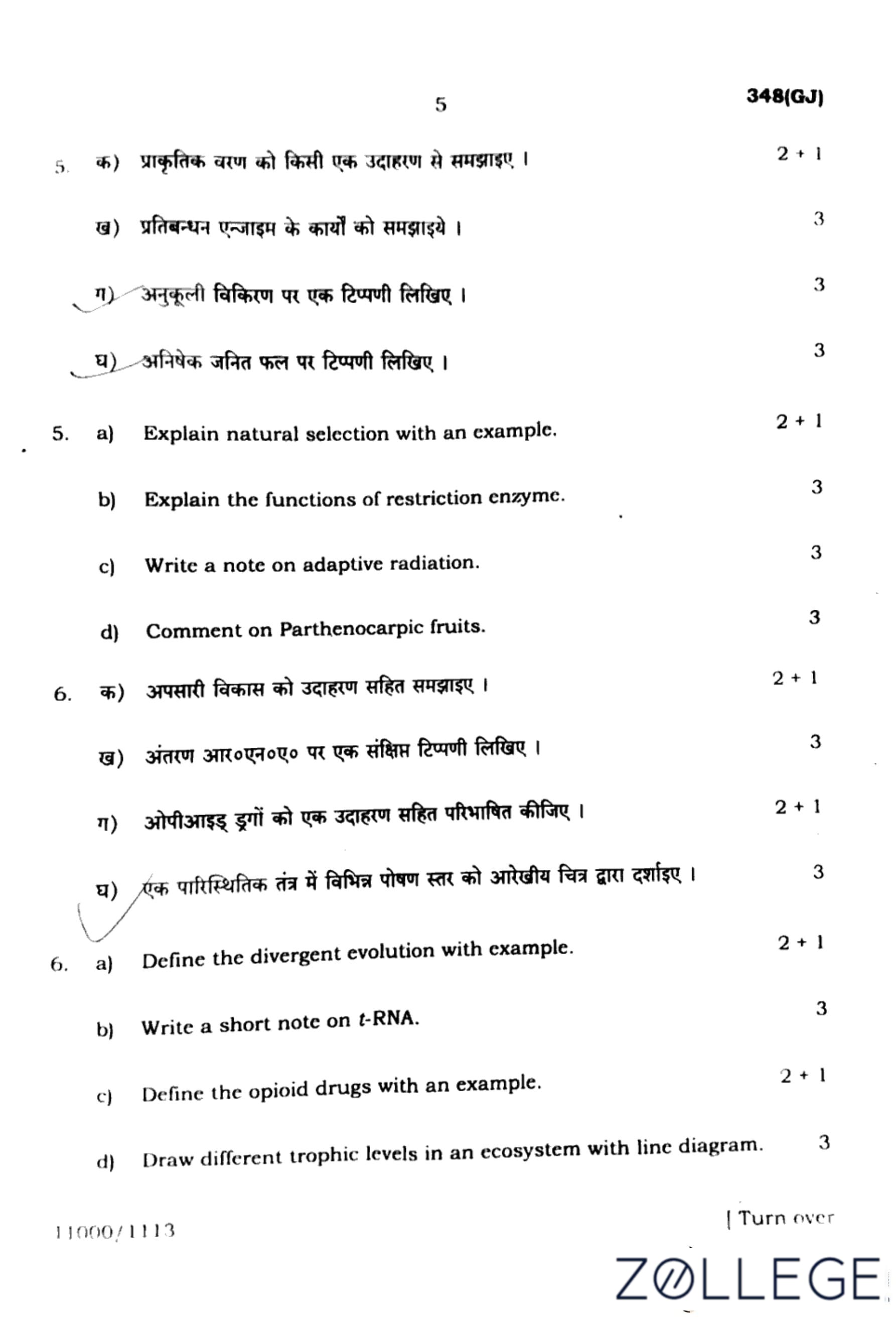
Question 5 (a):
Explain natural selection with an example.
View Solution
Solution: Natural selection is the process by which organisms with favorable traits are more likely to survive and reproduce, passing those traits to the next generation.
Example:
The classic example of natural selection is the evolution of the peppered moth (Biston betularia) in industrial areas. During the Industrial Revolution, darker moths had a survival advantage as they were better camouflaged against soot-darkened trees, leading to an increase in their population.
Question 5 (b):
Explain the functions of restriction enzyme.
View Solution
Solution: Restriction enzymes, also known as molecular scissors, cut DNA at specific recognition sites.
Functions:
1. They cut DNA at specific sequences called restriction sites, producing sticky or blunt ends.
2. Used in genetic engineering for cloning, gene splicing, and DNA analysis.
Question 5 (c):
Write a note on adaptive radiation.
View Solution
Solution: Adaptive radiation is the evolutionary process where organisms diversify rapidly into multiple new forms to adapt to different environmental conditions.
Example:
Darwin's finches in the Galápagos Islands evolved different types of beaks suited to their feeding habits, demonstrating adaptive radiation.
Question 5 (d):
Comment on parthenocarpic fruits.
View Solution
Solution: Parthenocarpic fruits are fruits that develop without the process of fertilization or seed formation. These fruits are typically seedless, making them desirable for commercial purposes and consumption. The phenomenon of parthenocarpy occurs naturally in some plant species or can be induced artificially through various techniques.
Examples: Banana, seedless grapes.
Importance:
• Beneficial in commercial fruit production.
• Enhances fruit quality and shelf life.
Question 6 (a):
Define divergent evolution with example.
View Solution
Solution: Divergent evolution refers to the process by which two or more related species evolve different traits or characteristics due to adaptation to different environments or ecological niches. This occurs when a common ancestor splits into multiple descendant species, each evolving unique features as they adapt to their specific habitats or lifestyles. Over time, these differences can lead to significant diversity among species that share a common origin.
Example:
The forelimbs of mammals such as bats, whales, and humans share a common ancestral structure but have evolved different functions like flying, swimming, and grasping.
Question 6 (b):
Write a short note on t-RNA.
View Solution
Solution: Transfer RNA (t-RNA) is a type of RNA that helps in the translation process by bringing specific amino acids to the ribosome during protein synthesis. t-RNA (Transfer RNA) is a crucial molecule in the process of protein synthesis, acting as an adapter that translates the genetic code carried by mRNA into the corresponding amino acids. It plays a vital role in the translation phase of protein synthesis, ensuring that the correct amino acids are added to the growing polypeptide chain.
Functions of t-RNA:
• Carries amino acids to the ribosome for protein synthesis.
• Recognizes the mRNA codon using its anticodon region.
Question 6 (c):
Define opioid drugs with an example.
View Solution
Solution: Opioid drugs are a class of substances that act on opioid receptors in the brain and nervous system to produce analgesic (pain-relieving) effects. They mimic the action of endorphins, which are natural chemicals in the body that reduce pain and promote feelings of well-being. While opioids are highly effective for pain management, they also carry a high risk of addiction, dependence, and overdose due to their psychoactive properties. Opioid drugs are a class of pain-relieving medications that act on the nervous system to relieve pain by binding to opioid receptors.
Example: Morphine is a commonly used opioid drug to manage severe pain in patients.
Question 6 (d):
Draw different trophic levels in an ecosystem with a line diagram.
View Solution
Solution:
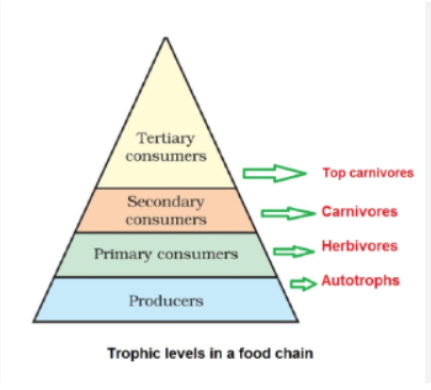 Trophic levels represent the feeding position of organisms in an ecosystem. The main trophic levels are:
• Producers (1st level): Green plants (autotrophs).
• Primary consumers (2nd level): Herbivores.
• Secondary consumers (3rd level): Carnivores.
• Tertiary consumers (4th level): Top predators.
Long Answer Type Questions - I
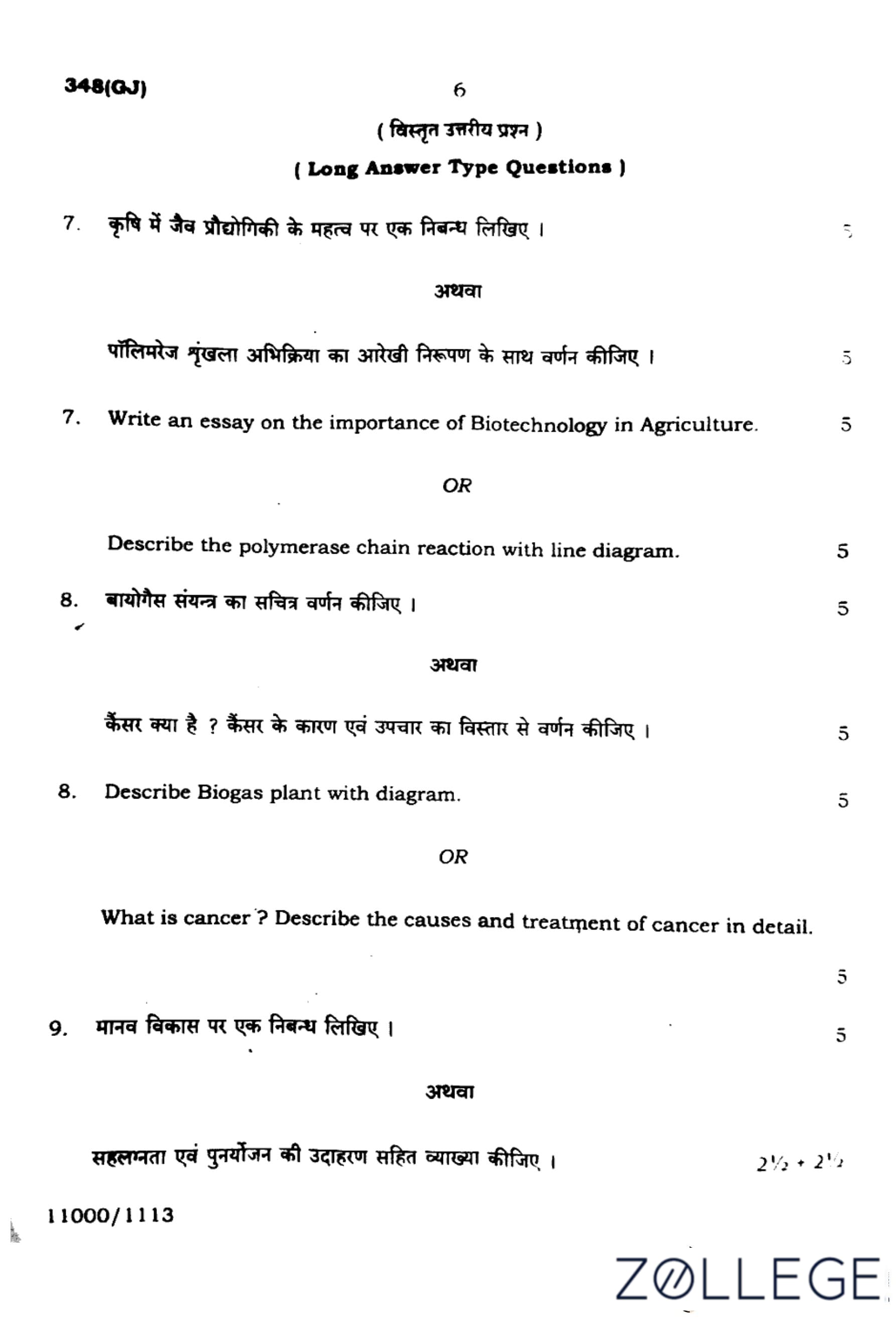
Question 7:
Write an essay on the importance of Biotechnology in Agriculture.
View Solution
Solution: Biotechnology has revolutionized agricultural practices, significantly impacting crop yields, pest resistance, and overall sustainability. Its importance stems from several key applications:
1. Genetically Modified (GM) Crops: GM crops are engineered to enhance desirable traits, such as increased yield, pest resistance (e.g., Bt cotton), herbicide tolerance, and improved nutritional content (e.g., Golden Rice). This reduces reliance on pesticides and herbicides, leading to environmentally friendly farming practices and increased food security.
2. Improved Crop Quality: Biotechnology allows for the enhancement of nutritional value in crops. For example, Golden Rice is genetically modified to produce higher levels of beta-carotene, a precursor to Vitamin A, addressing vitamin deficiencies in developing countries. Other examples include crops with enhanced protein content or improved taste and texture.
3. Pest and Disease Resistance: Genetically modified crops can be engineered to resist specific pests and diseases, reducing crop losses and minimizing the need for chemical pesticides. This contributes to both economic benefits for farmers and environmental protection.
4. Drought and Stress Tolerance: Biotechnology plays a crucial role in developing crops that can withstand adverse environmental conditions, including drought, salinity, and extreme temperatures. This is particularly important in regions with limited water resources or unpredictable weather patterns.
5. Tissue Culture Technology: Tissue culture techniques allow for the rapid multiplication of disease-free plants, ensuring high-quality planting material and reducing the risk of crop failure. This is particularly valuable for the propagation of valuable or rare plant species.
Conclusion: Biotechnology offers numerous advantages for agriculture, leading to increased food production, improved crop quality, reduced environmental impact, and enhanced farmer livelihoods. However, ethical considerations and potential risks associated with GM crops need careful evaluation and regulation.
Or
Question 7:
Describe the polymerase chain reaction with a line diagram.
View Solution
Solution:
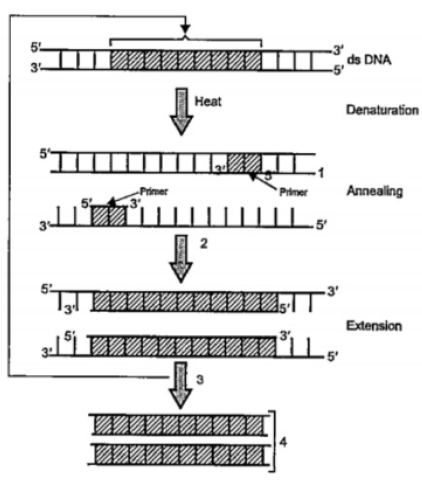 The Polymerase Chain Reaction (PCR) is a laboratory technique used to amplify a specific segment of DNA. This allows researchers to create millions or billions of copies of a particular DNA sequence from a very small initial sample. The process involves three main steps, repeated in cycles:
1. Denaturation: The double-stranded DNA is heated to approximately 94-98°C, causing the hydrogen bonds holding the two strands together to break, separating the DNA into single strands.
2. Annealing: The temperature is lowered to around 50-65°C, allowing short DNA sequences called primers to bind to their complementary sequences on the single-stranded DNA. These primers flank the target DNA region to be amplified.
3. Extension: The temperature is raised to approximately 72°C, which is the optimal temperature for the DNA polymerase enzyme. The DNA polymerase enzyme adds nucleotides to the 3' end of each primer, extending the DNA strand and creating a new copy of the target DNA sequence. This process is repeated for multiple cycles, exponentially increasing the number of copies of the target DNA.
Applications of PCR are extensive, including medical diagnostics, forensic science, genetic research, and many other fields.
Question 8:
Describe a biogas plant with a diagram.
View Solution
Solution:
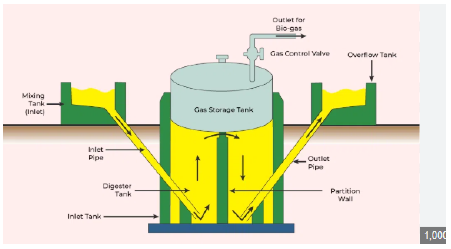 A biogas plant is a system designed to produce biogas from the anaerobic digestion of organic matter. Anaerobic digestion is a process where microorganisms break down organic material in the absence of oxygen, producing biogas, primarily composed of methane (CH4) and carbon dioxide (CO2), and a digestate (slurry).
Components of a Biogas Plant:
1. **Inlet Tank/Feedstock Hopper:** Organic waste (animal manure, crop residues, etc.) is fed into the system, often mixed with water to achieve the optimal consistency for digestion.
2. **Digester:** This is a sealed, anaerobic chamber where the bacterial digestion occurs. The digester is often designed to maintain a specific temperature range (mesophilic or thermophilic) to optimize microbial activity.
3. **Gas Holder:** The biogas produced during digestion is collected and stored in a gas holder. This can be a simple dome-shaped structure or a more sophisticated system.
4. **Outlet Tank/Slurry Tank:** After digestion, the remaining material (digestate) is collected in the outlet tank. This digestate is a valuable byproduct, often used as a nutrient-rich fertilizer.
Advantages of Biogas Production:
• Renewable energy source
• Reduced reliance on fossil fuels
• Production of organic fertilizer
• Waste management solution
• Reduced greenhouse gas emissions (compared to burning waste directly)
Or
Question 8:
What is cancer? Describe the causes and treatment of cancer in detail.
View Solution
Solution: Cancer is a broad term encompassing a large group of diseases characterized by the uncontrolled growth and spread of abnormal cells. This uncontrolled growth can lead to the formation of masses or tumors that can invade nearby tissues and organs, and potentially metastasize (spread) to distant sites in the body.
Causes of Cancer: Cancer development is a complex process often involving a combination of genetic and environmental factors. Key contributing factors include:
• **Genetic predisposition:** Inherited genetic mutations can increase the risk of certain cancers.
• **Carcinogens:** Exposure to cancer-causing substances such as tobacco smoke, asbestos, radiation, and certain chemicals.
• **Viral infections:** Certain viruses, like Human Papillomavirus (HPV) and Hepatitis B virus, are linked to increased cancer risk.
• **Lifestyle factors:** Poor diet, lack of physical activity, obesity, excessive alcohol consumption, and prolonged sun exposure contribute to cancer risk.
Treatment of Cancer: Cancer treatment strategies vary greatly depending on the type and stage of cancer, as well as the patient's overall health. Common treatment modalities include:
• **Surgery:** Surgical removal of the tumor or cancerous tissue.
• **Radiation therapy:** Using high-energy radiation to kill cancer cells.
• **Chemotherapy:** Using drugs to kill or slow the growth of cancer cells.
• **Targeted therapy:** Utilizing drugs that specifically target cancer cells, minimizing harm to healthy cells.
• **Immunotherapy:** Harnessing the body's own immune system to fight cancer cells.
• **Hormone therapy:** Used in hormone-sensitive cancers (like breast and prostate cancer) to block the hormones that fuel cancer growth.
• **Stem cell transplantation:** Replenishing healthy blood-forming cells after high-dose chemotherapy.
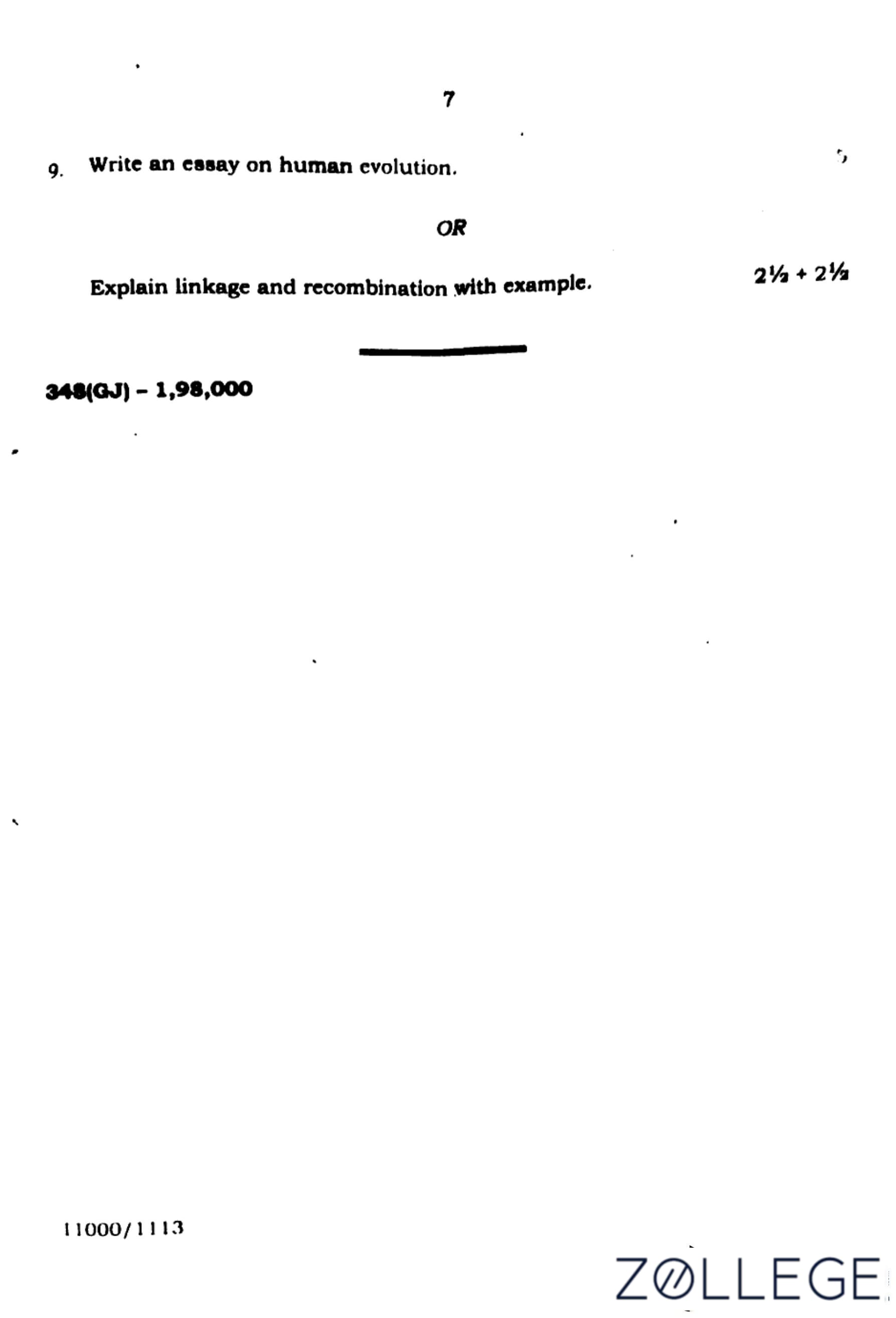
Question 9:
Write an essay on human evolution.
View Solution
Solution: Human evolution is a long and complex process spanning millions of years, involving gradual changes in the physical characteristics, behavior, and genetic makeup of human ancestors. It's a story of adaptation, driven by natural selection and shaped by environmental pressures. While the exact details of human origins are still being uncovered through ongoing research, a general timeline and key milestones can be outlined:
Early Hominins (6-7 million years ago): The earliest human ancestors diverged from the chimpanzee lineage in Africa. These early hominins, such as Sahelanthropus tchadensis and Orrorin tugenensis, exhibited features suggesting bipedalism (walking upright), although their brain size remained relatively small.
Australopithecines (4-2 million years ago): Australopithecus species, such as Australopithecus afarensis ("Lucy"), showed clear evidence of bipedalism and a slightly larger brain size than earlier hominins. They still retained many ape-like features, but their adaptations for upright walking were significant.
Homo habilis (2.4-1.4 million years ago): Homo habilis ("handy man") is considered the first species in the genus Homo. They demonstrated increased brain size and evidence of tool use, marking a crucial step in human cognitive development. Their stone tools were simple, but they represent a significant technological advance.
Homo erectus (1.9 million - 117,000 years ago): Homo erectus had a significantly larger brain than its predecessors, along with a more modern body shape adapted for long-distance walking and running. They were the first hominins to migrate out of Africa, spreading to Asia and Europe. They also mastered the use of fire, which provided warmth, protection, and facilitated cooking.
Archaic Humans (600,000 - 30,000 years ago): This period encompasses various hominin species, including Homo heidelbergensis and Neanderthals (Homo neanderthalensis). Neanderthals, in particular, exhibited advanced tool use, complex social structures, and even evidence of burial rituals. They adapted to cold climates in Europe and Asia.
Homo sapiens (300,000 years ago - present): Homo sapiens, modern humans, emerged in Africa. They possess significantly larger brains, advanced cognitive abilities, complex language, and sophisticated toolmaking skills. Their capacity for abstract thought and symbolic expression distinguishes them from earlier hominins. Their migrations eventually led to the colonization of all continents.
Conclusion: Human evolution is an ongoing process shaped by natural selection, genetic drift, and other evolutionary forces. The story of human origins continues to unfold as scientists uncover new fossil evidence and refine their understanding of the complex interplay of factors that have shaped our species.
Question 9:
Explain linkage and recombination with examples.
View Solution
Solution:
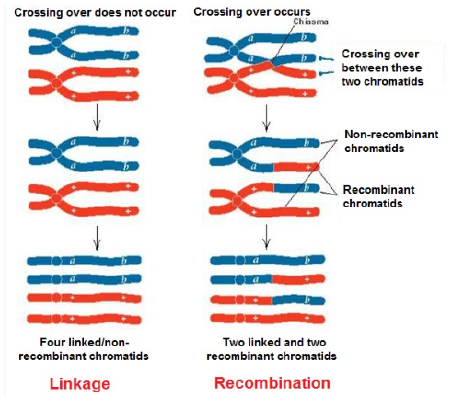 Linkage and recombination are fundamental concepts in genetics that describe how genes are inherited and how genetic variation is generated.
Linkage:
Linkage refers to the tendency of genes located close together on the same chromosome to be inherited together. This occurs because genes that are physically close are less likely to be separated during the process of meiosis (cell division that produces gametes). The closer two genes are, the stronger the linkage, and the less likely they are to be separated by recombination.
Example: In fruit flies (Drosophila), the genes for body color and wing shape are located close together on the same chromosome. Therefore, these traits tend to be inherited together. A fly with grey body and long wings would likely produce offspring with the same combination of traits.
Recombination:
Recombination is the process by which new combinations of genes are created during meiosis. This primarily occurs through a process called crossing over, where homologous chromosomes exchange segments of DNA during prophase I of meiosis. Crossing over shuffles the alleles (different versions of a gene) on chromosomes, resulting in gametes (sperm and eggs) that have different combinations of alleles than those present in the parent.
Example: If a fruit fly is heterozygous for both body color (grey, G, and black, g) and wing shape (long, L, and short, l), crossing over during meiosis can produce gametes with combinations such as GL, gl, Gl, and gL. This results in offspring with new combinations of traits—for instance, a fly with a grey body and short wings, or a fly with a black body and long wings.
Relationship between Linkage and Recombination: Linkage tends to maintain the existing combinations of genes, while recombination creates new combinations, increasing genetic variation within a population. The frequency of recombination between two genes is inversely proportional to the distance between them on the chromosome. Genes that are far apart are more likely to undergo recombination than genes that are close together.
*The article might have information for the previous academic years, please refer the official website of the exam.