
UP Board Class 12 2024 Biology Question Paper PDF - Check Solutions with Answer key PDF (Code 348-GK)


Content Writer | Updated On - Feb 24, 2025
UP Board Class 12 Biology 2024 Question Paper (Code 348-GK) PDF is available for download. The exam, conducted by UPMSP in February 2024, was for 70 marks with a 3-hour 15-minute duration. According to initial feedback, the paper was of easy to moderate difficulty. The MCQs were easy, while the Short Answer and Long Answer sections were of moderate difficulty. Overall, students found the paper manageable and are expected to score well.
UP Board Class 12 Biology Question Paper 2024 (Code 348 GK) with Solutions
Candidates can use the link below to download the UP Board Class 12 Biology Question Paper with detailed solutions.
| UP Board Class 12 Biology Question Paper with Answer Key |  Download Download |
Check Solution |
![]()
UP Board Class 12 Biology Question Paper 2024 with Solutions (Code 348 GK)

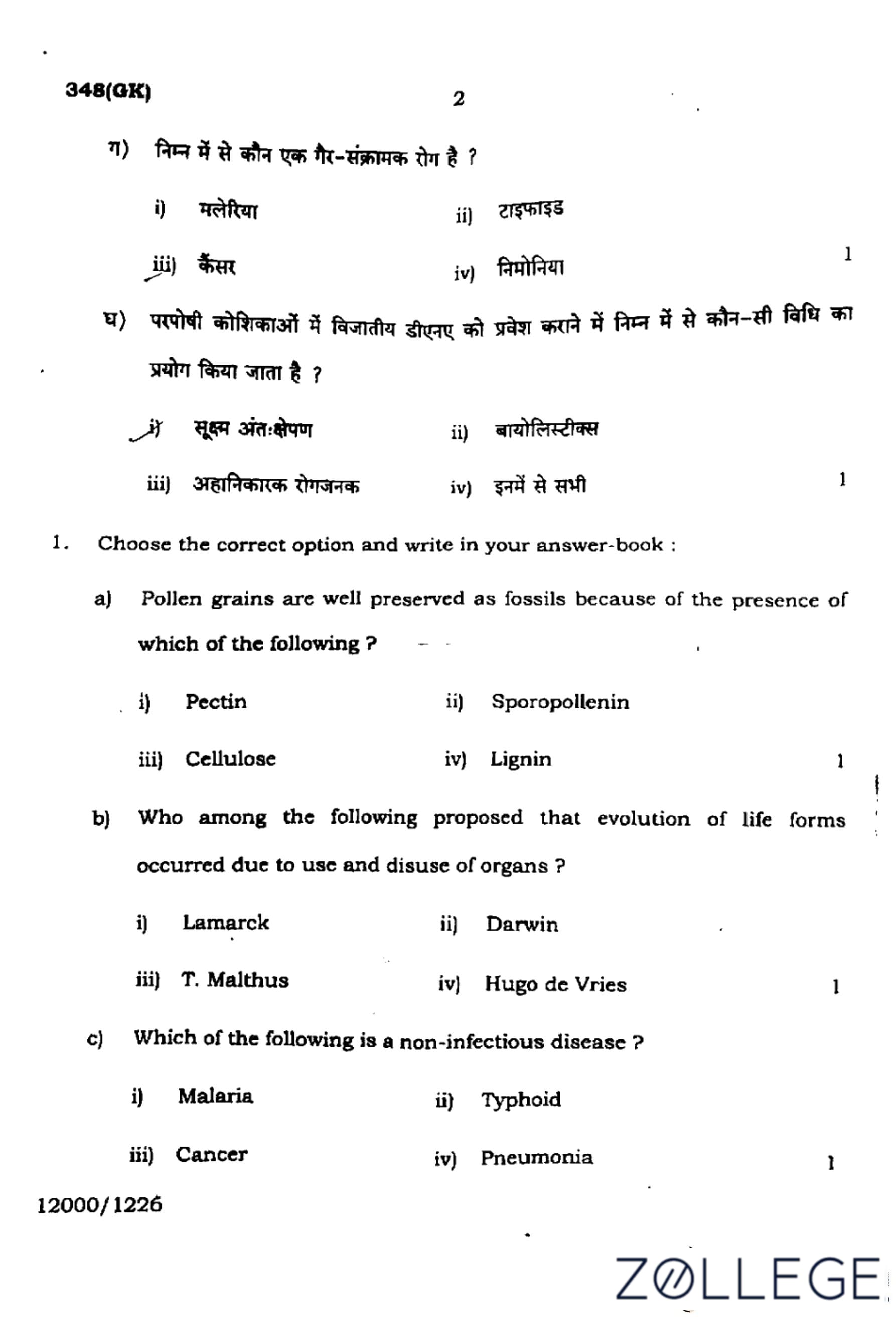
Multiple Choice Type Questions
Question 1:
Choose the correct option and write in your answer-book:
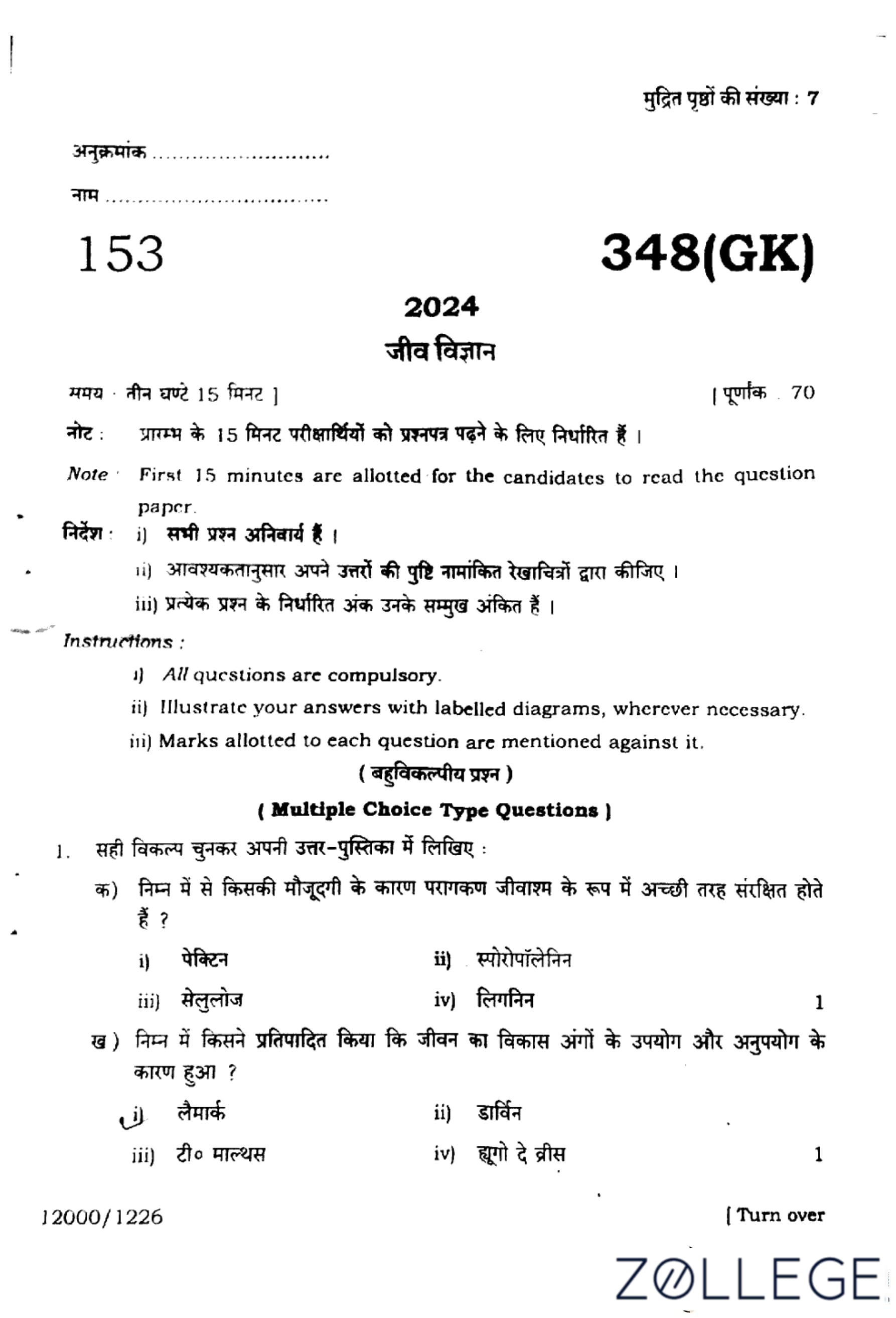
(a) Pollen grains are well preserved as fossils because of the presence of which of the following?
View Solution
Solution: Sporopollenin is a highly resistant organic material found in the outer layer (exine) of pollen grains. It provides resistance to environmental stresses such as temperature, pH, and enzymatic degradation, making pollen grains well-preserved in fossil records.
(b) Who among the following proposed that evolution of life forms occurred due to use and disuse of organs?
View Solution
Solution: Jean-Baptiste Lamarck proposed the theory of inheritance of acquired characteristics. According to him, organs that are used frequently become more developed, while those not in use diminish over generations.
(c) Which of the following is a non-infectious disease?
View Solution
Solution: Cancer is a non-infectious disease caused by uncontrolled cell growth due to genetic mutations, environmental factors, and lifestyle choices. It does not spread from person to person like infectious diseases.
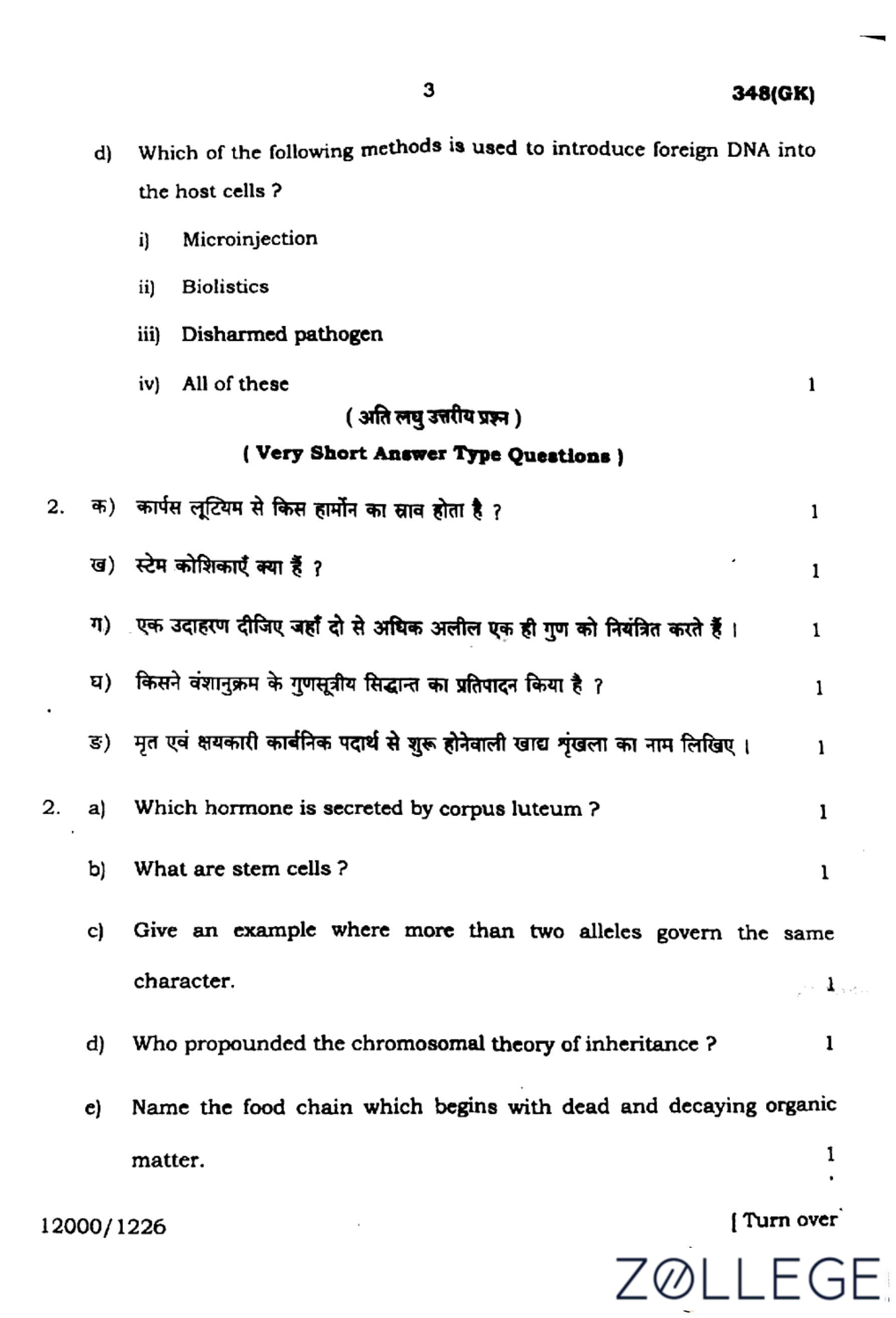
(d) Which of the following methods is used to introduce foreign DNA into the host cells?
View Solution
Solution:
Foreign DNA can be introduced into host cells using various methods:
- Microinjection: Directly injecting DNA into the nucleus of the cell using a fine glass micropipette.
- Biolistics (Gene gun method): High-velocity delivery of DNA-coated particles (e.g., gold or tungsten) into plant cells.
- Disarmed pathogen: Using genetically modified, non-virulent bacteria or viruses (e.g., Agrobacterium tumefaciens) to transfer DNA into cells.
Very Short Answer Type Questions
Question 2:
Answer the following questions in brief:
(a) Which hormone is secreted by corpus luteum?
View Solution
Solution: The corpus luteum, formed after ovulation in the ovary, secretes progesterone. This hormone is essential for maintaining the uterine lining for implantation and pregnancy.
(b) What are stem cells?
View Solution
Solution: Stem cells possess the ability to divide and differentiate into specialized cells such as muscle, nerve, or blood cells. They are found in embryos (embryonic stem cells) and adult tissues (adult stem cells).
(c) Give an example where more than two alleles govern the same character.
View Solution
Solution: The ABO blood group system in humans is governed by multiple alleles: IA, IB, and IO. An individual inherits any two of these alleles, leading to four possible blood groups: A, B, AB, and O.
(d) Who propounded the chromosomal theory of inheritance?
View Solution
Solution: Walter Sutton and Theodor Boveri proposed the chromosomal theory of inheritance, which states that genes are located on chromosomes and are inherited according to Mendel's laws.
(e) Name the food chain which begins with dead and decaying organic matter.
View Solution
Solution: The detritus food chain (DFC) begins with decomposing organic matter such as dead plants and animals. Decomposers, such as fungi and bacteria, break down the organic matter into simpler substances.
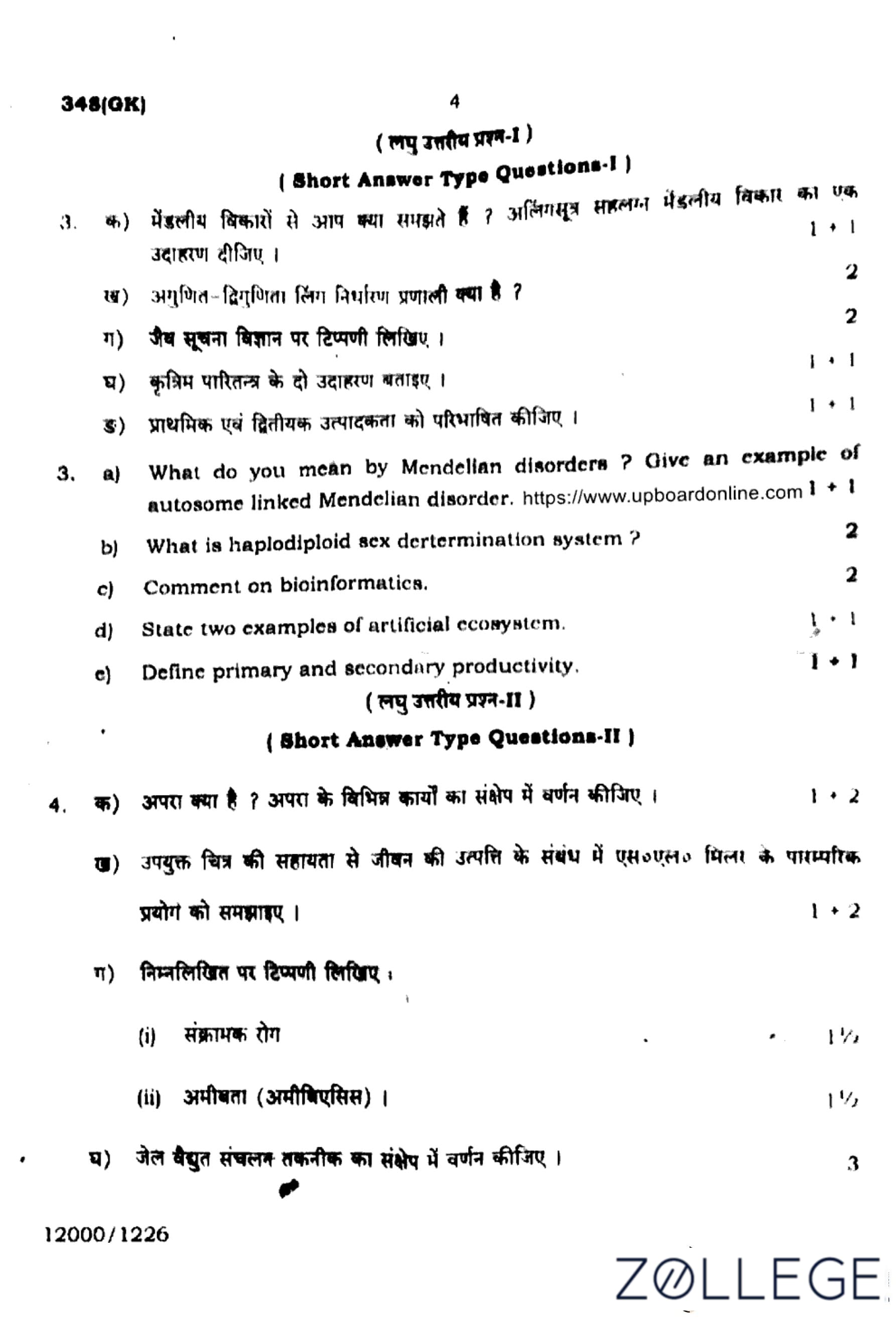
Short Answer Type Questions I
Question 3:
Answer the following questions briefly:
(a) What do you mean by Mendelian disorders? Give an example of an autosome-linked Mendelian disorder.
View Solution
Solution: Mendelian disorders are genetic diseases caused by mutations in a single gene and follow Mendel's principles of inheritance. They can be dominant or recessive.
Example: Sickle cell anemia (an autosome-linked Mendelian disorder). Mendelian disorders result from mutations in a single gene and are inherited in a predictable manner. Sickle cell anemia, an autosome-linked disorder, is caused by a mutation in the HBB gene on chromosome 11, leading to abnormal hemoglobin formation.
(b) What is the haplodiploid sex determination system?
View Solution
Solution: In the haplodiploid sex determination system, sex is determined by the number of chromosome sets. Males develop from unfertilized eggs (haploid), while females develop from fertilized eggs (diploid). The haplodiploid system is observed in honeybees and ants. In this system:
- Males (drones) are haploid (n) and arise from unfertilized eggs.
- Females (workers and queens) are diploid (2n) and develop from fertilized eggs.
(c) Comment on bioinformatics.
View Solution
Solution: Bioinformatics is an interdisciplinary field that uses computational tools to analyze biological data such as DNA sequences, protein structures, and evolutionary relationships.Bioinformatics combines biology, computer science, and mathematics to store, analyze, and interpret biological data. Applications include genome sequencing, molecular modeling, and evolutionary studies.
(d) State two examples of artificial ecosystems.
View Solution
Solution: Two examples of artificial ecosystems are:
1. Agricultural fields (e.g., crop farms)
2. Aquariums
Artificial ecosystems are human-made environments that require regular maintenance and input to sustain life. Examples include crop fields managed by humans and aquariums where conditions are artificially controlled.
(e) Define primary and secondary productivity.
View Solution
Solution:
Primary productivity: The rate at which autotrophs (e.g., plants) convert sunlight into chemical energy (biomass).
Secondary productivity: The rate at which consumers convert organic material into their own biomass. Primary productivity refers to the total energy fixed by autotrophs through photosynthesis. It includes:
- Gross primary productivity (GPP) – total energy produced.
- Net primary productivity (NPP) – energy available to herbivores after respiration losses.
Short Answer Type Questions II
Question 4:
Answer the following questions briefly:
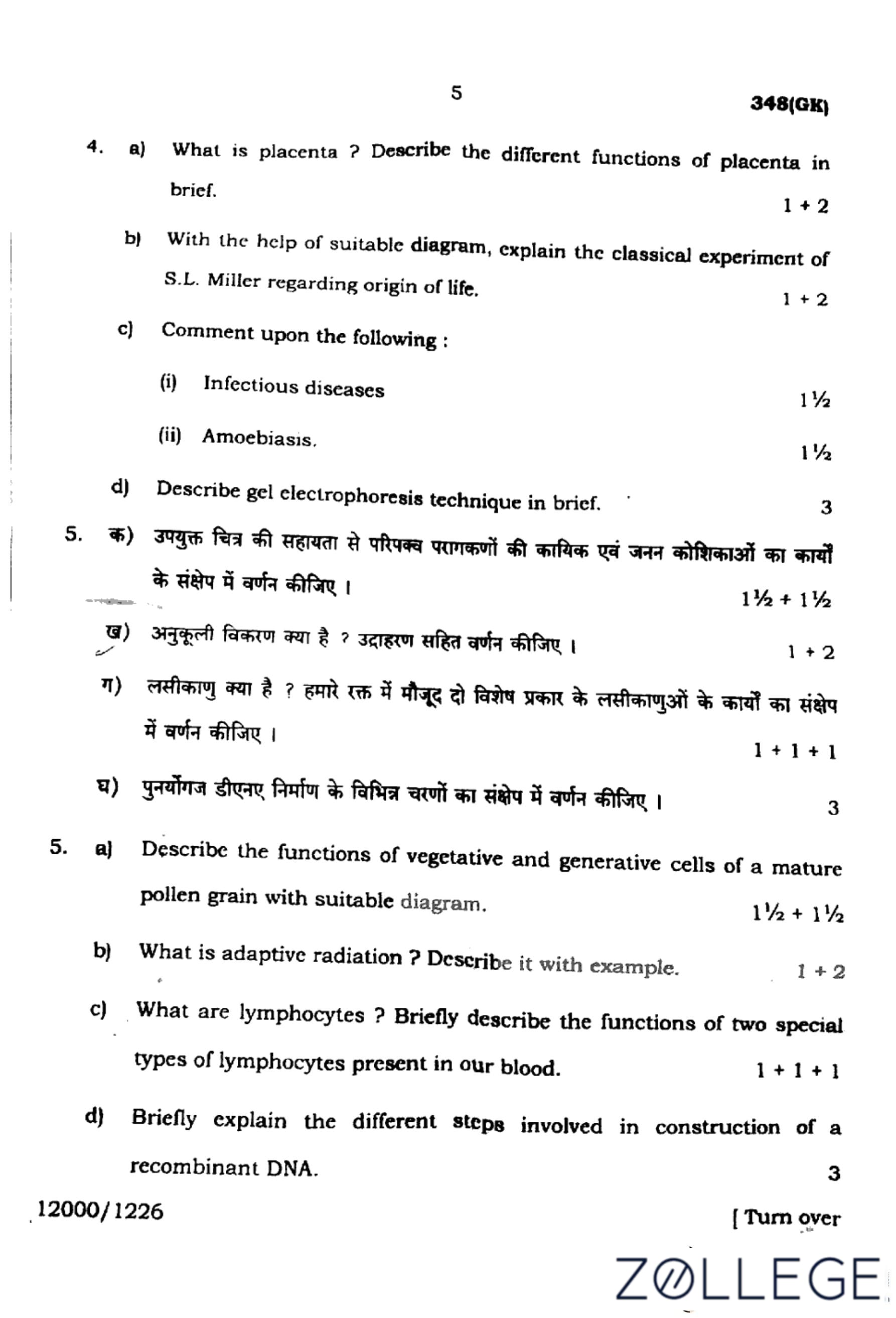
(a) What is placenta? Describe the different functions of placenta in brief.
View Solution
Solution: The placenta is a temporary organ formed during pregnancy that connects the developing fetus to the uterine wall, facilitating nutrient and gas exchange. The placenta performs several important functions:
- Nutritional function: Transfers nutrients like glucose and amino acids from the mother to the fetus.
- Respiratory function: Facilitates oxygen and carbon dioxide exchange between maternal and fetal blood.
- Excretory function: Removes fetal metabolic waste.
- Endocrine function: Produces hormones like progesterone and hCG to maintain pregnancy.
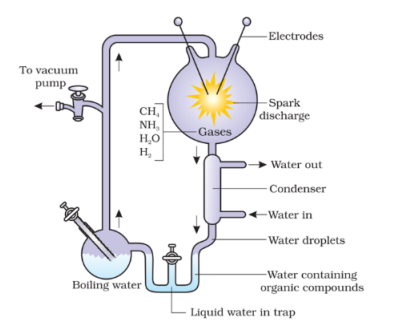
(b) With the help of a suitable diagram, explain the classical experiment of S.L. Miller regarding the origin of life.
View Solution
Solution: S.L. Miller's experiment demonstrated that organic molecules essential for life could form under primitive Earth conditions.In 1953, S.L. Miller simulated early Earth conditions by creating an apparatus containing gases like methane, ammonia, hydrogen, and water vapor. Electrical sparks simulated lightning. After a few days, organic molecules such as amino acids were formed, supporting the idea that life originated from non-living matter.
(c) Comment upon the following:
(i) Infectious diseases
View Solution
Solution: Infectious diseases are caused by pathogens such as bacteria, viruses, fungi, and parasites, and can spread from one person to another.Common examples of infectious diseases include tuberculosis, malaria, and influenza. They can spread through direct contact, air, water, or vectors such as mosquitoes.
(ii) Amoebiasis
View Solution
Solution: Amoebiasis is an intestinal infection caused by Entamoeba histolytica, leading to dysentery and abdominal discomfort. Amoebiasis spreads through contaminated food and water. It affects the intestine, causing loose stools, stomach cramps, and in severe cases, liver abscesses.
(d) Describe gel electrophoresis technique in brief.
View Solution
Solution: Gel electrophoresis is a technique used to separate DNA, RNA, or proteins based on their size and charge.In this technique, samples are loaded into wells of an agarose or polyacrylamide gel and subjected to an electric field. DNA fragments migrate towards the positive electrode, with smaller fragments moving faster. This helps in analyzing genetic material for research or forensic purposes.
Question 5:
Answer the following questions briefly:
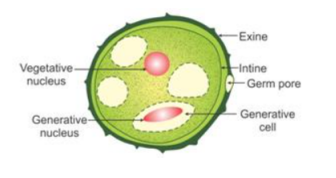
(a) Describe the functions of vegetative and generative cells of a mature pollen grain with a suitable diagram.
View Solution
Solution: A mature pollen grain consists of two cells:
- Vegetative cell: It is larger and provides nourishment and assists in pollen tube formation.
- Generative cell: It divides to form two male gametes, which participate in fertilization.
(b) What is adaptive radiation? Describe it with an example.
View Solution
Solution:
Adaptive radiation is an evolutionary process in which a single ancestral species rapidly diversifies into multiple descendant species, each adapted to occupy different ecological niches or environments. This phenomenon occurs when organisms encounter new or varied habitats, leading to the evolution of specialized traits that allow them to exploit specific resources or conditions. Adaptive radiation is a key mechanism driving biodiversity and is often observed in isolated environments like islands, lakes, or newly formed ecosystems.
Example of Adaptive Radiation
Darwin's Finches in the Galápagos Islands
Background : Charles Darwin observed a group of finch species on the Galápagos Islands during his voyage on the HMS Beagle. These finches are now famously known as "Darwin's finches."
Ancestral Species : A single finch species from mainland South America colonized the Galápagos Islands.
Diversification : Over time, the finches diversified into 14 distinct species, each adapted to a specific ecological niche:
Ground Finches : Developed large, strong beaks for cracking seeds. Tree Finches : Evolved smaller, pointed beaks for probing flowers or catching insects.
Warbler Finches : Developed slender beaks for feeding on small insects. Cactus Finches : Adapted to feed on cactus flowers and seeds with specialized beak shapes.
Driving Force : The isolation of the islands and the availability of diverse food sources (seeds, insects, nectar) led to natural selection favoring variations in beak size and shape.
(c) What are lymphocytes? Briefly describe the functions of two special types of lymphocytes present in our blood.
View Solution
Solution:
Lymphocytes are a type of white blood cell (WBC) responsible for immune responses in the body. There are two types of lymphocytes:
- B lymphocytes (B cells): Produce antibodies that neutralize pathogens.
- T lymphocytes (T cells): Help in cell-mediated immunity by destroying infected cells and regulating immune responses.
(d) Briefly explain the different steps involved in the construction of recombinant DNA.
View Solution
Solution:
Recombinant DNA (rDNA) construction involves combining DNA from different sources to create new genetic combinations. The key steps involved in recombinant DNA technology include:
- Isolation of DNA: Extracting the desired gene from the donor organism.
- Cutting of DNA: Using restriction enzymes to cut DNA at specific sites.
- Insertion into a vector: Ligating the gene into a vector such as a plasmid.
- Transformation: Introducing the recombinant DNA into a host cell.
- Selection: Identifying cells that have successfully taken up the recombinant DNA.
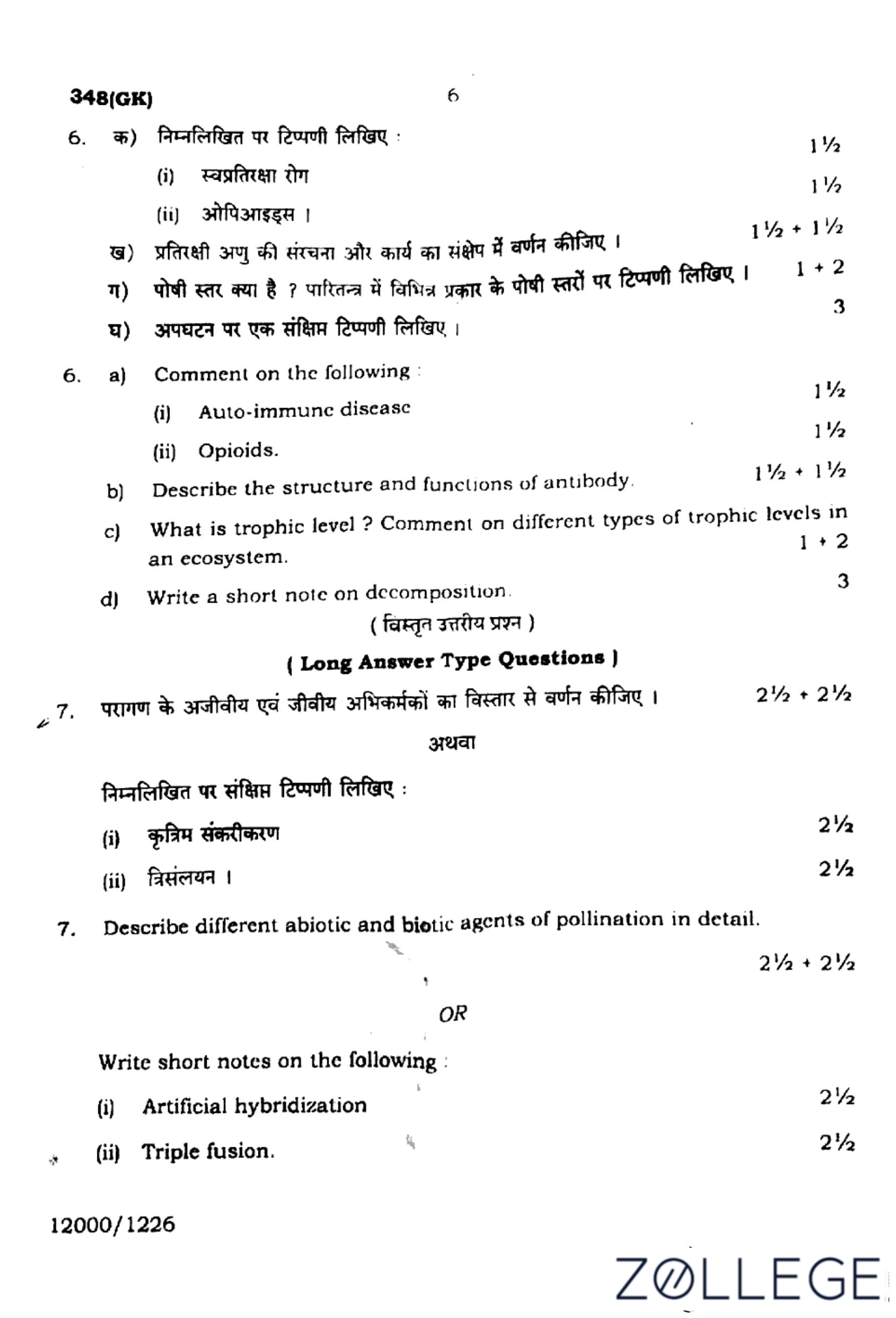
Question 6:
Answer the following questions briefly:
(a) Comment on the following:
(i) Auto-immune disease
View Solution
Solution: An auto-immune disease occurs when the body's immune system mistakenly attacks its own healthy cells and tissues. In auto-immune diseases, the immune system fails to distinguish between self and non-self antigens, leading to chronic inflammation and tissue damage. Examples include rheumatoid arthritis and type 1 diabetes.
(ii) Opioids
View Solution
Solution: Opioids are a class of drugs that act on the nervous system to relieve pain but can cause addiction if misused.Opioids, such as morphine and heroin, bind to opioid receptors in the brain and spinal cord to reduce pain perception. They are used medically but can lead to addiction and respiratory depression.
(b) Describe the structure and functions of an antibody.
View Solution
Solution: Antibodies are Y-shaped proteins produced by B-cells that neutralize pathogens.
Structure:
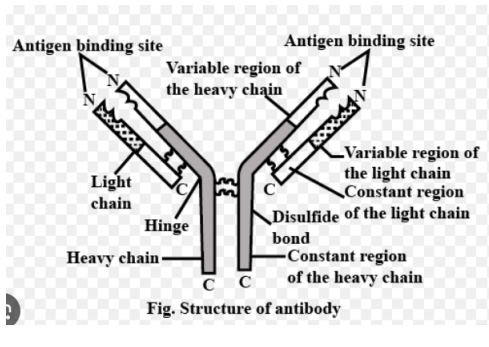
- Composed of four polypeptide chains: two heavy and two light chains.
- Each antibody has a variable region that binds to specific antigens.
- Neutralize pathogens by binding to their surface.
- Activate complement system to destroy microbes.
- Facilitate phagocytosis by marking pathogens for destruction.
(c) What is a trophic level? Comment on different types of trophic levels in an ecosystem.
View Solution
Solution:
A trophic level represents the position of an organism in the food chain based on its source of energy. Different types of trophic levels in an ecosystem include:
- Producers (1st trophic level): Autotrophs such as plants that convert solar energy into food.
- Primary consumers (2nd trophic level): Herbivores that feed on producers.
- Secondary consumers (3rd trophic level): Carnivores that eat herbivores.
- Tertiary consumers (4th trophic level): Top predators that feed on secondary consumers.
(d) Write a short note on decomposition.
View Solution
Solution: Decomposition is the breakdown of organic matter into simpler substances by decomposers such as bacteria and fungi.
Decomposition occurs in stages:
- Fragmentation: Breakdown of organic matter into smaller pieces.
- Leaching: Water-soluble nutrients are washed into the soil.
- Catabolism: Microorganisms break down complex molecules into simpler forms.
- Humification: Formation of humus that enriches soil fertility.
- Mineralization: Release of inorganic nutrients like nitrogen and phosphorus.
Long Answer Type Questions I
Question 7:
Describe different abiotic and biotic agents of pollination in detail.
View Solution
Solution: Pollination is the transfer of pollen grains from the anther to the stigma of a flower. It occurs through abiotic and biotic agents. Abiotic agents (Non-living agents):
- Wind (Anemophily): Pollen grains are light, dry, and produced in large quantities. Examples: Maize, wheat.
- Water (Hydrophily): Occurs in aquatic plants where pollen is transported through water currents. Examples: Vallisneria, Hydrilla.
- Insects (Entomophily): Brightly colored flowers with nectar attract insects like bees and butterflies. Examples: Sunflower, rose.
- Birds (Ornithophily): Large, brightly colored flowers provide nectar to birds like hummingbirds. Examples: Bignonia, Coral tree.
- Bats (Chiropterophily): Nocturnal flowers with strong fragrance attract bats. Examples: Bauhinia, Banana.
OR
Write short notes on the following:
(i) Artificial hybridization
View Solution
Solution: Artificial hybridization is a technique where desired traits from different plant varieties are combined by human intervention to produce improved offspring.
Steps in artificial hybridization include:
- Emasculation: Removal of anthers from the flower to prevent self-pollination.
- Bagging: Covering the emasculated flower to prevent contamination.
- Pollination: Pollen from the desired plant is transferred to the stigma.
- Rebagging: The flower is covered again to ensure fertilization.
(ii) Triple fusion
View Solution
Solution: Triple fusion is the fusion of a male gamete with two polar nuclei in the embryo sac of flowering plants.During fertilization in angiosperms, one male gamete fuses with the egg cell (syngamy), while the other fuses with the two polar nuclei to form a triploid primary endosperm nucleus (3n), which provides nutrition to the developing embryo.
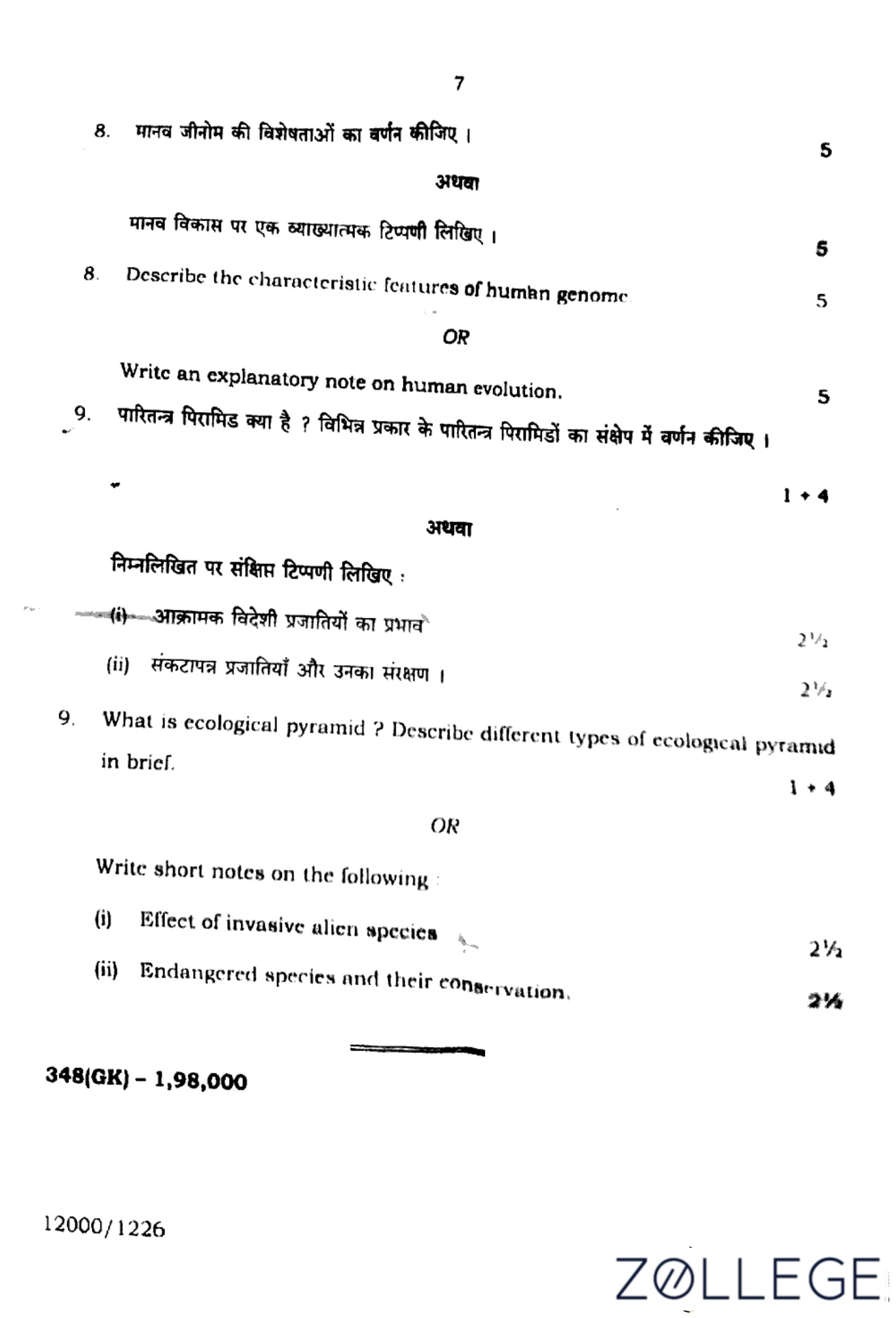
Question 8:
Answer the following question in detail:
Describe the characteristic features of the human genome.
View Solution
Solution: The human genome is the complete set of DNA present in the human body, consisting of approximately 3.2 billion base pairs. The major characteristic features of the human genome include:
- Number of Genes: The human genome contains approximately 20,000–25,000 protein-coding genes.
- Non-coding DNA: About 98
- Repetitive Sequences: Nearly 50
- Chromosomes: Humans have 23 pairs of chromosomes (22 autosomes and 1 pair of sex chromosomes).
- Genetic Variation: Differences in DNA sequences among individuals contribute to traits and susceptibility to diseases.
- Mitochondrial DNA: The human genome also includes mitochondrial DNA, inherited maternally, which helps in energy production.
OR
Write an explanatory note on human evolution.
View Solution
Solution: Human evolution refers to the gradual development of modern humans from ancestral primates over millions of years. Key stages in human evolution:
- Australopithecus: Early hominins that walked upright but had small brain size (4–2 million years ago).
- Homo habilis: Known as the "handy man,” first to use tools (2.4–1.4 million years ago).
- Homo erectus: First to use fire and migrate out of Africa (1.9 million–110,000 years ago).
- Neanderthals: Lived in Europe and Asia, known for their hunting skills and tools (400,000–40,000 years ago).
- Homo sapiens: Modern humans with developed brains, art, and culture (300,000 years ago-present).
Question 9:
Answer the following question in detail:
What is an ecological pyramid? Describe different types of ecological pyramids in brief.
View Solution
Solution: An ecological pyramid is a graphical representation that shows the relationship between different trophic levels in an ecosystem in terms of number, biomass, or energy. There are three types of ecological pyramids:
- Pyramid of Number: Represents the number of organisms at each trophic level. It can be upright (e.g., grassland) or inverted (e.g., tree ecosystem).
- Pyramid of Biomass: Shows the total dry weight of organisms at each trophic level. It is usually upright in terrestrial ecosystems but inverted in aquatic ecosystems.
- Pyramid of Energy: Represents the flow of energy at each trophic level. It is always upright, as energy decreases progressively from producers to consumers according to the 10% energy transfer law.
OR
Write short notes on the following:
(i) Effect of invasive alien species
View Solution
Solution: Invasive alien species are non-native species introduced into an ecosystem, which can negatively impact native biodiversity. The effects of invasive alien species include:
- Competition with native species for resources, leading to population decline of native organisms.
- Alteration of habitat conditions, affecting the ecosystem balance.
- Predation on native species, leading to their extinction.
- Economic damage in agriculture and forestry.
(ii) Endangered species and their conservation
View Solution
Solution: Endangered species are those at risk of extinction due to habitat loss, poaching, and climate change.
Conservation measures include:
- In-situ conservation: Protecting species in their natural habitat (e.g., National Parks, Wildlife Sanctuaries).
- Ex-situ conservation: Protecting species outside their habitat (e.g., Zoos, Botanical Gardens, Seed Banks).
- Legislation: Enforcing laws like the Wildlife Protection Act.
- Awareness programs: Educating people about the importance of conservation.
*The article might have information for the previous academic years, please refer the official website of the exam.