
UP Board Class 12 Biology Question Paper 2024 (Code 348 GM) Available- Download Solution PDF with Answer Key

.jpg?tr=h-55,w-55,c-force)
Content Strategist|Tech-innovator|National Hackathon Winner | Updated On - Feb 28, 2025
UP Board Class 12 Biology 2024 Question Paper (Code 348-GM) PDF is available for download. The exam, conducted by UPMSP in February 2024, was for 70 marks with a 3-hour 15-minute duration. According to initial feedback, the paper was of easy to moderate difficulty. The MCQs were easy, while the Short Answer and Long Answer sections were of moderate difficulty. Overall, students found the paper manageable and are expected to score well.
Candidates can use the link below to download the UP Board Class 12 Biology Question Paper with detailed solutions.
UP Board Class 12 Biology Question Paper 2024 with Solutions (Code 348 GM)
| UP Board Class 12 Biology Question Paper with Answer Key |  Download Download |
Check Solution |
UP Board Class 12 Biology Questions with Solutions
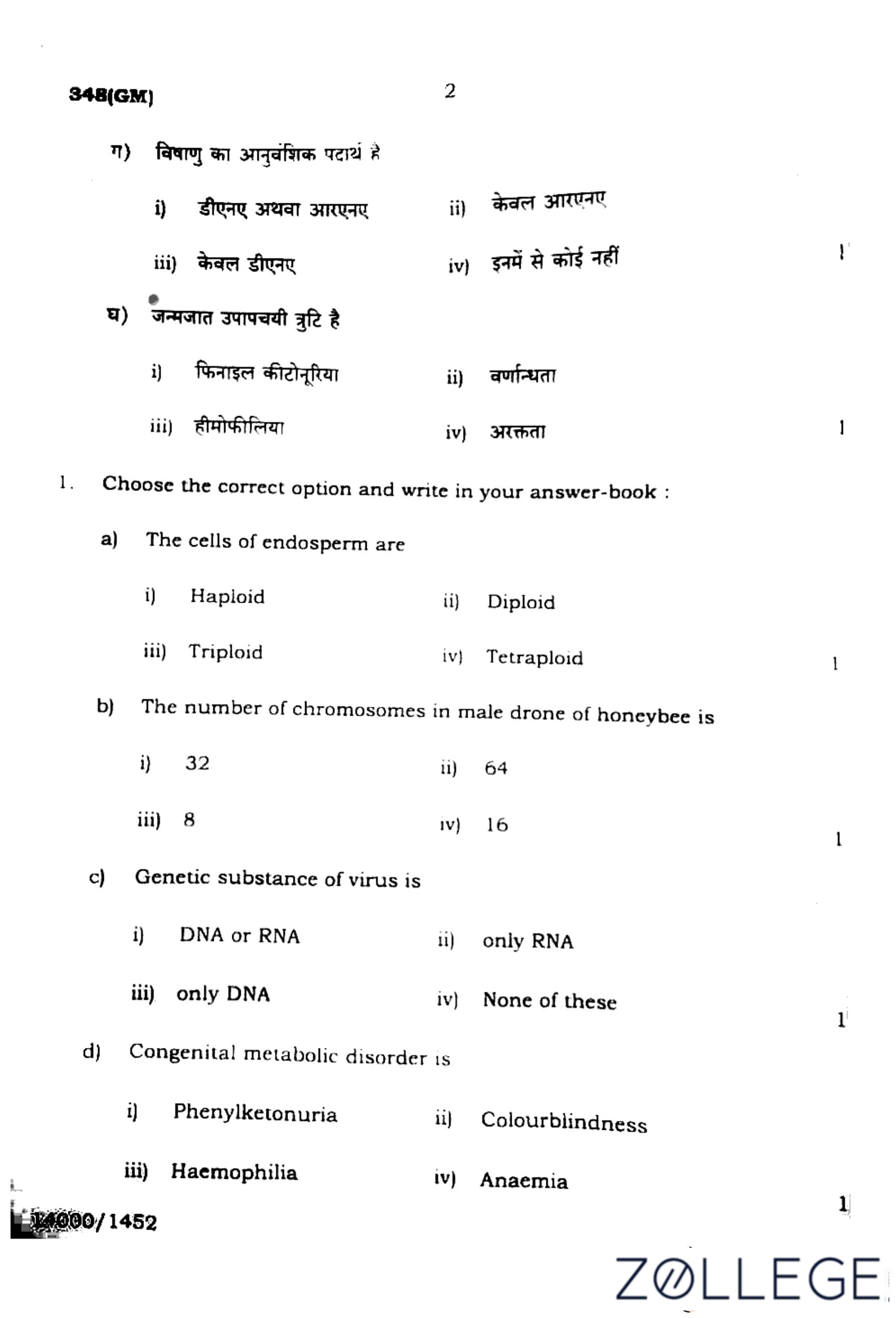
Choose the correct option and write in your answer-book :
(a) The cells of endosperm are:
View Solution
The cells of the endosperm are typically triploid in nature in many plants, including angiosperms. The endosperm is formed during fertilization when one male gamete fuses with two polar nuclei. Quick Tip: The endosperm is triploid, containing three sets of chromosomes, one from the mother and two from the father.
(b) The number of chromosomes in male drone of honeybee is:
View Solution
Male drones of honeybees are haploid, meaning they have only one set of chromosomes. The chromosome number in male drones of honeybees is 8. Quick Tip: In bees, males (drones) are haploid, whereas females (workers and queens) are diploid.
(c) Genetic substance of virus is:
View Solution
Viruses can have either DNA or RNA as their genetic material. Some viruses have DNA (e.g., adenovirus), while others have RNA (e.g., retrovirus). Quick Tip: Viruses are unique in that they can contain either DNA or RNA as their genetic material, but not both.
(d) Congenital metabolic disorder is:
View Solution
Phenylketonuria is a genetic disorder that results in the inability to break down phenylalanine, leading to brain damage if untreated. It is a congenital metabolic disorder. Quick Tip: Phenylketonuria is an autosomal recessive disorder, and early diagnosis and treatment can prevent intellectual disability.
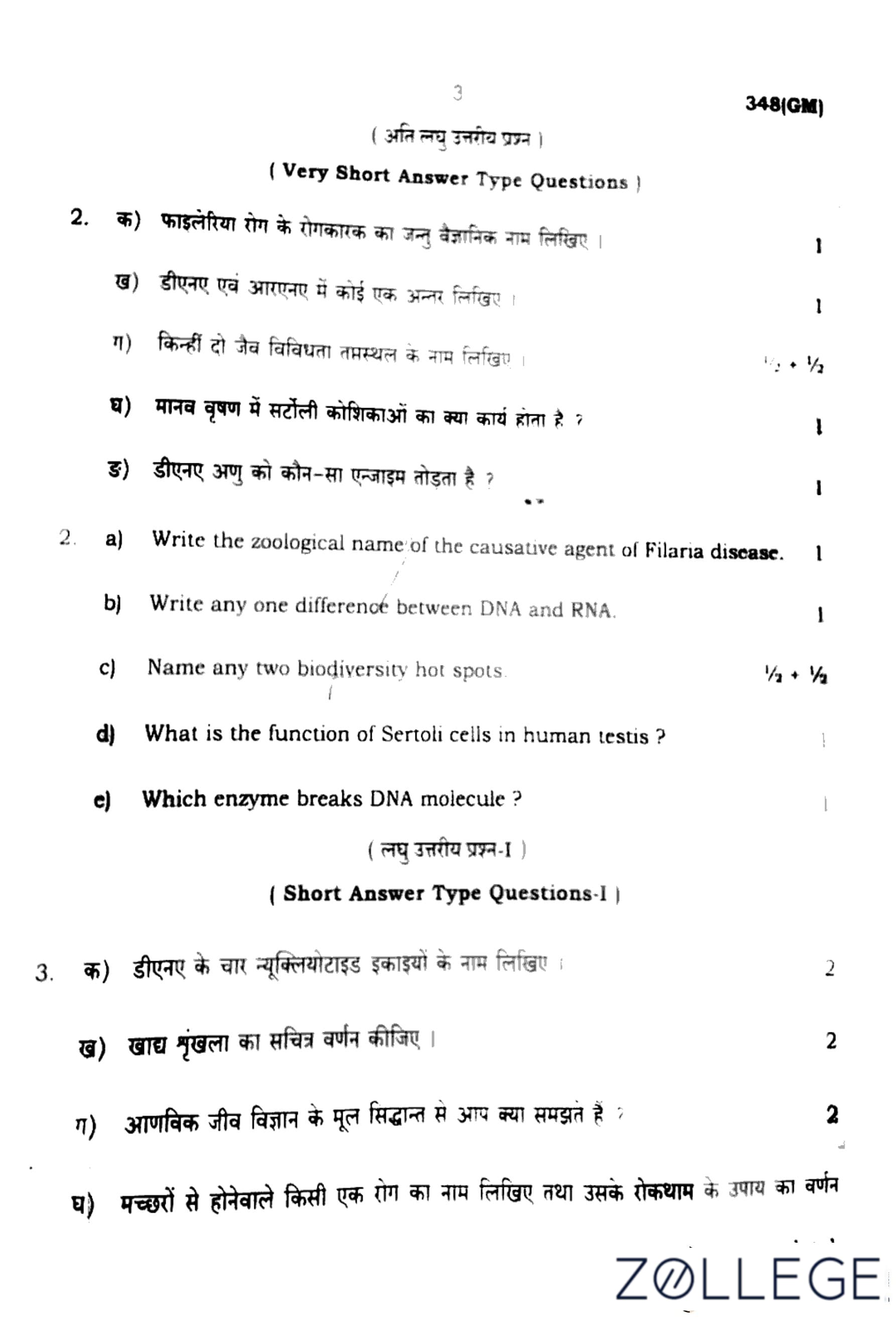
(a) Write the zoological name of the causative agent of Filaria disease.
View Solution
Step 1: Filaria disease is caused by parasitic worms, and the main causative agents are nematodes (roundworms) of the genus Wuchereria and Brugia.
The zoological name of the most common causative agent of Filaria disease is: Wuchereria bancrofti
Step 2: This parasitic worm is responsible for causing lymphatic filariasis (commonly known as elephantiasis). The larvae of the parasite are transmitted to humans through the bite of infected mosquitoes, primarily Culex species. Quick Tip:Wuchereria bancrofti is the most prevalent cause of filariasis worldwide, especially in tropical and subtropical regions. The disease is characterized by swelling of limbs and genitals.
(b) Write any one difference between DNA and RNA.
View Solution
Step 1: One of the key differences between DNA and RNA lies in their structure. DNA (Deoxyribonucleic acid) and RNA (Ribonucleic acid) both serve as genetic material in cells, but they have distinct structural features. \[ DNA contains the sugar deoxyribose, while RNA contains the sugar ribose. \]
Step 2: The main structural difference between deoxyribose and ribose is that deoxyribose has one less oxygen atom than ribose. This difference in sugar structure affects the stability and function of DNA and RNA. Quick Tip: While both DNA and RNA play critical roles in genetics, DNA is more stable due to its deoxyribose sugar, which helps it store genetic information, while RNA is more transient and plays a key role in protein synthesis.
(c) Name any two biodiversity hot spots.
View Solution
Step 1: Biodiversity hotspots are regions that are rich in species and have a high degree of endemism, meaning that these regions contain species that are not found anywhere else on Earth. At the same time, these areas face significant threats, such as habitat destruction and climate change.
Step 2: Two examples of biodiversity hotspots are:
1. The Western Ghats in India
2. The Amazon Rainforest in South America
Step 3: The Western Ghats are a mountain range along the western coast of India and are recognized for their rich diversity of plant and animal species. The Amazon Rainforest, known as the "lungs of the Earth," is a critical biodiversity hotspot that spans across multiple countries in South America. Quick Tip: Biodiversity hotspots are crucial for conservation efforts, as they are home to a large proportion of the world's species, many of which are endangered or threatened.
(d) What is the function of Sertoli cells in human testes?
View Solution
Step 1: Sertoli cells are specialized cells found in the seminiferous tubules of the testes. They play a crucial role in supporting and nourishing the developing sperm cells.
Step 2: The functions of Sertoli cells include:
1. Providing physical support to developing sperm cells (spermatogenesis).
2. Secreting nutrients and hormones (such as inhibin) that regulate sperm production.
3. Forming the blood-testis barrier, which prevents harmful substances from reaching the developing sperm.
Step 3: Sertoli cells also help in the regulation of the immune response in the testes and protect sperm from the body's immune system.
Additionally, they are involved in the secretion of fluid that helps in the transport of sperm cells. Quick Tip: Sertoli cells are often referred to as "nurse cells" because of their essential role in supporting and regulating the development of sperm cells in the testes.
(e) Which enzyme breaks the DNA molecule?
View Solution
Step 1: The enzyme responsible for breaking down or cleaving the DNA molecule is called DNase (Deoxyribonuclease). DNase catalyzes the hydrolysis of phosphodiester bonds between nucleotides in the DNA backbone, effectively breaking the DNA molecule into smaller fragments.
Step 2: DNase plays an important role in various biological processes, such as DNA repair, recombination, and the degradation of damaged or unnecessary DNA. Quick Tip: DNase is used extensively in molecular biology applications to remove DNA from samples, such as during the preparation of RNA for experiments or to prevent DNA contamination.
(a) Write the names of four nucleotide units of DNA.
View Solution
Step 1: The four nucleotide units of DNA are the building blocks that make up the genetic material.
Step 2: The four nucleotides are:
1. Adenine (A)
2. Thymine (T)
3. Cytosine (C)
4. Guanine (G) Quick Tip: Adenine pairs with Thymine, and Cytosine pairs with Guanine to form the structure of the DNA double helix.
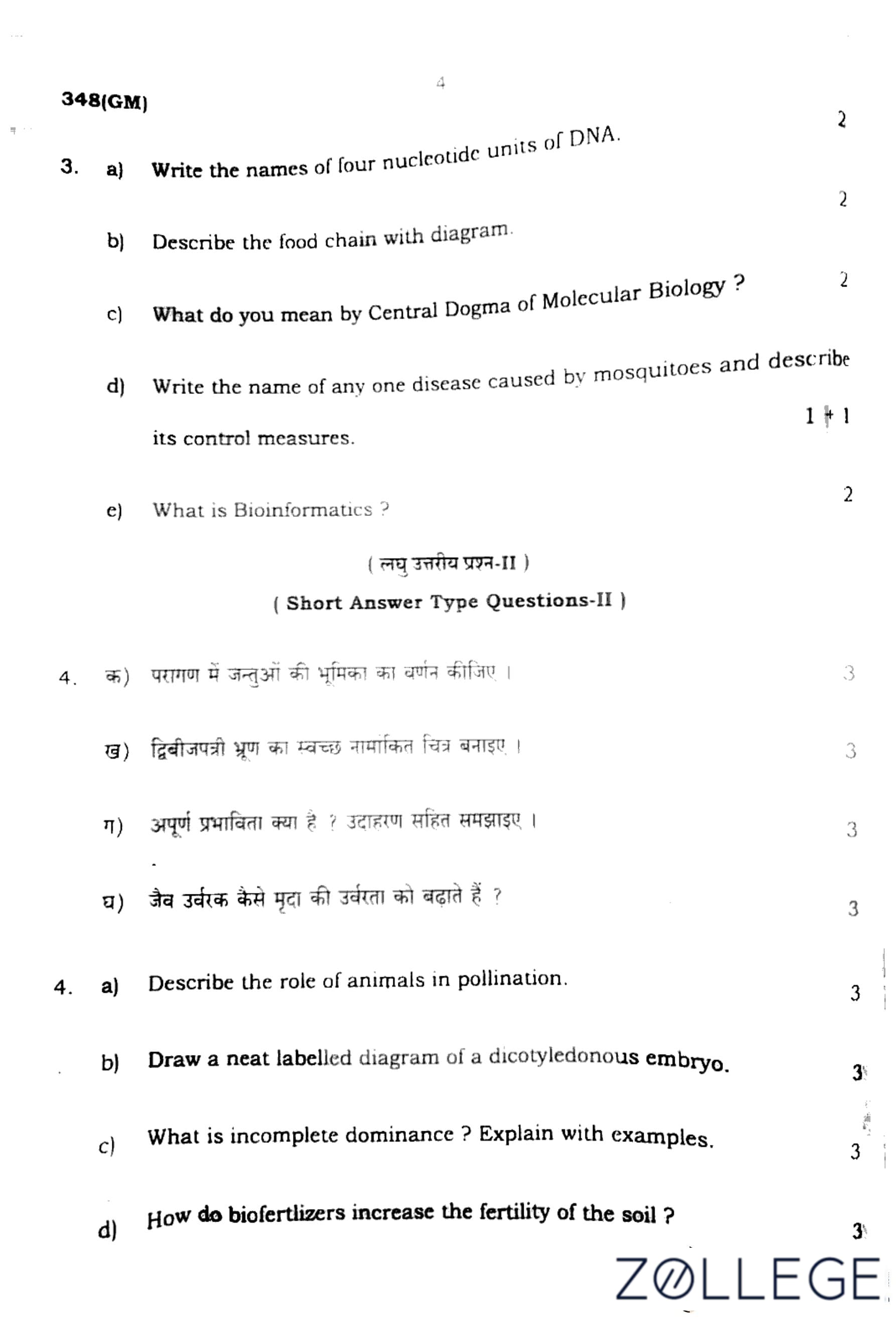
(b) Describe the food chain with a diagram.
View Solution
Step 1: A food chain illustrates the flow of energy from one organism to another in an ecosystem. It starts with the producers and moves through various levels of consumers.
Step 2: The basic structure of a food chain is as follows:
1. Producers (e.g., plants) form the base of the chain.
2. Primary Consumers (e.g., herbivores) consume producers.
3. Secondary Consumers (e.g., carnivores) eat primary consumers.
4. Tertiary Consumers (e.g., apex predators) consume secondary consumers.
\[ Sunlight \to Plants (Producer) \to Herbivores (Primary Consumer) \] \[\to Carnivores (Secondary Consumer)\to Top Predators (Tertiary Consumer)\] Quick Tip: Food chains are important in understanding the energy flow within ecosystems. Each level is known as a trophic level.
(c) What do you mean by the Central Dogma of Molecular Biology?
View Solution
Step 1: The Central Dogma of Molecular Biology describes the flow of genetic information within a biological system.
Step 2: It states that genetic information flows from DNA to RNA, and from RNA to protein. This is a two-step process that involves:
1. Transcription of DNA into messenger RNA (mRNA).
2. Translation of mRNA into a sequence of amino acids to form proteins.
\[ DNA \xrightarrow{Transcription} mRNA \xrightarrow{Translation} Protein \] Quick Tip: The Central Dogma is a fundamental principle in molecular biology, explaining how genetic material is used to synthesize proteins.
(d) Write the name of any one disease caused by mosquitoes and describe its control measures.
View Solution
Step 1: One common disease caused by mosquitoes is Malaria, which is transmitted by the Anopheles mosquito.
Step 2: Control measures for Malaria include:
1. Use of Insecticide-Treated Nets (ITNs) to prevent mosquito bites during sleep.
2. Indoor Residual Spraying (IRS) with insecticides to kill mosquitoes inside homes.
3. Elimination of Breeding Sites by draining stagnant water where mosquitoes breed.
4. Taking Antimalarial Drugs as a preventive measure in high-risk areas. Quick Tip: Effective mosquito control involves both personal protection and environmental management to reduce the spread of mosquito-borne diseases.
(e) What is Bioinformatics?
View Solution
Step 1: Bioinformatics is an interdisciplinary field that combines biology, computer science, and information technology. It focuses on the management and analysis of biological data, especially large datasets related to genetics and genomics.
Step 2: Bioinformatics uses algorithms, databases, and software tools to analyze sequences of DNA, RNA, and proteins, helping to uncover insights into biological functions and relationships. Quick Tip: Bioinformatics is vital for research in areas like genomics, drug discovery, and personalized medicine, where vast amounts of biological data need to be analyzed efficiently.
(a) Describe the role of animals in pollination.
View Solution
Step 1: Animals play a crucial role in pollination, which is the transfer of pollen from the male part (anther) to the female part (stigma) of flowers.
Step 2: Various animals, including insects (such as bees and butterflies), birds, and mammals, are involved in pollination. These animals are attracted to flowers due to their color, scent, and nectar.
Step 3: As the animal collects nectar or pollen from flowers, pollen grains stick to their bodies. When they move to another flower of the same species, the pollen is transferred, allowing fertilization to occur. Quick Tip: Pollination by animals, especially insects like bees, is essential for the reproduction of many plant species and is crucial for agricultural production.
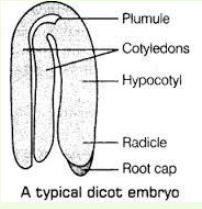
(b) Draw a neat labelled diagram of a dicotyledonous embryo.
View Solution
Step 1: A dicotyledonous embryo is the early stage of a dicot plant, which contains two cotyledons (seed leaves).
Step 2: The diagram should show the following parts:
1. Cotyledons: The seed leaves that store food.
2. Radicle: The part that develops into the root.
3. Plumule: The part that develops into the shoot.
4. Hypocotyl: The region below the cotyledons, forming the stem.
5. Epicotyl: The region above the cotyledons that forms the upper part of the stem.
Quick Tip: The number of cotyledons is a key feature distinguishing monocots (one cotyledon) from dicots (two cotyledons).
(c) What is incomplete dominance? Explain with examples.
View Solution
Step 1: Incomplete dominance is a genetic phenomenon in which the phenotype of heterozygous individuals is intermediate between the two homozygous phenotypes.
Step 2: In this case, neither allele is completely dominant over the other. An example is the inheritance of flower color in snapdragons, where red-flowered plants (RR) are crossed with white-flowered plants (WW). The offspring (RW) have pink flowers, showing an intermediate phenotype. Quick Tip: Incomplete dominance results in a blending of traits, unlike complete dominance where one allele completely masks the other.
(d) How do biofertilizers increase the fertility of the soil?
View Solution
Step 1: Biofertilizers are natural substances that contain living microorganisms, such as bacteria, fungi, and algae, which enhance soil fertility.
Step 2: These microorganisms improve soil health by fixing nitrogen, decomposing organic matter, and promoting the availability of essential nutrients for plants. For example, nitrogen-fixing bacteria, such as Rhizobium, form symbiotic relationships with legume plants, converting atmospheric nitrogen into a form that plants can use.
Step 3: Biofertilizers help in reducing the need for chemical fertilizers, making them an eco-friendly alternative that improves soil structure and biodiversity. Quick Tip: Biofertilizers promote sustainable agriculture by enhancing soil fertility naturally without harming the environment.
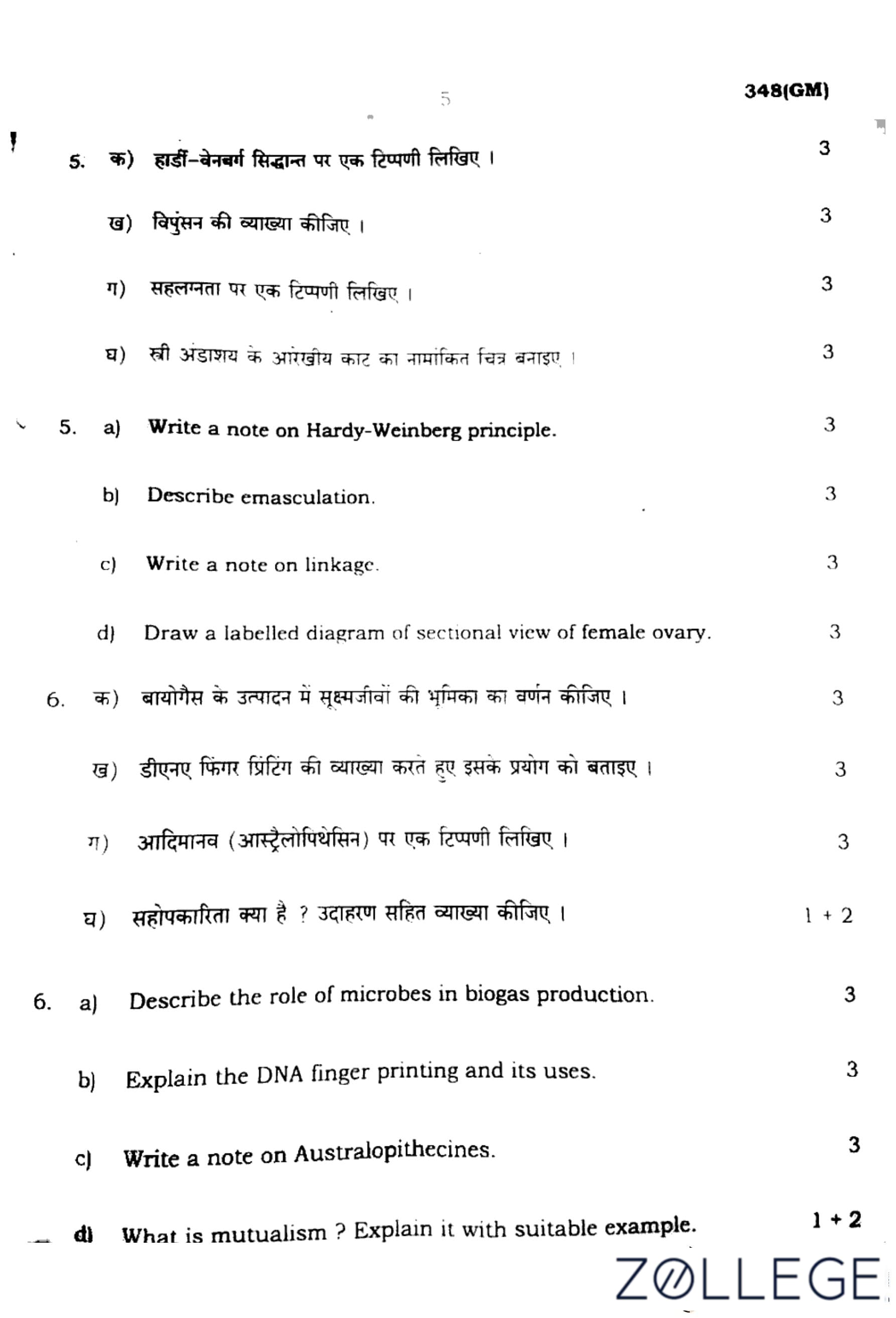
(a) Write a note on Hardy-Weinberg principle.
View Solution
Step 1: The Hardy-Weinberg principle is a fundamental concept in population genetics, stating that allele frequencies in a population will remain constant from generation to generation in the absence of evolutionary influences.
Step 2: For the Hardy-Weinberg equilibrium to hold, the following conditions must be met:
1. Large population size.
2. Random mating.
3. No mutation.
4. No migration.
5. No natural selection.
Step 3: The principle is mathematically expressed as: \[ p^2 + 2pq + q^2 = 1 \]
where \(p\) is the frequency of the dominant allele and \(q\) is the frequency of the recessive allele. Quick Tip: The Hardy-Weinberg principle provides a baseline for studying genetic evolution and changes in allele frequencies in populations.
(b) Describe emasculation.
View Solution
Step 1: Emasculation is a technique used in plant breeding to prevent self-pollination. It involves the removal of the anthers (male reproductive parts) from a flower to ensure that the flower cannot produce pollen.
Step 2: This technique is commonly used in controlled cross-pollination experiments, allowing pollen from another plant to fertilize the ovule of the emasculated flower.
Step 3: Emasculation is an essential step in hybridization, particularly when studying traits that involve cross-breeding of plants. Quick Tip: Emasculation ensures that the flowers can only receive pollen from a different plant, preventing self-fertilization and encouraging genetic diversity.
(c) Write a note on linkage.
View Solution
Step 1: Linkage refers to the tendency of genes that are located close to each other on the same chromosome to be inherited together during meiosis.
Step 2: Genes that are linked show a pattern of inheritance different from Mendel’s law of independent assortment. Linked genes do not segregate independently but are transmitted together to offspring.
Step 3: The strength of linkage depends on the distance between the genes on the chromosome. The closer the genes are, the stronger the linkage. Quick Tip: Linkage plays an important role in gene mapping and the study of genetic diseases, as it helps track genes that are inherited together.
(d) Draw a labelled diagram of a sectional view of the female ovary.
View Solution
Step 1: The female ovary contains several structures, including the ovarian follicles, oocytes (immature eggs), and the corpus luteum.
Step 2: A sectional view of the ovary shows the following components:
1. Ovarian follicles: Contain the developing oocytes.
2. Graafian follicle: The mature follicle ready to release the egg during ovulation.
3. Corpus luteum: The structure formed after ovulation that secretes progesterone.
4. Oocyte: The immature egg that will eventually be ovulated.
% Diagram to be inserted here. Quick Tip: The ovary is a key organ in the female reproductive system, involved in egg production, hormone secretion, and ovulation.
(a) Describe the role of microbes in biogas production.
View Solution
Step 1: Microbes play a vital role in the production of biogas through anaerobic digestion. During this process, microorganisms break down organic matter in the absence of oxygen, producing methane and carbon dioxide as byproducts.
Step 2: The process involves two main groups of microbes:
1. Acidogenic bacteria: They break down complex organic compounds into simple acids.
2. Methanogenic archaea: They convert these acids into methane, which is the main component of biogas.
Step 3: Biogas production is an important renewable energy source, and it helps reduce waste by utilizing organic material. Quick Tip: Biogas production is a clean energy process that reduces reliance on fossil fuels and helps in waste management.
(b) Explain DNA fingerprinting and its uses.
View Solution
Step 1: DNA fingerprinting, also known as DNA profiling, is a technique used to identify individuals based on their unique DNA sequence. It involves comparing specific regions of DNA that vary widely between individuals, such as short tandem repeats (STRs).
Step 2: The process includes extracting DNA, amplifying the regions of interest through PCR, and then separating the fragments by gel electrophoresis.
Step 3: DNA fingerprinting is used in various fields, including forensic science (to identify criminals), paternity testing, and wildlife conservation (to track endangered species). Quick Tip: DNA fingerprinting is a powerful tool for identifying individuals and has widespread applications in law enforcement, medicine, and biology.
(c) Write a note on Australopithecines.
View Solution
Step 1: Australopithecines are an extinct genus of hominins that lived in Africa approximately 4 to 2 million years ago. They are considered one of the earliest ancestors of modern humans.
Step 2: They are characterized by both ape-like and human-like features. Australopithecines had a smaller brain compared to modern humans, but they walked upright, which is one of the key traits distinguishing them from other primates.
Step 3: Some well-known species of Australopithecines include *Australopithecus afarensis* (e.g., "Lucy") and *Australopithecus africanus*. Quick Tip: The study of Australopithecines provides crucial insights into human evolution and the development of bipedalism.
(d) What is mutualism? Explain it with a suitable example.
View Solution
Step 1: Mutualism is a type of symbiotic relationship in which both species involved benefit from the interaction.
Step 2: In mutualistic relationships, both organisms gain something essential for survival or reproduction. An example of mutualism is the relationship between bees and flowers. Bees collect nectar from flowers for food, while they help in pollinating the flowers, enabling them to reproduce. Quick Tip: Mutualism is a key ecological interaction that promotes biodiversity and helps maintain ecosystem balance.
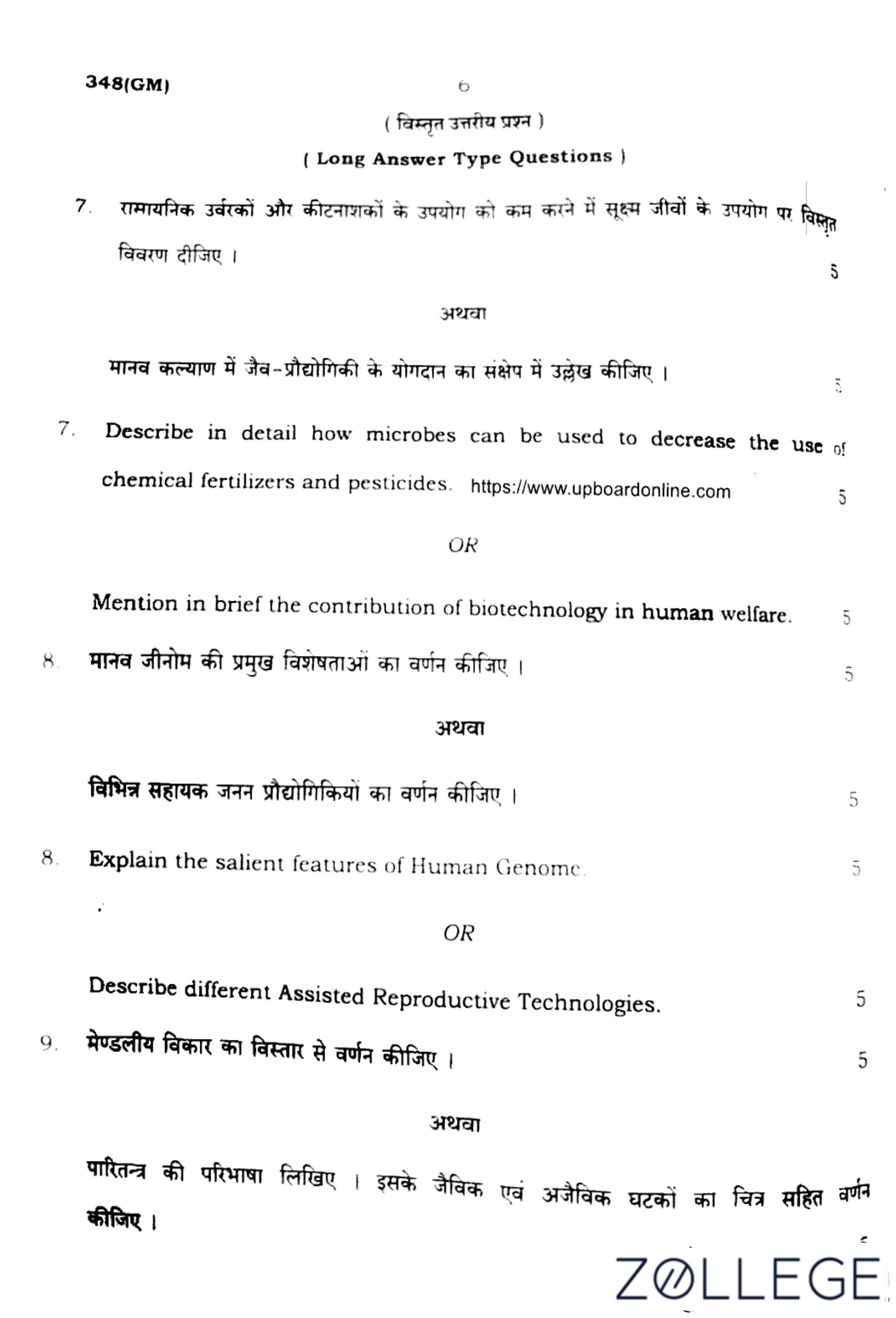
(a) Describe in detail how microbes can be used to decrease the use of chemical fertilizers and pesticides.
View Solution
Step 1: Microbes can play a vital role in reducing the reliance on chemical fertilizers and pesticides by enhancing soil fertility and controlling pests naturally.
Step 2: Some ways microbes contribute to this are:
1. Nitrogen-Fixing Bacteria: Certain bacteria, such as Rhizobium, form symbiotic relationships with leguminous plants and convert atmospheric nitrogen into a form that plants can use, reducing the need for synthetic nitrogen fertilizers.
2. Mycorrhizal Fungi: These fungi form associations with plant roots, aiding in the uptake of essential nutrients such as phosphorus, thereby reducing the need for chemical phosphorus fertilizers.
3. Biocontrol Agents: Certain microorganisms can act as natural pesticides by attacking and killing harmful pests or inhibiting their growth. For example, Bacillus thuringiensis is used as a biopesticide to control insect pests.
4. Decomposing Microbes: Decomposers break down organic matter, enriching the soil with nutrients, which can reduce the need for chemical fertilizers.
Step 3: By utilizing these natural microbial processes, we can improve agricultural sustainability and reduce the environmental impact of chemical inputs. Quick Tip: Using microbes in agriculture can enhance soil health, promote nutrient cycling, and reduce dependence on harmful chemicals.
(b) Mention in brief the contribution of biotechnology in human welfare.
View Solution
Step 1: Biotechnology has made significant contributions to human welfare in various fields, including medicine, agriculture, and environmental management.
Step 2: Some of the key contributions include:
1. Medicinal Biotechnology: The production of insulin, vaccines, and antibiotics through recombinant DNA technology has revolutionized the treatment of diseases.
2. Agricultural Biotechnology: Genetically modified crops with improved traits, such as resistance to pests and tolerance to environmental stresses, have increased agricultural productivity.
3. Environmental Biotechnology: Microbial bioremediation techniques help in the cleanup of polluted environments, while waste management processes use biotechnology to recycle organic waste.
4. Industrial Biotechnology: Enzymes and biofuels are produced using microbial fermentation, providing sustainable alternatives to petrochemical-based products.
Step 3: Biotechnology continues to have a profound impact on improving human health, food security, and environmental sustainability. Quick Tip: Biotechnology is at the forefront of solving some of humanity’s most pressing challenges in health, food production, and environmental conservation.
(a) Explain the salient features of the Human Genome.
View Solution
Step 1: The Human Genome refers to the complete set of genetic material in human cells, including all the DNA sequences. The human genome consists of about 3 billion base pairs of DNA.
Step 2: Key features of the human genome include:
1. Number of Genes: The human genome contains approximately 20,000-25,000 protein-coding genes.
2. Chromosomes: The genome is divided into 23 pairs of chromosomes, including 22 autosomal pairs and one pair of sex chromosomes (XX or XY).
3. Non-Coding DNA: A significant portion of the human genome does not code for proteins but plays important regulatory roles, including non-coding RNAs and introns.
4. Genetic Variation: There is significant genetic diversity within the human population, leading to differences in traits and susceptibility to diseases.
5. Mapping and Sequencing: The Human Genome Project, completed in 2003, successfully mapped the entire human genome, providing crucial information for medical research and disease prevention.
Step 3: Understanding the human genome has paved the way for advancements in personalized medicine, gene therapy, and understanding genetic diseases. Quick Tip: The human genome project has provided crucial insights into human genetics, helping to develop targeted therapies and understand the genetic basis of diseases.
(b) Describe different Assisted Reproductive Technologies.
View Solution
Step 1: Assisted Reproductive Technologies (ART) are medical procedures used to help individuals and couples conceive. These technologies are used in cases of infertility or genetic conditions.
Step 2: Some of the key ART methods include:
\
1. In Vitro Fertilization (IVF): This process involves fertilizing an egg outside the body and then implanting the embryo into the uterus.
2. Intracytoplasmic Sperm Injection (ICSI): A single sperm is directly injected into an egg to facilitate fertilization, used in cases of male infertility.
3. Intrauterine Insemination (IUI): Sperm is directly inserted into the uterus to increase the chances of fertilization.
4. Egg/Sperm Donation: Donated eggs or sperm are used in cases where one partner has infertility issues.
5. Surrogacy: A woman carries and gives birth to a child for another individual or couple.
Step 3: ART has enabled many individuals and couples to overcome infertility and has become an essential part of reproductive medicine. Quick Tip: ART provides solutions for infertility, but it also raises ethical and legal considerations, especially regarding egg/sperm donation and surrogacy.
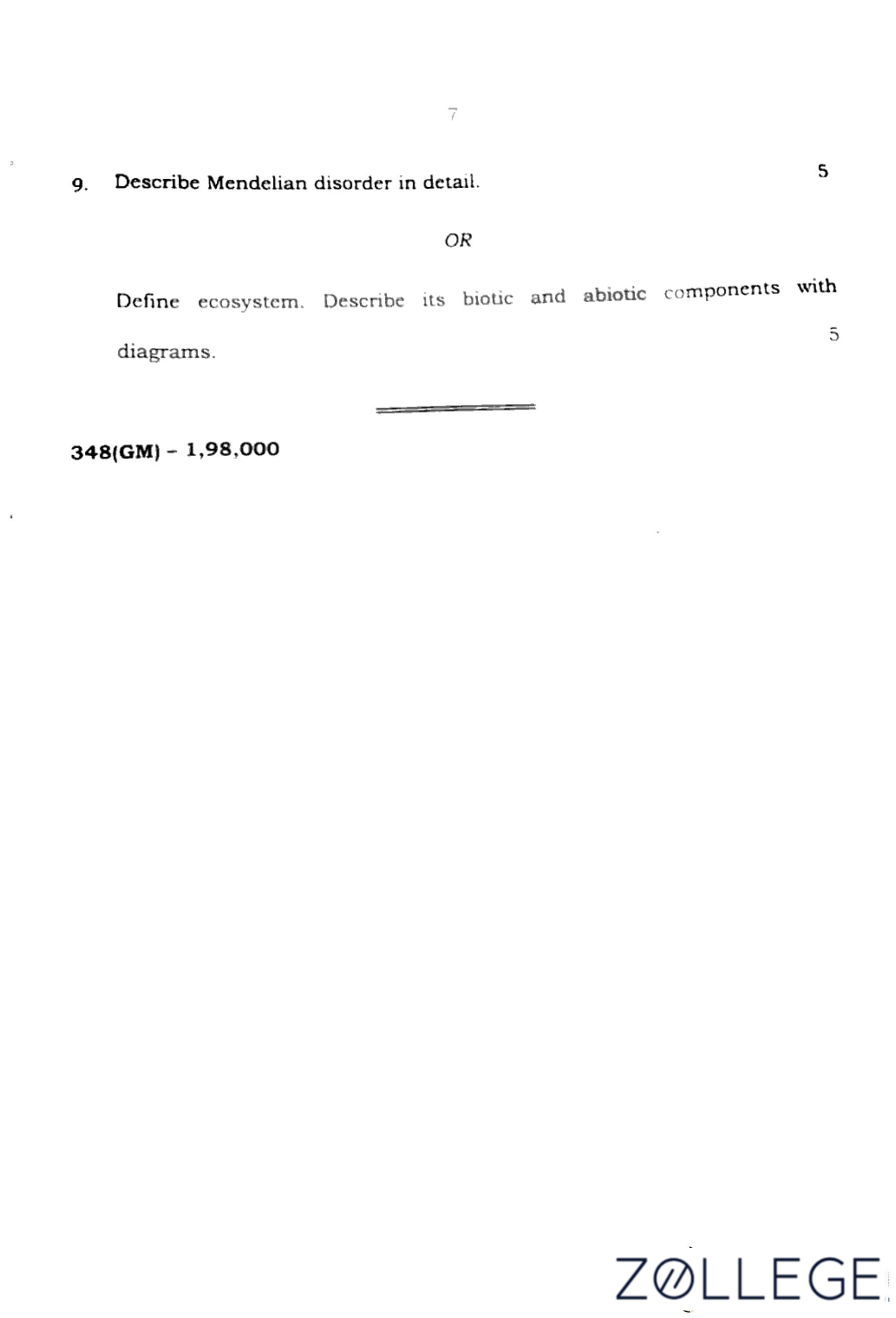
(a) Describe Mendelian disorder in detail.
View Solution
Step 1: Mendelian disorders are genetic disorders that follow the inheritance patterns first described by Gregor Mendel. These disorders are caused by mutations in single genes and are inherited according to Mendel’s laws of inheritance.
Step 2: Mendelian disorders can be classified into:
1. Autosomal Dominant Disorders: A single copy of the mutated gene from one parent is sufficient to cause the disorder. Examples include Huntington's disease and Marfan syndrome.
2. Autosomal Recessive Disorders: The disorder occurs when an individual inherits two copies of the mutated gene, one from each parent. Examples include cystic fibrosis and sickle cell anemia.
3. X-linked Disorders: These disorders are caused by mutations in genes located on the X chromosome. Hemophilia and color blindness are examples.
Step 3: The inheritance of Mendelian disorders can be tracked using pedigree charts, which help determine the probability of passing the disorder to offspring. Quick Tip: Mendelian disorders are inherited based on simple genetic patterns, but their expression can be influenced by other genetic and environmental factors.
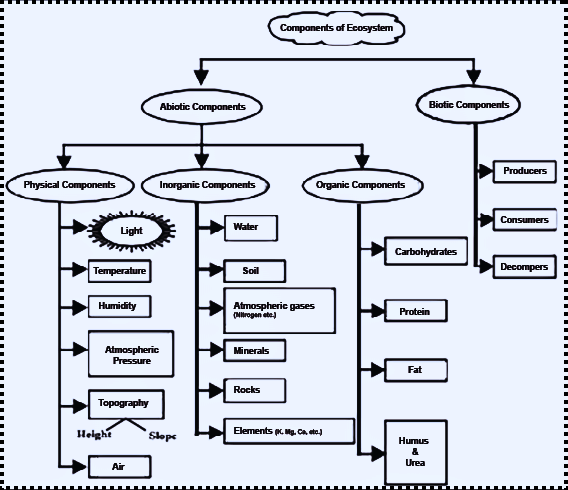
(b) Define ecosystem. Describe its biotic and abiotic components with diagrams.
View Solution
Step 1: An ecosystem is a functional unit of nature consisting of both living organisms (biotic components) and their physical environment (abiotic components). These components interact with each other to maintain a balance and support life processes.
Step 2: The two main components of an ecosystem are:
1. Biotic Components: These are the living organisms within an ecosystem, including producers (plants), consumers (animals), and decomposers (fungi and bacteria).
2. Abiotic Components: These are the non-living factors that affect the ecosystem, such as sunlight, temperature, air, water, soil, and nutrients.
Step 3: The interaction between biotic and abiotic components forms the basis of ecological processes, such as nutrient cycling and energy flow.
 . Quick Tip: An ecosystem can be terrestrial (land-based) or aquatic (water-based) and can vary greatly in size, from a small pond to a large forest or ocean.
*The article might have information for the previous academic years, please refer the official website of the exam.