
UP Board Class 12 Business Studies Question Paper 2024 Available- Download Question paper with Solution

.jpg?tr=h-55,w-55,c-force)
Content Strategist|Tech-innovator|National Hackathon Winner | Updated On - Feb 28, 2025
UP Board Class 12 Business Studies Question Paper 2024 PDF is available for download here. The Business Studies exam was conducted on February 27, 2024 in the Evening Shift from 2 PM to 5:15 PM. The total marks for the theory paper are 100. Students reported the paper to be easy to moderate.
UP Board Class 12 Business Studies Question Paper 2024 with Solutions
| UP Board Class 12 Business Studies Question Paper with Answer Key |  Download Download |
Check Solution |

UP Board Class 12 Business Studies Questions with Solutions
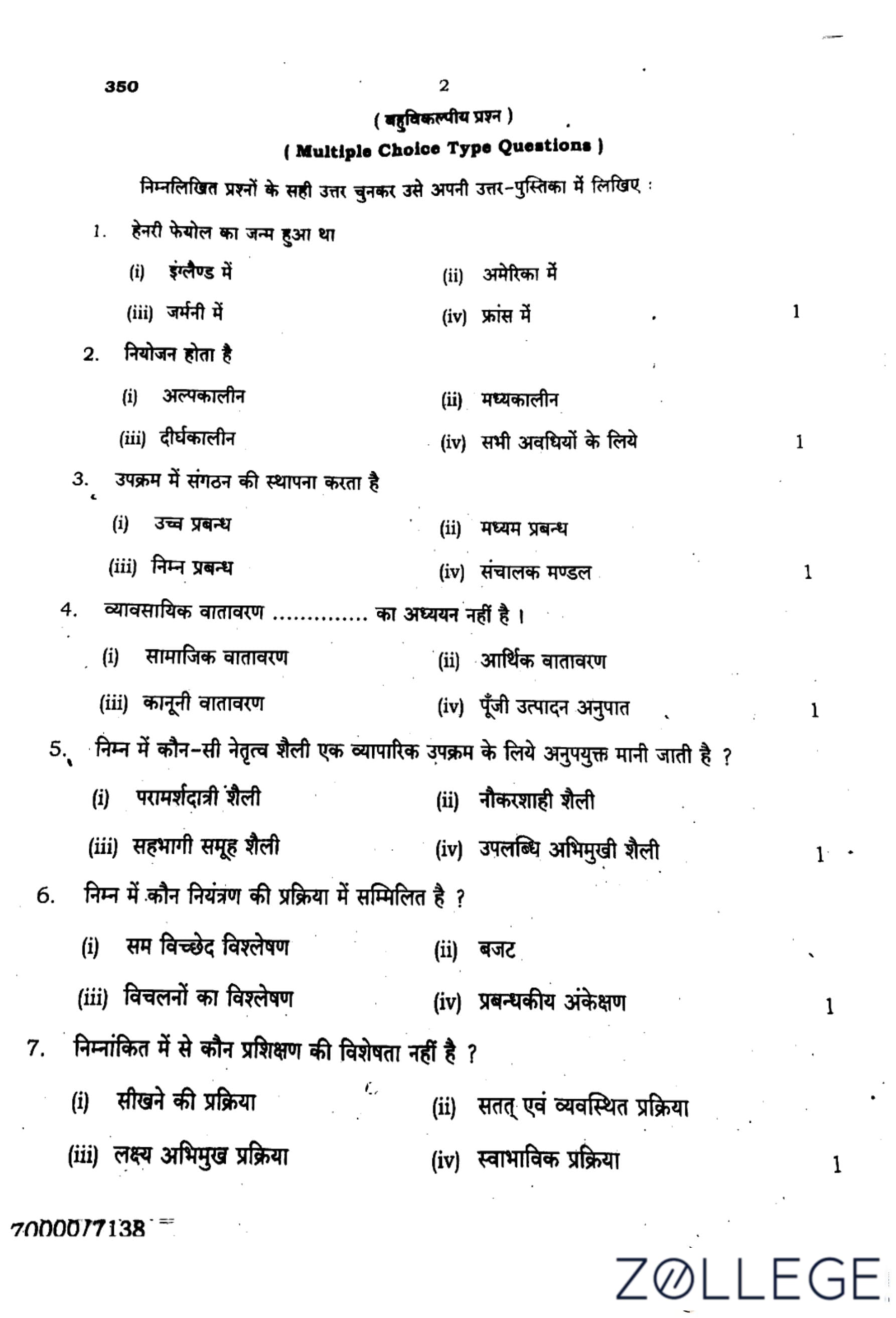
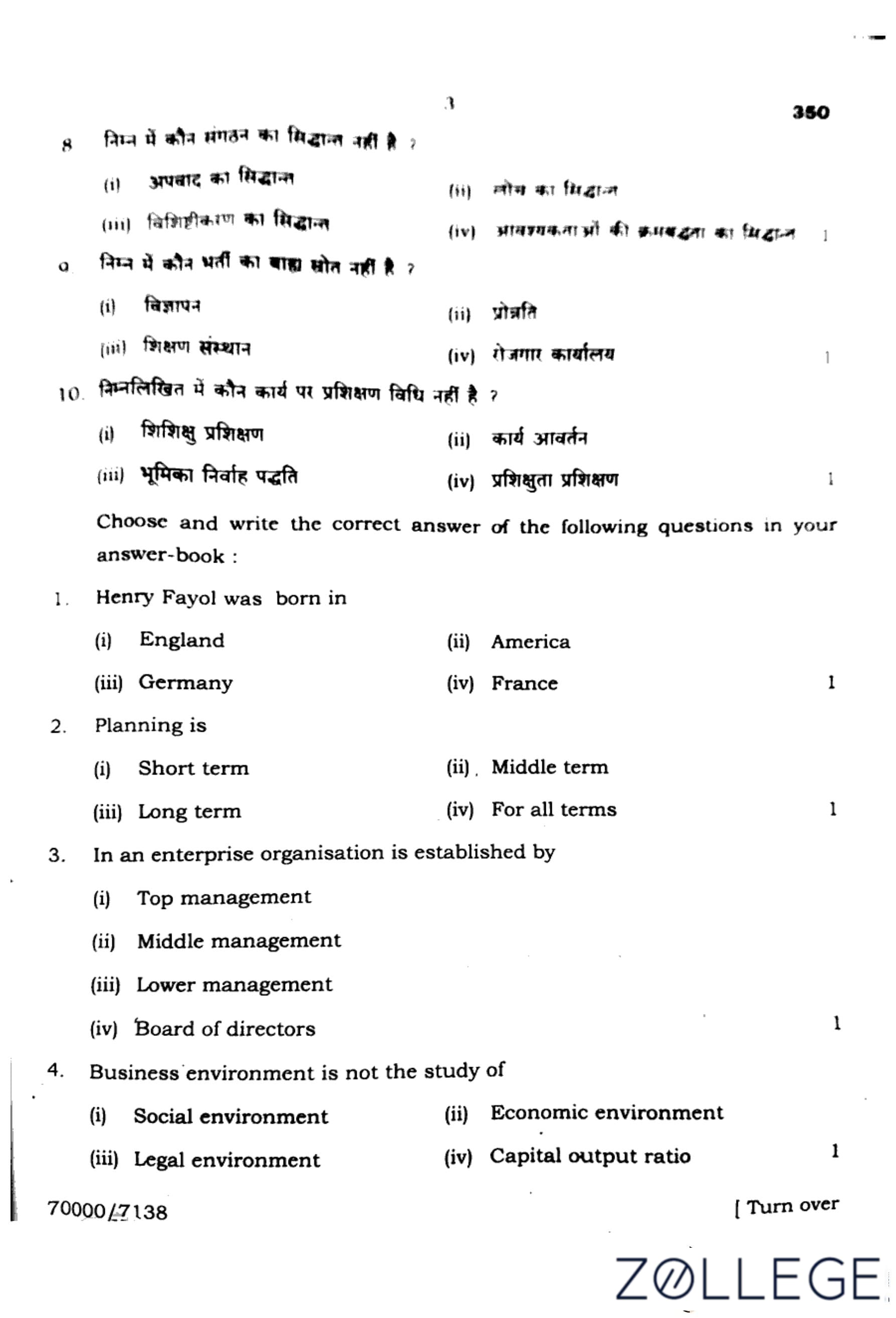
Henry Fayol was born in:
View Solution
Henry Fayol, a French mining engineer and management theorist, is widely recognized for his significant contributions to the field of management. Born in France, Fayol's work primarily focused on administrative management and the organization of work. He is best known for his development of the 14 Principles of Management, which laid the foundation for modern management practices.
Fayol's theory emphasized the importance of a structured approach to management, with a focus on efficiency, coordination, and the relationship between various elements of an organization. He proposed that management should be viewed as a distinct function, separate from the technical operations of the business. His principles included ideas such as division of work, authority and responsibility, discipline, unity of command, and centralization versus decentralization, among others.
These principles were intended to guide managers in organizing, planning, leading, and controlling the activities within an organization. They laid the groundwork for subsequent management theories and remain relevant to this day in guiding managerial decision-making and organizational practices.
Fayol's work has had a lasting impact on both academic management studies and practical management practices, making him a key figure in the development of management theory. Quick Tip: Henry Fayol is regarded as the "Father of Modern Management" due to his foundational work in administrative theory and his lasting influence on management practices.
Planning is:
View Solution
Planning is a strategic process that applies to goals of varying time frames, including short-term, medium-term, and long-term objectives. It encompasses the identification of goals, outlining necessary actions, and ensuring that the required resources are available to accomplish the desired results. Quick Tip: Successful planning takes into account all time horizons, ensuring that daily tasks align with overarching long-term goals.
In an enterprise, organisation is established by:
View Solution
In an organization, the top management is responsible for shaping the overall structure, defining roles and responsibilities, and ensuring that everything is aligned with the company's strategic goals. Quick Tip: Top management is primarily focused on strategic decision-making, while middle and lower management oversee tactical and operational functions.
Business environment is not the study of:
View Solution
The business environment refers to external factors such as social, economic, and legal conditions that impact businesses. The capital output ratio, however, is a measure of production efficiency and is not included in the study of the business environment. Quick Tip: The business environment encompasses external influences on a company's operations, while internal efficiency metrics like the capital output ratio are not part of this analysis.
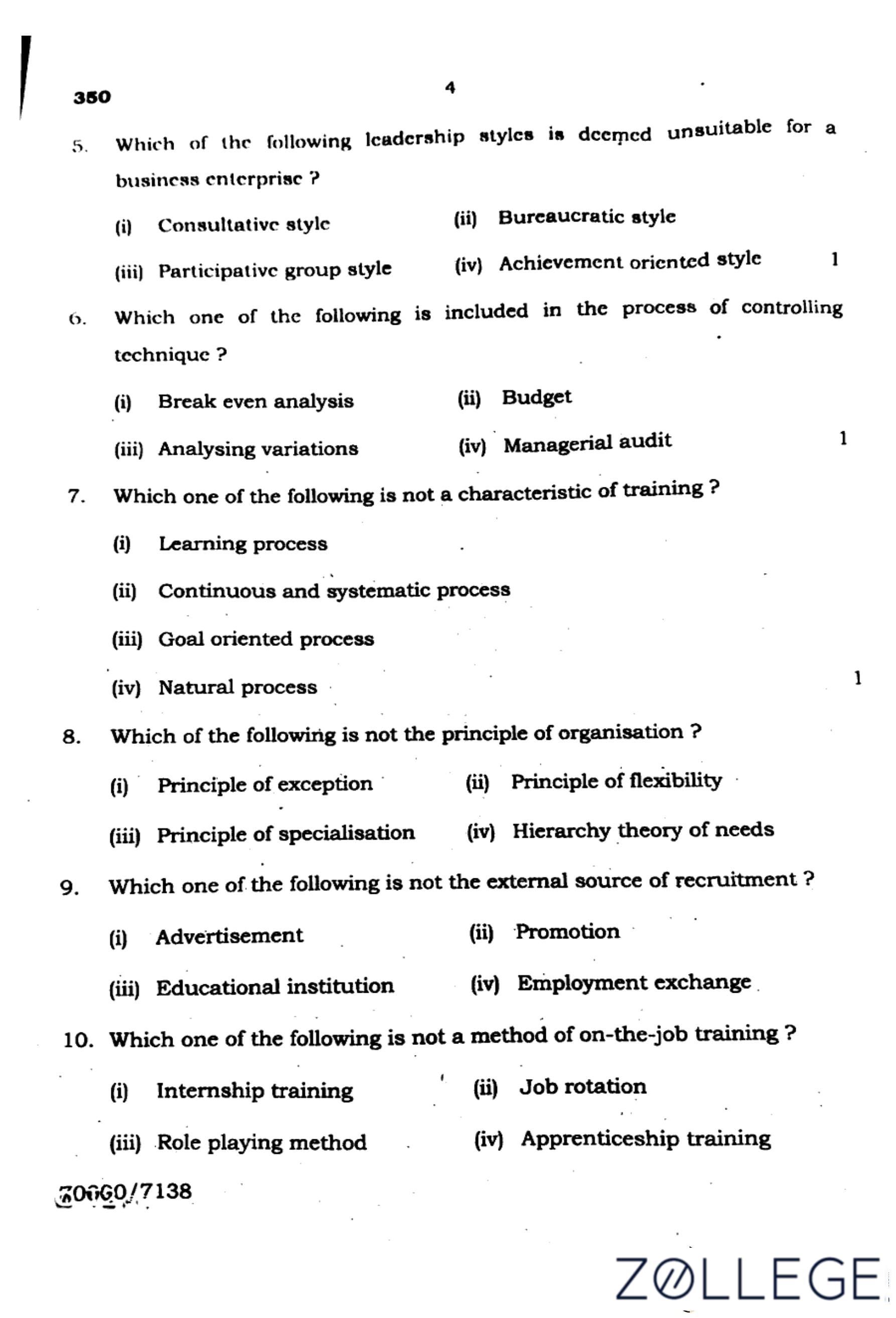
Which of the following leadership styles is deemed unsuitable for a business enterprise?
View Solution
The bureaucratic leadership style, which emphasizes strict adherence to rules and procedures, is often ill-suited for fast-paced business environments. It can result in delays, limit flexibility, and stifle innovation. Quick Tip: Successful leadership in business demands adaptability, innovation, and the capacity to inspire teams—qualities that are typically absent in the bureaucratic style.
Which one of the following is included in the process of controlling technique?
View Solution
Break-even analysis is an important control tool used to identify the point at which total revenue equals total costs. It assists managers in making informed decisions regarding cost management and pricing strategies. Quick Tip: Control techniques, such as break-even analysis, are crucial for assessing performance and maintaining financial stability.
Which one of the following is not a characteristic of training?
View Solution
Training is a deliberate and goal-driven process aimed at improving skills and knowledge. It is not an instinctive process but a planned effort to boost performance. Quick Tip: Training helps close the gap between existing abilities and the skills needed, ensuring a prepared and efficient workforce.
Which of the following is not the principle of organisation?
View Solution
Maslow's hierarchy of needs is a psychological theory, not an organizational principle. Foundational principles such as exception, flexibility, and specialization are key to effective organizational management. Quick Tip: It's important to distinguish between organizational principles and psychological theories to prevent confusion.
Which one of the following is not the external source of recruitment?
View Solution
Promotion is considered an internal recruitment source, as it entails advancing current employees to higher roles within the organization. In contrast, external sources include methods like advertisements and employment exchanges. Quick Tip: Internal recruitment methods, such as promotion, inspire current employees, while external sources help bring in new talent to the organization.
Which one of the following is not a method of on-the-job training?
View Solution
Role-playing is an off-the-job training method, as it simulates real-life scenarios outside the actual work environment. On-the-job training methods involve hands-on experience like internships and job rotations. Quick Tip: On-the-job training focuses on practical learning, while off-the-job training enhances skills through simulated exercises and workshops.
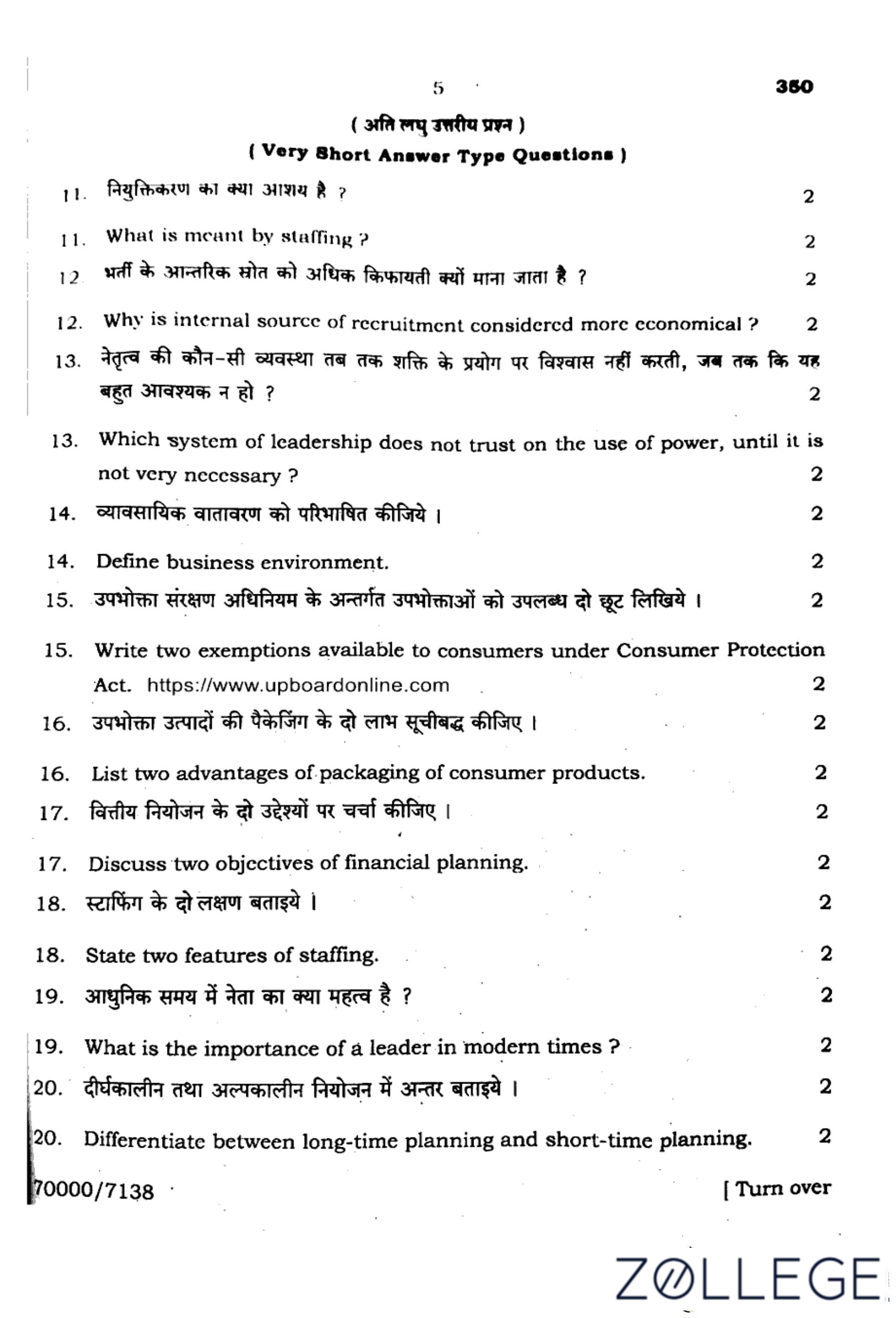
What is meant by staffing?
View Solution
Staffing is a key managerial function that involves recruiting, selecting, training, and developing employees to ensure the right individuals are assigned to the right roles. It aims to meet the human resource needs of an organization in order to achieve its objectives effectively. Quick Tip: Staffing aligns the organization's requirements with employees' skills, enhancing operational efficiency.
Why is internal source of recruitment considered more economical?
View Solution
Internal recruitment sources, such as promotions and transfers, are cost-effective because they eliminate expenses related to advertising, training, and onboarding. Since existing employees are already familiar with the organizational culture and processes, the time and costs associated with external hiring are significantly reduced. Quick Tip: Internal recruitment enhances employee morale and cuts recruitment costs, ensuring seamless continuity in operations.
Which system of leadership does not trust on the use of power, until it is not very necessary?
View Solution
The participative leadership style reduces reliance on power, focusing instead on collaboration, decision-making, and building trust within the team. Authority is exercised only when essential, promoting a supportive and inclusive atmosphere. Quick Tip: Participative leadership boosts employee engagement and fosters innovation by minimizing the unnecessary use of power.
Define business environment.
View Solution
The business environment encompasses both external and internal factors that impact a company's operations, decision-making, and overall performance. It includes economic, social, political, technological, and legal conditions that create opportunities and pose challenges for businesses. Quick Tip: A comprehensive analysis of the business environment enables organizations to adapt to changes and maintain a competitive edge in the market.
Write two exemptions available to consumers under Consumer Protection Act.
View Solution
The Consumer Protection Act grants consumers the following rights and protections:
1. Right to Safety: Protection from unsafe goods and services.
2. Right to Information: The right to receive accurate and comprehensive information about products and services to make well-informed decisions.
Quick Tip: The Consumer Protection Act enables consumers to defend their rights and promotes fair trade practices.
List two advantages of packaging of consumer products.
View Solution
1. Protection: Packaging safeguards products from damage during transit, storage, and handling.
2. Brand Promotion: Well-designed packaging boosts product appeal, aids in brand recognition, and attracts customers.
Quick Tip: Effective packaging blends functionality with marketing, making it a crucial element of product management.
Discuss two objectives of financial planning.
View Solution
1. Ensure Availability of Funds: Financial planning ensures that sufficient funds are available for the smooth execution of business operations.
2. Optimal Utilization of Resources: It aids in the efficient allocation of resources to maximize profitability and support growth.
Quick Tip: Financial planning aligns an organization's goals with its resource allocation, promoting long-term, sustainable growth.
State two features of staffing.
View Solution
1. Continuous Process: Staffing is an ongoing process that ensures an organization consistently has the right people in the right positions at the right time. This process includes the continuous evaluation of staffing needs and the recruitment of individuals with the necessary skills to fulfill organizational requirements. It also involves adapting to changes in the business environment and workforce dynamics, ensuring that the organization remains well-staffed at all times.
2. Human-Centric: Staffing is centered around people, focusing on recruiting, training, and developing the workforce to improve organizational performance. It involves not only hiring the right talent but also providing them with the necessary tools, training, and career development opportunities to ensure they can perform their roles effectively. This approach fosters employee growth, improves job satisfaction, and enhances productivity, ultimately contributing to the overall success of the organization. Quick Tip: Effective staffing strikes a balance between meeting the organization’s needs and fostering employee growth, leading to a more motivated and efficient workforce.
What is the importance of a leader in modern times?
View Solution
1. Vision and Direction: A leader defines a clear vision and sets the direction for the team, ensuring that everyone’s efforts align with the organization's overall objectives. This guidance helps the team stay focused and work cohesively toward common goals.
2. Motivation and Inspiration: Leaders play a key role in motivating employees to give their best, while also cultivating a collaborative and positive work environment. By inspiring confidence and fostering teamwork, leaders can enhance employee engagement and performance. Quick Tip: In today’s fast-paced business world, leaders must be flexible and innovative to effectively address evolving challenges and drive success.
Differentiate between long-time planning and short-time planning.
View Solution
Long-term planning refers to plans that span a period of 5 years or more, focusing on strategic goals and the long-term vision of the organization. This type of planning typically includes initiatives such as expansion plans or market entry strategies, which require a longer time horizon and significant resources.
On the other hand, short-term planning is centered around operations that take place within 1 to 3 years. It deals with more immediate and tactical goals, such as inventory management or setting sales targets, which are essential for day-to-day functioning and achieving medium-term objectives. Quick Tip: Long-term planning focuses on broader, strategic goals, while short-term planning targets operational and tactical objectives necessary for immediate success.
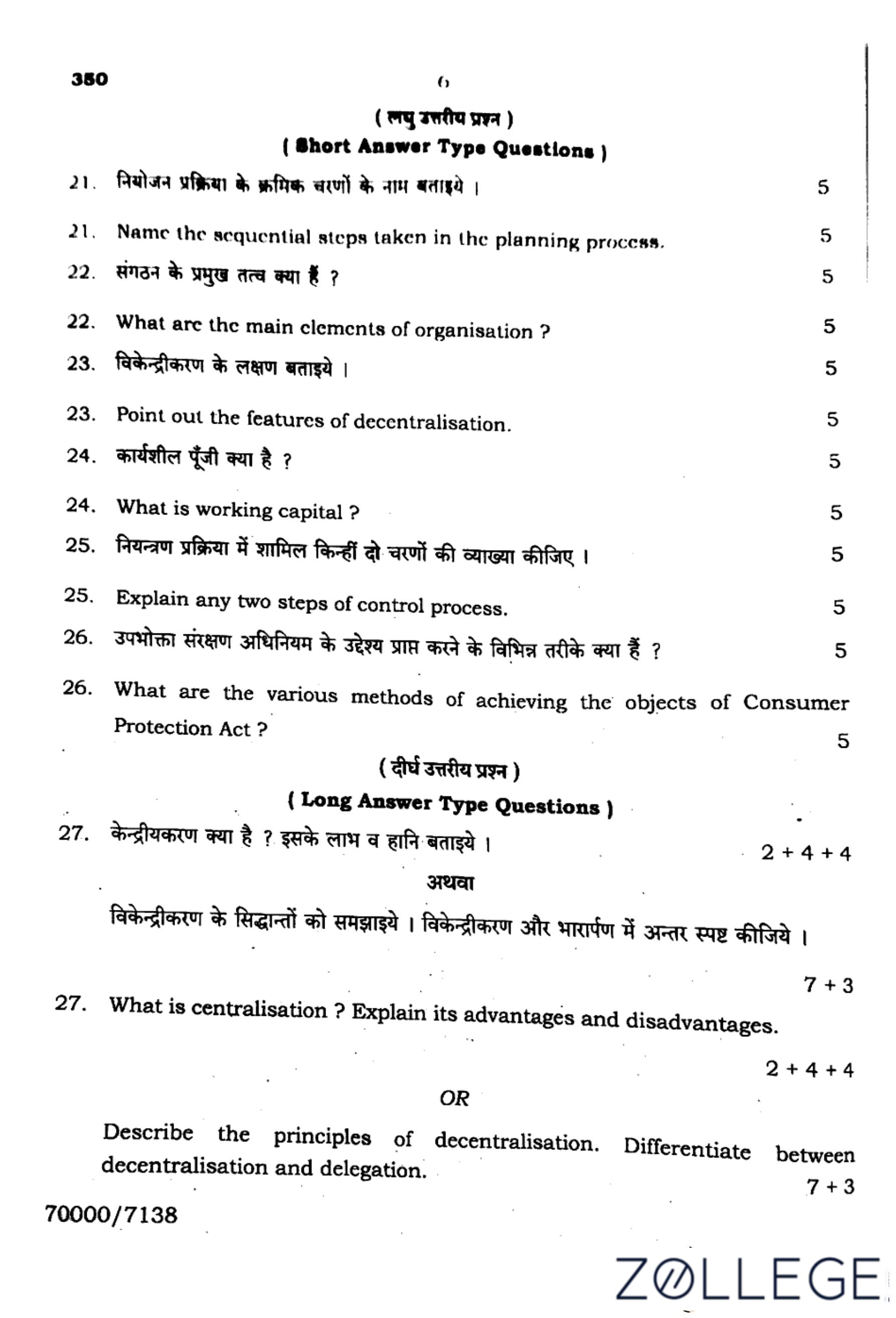
Name the sequential steps taken in the planning process.
View Solution
The planning process consists of the following key steps:
1. Setting Objectives: Identifying the goals the organization aims to achieve.
2. Developing Premises: Evaluating the assumptions about future conditions that might affect the plans.
3. Identifying Alternatives: Exploring different options and strategies that can help reach the objectives.
4. Evaluating Alternatives: Assessing each option for its feasibility, associated risks, and potential for profitability.
5. Selecting the Best Alternative: Choosing the most suitable course of action based on a thorough evaluation of all options.
6. Implementing the Plan: Executing the chosen plan through effective coordination and clear communication.
7. Monitoring and Reviewing the Plan: Continuously tracking progress to ensure alignment with the plan and making necessary adjustments when needed.
Quick Tip: A well-structured planning process helps ensure that goals are met efficiently and resources are used effectively.
What are the main elements of organisation?
View Solution
The key components of an organization include:
1. Division of Work: Tasks are allocated based on specialization, enhancing efficiency and productivity.
2. Departmentalization: Similar functions are grouped into departments like production, marketing, and finance for more effective management.
3. Hierarchy of Authority: Establishing a clear chain of command helps maintain accountability and ensures smooth communication.
4. Coordination: Aligning the efforts of all departments and individuals to work towards the organization’s goals.
5. Centralization and Decentralization: Striking a balance in decision-making authority between top management and lower levels of the organization.
6. Span of Control: Determining the appropriate number of subordinates under each manager to ensure effective supervision and control.
Quick Tip: A well-organized structure promotes smooth operations and facilitates the achievement of organizational goals.
Point out the features of decentralisation.
View Solution
Decentralization involves the deliberate transfer of decision-making authority to lower levels of management. Its key characteristics include:
1. Delegation of Authority: Powers are distributed throughout the organization, allowing lower management to make decisions autonomously.
2. Promotes Initiative: Encourages employees to take responsibility and innovate solutions, fostering creativity.
3. Improves Flexibility: Quick decision-making enables the organization to adapt effectively to changes in the environment.
4. Enhances Motivation: Employees feel valued and trusted when given authority, which increases job satisfaction and engagement.
5. Focus on Core Activities: With operational decisions handled at lower levels, top management can focus more on strategic goals.
6. Better Decision Quality: Employees who are closer to day-to-day operations are in a better position to make informed and practical decisions. Quick Tip: Decentralization promotes efficient operations and cultivates a collaborative and empowered work environment.
What is working capital?
View Solution
Working capital is the difference between a company's current assets and current liabilities, representing the funds available to support day-to-day operations. It serves as a measure of the company's liquidity, operational efficiency, and short-term financial health. The formula for calculating working capital is:
Working Capital = Current Assets - Current Liabilities
Types of Working Capital:
1. Gross Working Capital: This refers to the total value of a company's current assets, including cash, receivables, and inventory.
2. Net Working Capital: This is the difference between current assets and current liabilities, indicating the surplus of assets over liabilities.
Significance:
Positive working capital indicates that the company can meet its short-term obligations, maintain operations, and invest in future growth.
Negative working capital signals potential liquidity problems, which could hinder the company’s ability to operate smoothly.
Factors Affecting Working Capital:
1. Nature of Business: Manufacturing companies typically require more working capital than service-based businesses due to the need for inventory and raw materials.
2. Operating Cycle: A longer operating cycle increases the demand for working capital, as funds are tied up for a longer period before being converted into cash.
3. Market Conditions: Economic conditions such as downturns or inflation can affect the working capital requirements of a business.
Working capital is essential for maintaining the seamless operation of an organization by covering operational costs such as salaries, raw materials, and utility bills. Quick Tip: Effective working capital management is vital for ensuring liquidity, optimizing operational efficiency, and preventing financial difficulties.
Explain any two steps of the control process.
View Solution
The control process involves various steps that help in ensuring organisational goals are met effectively. Two key steps are:
1. Setting Performance Standards:
This step involves defining measurable and realistic benchmarks for evaluating performance. These standards can be quantitative (e.g., profit margins, sales targets) or qualitative (e.g., customer satisfaction levels). Standards must align with organisational goals and should be flexible enough to accommodate changes. For instance, a company may set a sales target of increasing revenue by 10 % within six months.
2. Measuring Actual Performance:
This step includes collecting and analysing data related to actual performance through reports, observations, and feedback. Tools like Key Performance Indicators (KPIs), financial reports, and audits are often used. Accurate measurement ensures a clear understanding of deviations from the planned performance. For example, if the sales team achieves only 8% growth instead of the targeted 10%, this deviation is noted.
Importance of These Steps:
They help in identifying gaps between expected and actual performance.
They provide a basis for corrective action, ensuring that the organisation remains on track toward achieving its goals.
They foster accountability by linking individual performance to organisational benchmarks.
These steps are integral to the control process, enabling continuous improvement and ensuring efficiency in operations. Quick Tip: Setting clear standards and accurately measuring performance are crucial for identifying deviations and implementing corrective actions effectively.
What are the various methods of achieving the objectives of Consumer Protection Act?
View Solution
The objectives of the Consumer Protection Act can be achieved through the following approaches:
1. Establishing Consumer Awareness Programs: Educating consumers about their rights and responsibilities empowers them to make well-informed decisions.
2. Setting Up Consumer Grievance Forums: Creating consumer courts at various levels provides a platform for resolving disputes and safeguarding consumer interests.
3. Enforcement of Product Standards: Strict monitoring and regulation of product quality and safety standards protect consumers from dangerous or substandard goods.
4. Promoting Ethical Practices: Encouraging businesses to adopt fair trade practices helps prevent exploitation and fosters consumer trust.
5. Strengthening Legal Framework: Imposing penalties for unethical practices discourages businesses from engaging in unfair trade, ensuring accountability. Quick Tip: Consumer protection promotes trust and fairness, creating a healthier business environment for all.
What is centralisation? Explain its advantages and disadvantages.
View Solution
Centralisation refers to the process in which decision-making authority is concentrated at the top levels of management. In a centralised organisation, critical decisions are made by a few key individuals, and lower levels follow the instructions. This structure contrasts with decentralisation, where decision-making is delegated to lower management levels. Centralisation is often used in organisations where consistency, uniformity, and control are highly valued, such as in large corporations, government bodies, or when quick decision-making is necessary at the top level.
Advantages of Centralisation:
Unified Decision-Making:
Centralisation ensures that all decisions are aligned with the organisation's overall goals and objectives. This creates consistency and uniformity in policies, procedures, and strategies. Since the decisions are made by a small group of individuals, there is less likelihood of confusion or contradictory policies across departments.
Better Control:
Top management can exert greater control over all aspects of the organisation. This is particularly important in organisations where strict oversight is necessary, such as in industries with complex regulatory environments or where resources must be allocated efficiently. It enables senior managers to closely monitor and direct operations.
Cost-Efficiency:
By reducing the number of decision-makers, centralisation can streamline operations, eliminating duplication of efforts and reducing administrative costs. The organisation can operate more efficiently, with less need for training and coordination between multiple management levels.
Quick Implementation:
Centralised decision-making enables faster implementation of policies and strategies. Since decisions do not require approval from various levels of management, there is less bureaucracy and fewer delays, allowing the organisation to act swiftly in response to internal or external changes.
Clear Accountability:
Centralisation ensures that accountability lies with top management. This can be advantageous in situations where accountability and responsibility for outcomes need to be clearly defined, such as in financial management or in highly regulated industries.
Disadvantages of Centralisation:
Delayed Decisions:
One of the primary drawbacks of centralisation is that all decisions, regardless of their size or urgency, must go through top management. This can lead to slow decision-making, especially in large organisations where top managers may be overloaded with requests for approval. In fast-paced industries, this delay can hinder the organisation's ability to respond quickly to market changes or competitor actions.
Lack of Motivation:
Employees at lower levels may feel demotivated due to their limited involvement in decision-making. Centralisation can result in a lack of empowerment and initiative, as employees may feel that their opinions are undervalued or ignored. This can lead to lower job satisfaction and higher turnover rates.
Overburdened Top Management:
When all decisions are concentrated at the top, senior managers may become overwhelmed with the sheer volume of decisions they need to make. This can reduce the quality of decision-making, as managers may not have the time or capacity to carefully consider every issue. Moreover, it may lead to burnout among top executives.
Inflexibility:
Centralised organisations tend to be less flexible and responsive to changes in their environment. The decision-making process may be too rigid to accommodate the changing needs of customers, technological advancements, or industry trends. This lack of agility can harm the organisation's competitiveness in dynamic markets.
Limited Development of Lower-Level Managers:
Centralisation can stifle the development of managerial skills at lower levels, as employees are not given the autonomy to make decisions or manage their teams. This may lead to a lack of leadership development and hinder the organisation's ability to promote from within.
When is Centralisation Effective?
Centralisation works best in organisations that operate in stable environments where consistency, control, and efficiency are paramount. It is particularly useful when the organisation is large and complex, requiring clear direction from a few decision-makers. Examples include government institutions, large corporations, and military organisations. However, in fast-paced industries or businesses that thrive on innovation, centralisation may become a liability.
When is Decentralisation Preferred?
In contrast, decentralisation may be more appropriate for organisations that need flexibility and quick adaptation to changing circumstances. It works well in industries where local market knowledge, rapid response, and innovation are essential. Quick Tip: Centralisation is most effective in organisations where uniformity and control are critical. However, it can hinder flexibility and motivation at lower levels, especially in dynamic industries.
OR Describe the principles of decentralisation. Differentiate between decentralisation and delegation.
View Solution
Decentralisation refers to the process by which decision-making authority is transferred from central management to lower levels in the organisation. It is based on the belief that decision-making can be more effective when made closer to the point of action. This structure provides flexibility and encourages responsiveness to local needs.
Principles of Decentralisation:
Authority Delegation:
In decentralised organisations, decision-making powers are delegated to lower levels of management, enabling them to take decisions independently. This leads to quicker decision-making and a reduction in the burden on top management, allowing them to focus on more strategic issues.
Competence Matching:
Authority in decentralised organisations is not just delegated randomly; it is matched with the competence and expertise of employees. Employees are given responsibility in areas where they possess the necessary skills, knowledge, and experience to make informed decisions. This encourages growth and development within the organisation.
Unity of Direction:
Even with the delegation of authority, decentralised organisations ensure that decision-making aligns with the overall goals and strategy of the organisation. This means that while decisions may be made at different levels, they should all contribute towards achieving the organisation's long-term vision and objectives. A clear and consistent communication framework is crucial to maintain this alignment.
Responsibility and Accountability:
Decentralisation comes with the expectation that those who are granted decision-making authority are held accountable for their actions and outcomes. Managers and employees at lower levels are not only responsible for making decisions but also for ensuring the successful implementation and monitoring of those decisions. Accountability ensures that decentralisation does not result in a lack of control.
Advantages of Decentralisation:
Improved Decision-Making:
Decentralisation allows for quicker, more informed decisions as those closest to the issue at hand are making them. This is particularly valuable in dynamic environments where rapid responses to market or operational changes are necessary.
Empowerment of Employees:
By decentralising decision-making, employees feel more empowered, as they are given greater control over their work. This can lead to higher job satisfaction, motivation, and a greater sense of ownership in the organisation’s success.
Development of Managers:
Decentralisation provides lower-level managers with the opportunity to make decisions, which helps them develop their leadership and decision-making skills. Over time, this contributes to a stronger management team across the organisation.
Flexibility and Responsiveness:
Decentralised organisations are more adaptable to changing circumstances, as decisions can be made quickly and locally without waiting for approval from top management. This is crucial in industries that require rapid innovation or are highly competitive.
Disadvantages of Decentralisation:
Lack of Coordination:
One of the main risks of decentralisation is a lack of coordination between different levels or departments of the organisation. When decisions are made independently, there may be duplication of efforts, or decisions may conflict with one another, resulting in inefficiencies.
Inconsistent Policies:
With authority spread across many levels, there is a risk that different managers may apply inconsistent policies or strategies, which can create confusion and reduce the overall effectiveness of the organisation.
Costly Infrastructure:
Decentralisation requires the establishment of management layers at lower levels, which can increase administrative costs. Each division or department may require its own management structure, training, and resources, making decentralisation more expensive to implement.

Conclusion:
Decentralisation is a strategic organisational structure that enhances the autonomy of lower levels, encourages decision-making at various tiers, and fosters innovation. In contrast, delegation is more focused on task assignment, where the delegator retains ultimate control. While decentralisation is a long-term structural choice, delegation is a day-to-day management tool. Both are essential for effective management but serve different organisational needs. Quick Tip: Decentralisation empowers lower levels with decision-making authority, while delegation helps manage tasks efficiently at the individual level.
What is business environment? Explain its importance.
View Solution
The business environment encompasses all the external and internal factors that influence a company’s operations, decision-making, and overall performance. It includes various forces and conditions, such as economic, social, legal, technological, and political factors, that shape the functioning of a business. Since the business environment is constantly evolving, companies must continuously monitor it and adapt to emerging trends and shifts.
The business environment is typically divided into two categories:
1. Internal Environment: This refers to the factors within the organization that affect its activities, including management practices, organizational culture, available resources, and capabilities.
2. External Environment: This encompasses the factors outside the company, such as economic conditions, political factors, technological developments, legal regulations, and social trends that impact the organization’s operations.
Importance of the Business Environment:
Identifies Opportunities and Threats: By understanding the business environment, companies can spot emerging opportunities, such as unmet customer needs or new technologies. Recognizing these opportunities allows businesses to act ahead of competitors. Similarly, understanding potential threats, such as changes in regulations or economic downturns, enables businesses to take preventive measures and minimize risks.
Improves Decision-Making: Insight into market conditions, consumer behavior, and competitors' actions helps managers make informed, strategic decisions regarding product development, pricing, and market positioning. A business that stays informed about its environment can make timely and effective decisions.
Promotes Innovation: The constantly changing business environment encourages companies to innovate and adapt. With shifts in consumer preferences and advancements in technology, businesses must evolve their products, services, or processes to maintain competitiveness. Staying aware of environmental trends helps businesses lead innovation and foster long-term growth.
Ensures Compliance: With increasing regulations, it is essential for businesses to understand their environment to comply with laws and industry standards. Staying updated on legal and regulatory changes helps businesses avoid penalties and legal issues, while ethical practices strengthen their reputation and build trust with stakeholders.
Enhances Competitiveness: A thorough understanding of the business environment enables businesses to develop competitive strategies by aligning their actions with market demands. By observing trends and monitoring competitors, businesses can stay ahead in the market and identify areas where they can outperform their rivals.
Encourages Growth: A keen awareness of the economic, technological, and social trends in the business environment allows companies to plan for expansion. Knowledge of factors such as inflation, interest rates, and GDP growth helps businesses forecast demand and identify potential markets. Additionally, recognizing shifts in demographics and consumer behavior can reveal opportunities for growth.
Components of the Business Environment:
The business environment is made up of various components that have a distinct influence on businesses:
Economic Environment: Includes factors like inflation, interest rates, unemployment, and overall economic growth, which directly impact consumer behavior and business operations.
Social and Cultural Environment: Consists of societal values, cultural trends, and lifestyle changes that shape market demand and consumer behavior. Social factors like demographic shifts, education, and lifestyle preferences play a key role in influencing the demand for products and services.
Political and Legal Environment: Covers government policies, tax laws, trade regulations, and political stability. Changes in laws and policies can significantly impact business operations, production costs, and overall strategy.
Technological Environment: Involves advancements in technology that can either provide new opportunities or disrupt existing business models. Businesses must stay informed about technological developments to enhance their competitive edge and innovate effectively.
Competitive Environment: Refers to the level and nature of competition in an industry. By understanding competitors’ strategies and weaknesses, businesses can carve out their own niche and devise strategies to gain a competitive advantage.
Conclusion:
The business environment plays a crucial role in shaping a company’s strategies and success. It influences every aspect of operations, from marketing and production to human resources. By continuously observing and responding to the changing business environment, companies can remain competitive, mitigate risks, and take advantage of new opportunities. Quick Tip: To succeed in today’s competitive landscape, businesses must continuously monitor the environment for emerging trends, opportunities, and potential threats.
OR Explain the different factors of business environment.
View Solution
The business environment is influenced by various internal and external factors that impact a company’s operations, decisions, and performance. These factors are dynamic and interrelated, and businesses need to monitor them to adapt effectively. The primary factors affecting the business environment are as follows:
1. Economic Factors:
Economic factors are those related to the economic system in which a business operates. These factors directly influence consumer purchasing power, cost of production, and the overall market demand for products and services. Some key economic factors include:
Economic Policies: Government policies such as fiscal policy, monetary policy, and trade policy have a direct impact on businesses. For instance, tax policies and subsidies can influence business costs and profitability.
Inflation Rates: The general increase in the price level affects both consumer demand and operational costs. High inflation can erode purchasing power, leading to reduced demand, while businesses may face higher input costs.
Interest Rates: Interest rates affect the cost of borrowing for businesses. When interest rates are high, borrowing becomes more expensive, potentially limiting expansion and investment opportunities.
Unemployment Levels: The level of unemployment influences labor availability and wage rates. High unemployment can lead to a larger pool of potential workers, potentially lowering wage pressures, while low unemployment can result in a tight labor market.
2. Political Factors:
Political factors refer to the influence of government policies, political stability, and political ideologies on business operations. These factors can significantly impact a business’s strategies, risks, and opportunities. Some key political factors include:
Government Stability: Political stability provides a predictable environment for business operations. Instability, on the other hand, can introduce risks such as sudden changes in regulations or disruptions in supply chains.
Taxation Policies: Tax rates, tax incentives, and government spending policies can influence business profitability. High taxes reduce profit margins, while tax incentives can encourage investment and business expansion.
Trade Regulations: International trade policies, tariffs, and trade agreements can affect a company’s ability to source materials or sell products in foreign markets. Trade restrictions or favorable trade agreements can either limit or expand a business's market reach.
3. Social Factors:
Social factors include societal influences that shape consumer behavior, lifestyle choices, and market trends. These factors are important for businesses to understand, as they directly affect consumer preferences and demand for products and services. Some key social factors include:
Cultural Trends: Changes in culture and values, such as shifts towards sustainability, wellness, or technology, can alter consumer purchasing patterns. Businesses need to stay updated on these trends to meet evolving consumer expectations.
Population Demographics: Factors like population age, gender distribution, income levels, and education can affect product demand. For example, a younger population might demand technology-focused products, while an aging population may require healthcare-related products.
Consumer Behavior: The attitudes, habits, and preferences of consumers influence market demand. For example, increased awareness about environmental sustainability can push businesses to adopt eco-friendly practices and products.
4. Technological Factors:
Technological factors refer to the advancements in technology that drive innovation, improve productivity, and create new opportunities. Technological change affects almost every aspect of a business, from operations to marketing strategies. Some key technological factors include:
Technological Advancements: Rapid advancements in areas such as artificial intelligence, robotics, and information technology can drastically change how businesses operate, offering both challenges and new opportunities for growth.
Automation: Automation of production processes can reduce labor costs, increase efficiency, and improve product quality. Businesses that embrace automation can gain a competitive edge by enhancing their operational performance.
Research & Development (R&D): R&D drives innovation and helps businesses stay ahead of competitors. Companies investing in R&D can develop new products and services, improving their market position and long-term profitability.
5. Legal Factors:
Legal factors refer to the laws and regulations that businesses must comply with to operate legally and ethically. These factors vary by country and industry but are critical for ensuring smooth business operations and avoiding legal risks. Some key legal factors include:
Labor Laws: Regulations related to minimum wage, working hours, and employee benefits affect the cost of labor and the management of human resources.
Consumer Protection Laws: Laws that protect consumers’ rights, such as product safety and advertising regulations, ensure that businesses provide fair and safe products.
Environmental Laws: Regulations related to environmental protection, waste management, and sustainability are critical for businesses to minimize their ecological footprint and avoid legal penalties.
6. Environmental Factors:
Environmental factors concern ecological and sustainability issues that affect how businesses operate. These factors are becoming increasingly important as businesses and consumers place more emphasis on environmental responsibility. Key environmental factors include:
Sustainability Concerns: Increasing awareness about environmental issues such as climate change, resource depletion, and pollution has led businesses to adopt more sustainable practices. Companies are now required to focus on reducing waste, conserving resources, and minimizing their carbon footprint.
Climate Change: The impact of climate change, including extreme weather events and changing resource availability, can disrupt supply chains and affect the cost of raw materials. Businesses need to plan for these risks to ensure long-term resilience.
Resource Availability: The availability of natural resources such as water, energy, and raw materials influences production costs and operational strategies. Businesses need to adapt to changing resource availability by exploring alternatives and adopting more efficient production methods.
Conclusion:
The business environment consists of a variety of interdependent factors that affect how businesses operate. By understanding and adapting to these factors, businesses can identify opportunities, mitigate risks, and develop strategies for long-term success. Quick Tip: Regularly analysing environmental factors helps businesses adapt to changes and maintain a competitive edge.
What is marketing concept? How does it help in effective marketing of goods and services?
View Solution
The marketing concept is a business philosophy that emphasizes understanding and meeting the needs and wants of customers to achieve organizational goals. It shifts the focus of business strategies from being product-oriented (focused on production and the product itself) to being customer-oriented, where the priority is on delivering customer satisfaction. The core idea is that businesses will achieve long-term success by identifying customer needs and aligning their offerings to meet those needs more effectively than competitors.
Key Principles of the Marketing Concept:
1. Customer Orientation: The marketing concept emphasizes that businesses should focus on the desires and preferences of their target customers. By understanding customer needs and responding to them effectively, companies can create more value, leading to increased satisfaction and loyalty.
2. Integrated Marketing Effort: It suggests that all functions of the business—production, marketing, research and development, human resources, and finance—should work together toward the common goal of satisfying customers. Marketing is not a standalone function but a part of the broader organizational strategy.
3. Profitability: The ultimate goal of adopting the marketing concept is to improve profitability. By focusing on customer satisfaction, businesses can build a loyal customer base, increase repeat business, and foster brand advocacy, leading to long-term profitability.
4. Long-Term Perspective: The marketing concept encourages businesses to build long-term relationships with customers, rather than focusing solely on short-term sales. This helps businesses build brand equity, trust, and positive reputation in the market.
Role of the Marketing Concept in Effective Marketing:
Customer Satisfaction:
The primary aim of the marketing concept is to ensure that customer needs and desires are met, which leads to high levels of customer satisfaction. Satisfied customers are more likely to become repeat buyers and brand advocates, which helps build long-term customer loyalty. This results in consistent sales and reduced customer churn.
Market Research:
Market research is a crucial component of the marketing concept. By gathering data on consumer preferences, buying behavior, and competitor activities, businesses can better understand what the market demands. This helps companies design products or services that are aligned with customer needs, as well as identify gaps in the market that can be capitalized on.
Value Creation:
The marketing concept encourages businesses to create and deliver value to customers by offering products and services that fulfill their needs better than competitors. This value can come in the form of quality, convenience, innovation, or customer service. Businesses that successfully differentiate their offerings based on customer value can gain a competitive edge in the market.
Profitability:
Focusing on customer needs and satisfaction leads to higher customer retention, reduced marketing costs, and improved sales over time. By continually meeting or exceeding customer expectations, businesses can increase revenue streams, thus enhancing profitability. Customer satisfaction also translates into positive word-of-mouth, which reduces the cost of customer acquisition.
Long-Term Growth:
The marketing concept fosters a customer-centric approach that builds strong, lasting relationships with customers. By offering products and services that meet customer expectations, businesses can establish trust, which is key to ensuring long-term growth. Moreover, customers who perceive a brand as trustworthy and responsive are more likely to stay loyal, share positive reviews, and refer new customers.
Conclusion:
By focusing on customer needs, businesses can create targeted and effective marketing strategies that build strong customer relationships, drive profitability, and enable long-term success. The marketing concept is an essential approach for staying competitive in an ever-changing marketplace by aligning business strategies with customer expectations. Quick Tip: Adopting the marketing concept ensures customer-centric strategies, leading to sustained growth and profitability.
OR Define advertising. What are its main characteristics? Explain.
View Solution
Advertising is a paid, non-personal communication tool used by businesses and organizations to promote their products, services, or ideas to a broad audience. It is a form of mass communication that aims to inform, persuade, and remind potential customers about offerings, creating awareness and driving sales. Advertising plays a significant role in shaping consumer perceptions and influencing purchasing behavior.
Main Characteristics of Advertising:
1. Mass Communication:
Advertising is designed to reach a large, diverse audience, often through mass media channels such as television, radio, print media (newspapers, magazines), online platforms, and billboards. The goal is to disseminate a message to as many people as possible to increase brand visibility and recognition.
Paid Promotion:
Unlike organic promotions or public relations, advertising is always a paid service. Businesses allocate a budget to purchase advertising space or time in various media channels, such as TV commercials, social media ads, or display banners on websites. The cost of advertising can vary based on the medium, reach, and duration of the campaign.
Non-Personal Communication:
Advertising differs from personal selling, where communication is tailored to individual customers. It is a non-personal form of communication where the message is broadcast to a large group of people, and there is no direct interaction between the advertiser and the target audience. The message is intended for a broad segment rather than one-on-one communication.
Persuasive Communication:
A key characteristic of advertising is its persuasive nature. Advertisements aim to influence consumer attitudes, opinions, and behavior by highlighting the benefits and features of a product or service. The goal is to convince customers to take action, such as making a purchase or engaging with the brand. Effective advertising appeals to emotions, needs, and desires, making it a powerful tool for shaping consumer decisions.
Identifiable Sponsor:
Every advertisement must have a clear sponsor or source. The company or organization that is paying for the advertisement is always disclosed, ensuring transparency. This is important for establishing credibility and trust with the audience, as consumers need to know who is promoting the product or service.
Creative and Engaging:
To capture and retain the audience’s attention, advertising often incorporates creative elements such as visuals, catchy slogans, music, and storytelling. Advertisements are designed to be engaging and memorable, using various artistic and emotional appeals to leave a lasting impression on the viewer. Creativity in advertising helps differentiate a brand in a competitive market and enhances its appeal.
Conclusion:
Advertising is an essential marketing tool for businesses to communicate with large audiences and promote their offerings. By understanding the key characteristics of advertising, businesses can develop effective campaigns that resonate with customers, build brand loyalty, and drive sales. The combination of creativity, persuasion, and mass reach makes advertising a powerful element in marketing strategies. Quick Tip: Effective advertising combines creativity and strategy to influence consumer behavior and enhance brand visibility.
What is managerial control? Explain its significance and limitations.
View Solution
Managerial control refers to the process by which managers monitor and evaluate the performance of the organization to ensure that its goals are being achieved effectively and efficiently. It involves the setting of performance standards, measuring actual performance, comparing it with set standards, and taking corrective actions when necessary. Control ensures that organizational activities align with strategic objectives, helping managers identify areas for improvement and take timely actions.
Significance of Managerial Control:
1. Goal Achievement:
Managerial control ensures that all activities and operations are aligned with the organization’s goals and objectives. By setting clear standards and monitoring performance, managers can ensure that resources are directed towards the achievement of the company’s strategic aims.
2. Efficiency Improvement:
Control mechanisms help identify deviations from the planned performance. By spotting inefficiencies, managers can take corrective actions, thus optimizing the use of resources. This leads to better utilization of time, human resources, and capital, improving the overall productivity and profitability of the organization.
3. Decision-Making Support:
Managerial control provides valuable insights into the performance of the business. Through regular monitoring, managers receive data and feedback on various operations, which assists them in making informed and timely decisions. Whether it’s improving processes or altering strategies, control systems support decision-making by providing a clear picture of the current state.
4. Accountability:
Managerial control promotes accountability at all levels. By linking individual and team performance to organizational objectives, managers can create a sense of responsibility. Employees are more likely to perform well when they understand how their work impacts the organization’s success, which encourages higher levels of motivation and commitment.
Limitations of Managerial Control:
1. Costly Process:
The implementation and maintenance of control systems can be resource-intensive. Continuous monitoring and evaluation require both time and money. For example, extensive data collection, analysis, and regular audits may involve significant operational costs that may not always justify the returns, especially in small businesses with limited resources.
2. Resistance to Control:
Employees may view managerial control systems as intrusive or oppressive, particularly if the control measures are perceived as excessive or micromanaging. This can lead to dissatisfaction, resistance, and a decrease in morale, which ultimately affects overall productivity. An overly rigid control system may stifle creativity and initiative.
3. Dynamic Environment:
In rapidly changing industries or markets, control measures may quickly become outdated. For instance, technology advancements, shifts in customer preferences, or changes in regulatory environments can render established control systems ineffective. In such dynamic conditions, managers need to be flexible and adapt control systems in real-time to ensure they remain relevant.
4. Limited Scope:
Managerial control systems have limitations in terms of anticipating external factors that may influence performance. Economic downturns, natural disasters, or unforeseen global events can severely affect the organization’s operations, and no control system can fully mitigate these risks. This is why managerial control, while essential, should always be viewed as just one part of the overall strategy, alongside risk management and adaptability.
Conclusion:
Managerial control is vital for ensuring that organizational goals are met and that operations run efficiently. However, it is essential for managers to find a balance between necessary monitoring and excessive control to maintain a healthy work environment and adapt to changing conditions. Quick Tip: An effective control system identifies deviations early, ensures timely corrections, and supports organizational success.
OR Discuss the relationship between plan and control.
View Solution
Planning and control are interrelated processes that work hand in hand to ensure that an organization achieves its goals and objectives. While planning lays the foundation for action, control provides the mechanism to monitor progress and ensure that plans are implemented effectively. Together, they form a continuous cycle that drives performance and success.
Relationship Between Planning and Control:
1. Planning as a Foundation:
Planning sets the objectives, defines the desired outcomes, and outlines the necessary steps to achieve them. It establishes a clear framework for action, identifying goals, resources, timelines, and strategies. Control measures are then developed based on the plan, serving as the yardstick against which performance is measured. Without proper planning, control would have no reference point, making it difficult to assess progress or success.
2. Control as a Feedback Mechanism:
Control works as a feedback mechanism that continuously monitors and evaluates the progress of the plan. It involves comparing actual performance with planned performance and identifying any deviations. If discrepancies are found, control systems suggest corrective actions to bring the performance back on track. This feedback loop allows managers to make adjustments in real-time, ensuring the plan is effectively implemented.
3. Dynamic Process:
Both planning and control are dynamic, ongoing processes that must adapt to changes in the business environment. As market conditions, customer needs, or technological advancements evolve, plans may need to be revised. Similarly, control mechanisms must adjust to reflect the new plans and challenges. The relationship between planning and control is not static; it requires flexibility and the ability to respond to unforeseen circumstances.
4. Dependence:
Planning without control is incomplete, as it lacks the necessary mechanism to track progress and ensure that objectives are achieved. Similarly, control without planning is ineffective because it lacks a clear direction or purpose. Without a plan, control efforts are directionless and may lead to wasted resources or missed opportunities. The two processes must work in tandem for effective organizational management.
Conclusion:
Planning and control are complementary functions that together ensure organizational goals are achieved efficiently and effectively. While planning sets the course of action, control ensures that the plan is executed properly, with ongoing adjustments as needed. Quick Tip: Planning sets the course of action, while control ensures adherence to the plan, enabling consistent performance.


*The article might have information for the previous academic years, please refer the official website of the exam.