CUET PG 2024 Hospital Management Question Paper Pdf- Check Solutions with Answer Key Pdf
- Question Paper 2025
- Question Paper 2024
- Question Paper 2023
- Mathematics Papers
- Statistics Question Paper
- English Question Paper
- Chemistry Question Paper
- Pol. Sci. Question Paper
- History Question Paper
- Commerce Question Papers
- Life Science Papers
- Geology Question Papers
- Journalism Question Paper
- B.Ed. HSS Question Paper
- Botany Question Paper
- B.Ed. Question Papers


Content Strategist | Updated On - Jan 15, 2025
CUET PG 2024 Hospital Management 22nd March 2024 Shift 1 Question Paper with Solution PDF is available for download here. Students found the Healthcare Operations section easy, Quality Management and Human Resource Management in Healthcare moderate, and Financial Management in Healthcare topics difficult. The Financial Management in Healthcare section carried the highest weightage, and the overall difficulty level was moderate to difficult.
CUET PG 2024 Hospital Management Question Paper with Answer Key PDF
| CUET PG 2024 Hospital Management Question Paper with Answer Key |  Download Download |
Check Solution |
Hospital Management 2024 Questions with Solutions
Question 1:
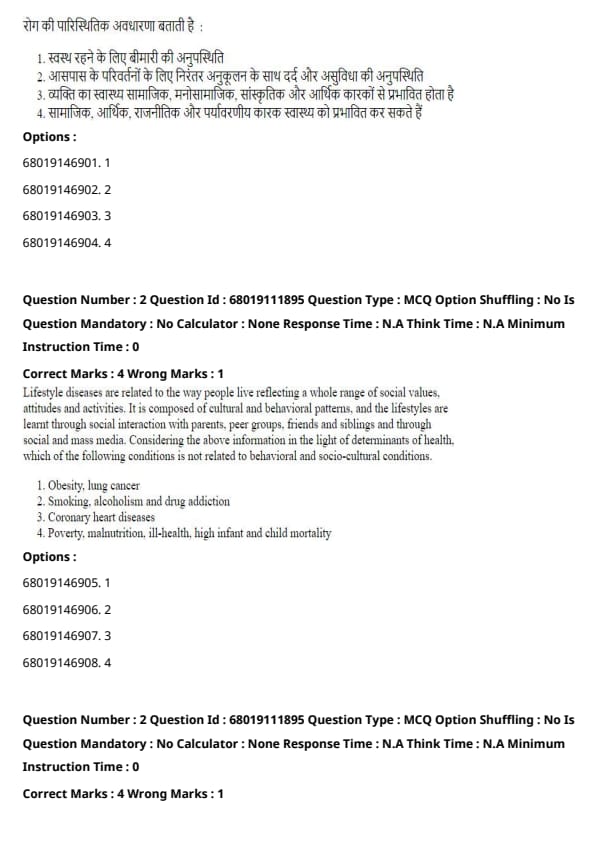
The Ecological Concept of disease suggests that:
View Solution
The Ecological Concept of disease emphasizes that health and disease are influenced by various factors, including social, economic, political, and environmental dimensions. This approach focuses on the dynamic interaction between an individual and their environment, highlighting the importance of continuous adaptation to maintain health.
Question 2:
Lifestyle diseases are related to the way people live, reflecting a range of social values, attitudes, and activities. Considering the above information, which of the following conditions is NOT related to behavioral and socio-cultural conditions:
View Solution
Conditions like obesity, lung cancer, smoking, and coronary heart diseases are strongly associated with behavioral and socio-cultural factors. In contrast, poverty, malnutrition, and high infant and child mortality are linked to structural and economic determinants of health.
Question 3:
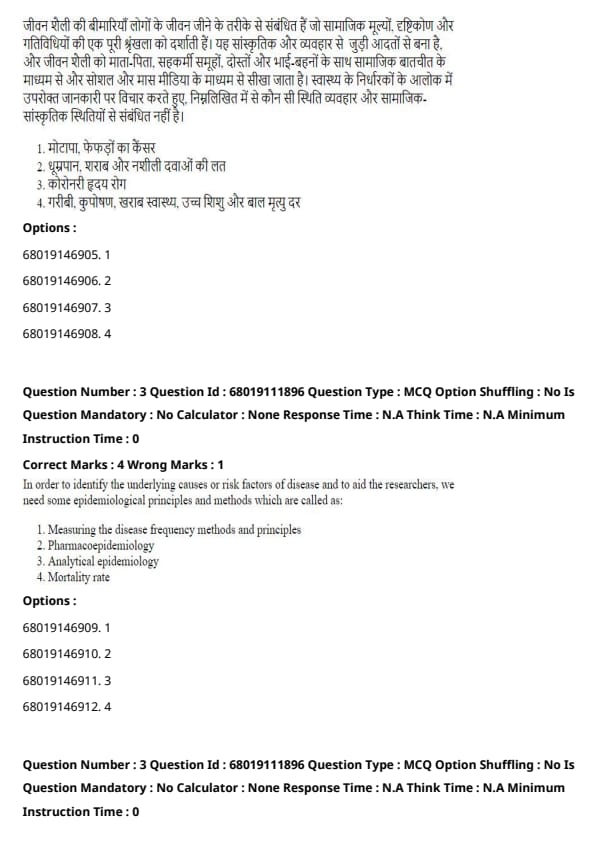
In order to identify the underlying causes or risk factors of disease and to aid researchers, we need some epidemiological principles and methods, which are called:
View Solution
Analytical epidemiology focuses on studying the causes and risk factors of diseases by exploring associations and testing hypotheses. It uses observational and experimental studies to identify and address disease determinants.
Question 4:
The causative factors of disease are classified as agent, host, and environment. These three factors are called the Epidemiological Triad. In order to cause a disease, which of the following processes or conditions is essential:
View Solution
The interaction between the agent, host, and environment is essential for causing a disease. The epidemiological triad emphasizes how these factors work together to influence health outcomes.
Question 5:
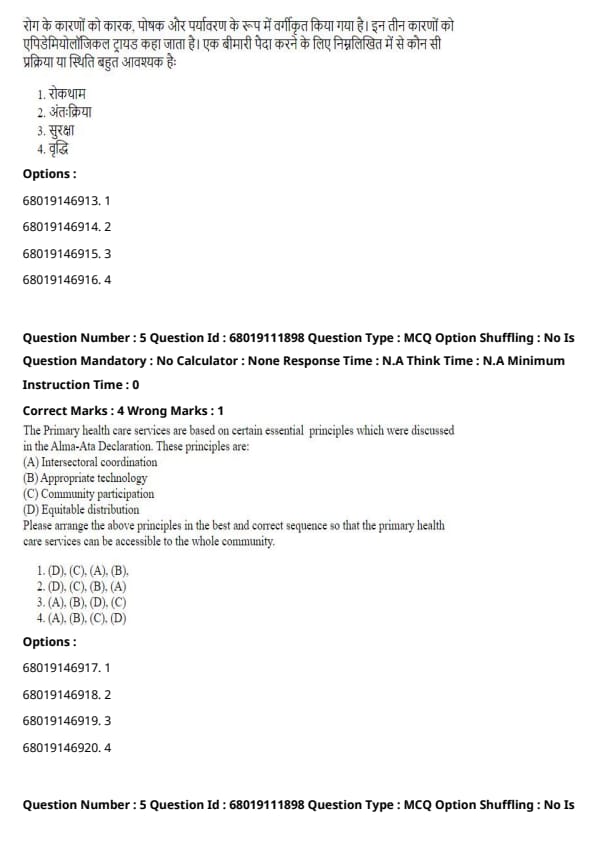
The primary health care services are based on essential principles discussed in the Alma-Ata Declaration. These principles are:
Please arrange the above principles in the best and correct sequence so that primary health care services can be accessible to the whole community:
View Solution
The correct sequence for implementing primary health care services is:
- Equitable distribution: Ensuring fairness in access to healthcare.
- Community participation: Engaging communities in health initiatives.
- Intersectoral coordination: Collaboration across various sectors.
- Appropriate technology: Using cost-effective and locally acceptable methods.
Question 1:
The Ecological Concept of disease suggests that -
View Solution
The Ecological Concept of disease highlights that health and disease are influenced by a range of factors, including social, economic, political, and environmental dimensions. This approach emphasizes the dynamic relationship between an individual and their environment, suggesting that continuous adaptation to these factors is crucial for maintaining health.
Question 2:
Lifestyle diseases are related to the way people live reflecting a whole range of social values, attitudes, and activities. It is composed of cultural and behavioral patterns, and the lifestyles are learned through social interaction with parents, peer groups, friends, and siblings, and through social and mass media. Considering the above information in the light of determinants of health, which of the following conditions is not related to behavioral and socio-cultural conditions:
View Solution
While conditions such as obesity, lung cancer, smoking, and coronary heart diseases are strongly linked to behavioral and socio-cultural factors, poverty, malnutrition, and high infant and child mortality are more directly associated with economic and structural determinants of health.
Question 3:
In order to identify the underlying causes or risk factors of disease and to aid the researchers, we need some epidemiological principles and methods which are called as:
View Solution
Analytical epidemiology focuses on studying the causes and risk factors of diseases by exploring associations and testing hypotheses through observational and experimental studies.
Question 4:
The causative factors of disease are classified as agent, host, and environment. These three factors are called the Epidemiological Triad. In order to cause a disease which of the following processes or conditions is very much essential:
View Solution
The interaction between the agent, host, and environment is critical in causing a disease. The epidemiological triad emphasizes this dynamic relationship, showing how these factors work together to influence health outcomes.
Question 5:
The Primary health care services are based on certain essential principles which were discussed in the Alma-Ata Declaration. These principles are:
Please arrange the above principles in the best and correct sequence so that the primary health care services can be accessible to the whole community:
View Solution
The correct sequence for implementing primary health care services begins with equitable distribution (D), ensuring fairness in access to health care. This is followed by community participation (C), engaging the community in health initiatives. Intersectoral coordination (A) ensures collaboration across various sectors, and finally, appropriate technology (B) emphasizes the use of cost-effective and locally acceptable methods.
Question 6:
According to the Bio-Medical Waste (Management and Handling) Rules, 1998 of India, the generation of waste containing cytostatic drugs (often used in cancer therapy) will be classified under which of the following health care waste:
View Solution
Cytostatic drugs, which are often used in cancer therapy, are classified as genotoxic waste under the Bio-Medical Waste (Management and Handling) Rules, 1998. Genotoxic waste includes materials that are carcinogenic, mutagenic, or teratogenic, posing risks to health and the environment.
Question 7:
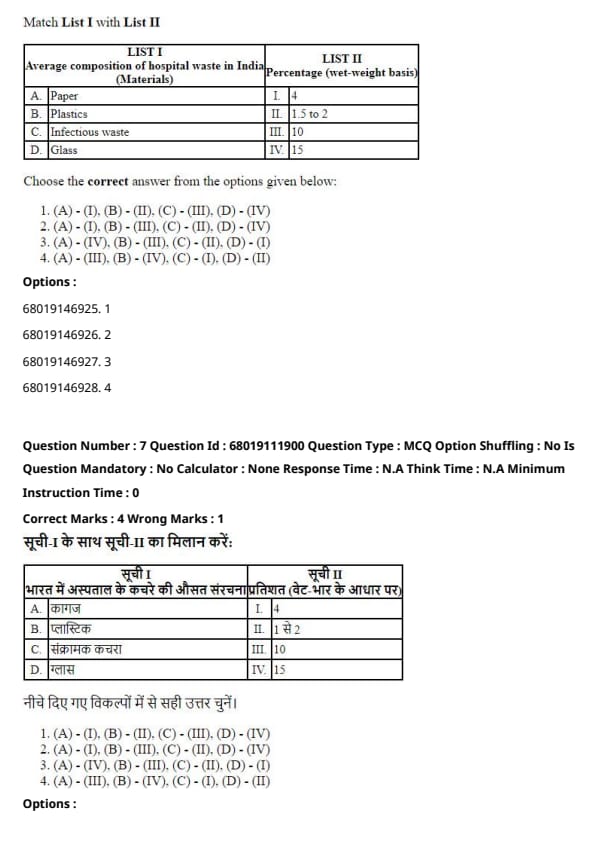
Match List I with List II:
| List I | Av. composition of hospital waste in India (Materials) | List II | (wet-weight) |
|---|---|---|---|
| A | Paper | I | 4 |
| B | Plastics | II | 1.5 to 2 |
| C | Infectious waste | III | 10 |
| D | Glass | IV | 15 |
Choose the correct answer from the options given below:
View Solution
The matching of the average composition of hospital waste materials with their corresponding percentages (wet-weight basis) is as follows:
- Paper: 4%
- Plastics: 1.5 to 2%
- Infectious waste: 10%
- Glass: 15%
Question 8:
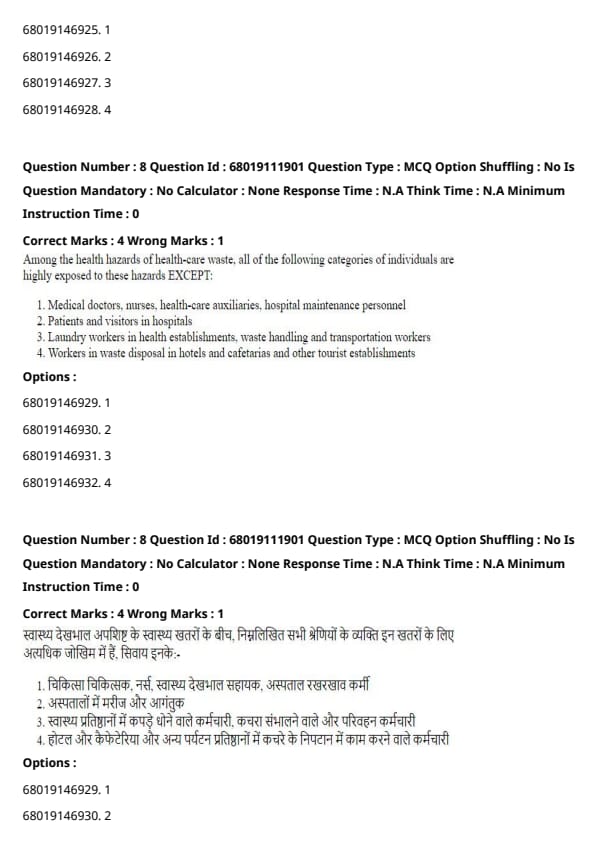
Among the health hazards of health-care waste, all of the following categories of individuals are highly exposed to these hazards EXCEPT:
View Solution
Workers in hotels and cafeterias are not directly involved in handling health-care waste, unlike health-care workers, patients, and laundry or transportation workers who are exposed to hazardous medical waste.
Question 9:
The process of mixing waste with cement and other substances before disposal to minimize the risk of toxic substances contained in the wastes and to prevent its migration into the surface water or groundwater is:
View Solution
Inertization involves mixing waste with cement and other substances to immobilize toxic elements, preventing their migration into the environment.
Question 10:
Water intended for human consumption should be both safe and wholesome. Which of the following criteria can make it unfit for drinking:
View Solution
Even if water appears clear, the presence of odour or improper supply methods can make it unfit for drinking, indicating possible contamination.
Question 11:
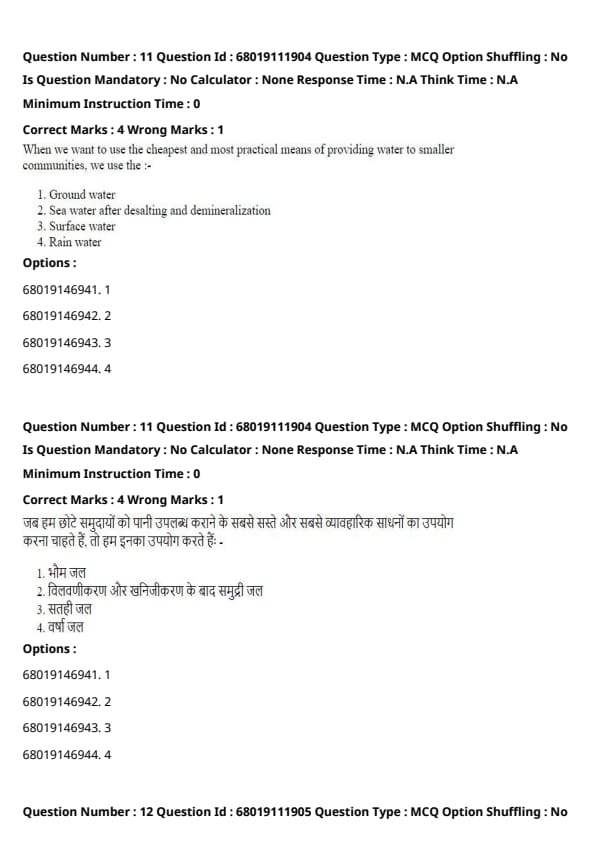
When we want to use the cheapest and most practical means of providing water to smaller communities, we use the:
View Solution
Groundwater is the most practical and cost-effective source of water for smaller communities, as it is naturally filtered and readily available in many areas.
Question 12:
Please arrange the activities in the medical record journey after admission in the correct sequence:
Choose the correct answer from the options given below:
View Solution
The correct sequence for the medical record journey after admission begins with the admitting office (D), where the patient’s information is registered. A copy of the admission record (A) is then created and forwarded. The admission check desk (B) reviews the records, and finally, incomplete records are sent to the control desk (C) for further action.
Question 13:
The control of air pollution is ultimately an engineering problem. Which of the following procedures have been recommended by the World Health Organization for the prevention and control of air pollution?
View Solution
The World Health Organization (WHO) recommends strategies like containment, replacement, dilution, legislation, and international cooperation as effective measures for air pollution prevention and control.
Question 14:
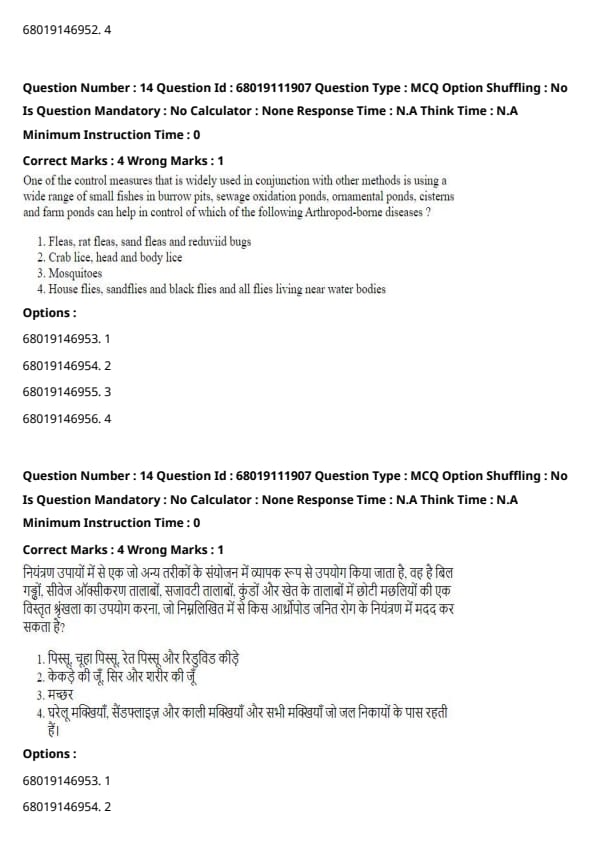
One of the control measures that is widely used in conjunction with other methods is using a wide range of small fishes in burrow pits, sewage oxidation ponds, ornamental ponds, cisterns, and farm ponds. This can help in control of which of the following Arthropod-borne diseases?
View Solution
Small fishes, like Gambusia and Guppy fish, are widely used to control mosquito larvae in water bodies, thus reducing the spread of mosquito-borne diseases.
Question 15:
Which one of the following statements doesn't explain how an individual behaves in certain situations?
View Solution
Isolating oneself and avoiding others doesn't fully explain behaviour in specific situations but rather indicates withdrawal, which may be due to underlying emotional or psychological reasons.
Question 16:
Learning depends upon the intelligence or mental faculty of an individual. The curve of learning reaches its peak in which of the following age groups?
View Solution
The learning curve typically peaks between 15 and 25 years of age, as this is the period of cognitive maturity and optimal brain plasticity.
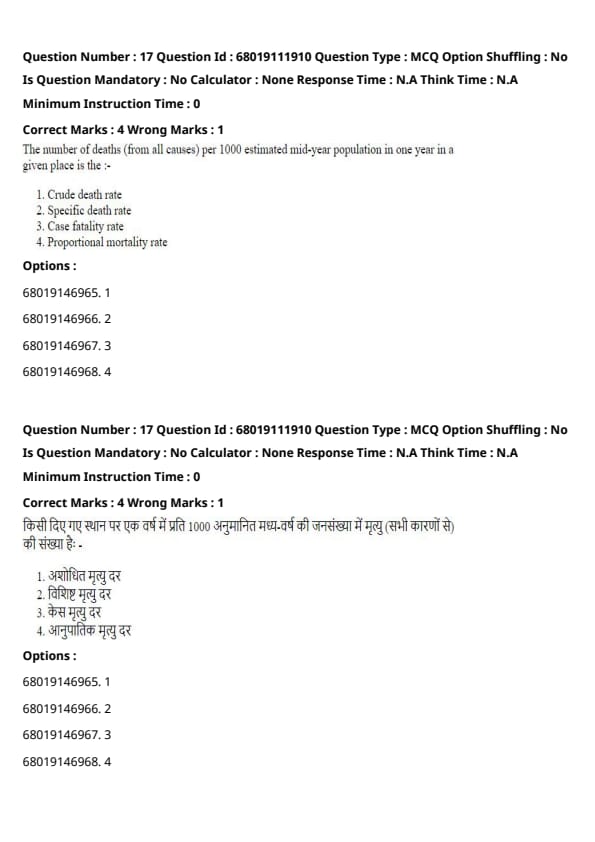
Question 17:
The number of deaths (from all causes) per 1000 estimated mid-year population in one year in a given place is the:
View Solution
The crude death rate is a basic measure used in demography and public health to calculate the number of deaths occurring in a population per 1000 individuals per year. It provides a general indication of the mortality level in a given population.
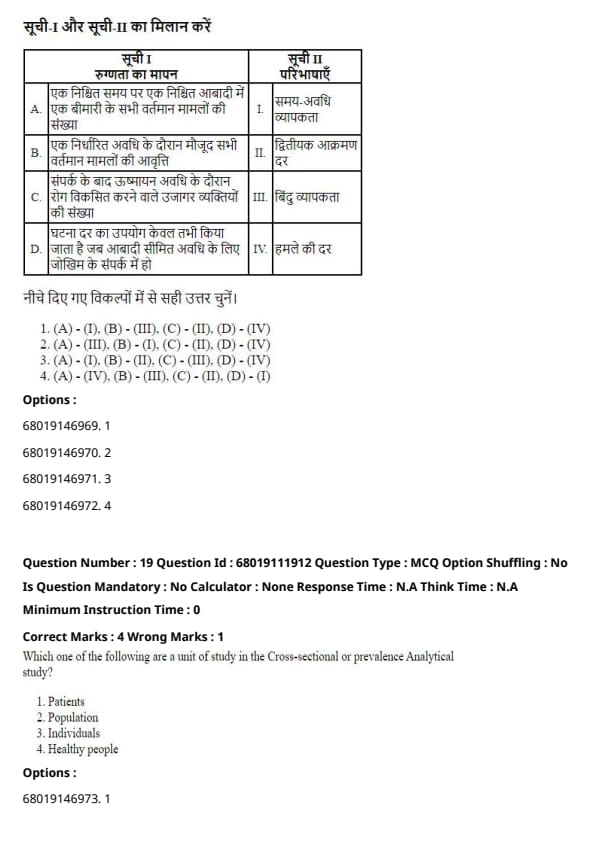
Question 18:
Match List I with List II:
| LIST I | LIST II |
|---|---|
| (A) No. of all current cases of disease at a definite time in a defined population | (III) Point prevalence |
| (B) Frequency of all current cases existing during a defined period of time | (I) Period prevalence |
| (C) No. of exposed persons developing disease during incubation period following exposure | (II) Secondary attack rate |
| (D) Incidence rate used only when population is exposed to risk for a limited period of time | (IV) Attack rate |
Choose the correct answer from the options given below:
View Solution
The correct match between the measurements of morbidity and their respective definitions is:
- (A) No. of all current cases of a disease at a definite time in a defined population corresponds to Point prevalence.
- (B) Frequency of all current cases existing during a defined period of time corresponds to Period prevalence.
- (C) No. of exposed persons developing the disease during the incubation period following exposure corresponds to Secondary attack rate.
- (D) Incidence rate used only when the population is exposed to risk for a limited period of time corresponds to Attack rate.
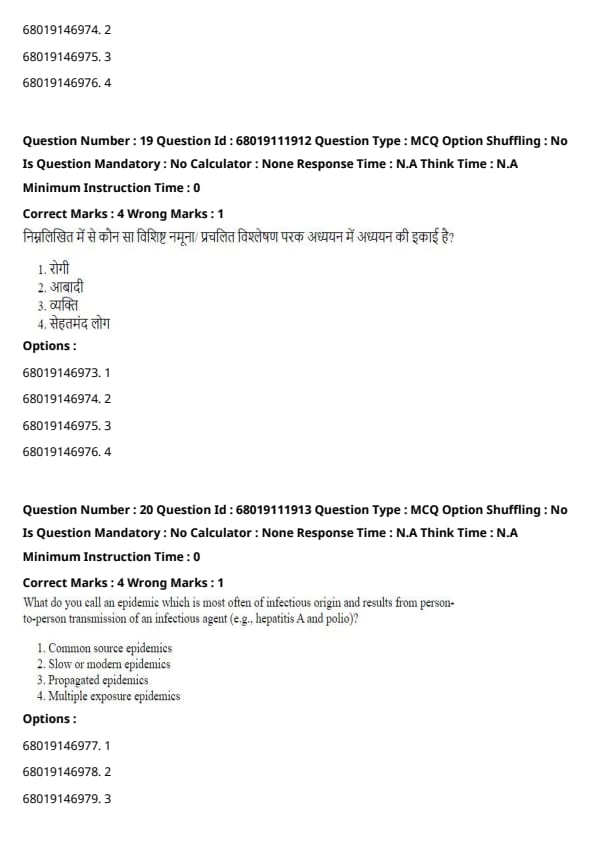
Question 19:
Which one of the following are a unit of study in the Cross-sectional or prevalence Analytical study?
View Solution
In a cross-sectional or prevalence analytical study, the primary unit of study is the individual. These studies focus on collecting data at a specific point in time, measuring both exposure and outcome in individuals within a population.
Question 20:
What do you call an epidemic which is most often of infectious origin and results from person-to-person transmission of an infectious agent (e.g., hepatitis A and polio)?
View Solution
Propagated epidemics are characterized by person-to-person transmission of an infectious agent. These epidemics typically show a gradual rise and fall in the number of cases as the infection spreads through successive waves of transmission in the population.
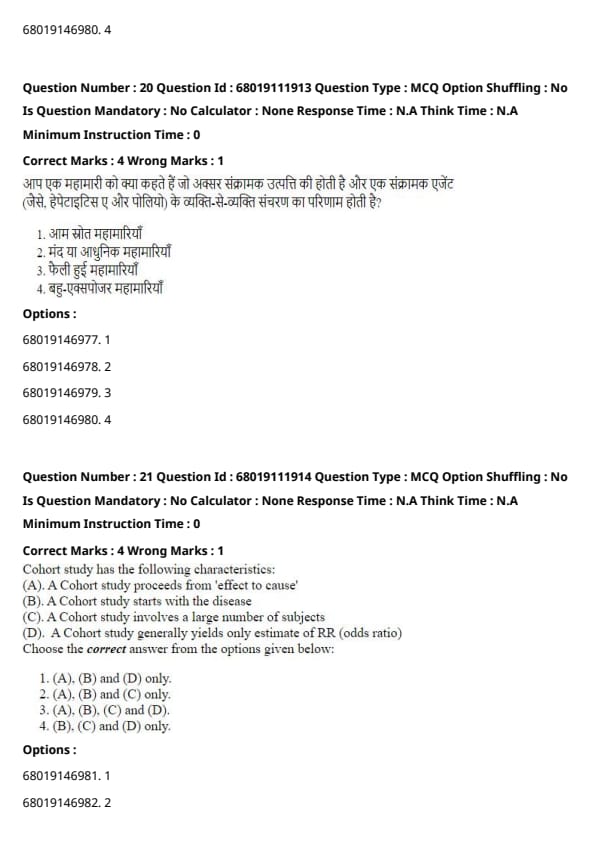
Question 21:
Cohort study has the following characteristics:
Choose the correct answer from the options given below:
View Solution
- (A) is incorrect because a Cohort study proceeds from 'cause to effect', not 'effect to cause'. It begins by identifying exposed and unexposed groups and follows them over time to see who develops the outcome.
- (B) is correct since Cohort studies identify individuals based on their exposure status and later evaluate outcomes in those who develop the disease.
- (C) is correct because Cohort studies often require a large number of subjects to ensure statistical power, particularly for rare outcomes.
- (D) is correct as Cohort studies typically provide a relative risk (RR) estimate. Odds ratios (ORs) are more common in case-control studies, but RR can also be estimated under certain conditions.
Question 22:
A study in the UK of 5174 births at home and 11,156 births in hospitals showed perinatal mortality rates of 5.4 per 1000 in the home births and 27.8 per 1000 in the hospital births. It might be concluded that homes are a safer place for delivery of births than hospitals. However, hospitals attract women at high risk for delivery because of their special equipment and expertise, and this might be due to this fact alone. What do you call this type of association?
View Solution
A spurious association refers to an apparent relationship between two variables that is not causal but arises due to the influence of a third factor (confounder). In this case, the higher perinatal mortality rate in hospitals is not because hospitals are unsafe but because they attract high-risk pregnancies, which inherently have a higher risk of complications and mortality.
Question 23:
Polio and herpes zoster are the examples of the following type of diseases:
View Solution
Polio and herpes zoster are classified as sporadic diseases, as they occur infrequently and irregularly in a population. These diseases are not consistently present in the population (as in endemic diseases) and are not typically associated with animal-to-human transmission (zoonosis) or sudden outbreaks affecting large numbers of people (epidemic).
Question 24:
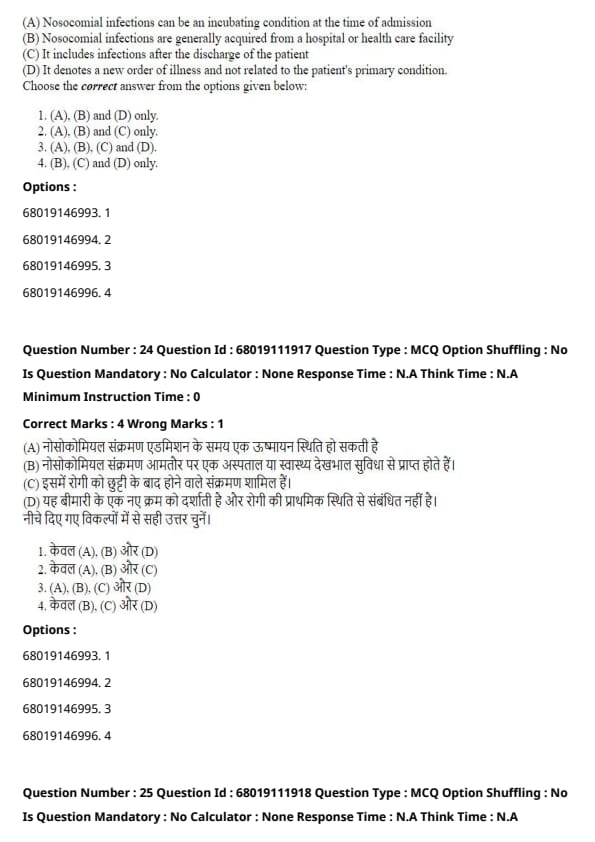
Which of the following statements about nosocomial infections are correct?
Choose the correct answer from the options given below:
View Solution
- (A) is incorrect because nosocomial infections are by definition acquired in a hospital or healthcare facility and do not include conditions incubating before admission.
- (B) is correct, as nosocomial infections are specifically acquired in hospitals or healthcare settings.
- (C) is correct because nosocomial infections can manifest even after the patient has been discharged if acquired during the hospital stay.
- (D) is correct, as nosocomial infections denote new illnesses unrelated to the patient’s primary condition.
Question 25:
Which of the following defenses are not related to Passive immunity?
View Solution
Passive immunity involves the transfer of pre-formed antibodies or immune components from one individual to another. It does not involve the recipient's immune system producing its own antibodies.
- (A) is related to passive immunity as it involves administering pre-formed antibodies.
- (B) is related to passive immunity, as maternal antibodies transferred across the placenta provide temporary immunity to the newborn.
- (C) is related to passive immunity in cases like adoptive transfer of lymphocytes for therapeutic purposes.
- (D) is not related to passive immunity because immunization with a killed vaccine induces active immunity, where the recipient’s immune system produces its own antibodies and memory cells.
Question 26:
The following are some of the characteristics of Live vaccines:
Choose the correct answer from the options given below:
View Solution
All of the listed characteristics of live vaccines are correct:
- (A): Live vaccines are more potent because the attenuated organisms can replicate in the host, mimicking a natural infection and providing a stronger immune response.
- (B): Live vaccines can engage specific tissues of the body, as the attenuated pathogens have a natural tropism for certain tissues or organs.
- (C): Live vaccines retain all the major and minor antigenic components of the organism, which helps generate a broad and robust immune response.
- (D): While the injected dose may seem small, live vaccines amplify the antigenic dose by replicating in the host, resulting in a larger effective antigenic exposure.
Question 27:
With regards to the Pre-Conception & Pre-Natal Diagnostic Techniques Act, 1994, a Genetic Clinic means:
View Solution
Under the Pre-Conception & Pre-Natal Diagnostic Techniques Act, 1994, a genetic clinic refers specifically to any place, institution, or facility that conducts pre-natal diagnostic procedures. This includes the medical and diagnostic process for detecting any genetic abnormalities in the fetus.
Question 28:
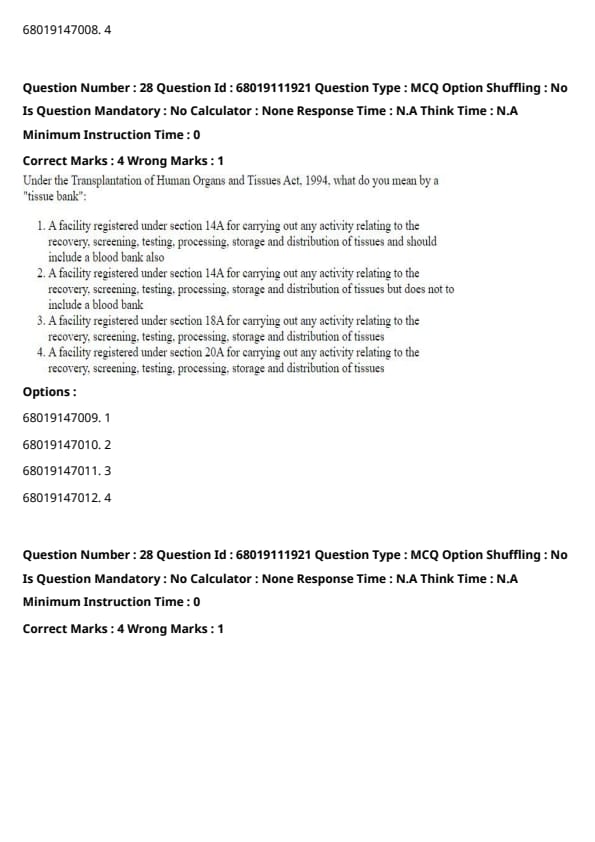
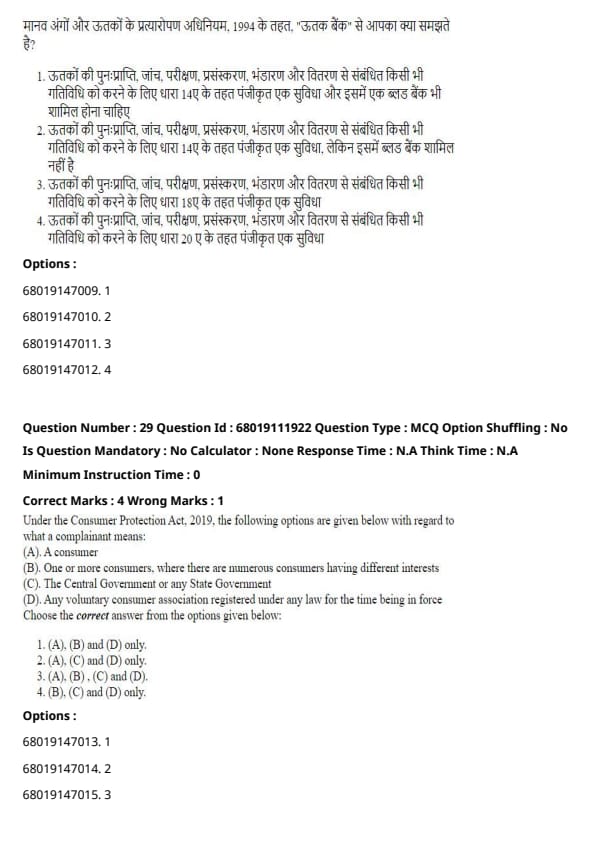
Under the Transplantation of Human Organs and Tissues Act, 1994, what do you mean by a "tissue bank":
View Solution
A tissue bank, as defined under the Transplantation of Human Organs and Tissues Act, 1994, is a registered facility responsible for the management of tissues, including their recovery, screening, testing, processing, and distribution. However, it does not encompass blood banks, which are categorized separately.
Question 29:
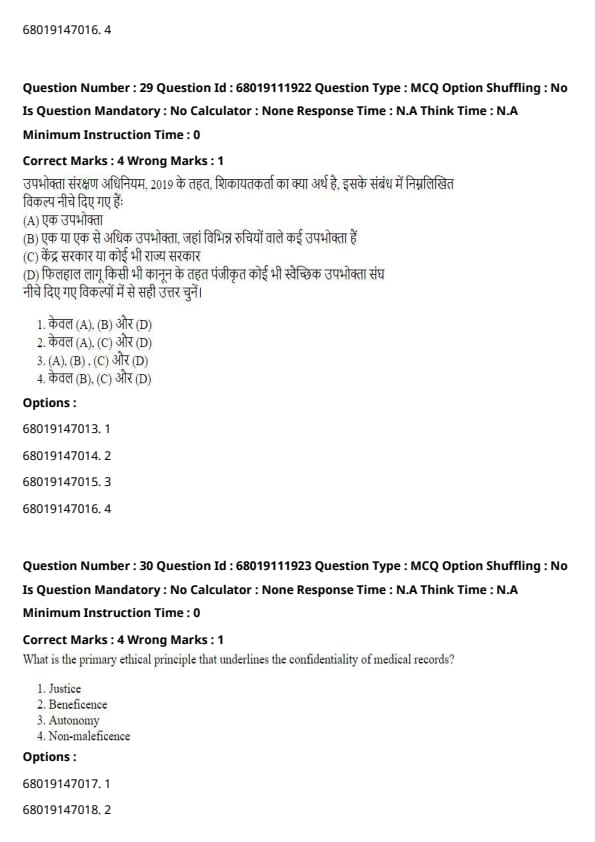
Under the Consumer Protection Act, 2019, the following options are given below with regard to what a complainant means:
Choose the correct answer from the options given below:
View Solution
Under the Consumer Protection Act, 2019, the term "complainant" is defined broadly to include a consumer, the government, and any registered voluntary consumer association. This allows for a wide range of individuals and organizations to bring a complaint.
Question 30:
What is the primary ethical principle that underlines the confidentiality of medical records?
View Solution
Confidentiality of medical records is primarily rooted in the ethical principle of autonomy. Autonomy refers to the right of individuals to make informed decisions about their personal information and control over its disclosure. In the context of healthcare, respecting a patient's autonomy means ensuring that their medical records are kept confidential and are only shared with their consent.
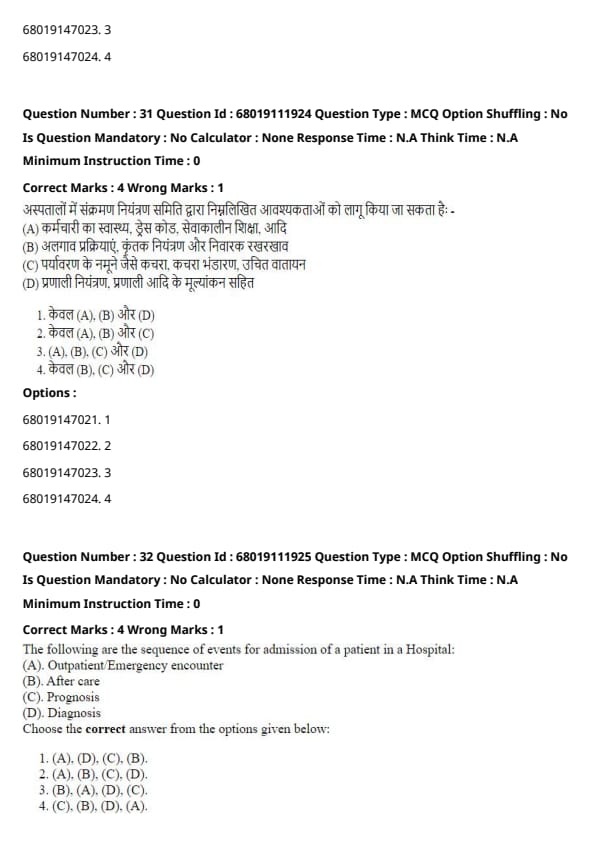
Question 31:
The following requirements can be enforced by the Infection Control Committee in Hospitals:
Choose the correct answer from the options given below:
View Solution
The Infection Control Committee in hospitals is responsible for enforcing a wide range of infection control measures to ensure the health and safety of both staff and patients. This includes overseeing employee health and education, isolation procedures, environmental controls (such as garbage storage and ventilation), and systems control evaluation. Therefore, all the options (A), (B), (C), and (D) are relevant responsibilities of the committee.
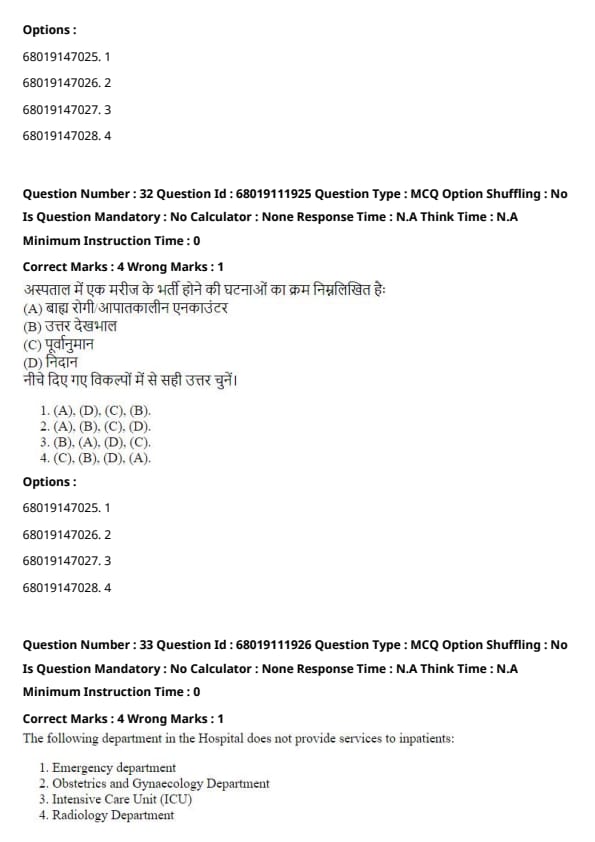
Question 32:
The following are the sequence of events for admission of a patient in a Hospital:
Choose the correct answer from the options given below:
View Solution
The correct sequence of events for the admission of a patient in a hospital typically begins with an outpatient or emergency encounter (A), followed by a diagnosis (D), after which the prognosis (C) is assessed, and finally, after care (B) is provided. Therefore, the sequence follows: Outpatient/Emergency encounter → Diagnosis → Prognosis → After care.
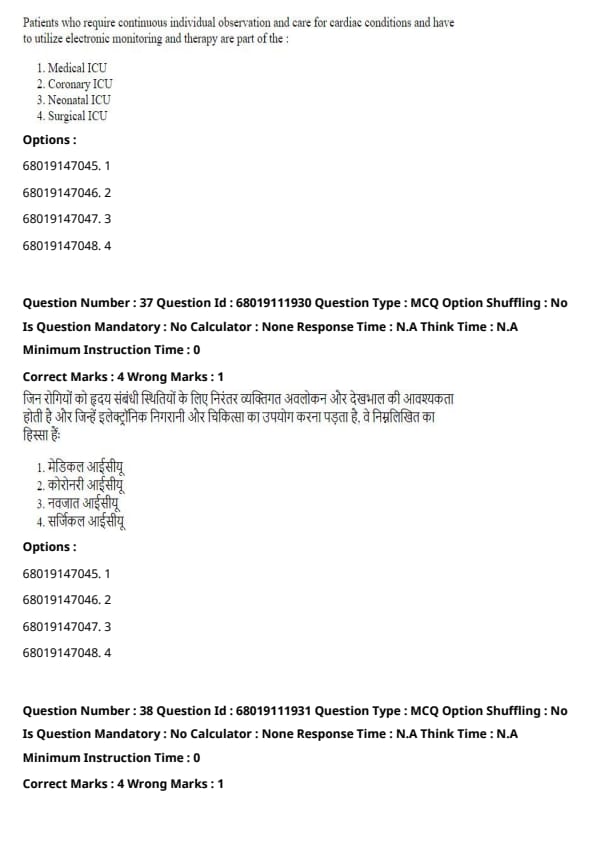
Question 33:
The following department in the Hospital does not provide services to inpatients:
View Solution
The Radiology Department typically provides diagnostic imaging services, which are usually performed on both inpatients and outpatients. However, it does not offer direct inpatient care or services in the same way as departments like Obstetrics, ICU, or the Emergency Department, which are directly involved in the care and treatment of patients.
Question 34:
The common measures of patient satisfaction in the inpatient services of a hospital are:
Choose the correct answer from the options given below:
View Solution
Patient satisfaction in inpatient services is typically measured using direct feedback methods like patient satisfaction surveys (C) and patient interviews or discussions (D). These methods provide insights into the patient's experience, whereas factors like length of stay and outpatient visits are related to operational metrics but are not direct indicators of patient satisfaction.
Question 35:
The formulation of policies and procedures for medico-legal cases, police procedures and reporting, notifiable deaths, disposal of dead bodies and autopsy are the responsibilities of which of the following:
View Solution
The formulation of policies and procedures for medico-legal cases, including reporting notifiable deaths, disposal of dead bodies, and autopsy, generally falls under the responsibilities of the registration and medical records department. This department manages documentation and regulatory compliance for medico-legal matters.
Question 36:
Which of these conditions doesn't satisfy a patient for AM admit?
View Solution
For an AM (morning) admit, the patient is expected to be admitted the afternoon or evening prior to the surgery for pre-operative preparations. Pre-operative tests performed in the morning of the surgery are not sufficient to fulfill the requirements for an AM admit, as they do not allow enough time for assessment and preparation.
Question 37:
Patients who require continuous individual observation and care for cardiac conditions and have to utilize electronic monitoring and therapy are part of the:
View Solution
The Coronary ICU (Intensive Care Unit) is specialized for patients who require intensive monitoring and care, particularly for cardiac conditions such as heart attacks or arrhythmias. These patients often need continuous observation, electronic monitoring, and therapeutic interventions.
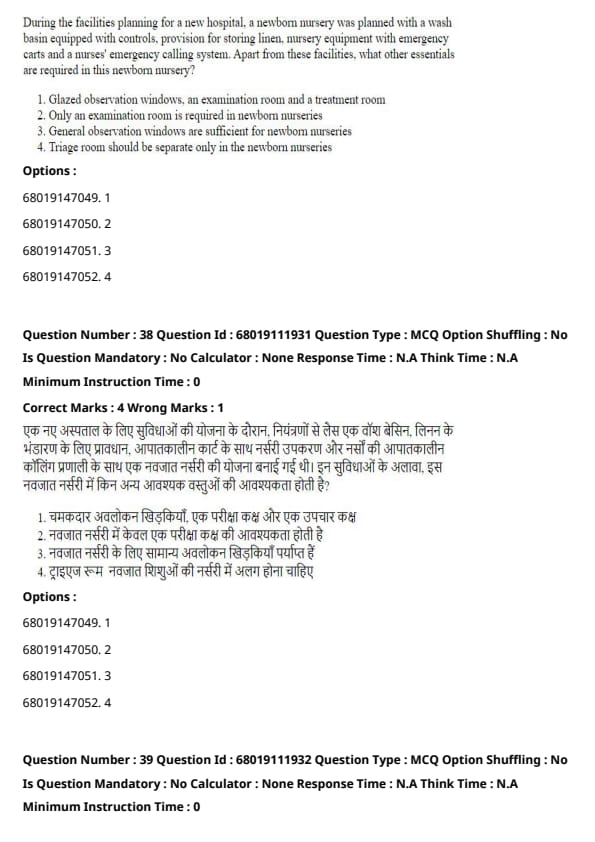
Question 38:
During the facilities planning for a new hospital, a newborn nursery was planned with a wash basin equipped with controls, provision for storing linen, nursery equipment with emergency carts and a nurses' emergency calling system. Apart from these facilities, what other essentials are required in this newborn nursery?
View Solution
A newborn nursery should be equipped with glazed observation windows for monitoring babies, an examination room for routine check-ups, and a treatment room for any necessary interventions or procedures. These facilities help ensure the health and safety of newborns while providing privacy and functionality for medical staff.
Question 39:
Which one is a correct description of CAT Scan?
View Solution
A CAT (Computed Tomography) scan is a medical imaging technique that allows for detailed cross-sectional images of soft tissues, muscles, fats, and internal organs. Unlike traditional X-rays, CAT scans provide a more detailed 3-D view of the body, especially useful for diagnosing issues in soft tissues.
Question 40:
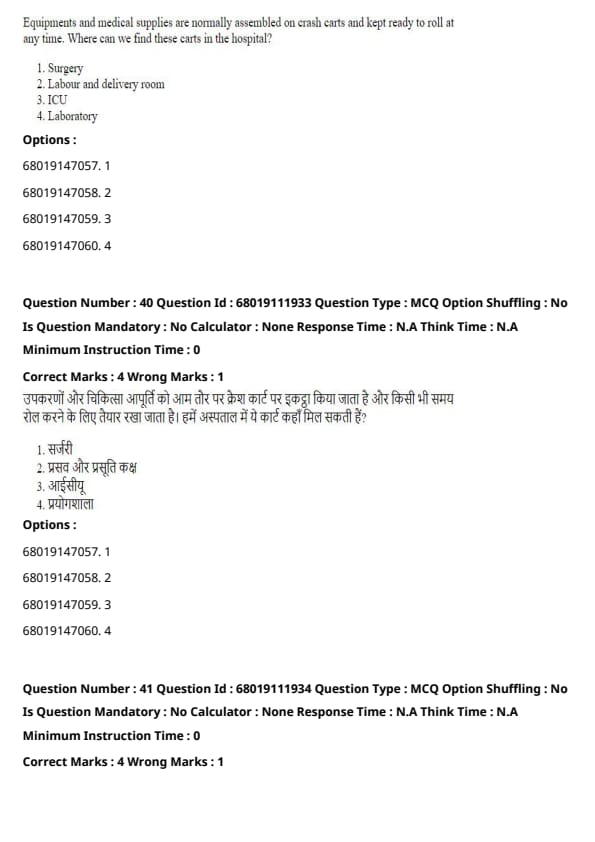
Equipment and medical supplies are normally assembled on crash carts and kept ready to roll at any time. Where can we find these carts in the hospital?
View Solution
Crash carts are critical in emergency situations and are typically found in areas like the ICU, where urgent medical interventions are often required. These carts are stocked with essential equipment and medical supplies to provide immediate care during emergencies.
Question 41:
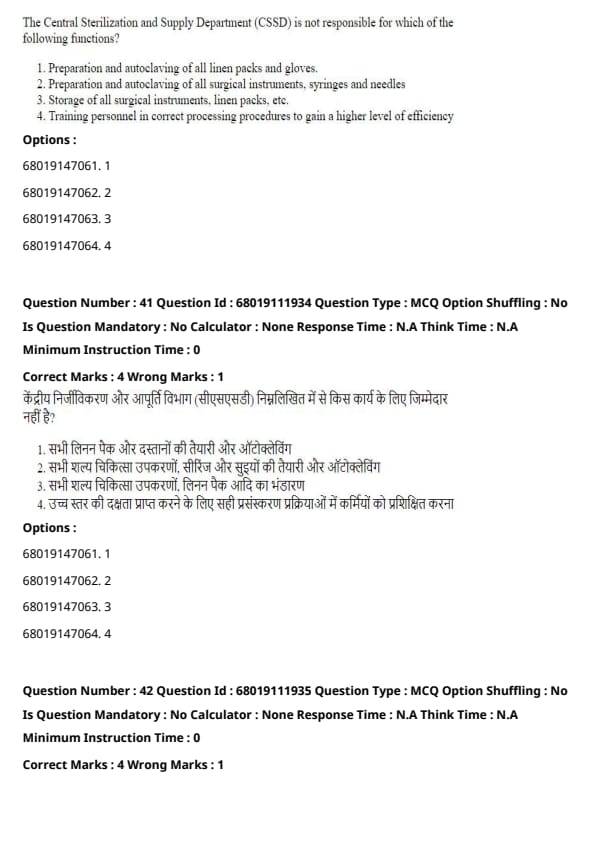
The Central Sterilization and Supply Department (CSSD) is not responsible for which of the following functions?
View Solution
The Central Sterilization and Supply Department (CSSD) is responsible for the preparation, autoclaving, and storage of sterile materials like surgical instruments, linen packs, and gloves. However, training personnel in processing procedures is typically a function of the hospital's training or human resources department, not the CSSD itself.
Question 42:
The basic steps in conducting a clinical trial are as follows:
Choose the correct answer from the options given below:
View Solution
The basic steps in conducting a clinical trial involve several stages: Drawing a protocol (A), selecting a reference and experimental population (D), randomization (C), and finally manipulating the variables, following up, and assessing the outcomes (B). All of these steps are necessary to ensure a scientifically valid and ethically sound clinical trial.
Question 43:
The International Classification of Diseases is one significant contribution of the following organization:
View Solution
The International Classification of Diseases (ICD) is a system developed and maintained by the World Health Organization (WHO). It is used globally for the classification of diseases and health conditions, ensuring consistency and accuracy in health data collection and reporting.
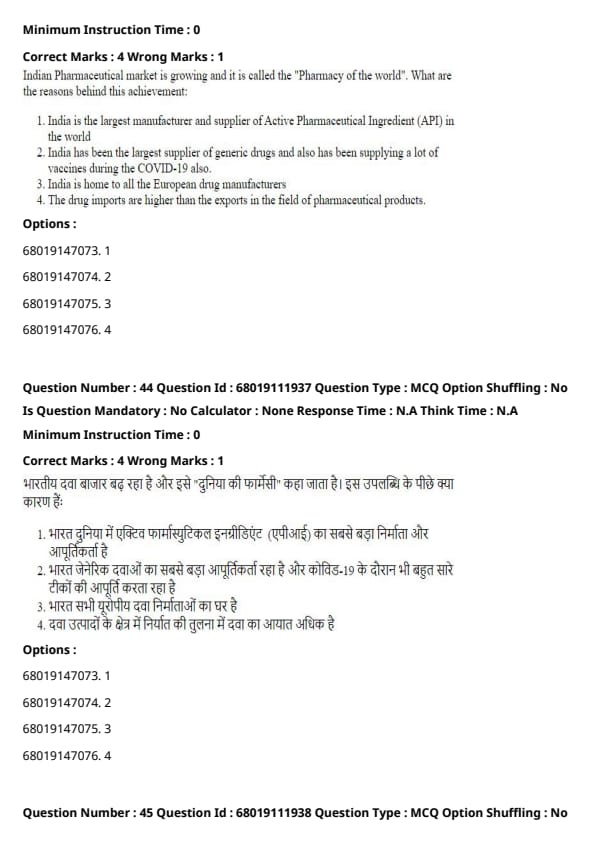
Question 44:
Indian Pharmaceutical market is growing and it is called the "Pharmacy of the world". What are the reasons behind this achievement?
View Solution
India's pharmaceutical industry has gained a global reputation due to its large production of generic drugs, which are affordable and widely accessible worldwide. During the COVID-19 pandemic, India also played a crucial role in vaccine production and distribution, further cementing its title as the "Pharmacy of the World."
Question 45:
What are the applications of Artificial Intelligence in Healthcare?
Choose the correct answer from the options given below:
View Solution
Artificial Intelligence (AI) has various applications in healthcare. It plays a key role in disease control and prevention (A), clinical decision support services and interoperability (B), tracking cases during pandemics and suggesting quarantine measures (C), and forecasting trends and cases in healthcare (D). Therefore, all the listed options are correct.
Question 46:
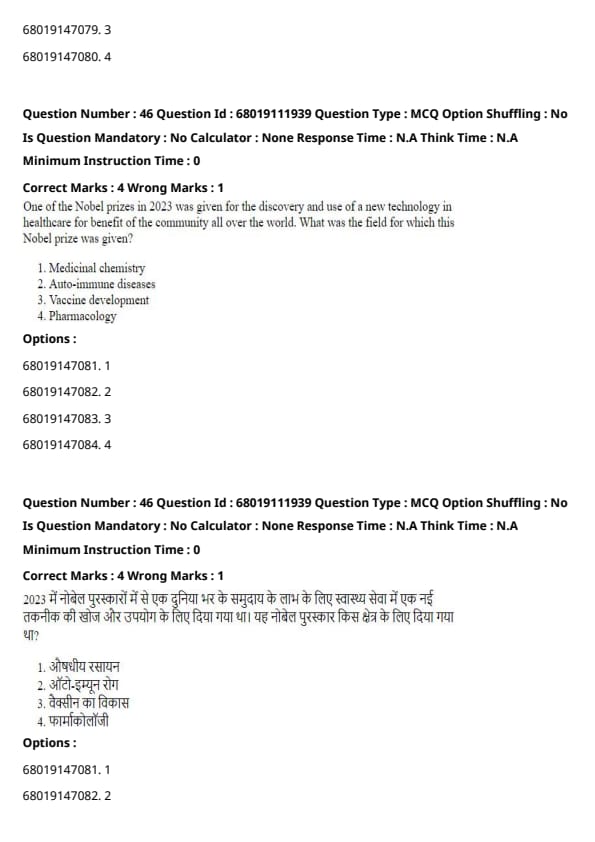
One of the Nobel prizes in 2023 was given for the discovery and use of a new technology in healthcare for the benefit of the community all over the world. What was the field for which this Nobel prize was given?
View Solution
In 2023, the Nobel Prize was awarded for the development of vaccines, particularly in the context of addressing global health issues, including the COVID-19 pandemic. Vaccine development was key to ensuring widespread immunity and controlling the disease.
Question 47:
In research, when an exposure and outcome are strongly associated with a third variable, it is stated as:
View Solution
Confounding occurs when a third variable influences both the exposure and outcome, leading to a false association between the two. It is essential to control for confounders to ensure the validity of research findings.
Question 48:
The standard form that must be filled before starting a surgery is:
View Solution
SF 521 is the standard form used before performing a surgery, ensuring that all necessary permissions and medical information are recorded prior to the procedure.
Question 49:
The thickness of the lead jacket that is maintained for X-Ray procedure is:
View Solution
For X-ray procedures, a lead jacket with a thickness of 2.5 mm is typically used to provide adequate protection from radiation exposure. This standard ensures safety for both patients and healthcare workers.
Question 50:
In genetics, which of the following diseases are linked to recessive sex-linked traits:
Choose the correct answer from the options given below:
View Solution
Recessive sex-linked traits are typically carried on the X chromosome and are more often expressed in males. Haemophilia types A and B (B), and G6 PD Deficiency (C) are examples of recessive X-linked diseases. Hydrocephalus (A) is not a recessive sex-linked trait, and Marfan's syndrome (D) is an autosomal dominant genetic disorder, not linked to sex chromosomes.
Question 51:
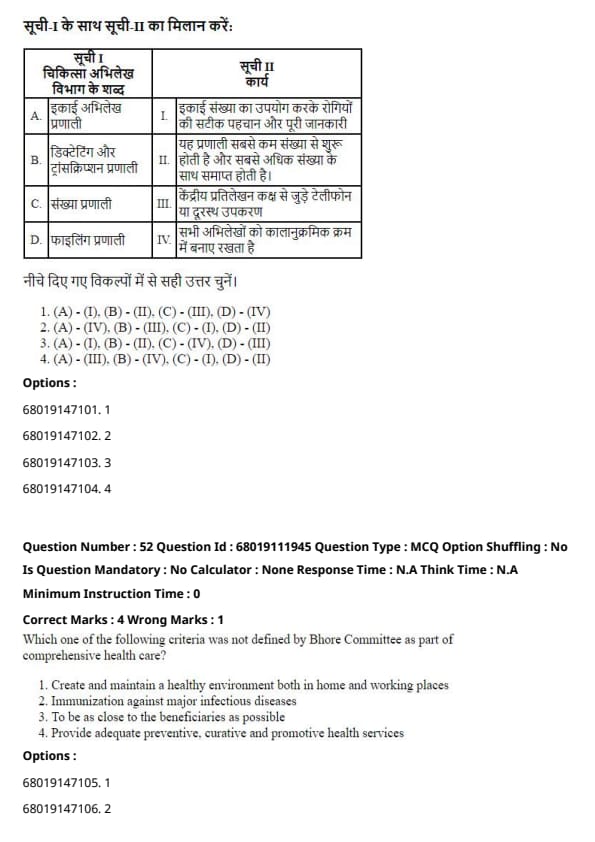
Match List I with List II:
| List I | Medical Record Department Terms | List II | Functions |
|---|---|---|---|
| A | Unit record system | I | Accurate identification and complete information about patients in unit numbers |
| B | Dictating and Transcription system | II | System starts with lowest number and ending with highest number |
| C | Numbering system | III | Telephone or equipment linked to central transcription room |
| D | Filing system | IV | Retains all records in a chronological order |
Choose the correct answer from the options given below:
View Solution
The correct matching of Medical Record Department Terms with their respective functions is as follows:
- Unit record system (A) is responsible for accurate identification and complete information about patients using unit numbers (I).
- Dictating and Transcription system (B) uses a system that starts with the lowest number and ends with the highest number (II).
- Numbering system (C) involves telephone or remote equipment linked to a central transcription room (III).
- Filing system (D) is designed to retain all records in chronological order (IV).
Question 52:
Which one of the following criteria was not defined by Bhore Committee as part of comprehensive health care?
View Solution
The Bhore Committee, which was set up to study healthcare in India, outlined several important criteria for a comprehensive healthcare system. These include the creation of a healthy environment, immunization against major diseases, and the provision of adequate preventive, curative, and promotive services. However, the idea of being as close to the beneficiaries as possible was not specifically defined by the Bhore Committee.
Question 53:
Match List I with List II:
| List I | Nutritional Problems | List II | Affected population |
|---|---|---|---|
| A | Protein-energy malnutrition | I | Major cause of mortality and morbidity in children less than 5 years |
| B | ARI | II | Severe cases in pre-school children |
| C | Nutritional anaemia | III | Highly endemic in sub-Himalayan regions |
| D | Iodine deficiency disorders | IV | High prevalence in women and children |
Choose the correct answer from the options given below:
View Solution
The correct matching of Nutritional Problems with the affected population is as follows:
- Protein-energy malnutrition (A) is a major cause of mortality and morbidity in children below 5 years of age (I).
- ARI (B) has severe cases in pre-school children (II).
- Nutritional anaemia (C) is highly endemic in sub-Himalayan regions (III).
- Iodine deficiency disorders (D) have a high prevalence in women and children (IV).
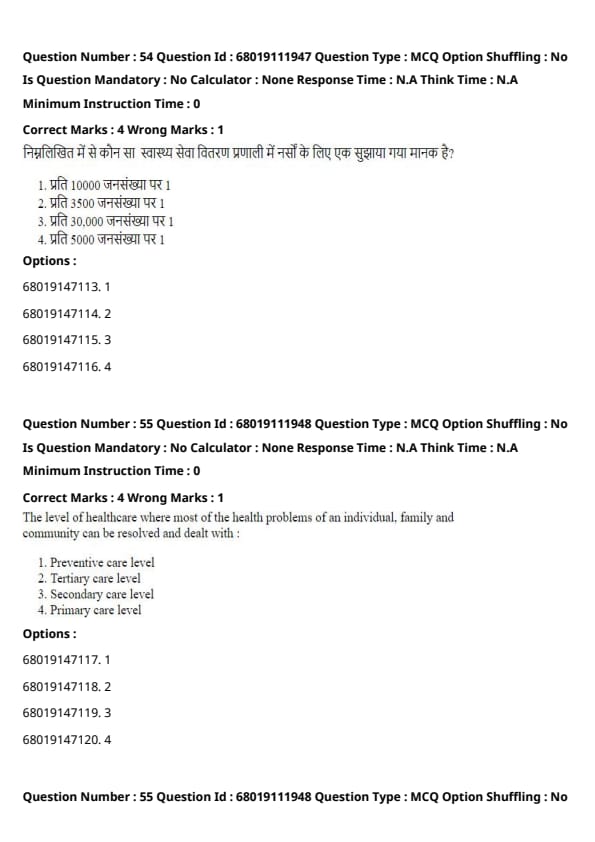
Question 54:
Which of the following is a suggested norm for nurses in our healthcare delivery system?
View Solution
In healthcare delivery systems, the norm for nurse-to-population ratio is often suggested to be 1 nurse per 3500 population. This helps ensure adequate care and attention to the health needs of the community.
Question 55:
The level of healthcare where most of the health problems of an individual, family, and community can be resolved and dealt with:
View Solution
The primary care level is where most health problems of individuals, families, and communities can be effectively addressed. This includes preventive, promotive, and basic healthcare services.
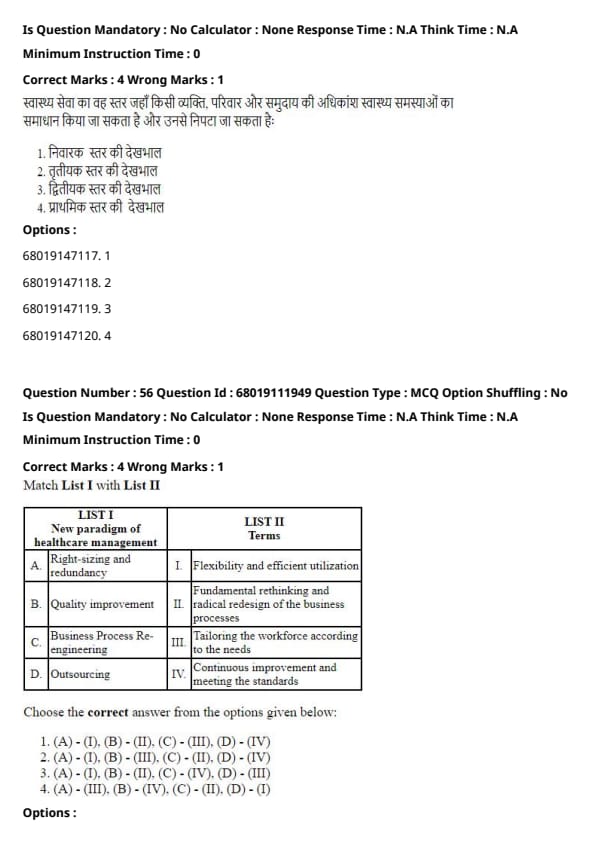
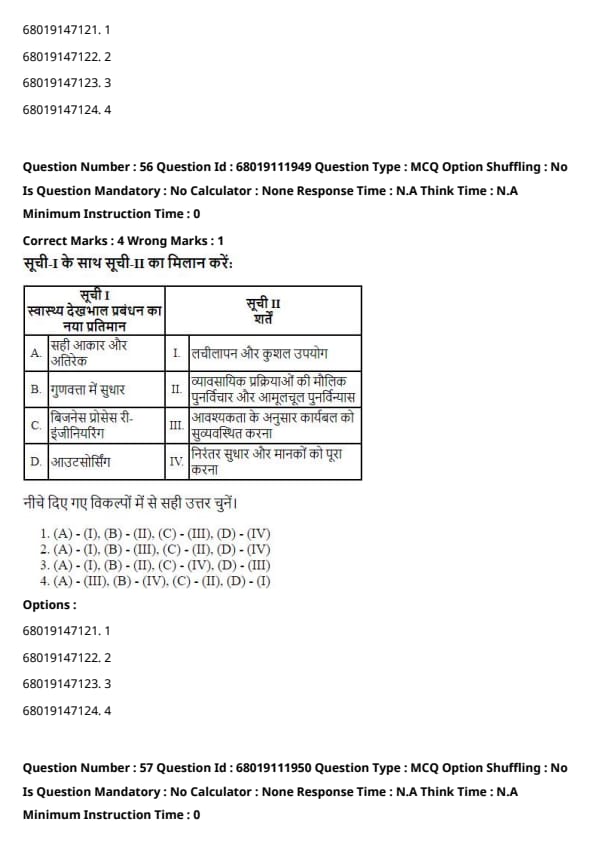
Question 56:
Match List I with List II:
| List I | New paradigm of healthcare management | List II | Terms |
|---|---|---|---|
| A | Right-sizing and redundancy | I | Flexibility and efficient utilization |
| B | Quality improvement | II | Fundamental rethinking and radical redesign of processes |
| C | Business Process Re-engineering | III | Tailoring workforce according to the needs |
| D | Outsourcing | IV | Continuous improvement and meeting standards |
Choose the correct answer from the options given below:
View Solution
The correct matching of the new paradigm of healthcare management with the terms is as follows:
- Right-sizing and redundancy (A) is associated with flexibility and efficient utilization (I).
- Quality improvement (B) involves fundamental rethinking and radical redesign of business processes (II).
- Business Process Re-engineering (C) is related to tailoring the workforce according to the needs (III).
- Outsourcing (D) focuses on continuous improvement and meeting the standards (IV).
Question 57:
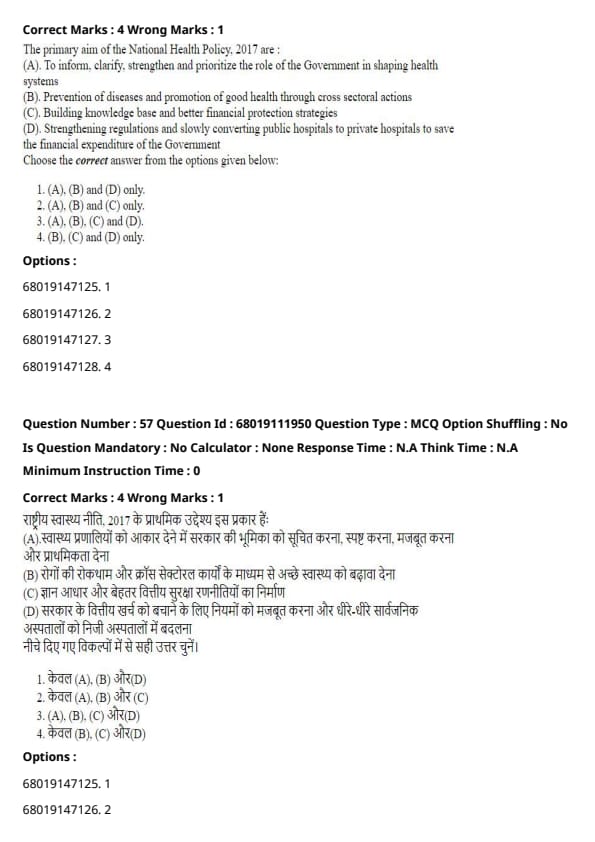
The primary aim of the National Health Policy, 2017 are:
Choose the correct answer from the options given below:
View Solution
The National Health Policy of 2017 emphasizes the role of the government in strengthening the health system, promoting disease prevention, and encouraging cross-sectoral actions for good health (A and B). It also focuses on building a knowledge base and improving financial protection strategies (C). However, the policy does not support the idea of converting public hospitals into private ones (D).
Question 58:
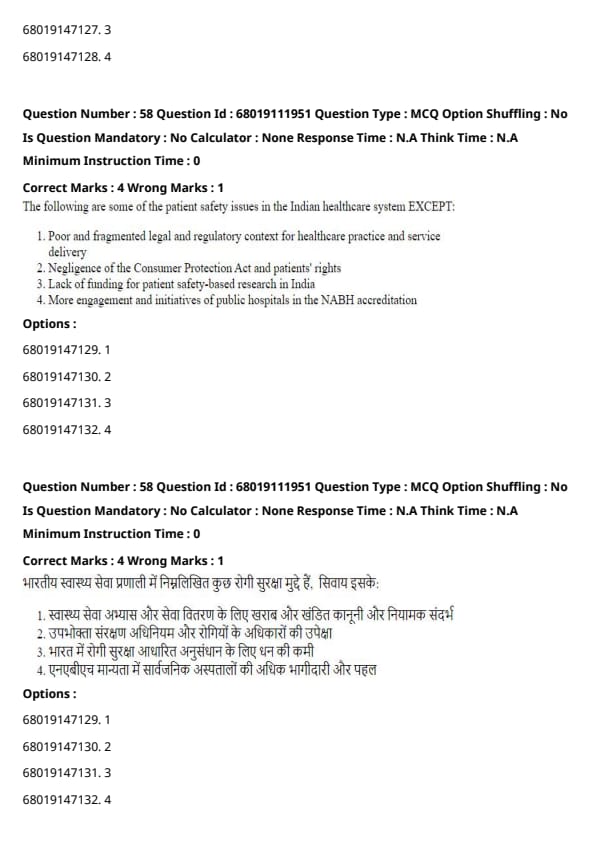
The following are some of the patient safety issues in the Indian healthcare system EXCEPT:
View Solution
While the other options highlight significant patient safety issues, the increased engagement and initiatives of public hospitals in obtaining NABH (National Accreditation Board for Hospitals & Healthcare Providers) accreditation represent a positive step towards improving healthcare quality and safety, not a safety issue.
Question 59:
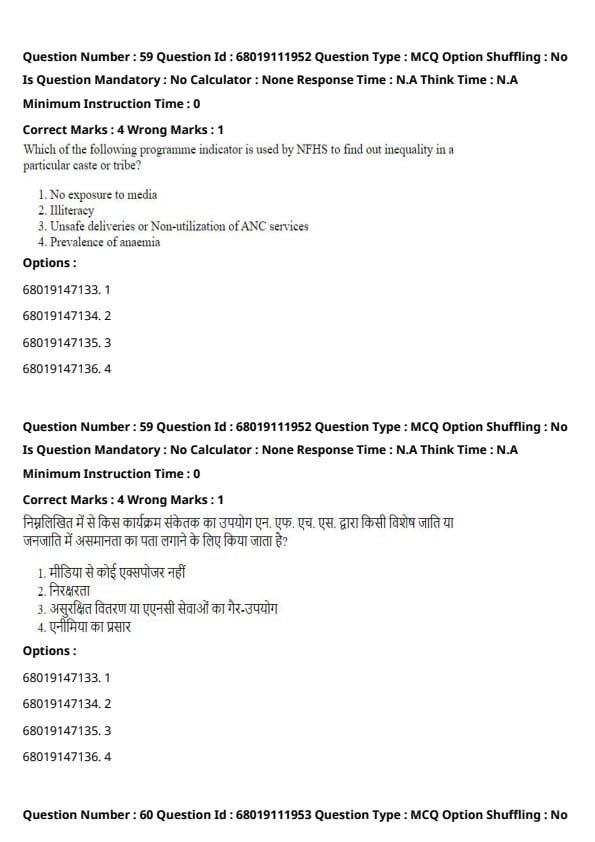
Which of the following programme indicator is used by NFHS to find out inequality in a particular caste or tribe?
View Solution
The NFHS (National Family Health Survey) uses several indicators to measure inequality across various social groups. Illiteracy is one of the primary indicators used to assess inequality in particular castes or tribes, as it can reflect disparities in education and social development.
Question 60:
The total software requirements of a typical hospital are in which of the following areas?
Choose the correct answer from the options given below:
View Solution
The total software requirements of a typical hospital span across multiple areas, including clinical applications (A) for patient care and treatment, inpatient care (B), outpatient care (C), and business applications (D) for managing administrative and financial functions. All these areas are integral to the functioning of a hospital.
Question 61:
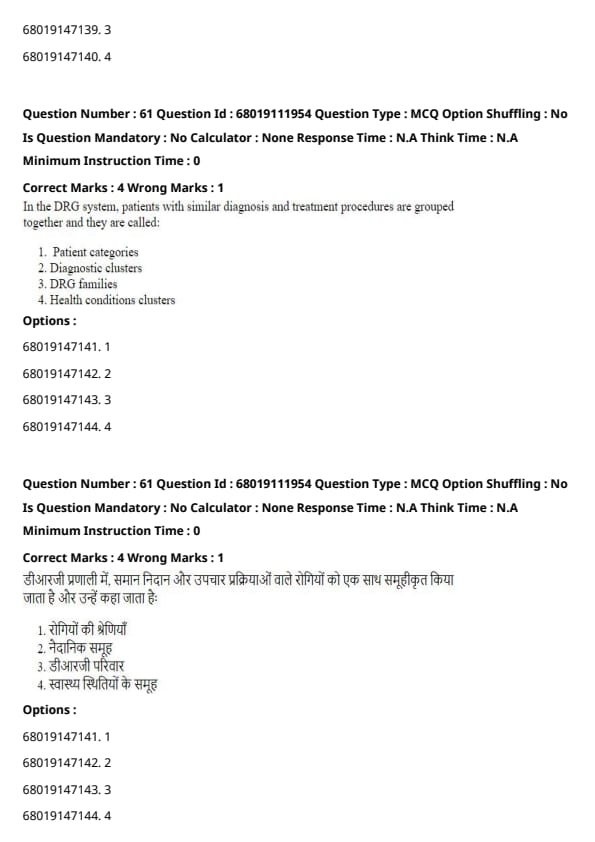
In the DRG system, patients with similar diagnosis and treatment procedures are grouped together and they are called:
View Solution
In the Diagnosis-Related Group (DRG) system, patients who have similar diagnoses and receive similar treatments are grouped into categories known as DRG families. These families help in the classification of hospital cases for resource allocation and reimbursement.
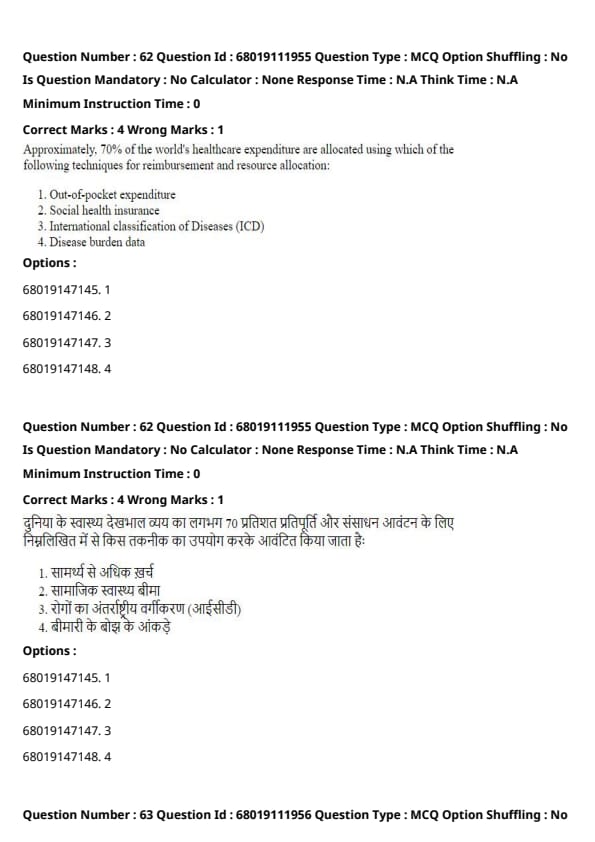
Question 62:
Approximately, 70 percentage of the world's healthcare expenditure is allocated using which of the following techniques for reimbursement and resource allocation:
View Solution
Social health insurance is a major method used for reimbursement and resource allocation in many countries, covering a large portion of healthcare expenditures. It helps in distributing healthcare costs and ensuring access to medical services for the population.
Question 63:
Code Blue in a Hospital is activated in which of the following type of situation?
View Solution
In hospital emergency codes, Code Blue is used to indicate a medical emergency, typically involving a patient requiring immediate resuscitation, such as in cases of cardiac arrest.
Question 64:
Match List I with List II:
| List I | Treatment and disposal of waste | List II | Advantages |
|---|---|---|---|
| A | Wet thermal treatment | I | Highly efficient disinfection under operating conditions |
| B | Chemical disinfection | II | Relatively low investment and operating costs |
| C | Pyrolytic incineration | III | Drastic reduction of weight and volume of waste |
| D | Brick incinerator | IV | High disinfection efficiency |
Choose the correct answer from the options given below:
View Solution
The correct matching of waste treatment methods with their advantages is as follows:
- Wet thermal treatment (A) offers highly efficient disinfection under good operating conditions (I).
- Chemical disinfection (B) involves relatively low investment and operating costs (II).
- Pyrolytic incineration (C) results in drastic reduction of weight and volume of waste (III).
- Brick incinerator (D) offers high disinfection efficiency (IV).
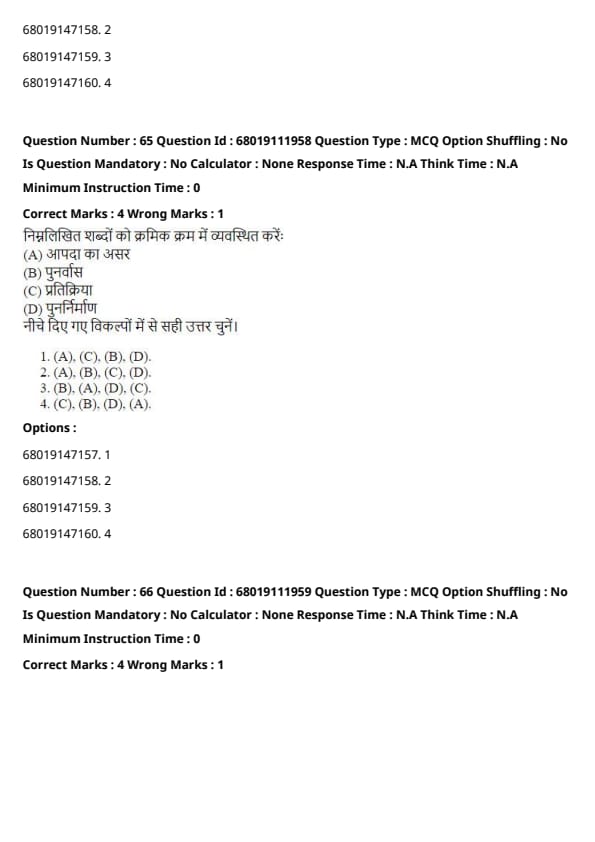
Question 65:
Arrange the following terms in a sequential order:
Choose the correct answer from the options given below:
View Solution
The correct sequence of events in disaster management begins with the impact of the disaster (A), followed by an immediate response (C) to mitigate damage and save lives. After the immediate response, rehabilitation (B) occurs to address the long-term needs of affected communities. Finally, reconstruction (D) takes place to rebuild infrastructure and restore normalcy.
Question 66:
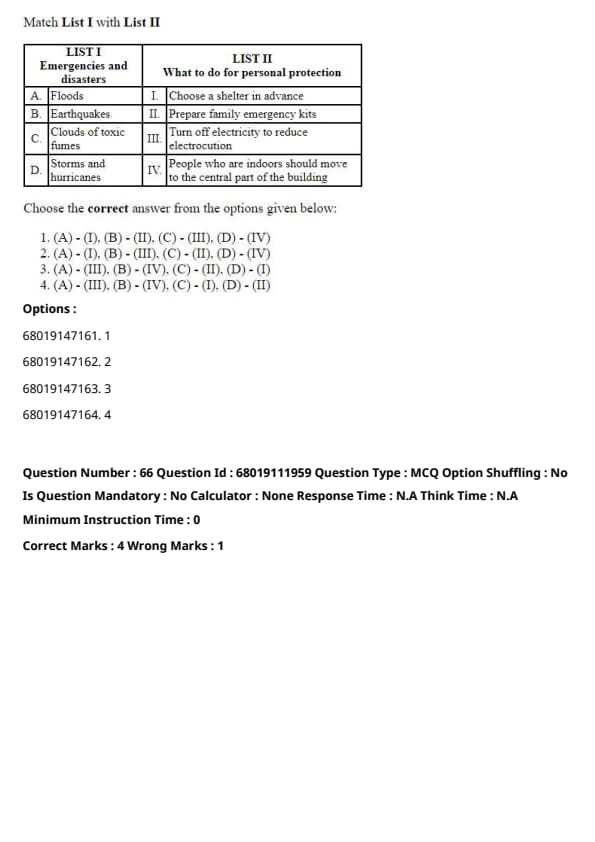
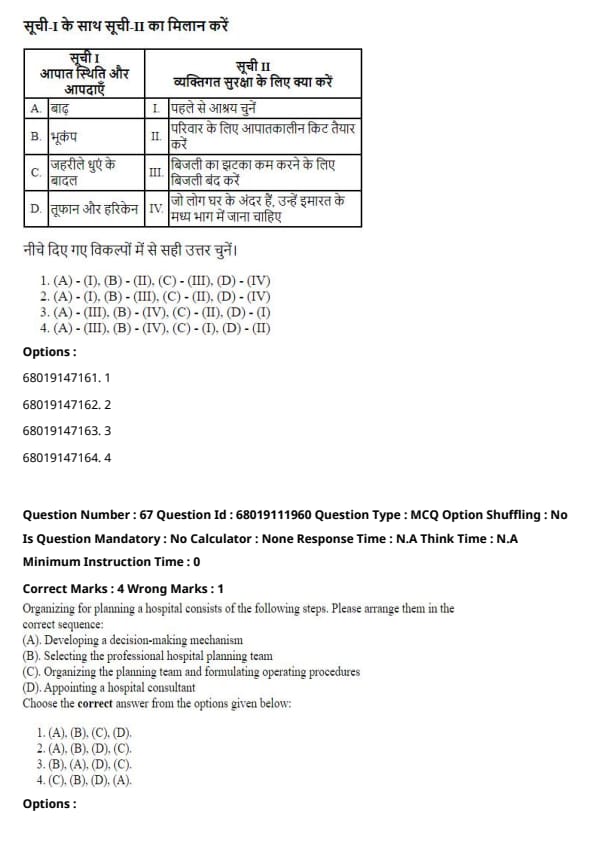
Match List I with List II:
| List I | Emergencies and disasters | List II | What to do for personal protection |
|---|---|---|---|
| A | Floods | I | Choose a shelter in advance |
| B | Earthquakes | II | Prepare family emergency kits |
| C | Clouds of toxic fumes | III | Turn off electricity to reduce electrocution |
| D | Storms and hurricanes | IV | People who are indoors should move to central part of building |
Choose the correct answer from the options given below:
View Solution
The correct matching of emergencies and the respective actions for personal protection is as follows:
- Floods (A): Choose a shelter in advance (I).
- Earthquakes (B): Prepare family emergency kits (II).
- Clouds of toxic fumes (C): Turn off electricity to reduce electrocution (III).
- Storms and hurricanes (D): People who are indoors should move to the central part of the building (IV).
Question 67:
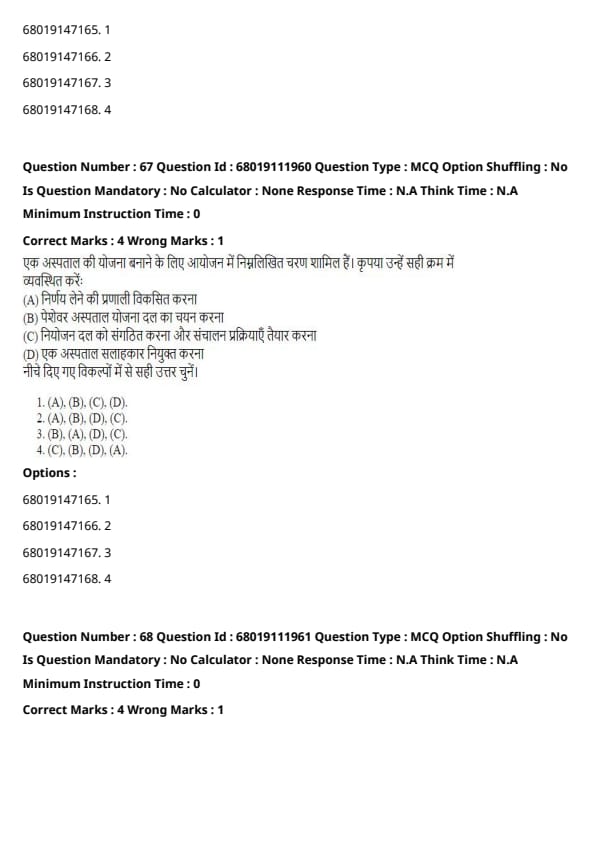
Organizing for planning a hospital consists of the following steps. Please arrange them in the correct sequence:
Choose the correct answer from the options given below:
View Solution
The correct sequence of steps for organizing hospital planning is:
- First, the professional hospital planning team is selected (B).
- Next, a decision-making mechanism is developed (A).
- A hospital consultant is then appointed (D).
- Finally, the planning team is organized, and operating procedures are formulated (C).
Question 68:
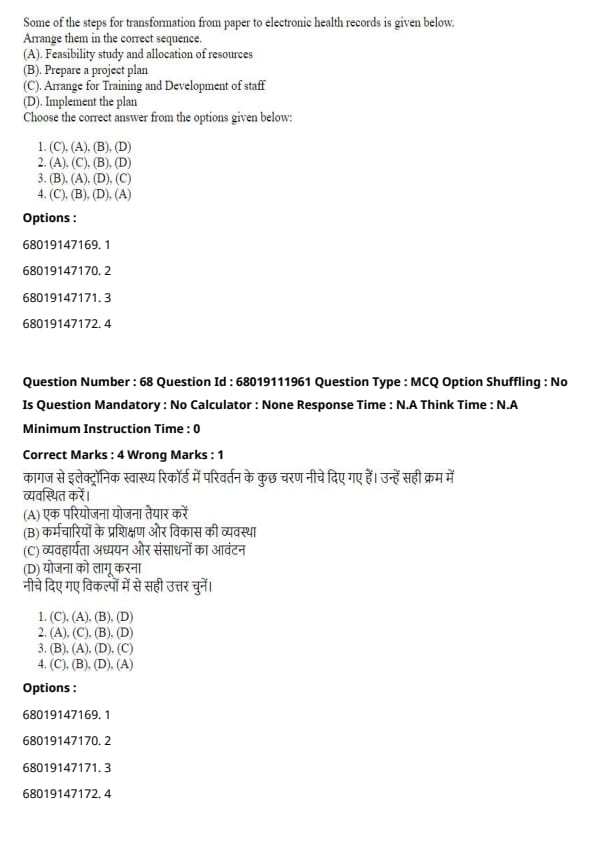
Some of the steps for transformation from paper to electronic health records are given below. Arrange them in the correct sequence:
Choose the correct answer from the options given below:
View Solution
The correct sequence for transforming from paper to electronic health records involves:
- First, conducting a feasibility study and allocating resources (A).
- Then, preparing a project plan (C).
- Next, arranging for training and development of staff (B).
- Finally, implementing the plan (D).
Question 69:
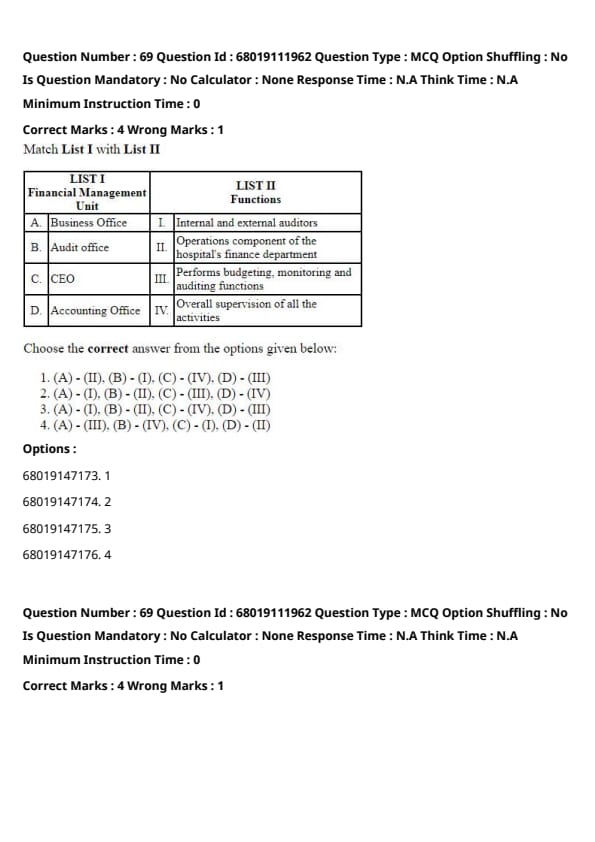
Match List I with List II:
| List I | Financial Management Unit | List II | Functions |
|---|---|---|---|
| A | Business Office | I | Internal and external auditors |
| B | Audit Office | II | Operations component of the hospital's finance department |
| C | CEO | III | Overall supervision of all the activities |
| D | Accounting Office | IV | Performs budgeting, monitoring and auditing functions |
Choose the correct answer from the options given below:
View Solution
The correct matching of financial management units with their respective functions is as follows:
- The Business Office (A) deals with the operations component of the hospital's finance department (II).
- The Audit Office (B) handles internal and external auditors (I).
- The CEO (C) is responsible for overall supervision of all activities (IV).
- The Accounting Office (D) performs budgeting, monitoring, and auditing functions (III).
Question 70:
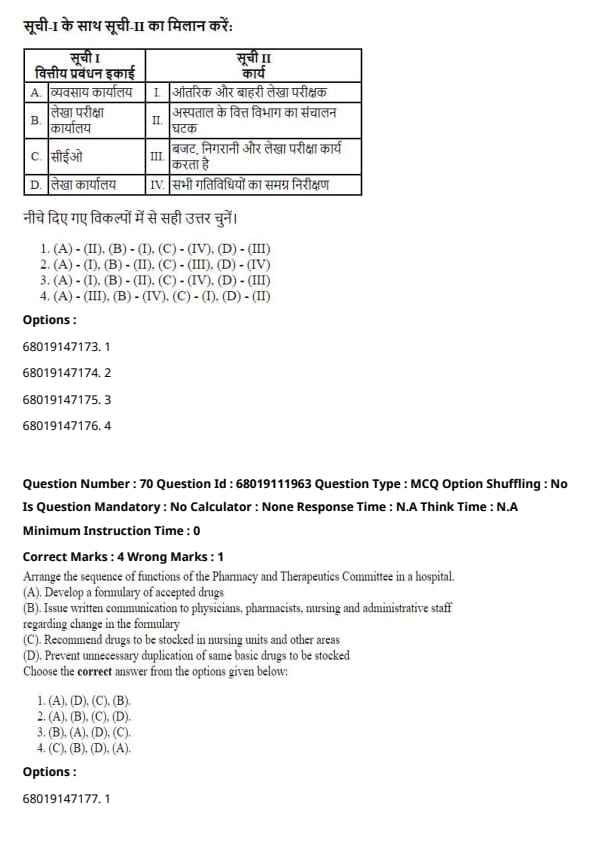
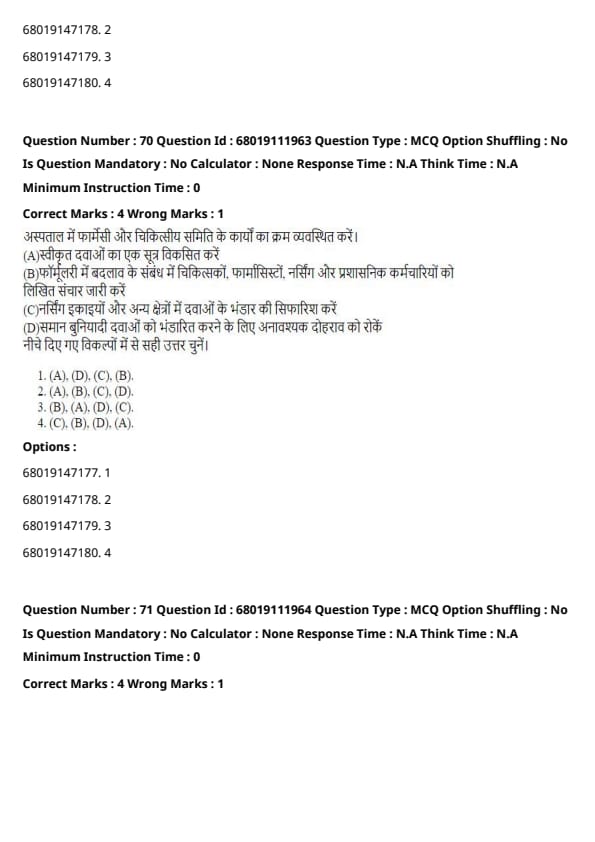
Arrange the sequence of functions of the Pharmacy and Therapeutics Committee in a hospital:
Choose the correct answer from the options given below:
View Solution
The correct sequence of functions for the Pharmacy and Therapeutics Committee is:
- First, develop a formulary of accepted drugs (A).
- Then, issue written communication to staff regarding changes in the formulary (B).
- Next, recommend drugs to be stocked in nursing units and other areas (C).
- Finally, prevent unnecessary duplication of basic drugs to be stocked (D).
Question 71:
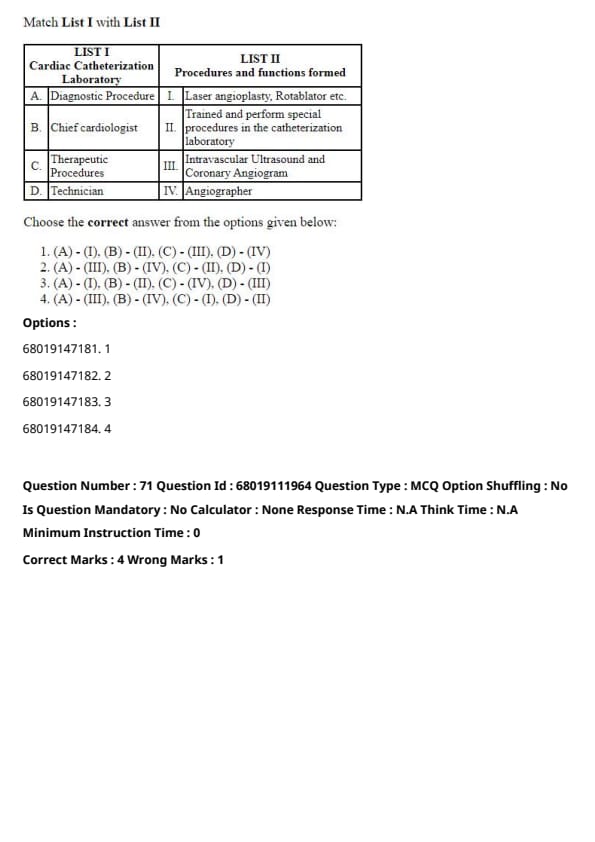
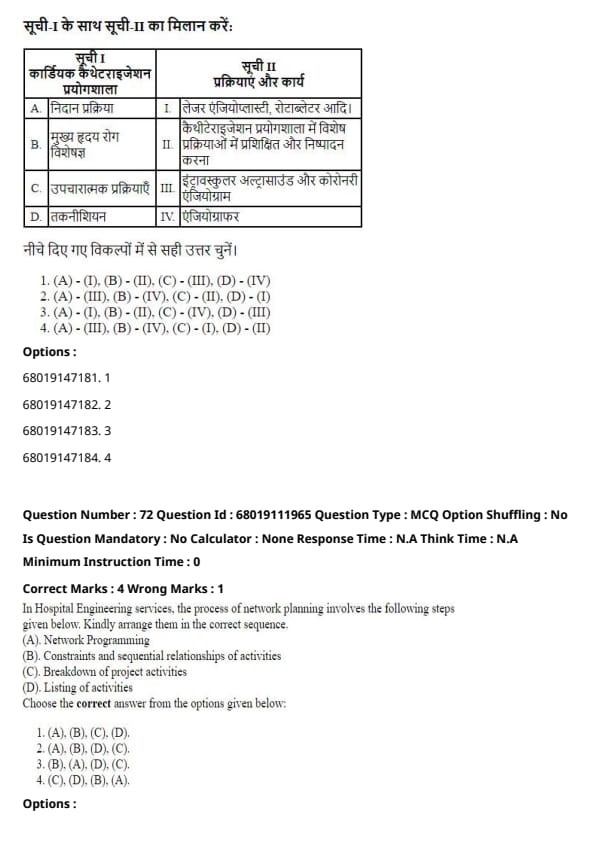
Match List I with List II:
| List I | Cardiac Catheterization Laboratory | List II | Procedures and functions formed |
|---|---|---|---|
| A | Diagnostic Procedure | I | Laser angioplasty, Rotablator etc. |
| B | Chief cardiologist | II | Trained; perform procedure in catheterization laboratory |
| C | Therapeutic Procedures | III | Intravascular Ultrasound and Coronary Angiogram |
| D | Technician | IV | Angiographer |
Choose the correct answer from the options given below:
View Solution
The correct matching of Cardiac Catheterization Laboratory components with their respective procedures and functions is as follows:
- Diagnostic procedures (A) include laser angioplasty and rotablator (I).
- The chief cardiologist (B) is trained to perform special procedures in the catheterization laboratory (II).
- Therapeutic procedures (C) involve intravascular ultrasound and coronary angiogram (III).
- Technicians (D) are responsible for performing angiographies (IV).
Question 72:
In Hospital Engineering services, the process of network planning involves the following steps given below. Kindly arrange them in the correct sequence.
Choose the correct answer from the options given below:
View Solution
The correct sequence of steps for network planning in hospital engineering is:
- First, identify the constraints and sequential relationships of activities (B).
- Then, perform network programming (A).
- Next, list the activities (D).
- Finally, break down the project activities (C).
Question 73:
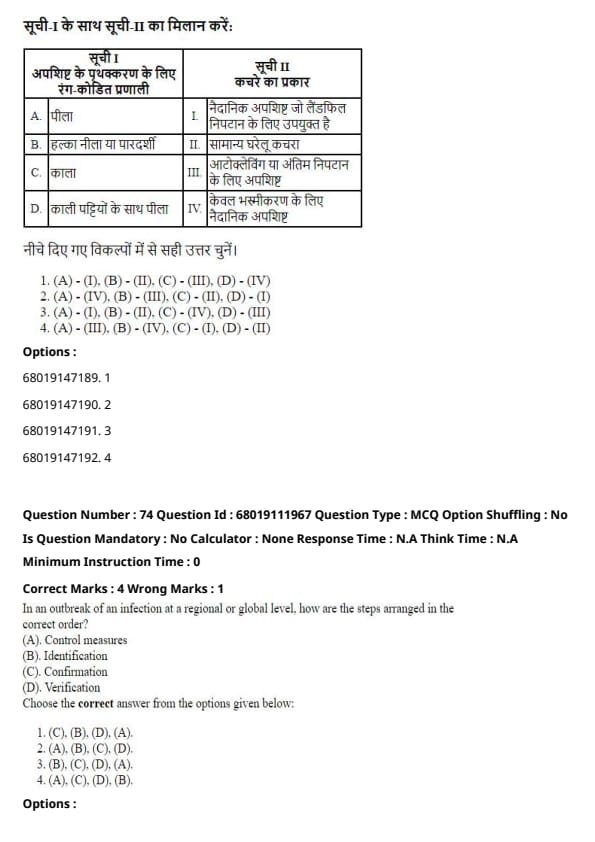
Match List I with List II:
| List I | Colour-coded system for segregation of waste | List II | Type of waste |
|---|---|---|---|
| A | Yellow | I | Clinical waste which is suitable for landfill disposal |
| B | Light blue or transparent | II | Normal household waste |
| C | Black | III | Waste for autoclaving or ultimate disposal |
| D | Yellow with black strips | IV | Clinical waste for incineration only |
Choose the correct answer from the options given below:
View Solution
The correct matching of the colour-coded system for segregation of waste with the type of waste is as follows:
- Yellow (A): Clinical waste which is suitable for landfill disposal (I).
- Light blue or transparent (B): Normal household waste (II).
- Black (C): Waste for autoclaving or ultimate disposal (III).
- Yellow with black strips (D): Clinical waste for incineration only (IV).
Question 74:
In an outbreak of an infection at a regional or global level, how are the steps arranged in the correct order?
Choose the correct answer from the options given below:
View Solution
The correct sequence of steps for managing an infection outbreak is:
- First, identification of the infection (B).
- Then, confirmation of the infection (C).
- Next, verification of the findings (D).
- Finally, implementing control measures (A).
Question 75:
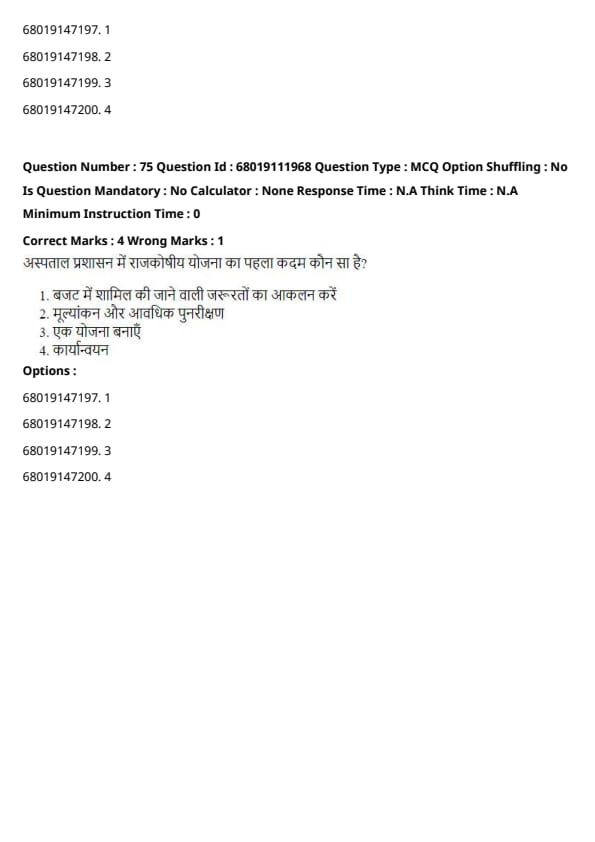
Which is the first step in fiscal planning in hospital administration?
View Solution
The first step in fiscal planning is to assess the needs that need to be covered in the budget. This includes determining the financial requirements for various services, departments, and operations in the hospital to effectively allocate resources and set priorities.









































*The article might have information for the previous academic years, please refer the official website of the exam.