Content Curator | Updated On - Oct 28, 2026
Bachelor of Ayurvedic Medicine and Surgery [BAMS] is a five and a half year degree in Ayurvedic medicine, regulated by the National Commission for Indian Medical Systems. Four and a half years of study lead into a compulsory year of internship in a hospital. Admission is through the national entrance test for the medical streams, with physics, chemistry and biology in Class 12. Graduates register with the state council and practise as Ayurvedic physicians.
| Key point | Course outcome |
|---|---|
| The classical texts | Read the foundational Sanskrit and Prakrit texts of Ayurveda and explain the doctrine of the three doshas and the seven tissues. |
| The biomedical base | Know the anatomy, the physiology and the pathology of the body as they are taught in the modern college. |
| Diagnosis | Take the history, examine the patient and work out the diagnosis in the frame of Ayurveda without losing the biomedical picture. |
| Treatment | Plan and give the treatment of the tradition, the medicine, the diet and the daily regimen, and know when to refer. |
| Panchakarma and the procedures | Perform the cleansing procedures and the specialised procedures of the departments where they are taught. |
| Clinical posting | Work on the ward and in the outpatient department with the supervision of the faculty and the resident doctors. |
BAMS Highlights and the Structure of the Degree
The BAMS is a professional degree that is taught in a medical college and regulated like one. The first year builds the base of Ayurveda, the second and the third add the biomedical sciences, the fourth and the fifth are the clinical years, and the sixth is the internship in the attached hospital.
| Particular | Details |
|---|---|
| Full form | Bachelor of Ayurvedic Medicine and Surgery |
| Level | Undergraduate professional degree in the Indian medical systems |
| Regulator | National Commission for Indian Medical Systems, under the Ministry of AYUSH, with the state council registering the practitioner |
| Duration | Four and a half years of academic study in nine semesters, followed by a compulsory year of internship |
| Admission | The national entrance examination for the AYUSH programmes, with the counselling run by the state |
| Clinical teaching | The teaching in the attached hospital, the ward rounds, the outpatient department and the community posting |
| Internship | A compulsory year of clinical training in a hospital, with the record and the certificate of the supervisor |
| Registration | Registration with the state AYUSH council and the national register, which is required before the practice |
The parts of the degree
| Part | What it carries |
|---|---|
| The first year | The foundations of Ayurveda, the history, the Indian pharmacy, the basic principles, the Sanskrit and the introductory biomedical subjects |
| The second and the third years | The anatomy, the physiology, the biochemistry, the pathology, the microbiology and the pharmacology, with the posting in the department |
| The fourth and the fifth years | The clinical subjects of Ayurveda, the therapeutics, the diagnosis, the treatment and the procedures of the departments, with the ward and the outpatient posting |
| The internship year | The clinical rotation in the hospital, the record of the cases and the certificate that closes the degree |
BAMS Course Details
The degree is deliberately bilingual in method. The theory of Ayurveda is taught in the classical frame, and the body is taught in the biomedical frame, so that a graduate can examine a patient in both and treat the patient in the first while knowing what the second says.
What the programme covers
| Area | What you learn |
|---|---|
| The principles of Ayurveda | The doshas, the tissues, the channels, the agni, the examination of the patient and the reasoning of the diagnosis |
| The Indian pharmacy | The identification of the herb, the collection, the processing, the storage and the dose, and the standardization |
| The biomedical sciences | The anatomy, the physiology, the biochemistry, the pathology, the microbiology and the pharmacology |
| The clinical medicine of Ayurveda | The internal medicine, the pediatrics, the gynaecology, the ophthalmology, the ENT, the skin and the poisons |
| The procedures | The Panchakarma and the purification, the external therapies and the specialised surgical techniques |
| The public health | The preventive and the social medicine, the national health programmes and the health statistics |
| The clinical posting | The ward, the outpatient department, the operation theatre and the community, under the supervision of the faculty |
Who suits this course
- A willingness to learn the classical language and the classical texts
- An interest in the patient as a whole rather than in the single symptom
- The steadiness for the long clinical rotation and the night duty
- A language that helps, because the patients and the classical sources are not always in English
BAMS Eligibility Criteria
| BAMS eligibility particulars | Requirements |
|---|---|
| Qualifying examination | Class 12 from a recognised board with physics, chemistry and biology, the science group with biology |
| Minimum marks | At least 50 percent in the aggregate of the three subjects, with a relaxation of 5 percent for the reserved categories |
| Entrance examination | A valid score in the national entrance examination for the AYUSH programmes, which is the only route to the government and the aided colleges |
| Age limit | No upper age limit is fixed for the undergraduate seats under the current rules, and the rule of the admitting college applies |
| Medical fitness | A medical fitness certificate is required at the time of joining, and the colleges examine the candidates |
| Language | A working knowledge of the medium of instruction and of the language of the clinical posting |
The subject condition is strict for a good reason. The first two years of the degree carry the anatomy, the physiology and the biochemistry, and the college will not admit a candidate who has never studied biology at the Class 12 level.
- Keep your Class 12 mark sheet, the certificate and the category certificate ready
- Have the entrance score card and the counselling allotment letter ready
- Note the medical check date, which the college fixes separately from the admission
- Keep a language certificate where the state asks for proficiency in the local language
Official references: Ministry of AYUSH, National entrance examination for the AYUSH programmes, National Scholarship Portal.
BAMS Admission Procedure
The admission to the AYUSH programmes is centralised at the entrance and then distributed by the state counselling, so the seat is confirmed in the counselling of the state and not by the college directly.
| Step | What students should do |
|---|---|
| 1. Register for the entrance examination | Apply for the national entrance examination for the AYUSH programmes and pay the application fee before the closing date. |
| 2. Appear for the examination | Sit the paper on the science subjects, with the question paper in the language allowed by the notice. |
| 3. Take part in the state counselling | Join the counselling of the state where the college sits, and list the preference of the college and the course. |
| 4. Clear the medical check | Attend the medical examination of the college, where the certificate of fitness is decided. |
| 5. Submit the documents | Upload the mark sheet, the certificate, the category papers and the residence certificate where it applies. |
| 6. Accept the seat and pay the fee | Accept the allotment, pay the course fee and collect the admission slip for the reporting date. |
Documents required
- Class 12 mark sheet and certificate with physics, chemistry and biology
- Entrance examination score card and the counselling allotment letter
- Category, disability or economic weaker section certificate where applicable
- Residence or domicile certificate where the state asks for it
- Medical fitness certificate and the recent photographs
BAMS Entrance Exams
| Exam or route | Conducting body | Where it applies |
|---|---|---|
| National entrance examination for the AYUSH programmes | National Testing Agency | The single route to the AYUSH programmes at the central, the state and the aided colleges, with the counselling run by the state |
| State university entrance examination | The university | The separate entrance that a few universities run for their own private and management seats |
| Institutional entrance test | The college | The seats that a private college fills on its own, with the test and the interview set by the college |
The national examination is the main route, and the counselling that follows decides the college. Two rules are worth remembering. The seat is allotted on the entrance score with the reservation of the state applied, and the choice of the college is made in the counselling, so the preference list matters.
BAMS Syllabus and the Internship Year
The list below follows the curriculum structure that the Commission sets for the degree, with the paper titles of a typical medical college. Each college names its papers in its own way and adds the electives of the year.
| Year | Main papers |
|---|---|
| Year 1 | The history of Ayurveda, the basic principles of Ayurveda, the Sanskrit, the Indian pharmacy and the therapeutics, the history of medicine and the preliminary biomedical subjects |
| Year 2 | The anatomy, the physiology, the biochemistry, the principles of the treatment, the Ayurvedic therapeutics and the community medicine, with the posting in the department |
| Year 3 | The pathology, the microbiology, the pharmacology, the forensic medicine and the clinical medicine, with the posting in the laboratory and in the ward |
| Year 4 | The medicine, the surgery, the obstetrics and the paediatrics, the Panchakarma and the procedures, with the ward and the outpatient posting |
| Year 5 | The medicine continued, the surgical and the specialised subjects, the panchakarma, the research methodology and the community posting |
| Internship year | The clinical rotation across the departments of the attached hospital, with the record of the cases, the certificate of the supervisor and the final examination |
What the internship year involves
- A full-time year in the attached hospital, with the rotation decided by the college
- The record of the cases seen, signed by the supervisor of each department
- The experience in the outpatient department, in the ward and in the operation theatre
- The final examination and the award of the degree after the internship is completed
BAMS Career Scope and Opportunities
The BAMS leads to a licensed practice in Ayurveda, and the degree is also the route into the teaching and the research posts of the discipline. Posting and pay depend on the employer and on the state, so no fixed salary is quoted here.
| Work area | Typical work | What is usually needed |
|---|---|---|
| Private practice | Running a clinic and treating the patients with the classical method and the modern medicine as the law allows | The degree and the registration with the state council and the national register |
| Government and AYUSH hospital | The post of the medical officer in a government dispensary or in an AYUSH hospital | The degree, the registration and the competitive examination of the department |
| Multi specialty hospital | Working in the Ayurveda department of a hospital with modern medicine alongside | The degree and the registration |
| Pharmacy and manufacturing | The technical and the quality work in a company that makes the Ayurvedic medicine | The pharmacy and the quality knowledge of the degree |
| Research and academia | Teaching in an Ayurvedic college and researching on the drug or on the clinical method | The postgraduate degree, and the doctorate for the senior posts |
| Public health and panchakarma centres | The health promotion work and the running of a wellness and a purification centre | The degree and the registration |
| Wellness and tourism | The practice in a resort or a wellness centre, and the traditional medicine services that go with it | The degree, the registration and the training in the procedures |
Higher studies after BAMS
The standard next step is the Master of Ayurveda or the Master of Surgery, which the Commission recognises in the specialisations of internal medicine, the Panchakarma, the surgery, the shamba and the eye and the basic principles. A doctorate follows, and with the National Eligibility Test the way into the teaching posts of the Ayurveda colleges opens.
Top BAMS Colleges in India
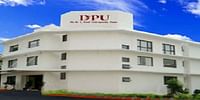
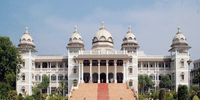
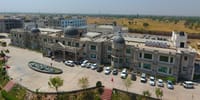
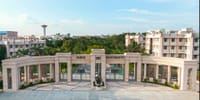
The colleges below run the programme and are listed on Zollege. This is not a ranking, and the list changes with every admission. Check the approval of the college, the intake, the entrance route and the published fee notice before you apply.
How BAMS fees compare
A government Ayurvedic college or a university college charges a fee fixed by the state, and a private college publishes a fee of its own. The published notice normally separates the components below, and the clinical posting in the hospital adds the travel and the stay for the students of the colleges away from the city.
| Fee element | What it covers |
|---|---|
| Application and counselling fee | The entrance examination, the counselling and the document verification |
| Course fee | The tuition, the supervision, the clinical teaching and the examination of the degree |
| Clinical and posting cost | The clinical posting in the hospital, the community posting and the associated travel |
| Library and student services | Library access, the laboratory, the museum and the student activity charges |
| Caution deposit | A refundable deposit held by the college |
For a broader search, see the entrance examination page, BAMS colleges in Karnataka, BAMS colleges in Maharashtra, BAMS colleges in Gujarat, BAMS colleges in Tamil Nadu and BAMS colleges in Kerala.
BAMS Scholarships
Medical students can use the central scholarship schemes, the state schemes for reserved categories and for students from rural schools, and the scholarships that a college or a university reserves for its own students.
| Scheme | Who can apply | Benefit |
|---|---|---|
| Central Sector Scheme of Scholarship for College and University Students | Candidates in regular mode who are not availing another scholarship, with family income up to INR 4.5 Lakhs | Part of the daily study cost, paid through direct benefit transfer to the Aadhaar seeded bank account |
| Central Sector Scholarship of Top Class Education for SC Students | Scheduled Caste students admitted to institutions empanelled by the Department of Social Justice and Empowerment | Financial support for study beyond Class 12 |
| PM YASASVI central sector scholarship for OBC, EBC and DNT students | Students in those categories admitted to empanelled institutions | Financial support for higher studies |
| National Means Cum Merit Scholarship | Students from economically weaker families who performed well in the Class 10 examination | Support that can continue through the undergraduate stage |
| State scholarship and institute merit scholarship | Students admitted under a state reservation quota, and students who rank high on the college merit list | Tuition fee support or a cash award under the rules of the state or the institution |
Apply through the National Scholarship Portal and keep your mark sheets, income proof and category certificate ready. The AYUSH departments of the states also run their own assistance for the students of the AYUSH colleges, so ask the college as well.
BAMS Frequently Asked Questions
Ques. What is BAMS?
Ans: The Bachelor of Ayurvedic Medicine and Surgery is a five and a half year degree in Ayurvedic medicine, regulated by the National Commission for Indian Medical Systems. It covers the classical theory, the biomedical sciences, the clinical medicine and a compulsory year of internship.
Ques. How long does the BAMS course take?
Ans: Four and a half years of academic study in nine semesters, followed by a compulsory year of internship in the attached hospital. The degree is awarded only after the internship and the final examination are complete.
Ques. What is the eligibility for BAMS?
Ans: You need Class 12 with physics, chemistry and biology with at least 50 percent, with a relaxation of 5 percent for the reserved categories. A valid score in the national entrance examination for the AYUSH programmes is also required.
Ques. Which entrance exam is used for BAMS?
Ans: The national entrance examination for the AYUSH programmes is the main route, and the counselling of the state allocates the seat and the college. A few universities and private colleges also fill a small number of seats on their own entrance test.
Ques. Is NEET required for BAMS admission?
Ans: Yes, the national entrance examination for the AYUSH programmes is the common entrance and it is the route to the government and the aided colleges. Some private and management seats are filled through a separate institutional test.
Ques. What subjects are covered in the BAMS syllabus?
Ans: The principles and the history of Ayurveda, the Indian pharmacy, the Sanskrit, the anatomy, the physiology, the biochemistry, the pathology, the microbiology, the pharmacology, the clinical medicine, the Panchakarma and the public health.
Ques. Can an Ayurvedic doctor prescribe allopathic medicine?
Ans: The law allows the practitioner to prescribe the allopathic medicine in a limited set of emergency situations, and the scope differs between the states and the institutions. Read the rules of your own state council before you set up the practice.
Ques. What career options are open after BAMS?
Ans: Private practice, the government and the AYUSH hospital posts, the Ayurveda department of a multi specialty hospital, the pharmaceutical and the manufacturing work, the research and the teaching, and the wellness and the panchakarma centres.
Ques. How much does BAMS cost?
Ans: A government Ayurvedic college or a university college charges a fee fixed by the state, and a private college publishes a fee of its own. The notice separates the tuition, the clinical and posting cost, the student services and the refundable deposit.