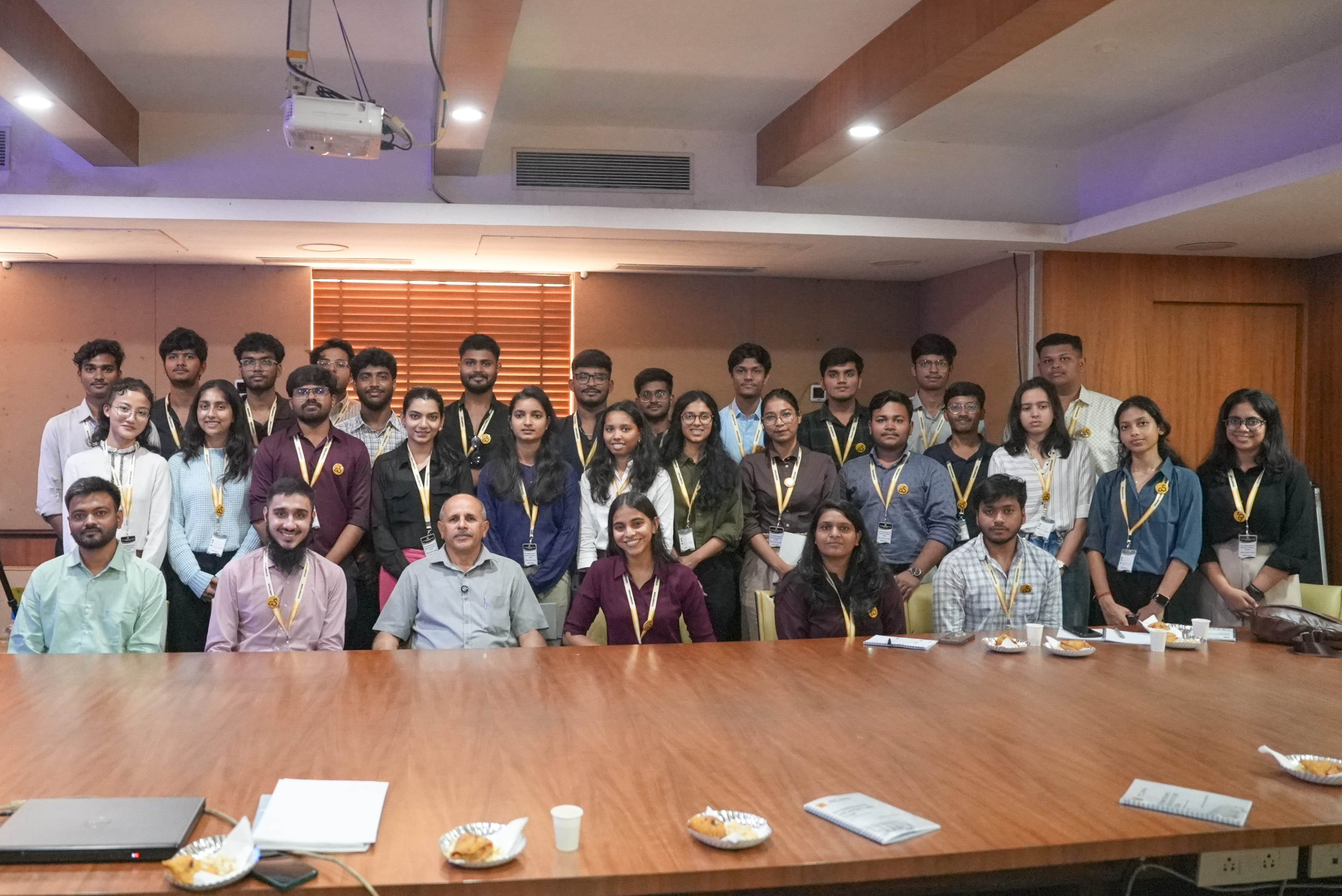
A group of architecture students from Parul University recently embarked on an enriching educational tour to Goa, which turned out to be far more than just a sightseeing trip. This immersive experience allowed the students to explore the intricate relationship between urban planning, legal frameworks, and cultural preservation in a real-world setting.
Rather than focusing solely on designing buildings, Parul University students discovered how town planning, environmental regulations, and government acts govern the way a city evolves while maintaining its rich cultural identity.
Key Learning Highlights from the Goa Tour
- Meeting with Planning Authorities
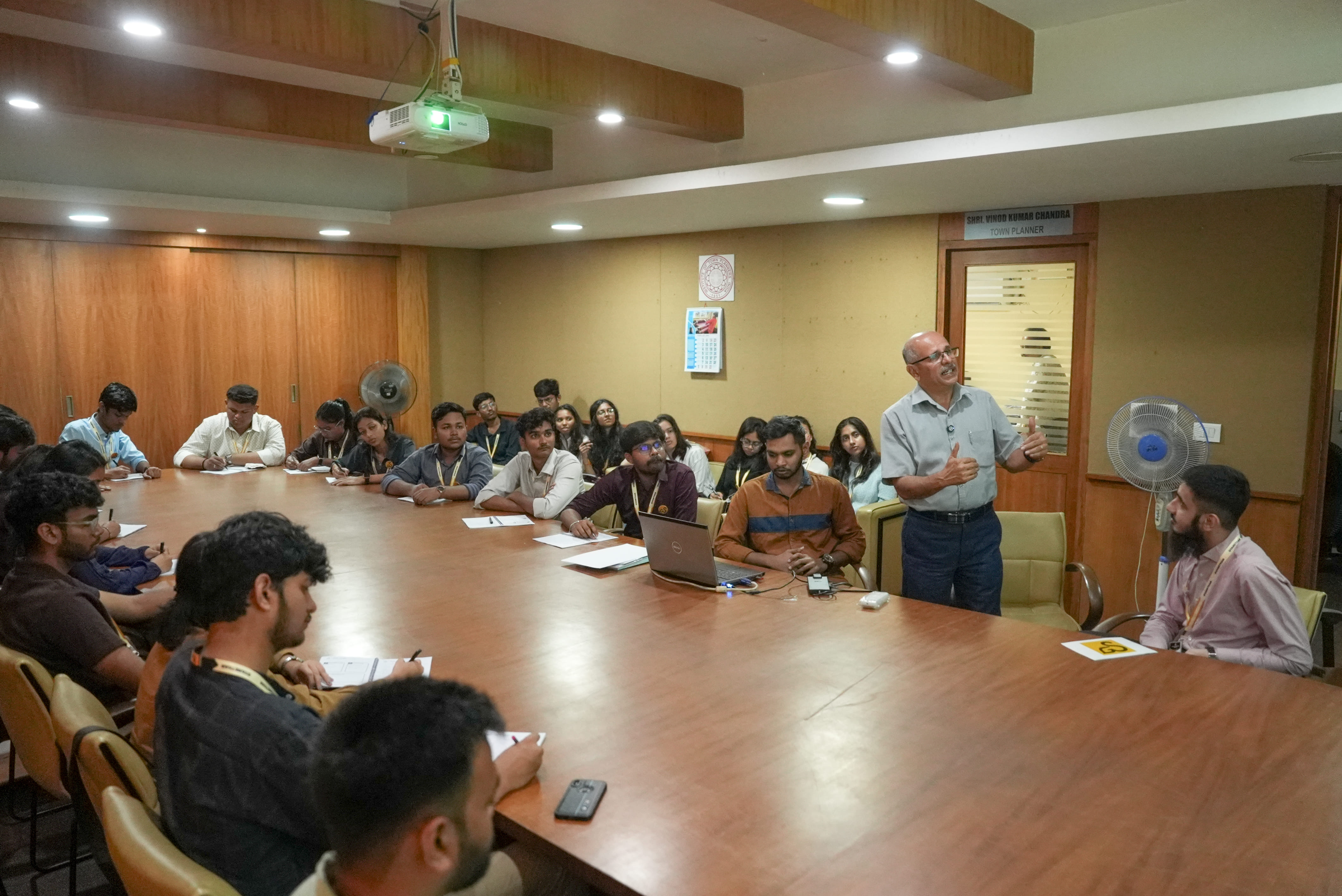
- Students visited the Department of Town and Country Planning, Goa, and interacted with Mr. Rajesh Naik, Head of Town Planning. He explained the importance of integrating law with architecture to preserve Goa’s unique identity
- Balancing Tradition and Modernity
- South Goa remains conservative, focusing on traditional structures.
- North Goa promotes rapid commercial growth under strict regulations to protect heritage sites like ancient churches and Portuguese-style houses.
- Law and Planning: A Symbiotic Relationship
- Town planning cannot function in isolation.
- Future architects learned that their work involves not just creativity, but ensuring compliance with:
- Government acts
- Building regulations
- Zoning limits
- Environmental laws
- Beyond Just Aesthetics - Planners must think about:
- Where schools, markets, and transport hubs are built
- Protecting sensitive zones such as forests and coastlines
- Avoiding ecological damage
- Student Reflections
Many students shared that the most impactful takeaway was the responsibility of designing buildings that are reasonable, legal, and respectful of culture and environment.
Real-World Challenges Witnessed by Students
| Urban Planning Challenge | Explanation |
| Historic Preservation | Ensuring modern development doesn’t overshadow heritage sites |
| Tourism vs. Ecology | Managing increasing tourist flow while protecting fragile ecosystems |
| Housing Needs | Providing sustainable solutions without harming the local culture |
| Legal Compliance | Every design must follow building codes, environmental acts, and zoning laws |
Why Practical Learning Matters More Than Theory
- The tour allowed students to directly witness how architectural theory becomes reality.
- Practical exposure helped them understand that architecture is not just drawing blueprints, but building communities that respect legal, cultural, and environmental frameworks.
Other Experiential Learning Tours by Parul University
- Writers’ Tour in Mumbai - Interaction with renowned authors and screenwriters
- Robotics Tour in Chennai - Exploring automation innovations
- Biopharma Tour in Hyderabad - Insights into drug development and innovation
- Leadership Tour in Bangalore - Learning from industry changemakers
- Design Tour in Mumbai - Blending art, technology, and real-world design practice.
Each of these tours allows students to experience knowledge firsthand, where theory meets practice and shapes their future careers.
Conclusion:
This educational initiative proves that architecture is much more than constructing buildings. It is a responsible practice of balancing creativity, legal compliance, cultural preservation, and sustainable development. For the students of Parul University, the Goa tour will remain a landmark experience, shaping the way they approach their future roles as architects.