On June 6, 327 design and architecture students walked into Clarks Amer, Jaipur for what looked like a college event but felt more like a job fair, a sales floor, and a final exam all rolled into one day.
The event, called STAMBH & TURPAN 2026, is the yearly showcase run by the Centre for Design Excellence (CODE) at Vivekananda Global University. The whole idea behind it is simple: instead of testing students with paper exams, put their actual work in front of real industry people and real customers, and see how it holds up.
Students Presented Their Work Before Industry Experts
Instead of regular exam panels, the university set up 42 jury sessions running at the same time. In each one, final-year students stood up and explained their thesis projects, answering questions from people who actually work in the field.
| Detail | Number |
|---|---|
| Students who took part | 327 |
| Open jury sessions running together | 42 |
| Industry experts judging the work | 150+ |
| New job roles offered through the placement drive | 150+ |
The judges weren't teachers grading from a rulebook. They were architects, designers, city planners, product makers, and business owners from across the country. At the same time, recruiters were going through student portfolios on the spot, which fed into the event's Creative Placement Drive. Through this drive, the university says over 150 job openings came up, covering architecture, product design, communication design, fashion, planning, and digital design work.
Placement Drive Connected Students with Employers
This is where the day moved from grading to selling. Product Design students ran a flea market with about 180 products they had made themselves - not class models, but items priced and sold to real shoppers.
Some of the items on sale:
- Organisers for storing jewellery
- Laptop stands built for comfort
- Resin lamps
- Home textiles made with sustainable materials
- Handmade incense holders
- Two India-themed card games called Bharat Battle and Guess The God
Students handled every part of this themselves — making the product, setting a price, marketing it, and selling it face to face with buyers. That kind of direct, real-world feedback is hard to copy in a regular classroom.
Two other groups also showed their work that afternoon:
- Architecture students presented design concepts for a 100-bed hospital, working on a problem India's healthcare system genuinely needs solved.
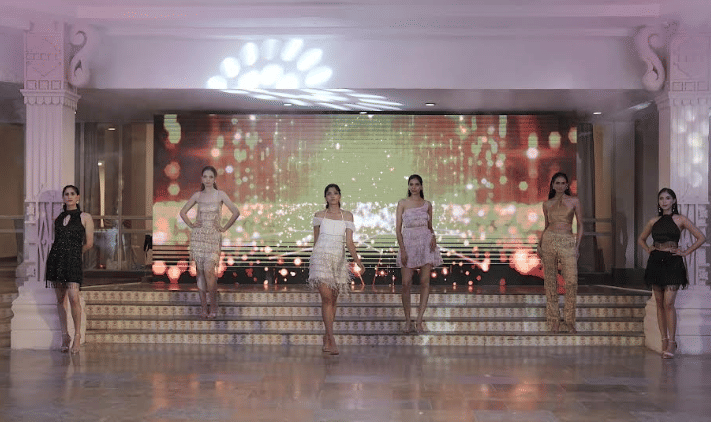
- Fashion and Textile students closed out the evening with a runway show of their own clothing collections, designed to look good and also be sellable in the market.
Who Was Judging the Work
The event pulled in some well-known names from the design and creative industry:
| Name | Role |
|---|---|
| Philip Thomas | Country Head – India, World Design Council; over 30 years in media, design education, and skill-building |
| Sunil Verma | Transportation Designer and educator |
| Rashmi Bhardwaj | From NID Ahmedabad |
| Ritvik Yadav | Founder & CEO, Khageshvara Aviation Technology |
Why This Matters
According to CII's India Design Report, India will need more than 60,000 trained designers by 2026, across fields like product design, automotive, digital media, fashion, and interiors. VGU's argument is that colleges can't fill that gap by treating industry exposure as something that happens after graduation - it has to be part of the course itself.
CODE runs several programs built around this idea, including:
- B.Des in Fashion & Textile
- B.Des in Interior & Product Design
- B.Des in UX Design
- B.Arch
- M.Des
Across all of these, the model is the same: students design something, test it, defend it in front of experts, try to sell it, and deal with industry people while they're still studying - not just once they graduate.