Architecture is often seen as lines on paper or 3D models in software, but for students of Parul University, a unique learning excursion to Goa revealed a deeper truth: real architecture goes far beyond drawings. It demands hands-on experience, practical problem-solving, and the ability to translate creative ideas into tangible structures.
During the Goa workshop, students of Parul University learned that technical knowledge and construction skills are just as important as design. Observing heritage buildings, experimenting with materials, and understanding the challenges of real-world execution gave them a fresh perspective on the complete journey from concept to construction.
Key Takeaways from the Workshop
| Learning Aspect | What Students Experienced |
|---|---|
| Practical Building Skills | Hands-on exercises in masonry and structural detailing |
| Real-World Material Behavior | Observing how materials react in actual construction |
| Context-Specific Construction | Learning how techniques vary by region and tradition |
| Bridging Design & Execution | Understanding the importance of knowing tools and methods to implement designs |
Hands-On Learning: The Core of the Design Workshop
The Design Workshop in Goa focused on a simple yet powerful idea:
“Design is not the final product – it is only the beginning.”
Students were exposed to:
- The practical use of materials like stone, mortar, and tools.
- The critical role of technical skills in realizing architectural concepts.
- Methods to adapt construction techniques to different contexts.
- Understanding the performance gap between imagination and reality.
A Transformative Shift in Perspective
Before the workshop, many students believed creativity and design were the sole priorities in architecture. After the Goa experience, their views shifted to a balanced understanding that:
- Architecture blends art and craft.
- The process of construction is as important as the concept.
- Execution challenges must be anticipated during the design phase.
This realization motivated them to focus equally on technical mastery alongside creativity.
Learning from Goa’s Heritage Architecture
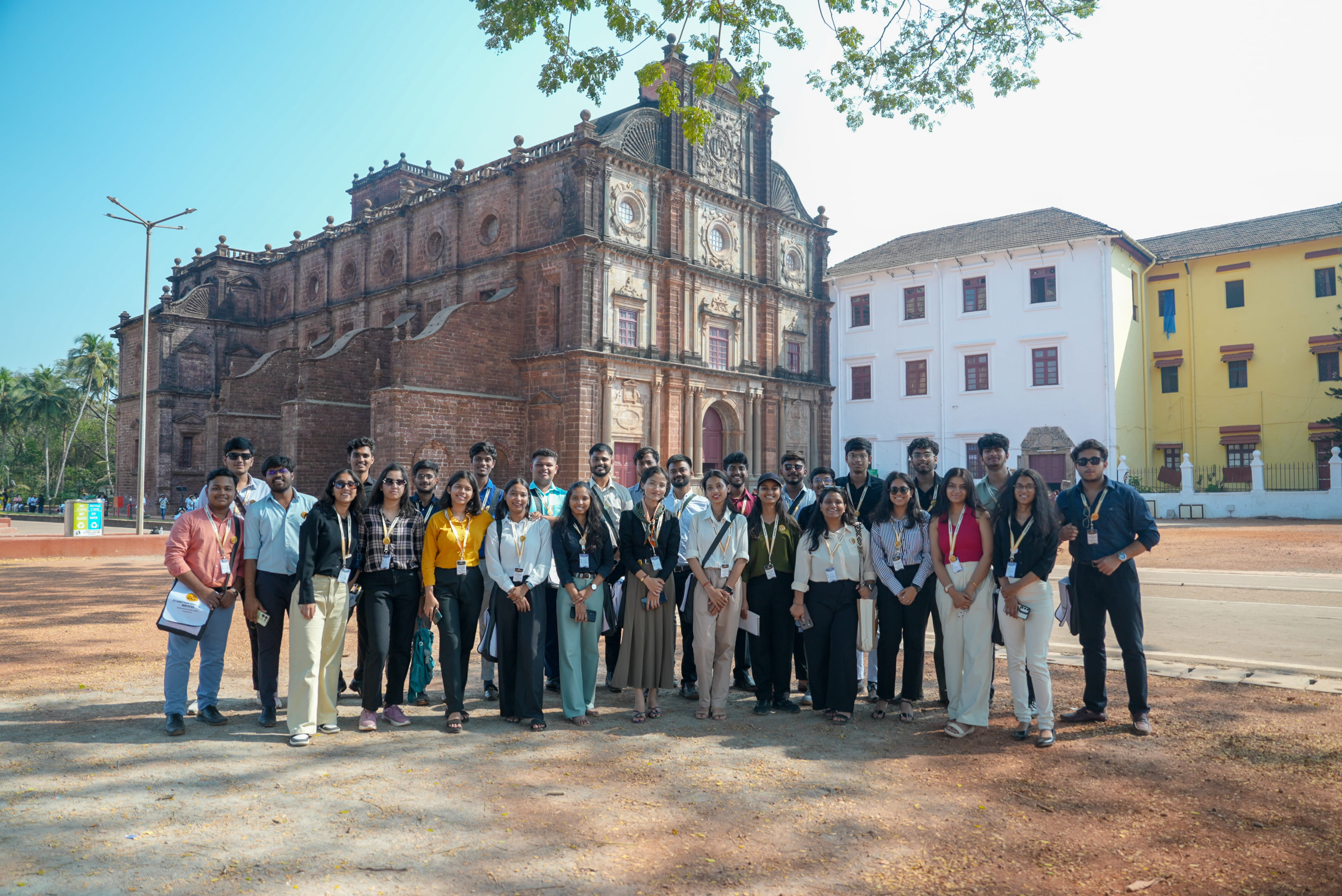
During their tour, students explored heritage Portuguese buildings, witnessing firsthand how:
- Historical and cultural influences shape architectural styles.
- Every wall, roof, and balcony had a story of technique, culture, and construction methods.
This open-air classroom enabled them to connect theory with real-world architectural achievements.
Expanding Horizons: Learning Beyond Goa
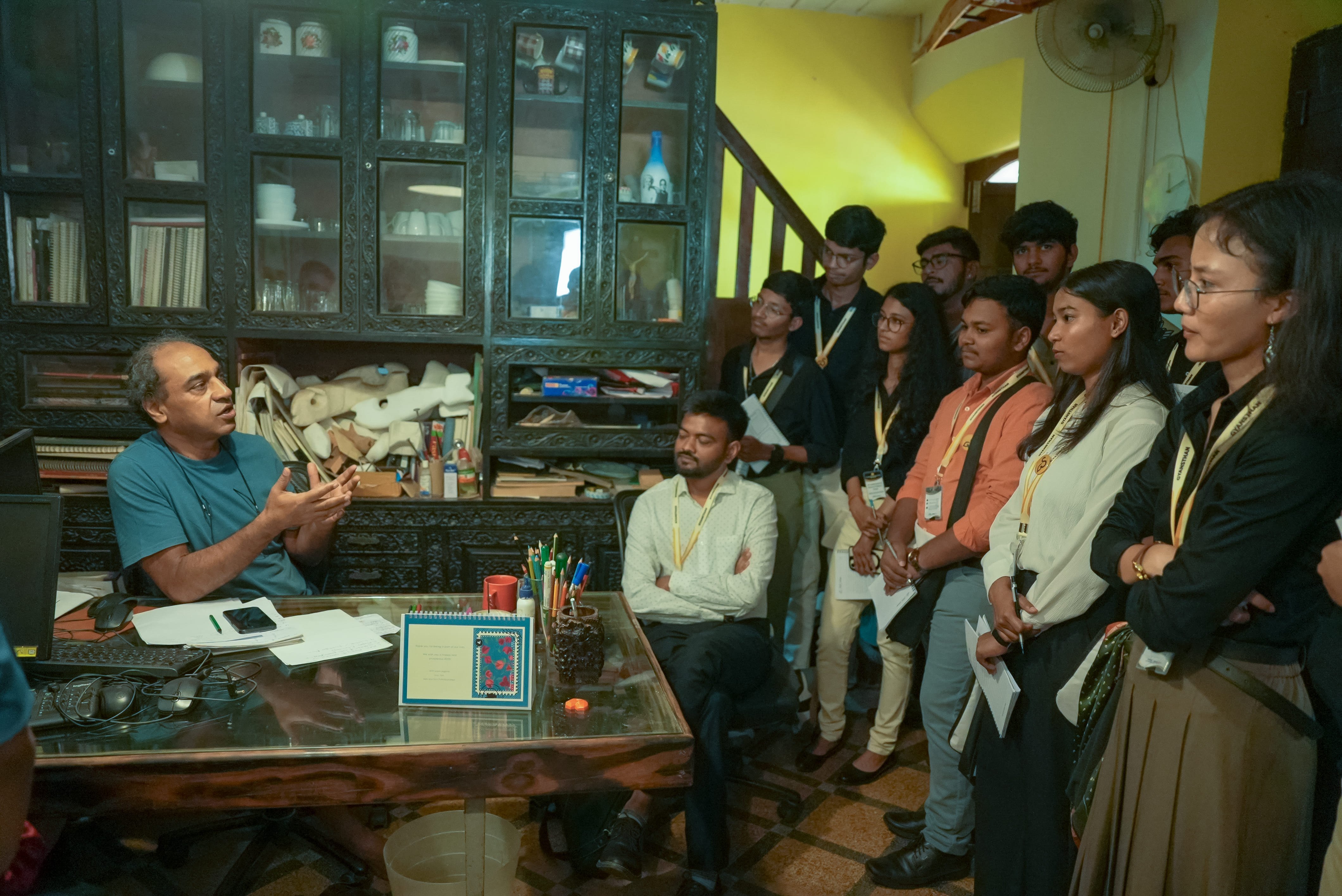
Parul University emphasizes experiential learning across disciplines, not just architecture. Below is a summary of other practical learning tours offered by the university:
| Tour | Location | Learning Focus |
| Writers Tour | Mumbai | Interaction with authors and storytellers |
| Robotics Tour | Chennai | Exposure to automation & AI technologies |
| Leadership Tour | Delhi, Mumbai, Bangalore | Meeting changemakers and industry leaders |
| Biopharma Tour | Hyderabad | Innovations in healthcare & pharmaceuticals |
| Design Tour | Mumbai | Convergence of technology and art |
These tours are not sightseeing trips but immersive learning experiences, connecting classroom theory to real-world applications.
Conclusion: Building Complete Architects
The Goa Design Workshop reinforced a vital lesson:
“Imagination alone does not make a building – technique and execution do.”
Armed with new knowledge, practical skills, and fresh perspectives, the students of Parul University returned inspired, ready to design and build responsibly, understanding the full journey from concept to construction.