Goa is often celebrated for its beaches, but for students of Parul University, it became a canvas of culture and creativity. What is often seen only as a tourist destination turned into a living classroom where every wall, street, and tradition carried lessons waiting to be discovered.
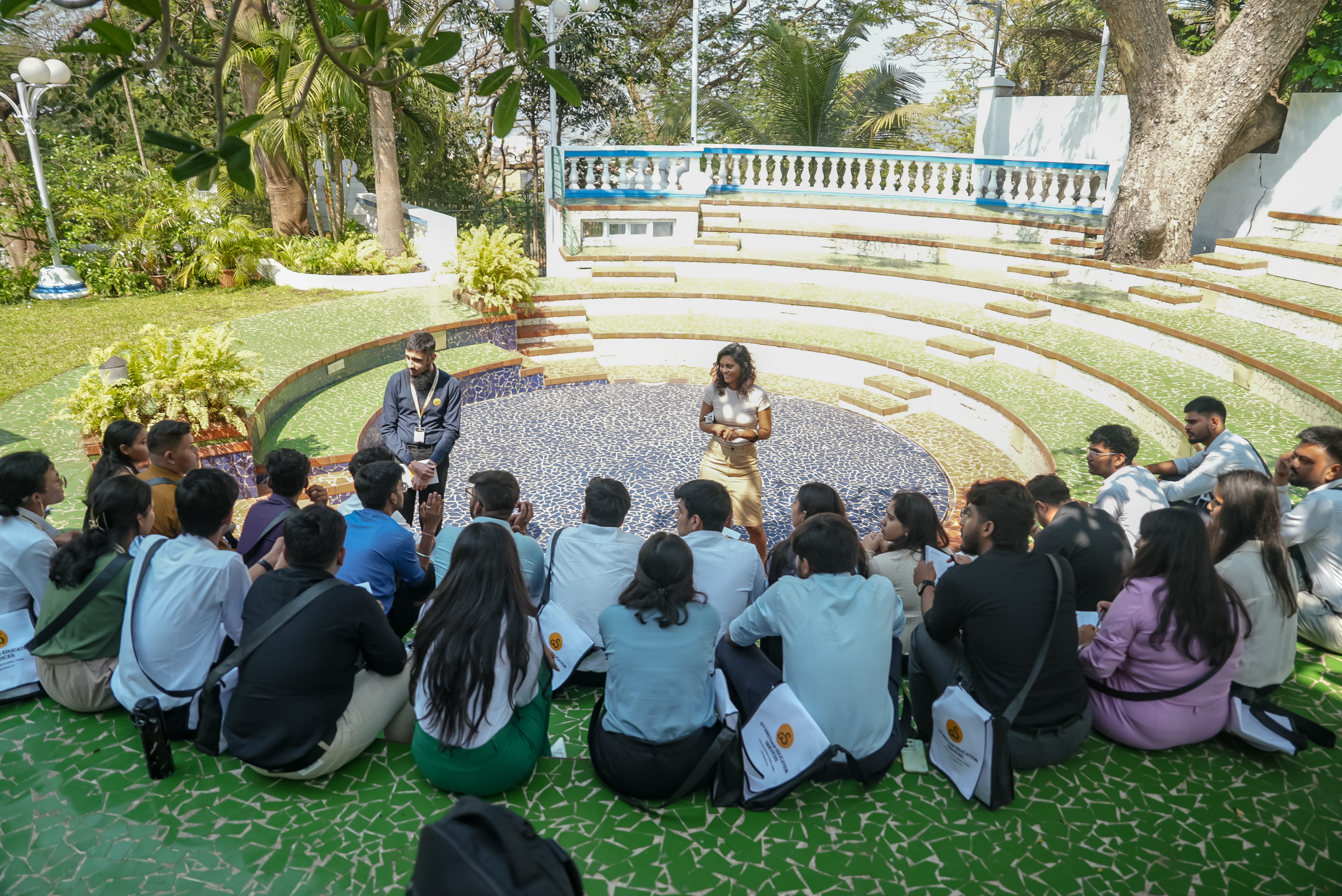
As part of a Practical Learning Tour, students of Parul University explored the world of miniature art at Sunapranta, an art space that nurtures tradition while embracing modernity. The visit highlighted how culture, design, and creativity intersect, offering students a deeper connection between art and architecture.
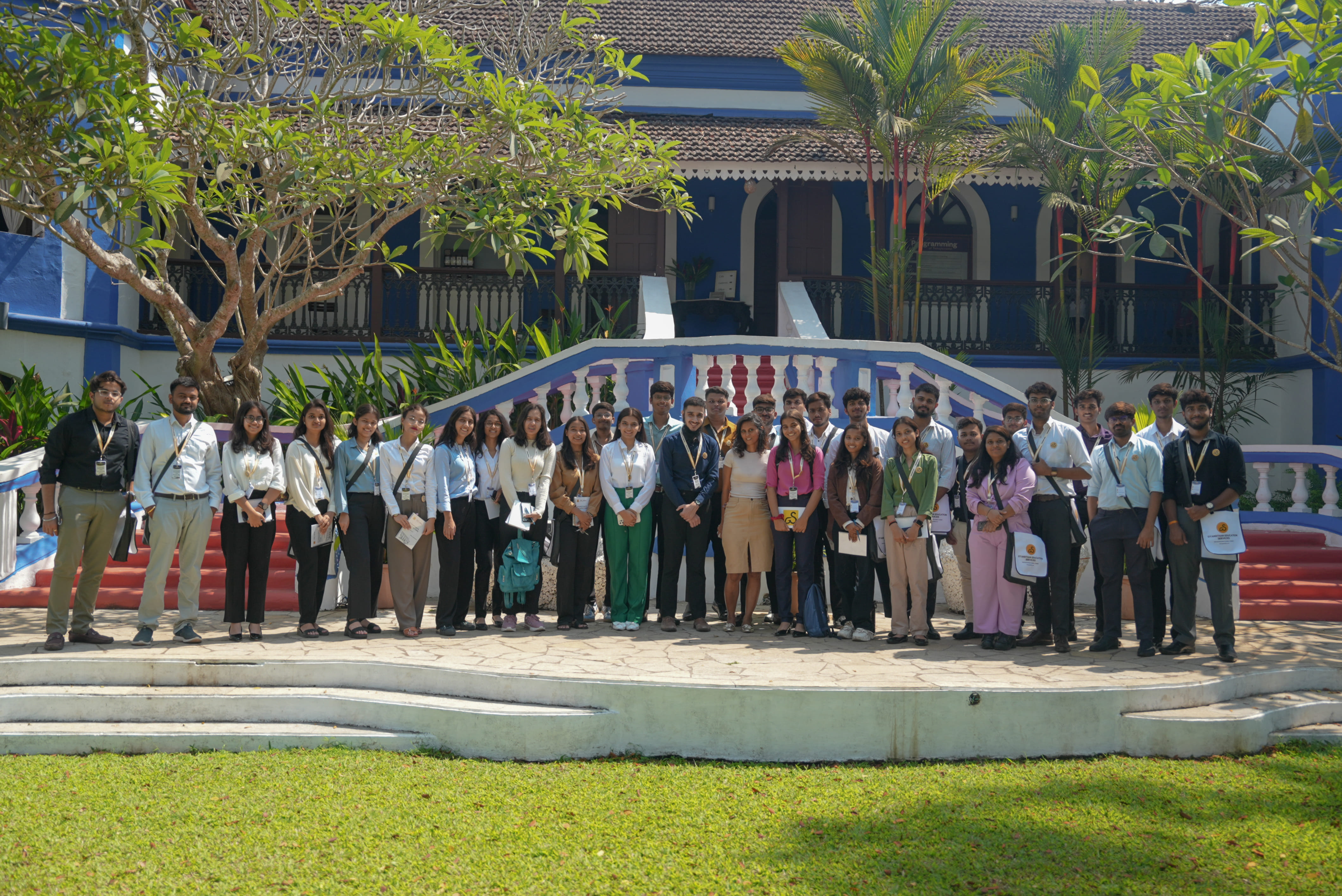
Key Highlights of the Goa Tour
| Aspect | Details |
| Location | Sunapranta, Goa |
| Focus Area | Miniature Art (Tradition Meets Modernity) |
| Expert Session | Curator Leandre D’Souza |
| Core Learnings | Detailing, scale, proportion, cultural narration |
| Student Takeaway | Designing with meaning, not just form |
| Faculty Perspective | Developing cultural thinkers as well as skilled architects |
Miniature Art as a Window to Culture and Design
Miniature art may be small in form, but it carries vast meaning. Every brushstroke reveals stories of history, folklore, and faith. For Parul University students, it was not just about observing technique but about decoding layers of culture and symbolism.
Just as Goan architecture blends Portuguese influences with local tradition, miniature art reflects how old forms adapt to modern contexts – a lesson that resonated strongly with budding architects.
Linking Miniature Art to Architecture
The visit helped students see striking parallels between the two disciplines:
- Attention to detail: Artists use fine strokes; architects design intricate spaces.
- Cultural narration: Paintings preserve stories, while buildings express heritage.
- Balance in scale: Both art and architecture thrive on proportion and limitations.
For Parul University’s architecture students, miniature art became more than aesthetics – it became a philosophy of designing with meaning.
Reflections from Parul University’s Architecture Students
- Miniature art inspired students to translate ideas into visuals rather than copy techniques.
- They viewed it as a way to express abstract thinking – a vital skill for architecture.
- The experience shifted their perspective from designing forms to designing meaning.
One student reflected: “Miniature art showed us that small details can speak volumes, just like the elements of a building.”
Learning Beyond Classrooms
The tour emphasized the power of field-based education:
- Direct interaction: Sessions with curator Leandre D’Souza offered insights beyond theory.
- Cultural exposure: Goa’s diversity demonstrated how traditions blend over time.
- Creative inspiration: The art form helped students think about design in new ways.
For Parul University, such visits highlight the value of experiential learning in shaping future-ready architects.
Parul University Faculty on Teaching Beyond Textbooks
The Faculty of Architecture at Parul University believes education should extend beyond memorizing definitions. By engaging with living traditions, students learn to design not only functional spaces but also cultural experiences.
The faculty noted that miniature art offered the perfect example of how creativity, history, and design can merge into powerful storytelling tools for architects.
Conclusion: Big Lessons from Small Details
The Goa visit gave students a fresh perspective – showing them that architecture, like art, is not only about building forms but also about communicating meaning.
- Goa gave them a new lens.
- Miniature art gave them expression.
- Parul University gave them purpose.
Through this experience, Parul University reinforced its vision of preparing architects who create not just structures, but culture.