Goa is often celebrated for its beaches and nightlife, but for the architecture students of Parul University, it became a living laboratory of culture, sustainability, and design. Instead of chasing tourist attractions, they explored how the state’s history and environment shape its architecture.
On their Practical Learning Tour, students of Parul University experienced Goa as an open classroom. Every street, structure, and courtyard offered lessons in blending tradition with modernity and designing in harmony with nature.
Discovering Architecture Beyond Glass Towers
The Practical Learning Tour challenged the common image of architecture as skyscrapers and glass towers. Instead, students of Parul University realized that architecture is:
- A reflection of history and culture
- An adaptation to climate and geography
- A connection between people and their spaces
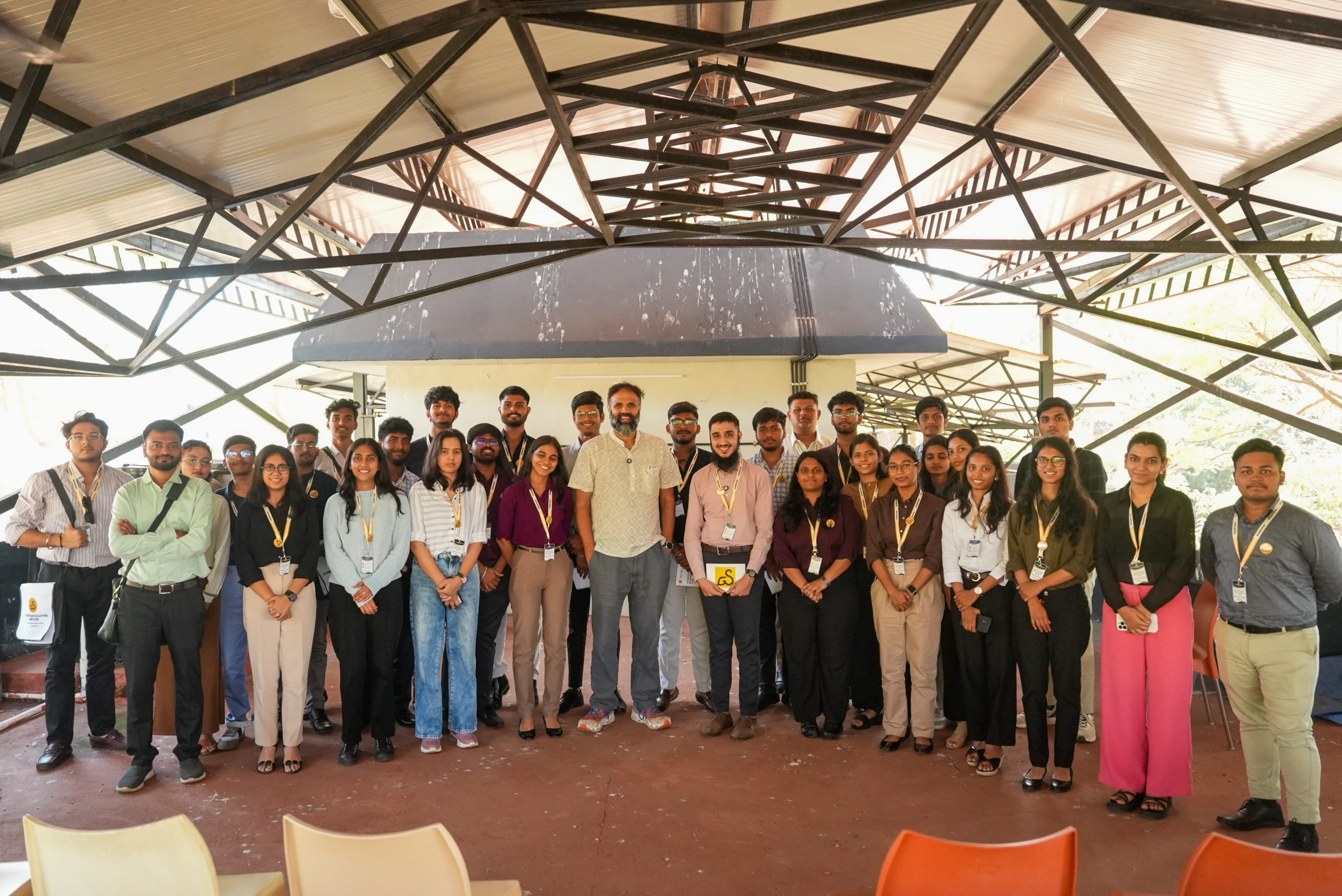
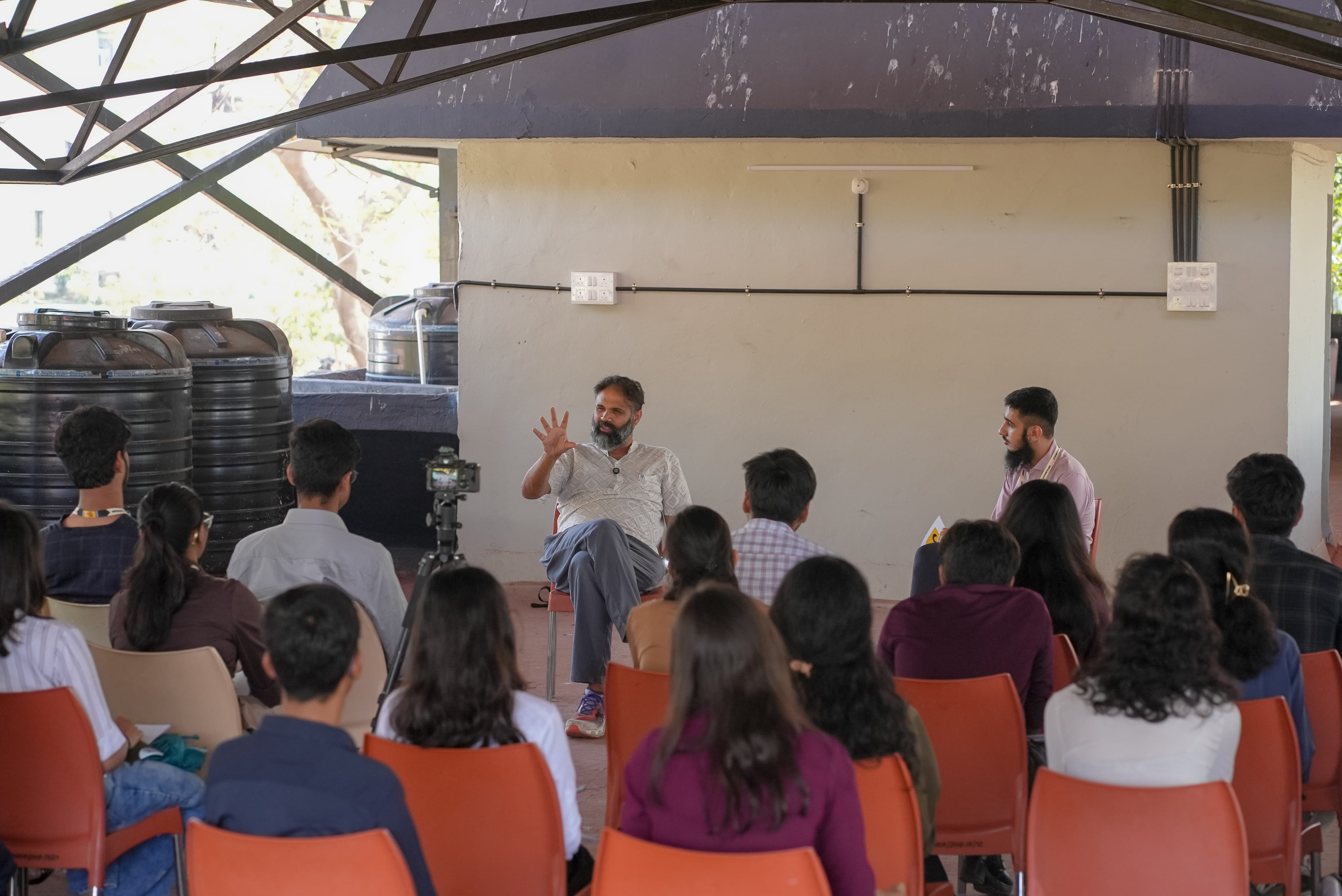
In a lecture by Leon Morenas, Principal at Goa College of Architecture, students were reminded that design is never created in isolation. It emerges from the land, people, and stories of a community.
Learning from Goa’s Streets and Structures
Exploring Goa’s streets gave students a hands-on look at architecture shaped by both Portuguese and local influences. They observed features such as:
- Laterite stone walls with colonial-era balconies
- Red-tiled pitched roofs to withstand monsoons
- Open courtyards for ventilation and light
They revealed practical responses to the environment and lifestyle, showing how buildings evolve with community needs.
Context as the Core of Architecture
The strongest lesson of the tour was that architecture is more than monuments. It is about:
- How cities are shaped by history and heritage
- How climate impacts structure and design
- How residents influence what is preserved or modernized
Students began asking deeper questions:
- Why do Goan houses favor sloping roofs?
- Why are courtyards central to homes?
- How does history decide what survives and what adapts?
These reflections helped them see design as an ongoing dialogue between tradition and modernity.
Turning Tradition into Future Innovation
The learning tour showed students that history is not about looking back but building forward. Lessons included:
- Using local stone and natural materials for sustainability
- Learning passive cooling and ventilation techniques
- Designing for cultural continuity and modern relevance
This balance between heritage and innovation became one of the tour’s defining takeaways.
Lasting Impressions on Young Architects
For students of Parul University, the Goa experience was more than academics – it was transformational. They now see architecture as:
- An artform shaped by culture, people, and climate
- A technical craft grounded in real-world needs
- A responsibility to design with sustainability in mind
Expanding Horizons Through Experiential Tours
The Goa tour is one among many experiential learning opportunities at Parul University. Students also participate in:
- Writers’ Tour in Mumbai - exploring literature and screenwriting
- Robotics Tour in Chennai - hands-on with automation
- Biopharma Tour in Hyderabad - insights into drug innovation
- Leadership Tours in Bangalore and Delhi - connecting with changemakers
- Design Tours in Mumbai - blending art with technology
Each trip bridges theory with practice, giving students exposure to the real world.
Key Lessons from the Goa Architecture Tour
| Focus Area | Student Learning |
| History & Culture | Architecture mirrors the identity of a place |
| Climate Adaptation | Roofs, courtyards, and materials respond to weather |
| Sustainability | Use of local resources and natural techniques |
| Design Philosophy | Balance between tradition and modern needs |
| Professional Growth | Architects must design responsibly for people & environment |