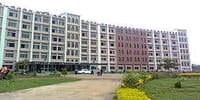
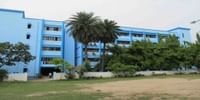
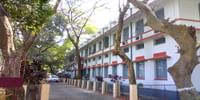
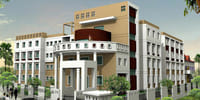
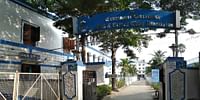
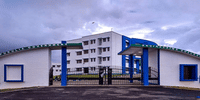
Jalpaiguri Government Engineering College (JGEC) began on 7 August 1961 and is the second-oldest engineering college in West Bengal. This government-funded autonomous institution is affiliated with Maulana Abul Kalam Azad University of Technology (MAKAUT). It received autonomous status in January 2012 and is approved by AICTE. JGEC holds an A grade from NAAC, while its programmes have NBA accreditation.
The college occupies a 168-acre campus at Danguajhar near National Highway 27 in Jalpaiguri, West Bengal. Its six engineering departments have 77 academic staff members and serve 1,510 students, including 1,459 undergraduate, 38 postgraduate and 13 doctoral students. In the NIRF Engineering 2025 ranking, JGEC was placed in the 151 to 200 band.
Students can pursue undergraduate, postgraduate and doctoral engineering programmes at JGEC. The complete B.Tech fee ranges from INR 1,05,104 for Civil, Electrical and Mechanical Engineering to INR 1,78,604 for Information Technology. The two-year M.Tech programme costs INR 91,982. During the 2024 placement season, participating students received an average package of INR 8.2 LPA, while the highest offer was in the INR 54 LPA range.
- B.Tech (4 years) is available in Civil Engineering, Mechanical Engineering, Electrical Engineering, Computer Science and Engineering, Electronics and Communication Engineering, and Information Technology.
- B.Tech Lateral Entry (3 years) allows diploma holders to enter any of the six branches through JELET.
- M.Tech (2 years) is offered in Electrical Engineering and Mechanical Engineering.
- PhD study is available in engineering disciplines.
JGEC Important Admission Dates 2027
The next B.Tech admission cycle will use WBJEE 2027 scores. The expected registration period that is still ahead is listed below.
| Event | Date |
|---|---|
| Expected WBJEE 2027 registration period | February to March 2027 |
Subject to revision. Kindly check with the official sources to confirm
JGEC Courses and Fees
JGEC conducts B.Tech courses in six branches, lateral-entry B.Tech courses in the same fields, two M.Tech programmes and doctoral study in engineering. The following table gives the duration, entry requirement and total fee for each listed programme.
| Course | Duration | Eligibility | Total Fee |
|---|---|---|---|
| B.Tech Civil Engineering | 4 years | 10+2 with PCM and WBJEE | INR 1,05,104 |
| B.Tech Electrical Engineering | 4 years | 10+2 with PCM and WBJEE | INR 1,05,104 |
| B.Tech Mechanical Engineering | 4 years | 10+2 with PCM and WBJEE | INR 1,05,104 |
| B.Tech CSE | 4 years | 10+2 with PCM and WBJEE | INR 1,29,604 |
| B.Tech ECE | 4 years | 10+2 with PCM and WBJEE | INR 1,29,604 |
| B.Tech IT | 4 years | 10+2 with PCM and WBJEE | INR 1,78,604 |
| B.Tech Lateral Entry in Civil, EE or ME | 3 years | Diploma in the relevant branch and JELET | INR 35,343 |
| B.Tech Lateral Entry in CSE or ECE | 3 years | Diploma in the relevant branch and JELET | INR 53,843 |
| B.Tech Lateral Entry in IT | 3 years | Diploma in IT and JELET | INR 90,843 |
| M.Tech Electrical Engineering | 2 years | B.Tech or BE with GATE or PGET | INR 91,982 |
| M.Tech Mechanical Engineering | 2 years | B.Tech or BE with GATE or PGET | INR 91,982 |
Subject to revision. Kindly check with the official sources to confirm
As a government-funded college, JGEC follows a regulated fee structure. A four-year B.Tech in Civil, Electrical or Mechanical Engineering has a total fee of INR 1,05,104.
JGEC Admission Process
JGEC does not offer direct admission, management-quota seats or privately funded seats. WBJEEB manages B.Tech and lateral-entry seat allocation through centralised counselling. M.Tech applicants use GATE or PGET, while doctoral applicants follow the entrance process conducted by JGEC.
| Programme | Entrance Exam | Admission Body |
|---|---|---|
| B.Tech in all branches | WBJEE | West Bengal Joint Entrance Examinations Board (WBJEEB) |
| B.Tech Lateral Entry | JELET | WBJEEB |
| M.Tech | GATE or PGET (West Bengal) | MAKAUT/WBJEEB |
| PhD | JGEC PhD Entrance | JGEC Academic Committee |
B.Tech Admission
- Complete Class 12 with Physics, Mathematics and Chemistry as compulsory subjects.
- Secure at least 45% aggregate in the General category or 40% aggregate in the SC, ST, OBC-A or OBC-B category.
- Appear for WBJEE, which is conducted annually in May.
- Register for WBJEEB online counselling after the rank is issued.
- Select JGEC and the preferred engineering branches during choice filling.
- Receive a seat according to the WBJEE rank, category, choices and availability across the counselling rounds.
Computer Science and Engineering and Electronics and Communication Engineering are among JGEC’s more competitive branches. In recent admission cycles, the usual General-category closing range for CSE has been between rank 2,000 and rank 5,000.
B.Tech Lateral Entry
- Complete a three-year engineering diploma in a relevant branch with at least 45% aggregate.
- Take JELET, the Joint Entrance Examination for Lateral Entry.
- Participate in WBJEEB lateral-entry counselling.
- After allotment, join the second year of the matching B.Tech programme.
M.Tech Admission
- Hold a valid B.Tech or BE degree in the relevant engineering discipline.
- Apply with a GATE score or take the West Bengal Post Graduate Entrance Test (PGET) if GATE qualification is unavailable.
- Complete the admission procedure managed through MAKAUT/WBJEEB for Electrical or Mechanical Engineering.
PhD Admission
- Apply for doctoral study in an available engineering discipline.
- Take the JGEC PhD Entrance examination.
- Complete the selection procedure handled by the JGEC Academic Committee.
JGEC WBJEE Cutoff
WBJEE cutoffs change with the number of applicants and the seats available in each counselling cycle. Category-based closing ranks also apply to SC, ST, OBC-A and OBC-B applicants.
| Course | Category | Typical Closing Rank Range |
|---|---|---|
| Computer Science and Engineering | General | 2,000 to 5,000 |
JGEC Placements
The Training and Placement Cell arranges campus hiring, employability workshops and preparation sessions for final-year students. Recruiters come from West Bengal, the Northeast and major national centres for information technology and manufacturing.
CSE and IT usually see the most recruitment activity, particularly from information technology services, banking technology, analytics and product companies. Civil, Electrical and Mechanical Engineering students receive opportunities in power, manufacturing and infrastructure. Some graduates also use GATE scores to enter M.Tech programmes at IITs and NITs, while others prepare for UPSC and WBPSC government-service examinations.
| Placement Detail | 2024 Figure |
|---|---|
| Average package among participating students | INR 8.2 LPA |
| Highest offer | INR 54 LPA range |
| Branches with the strongest placement activity | CSE and IT |
| Major recruiting sectors | IT services, banking technology, product companies, analytics, power, manufacturing and infrastructure |
| Regular IT recruiters | TCS, Infosys, Wipro and Cognizant |
JGEC Rankings
JGEC appears in the national engineering ranking framework. Its latest listed NIRF position is given below.
| Ranking Body | Category | 2025 Rank |
|---|---|---|
| NIRF | Engineering | 151 to 200 band |
The institution also has an A grade from NAAC and NBA accreditation for selected programmes. Its autonomous position under MAKAUT gives JGEC flexibility in planning and updating its curriculum.
JGEC Campus and Infrastructure
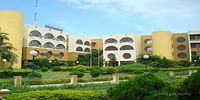
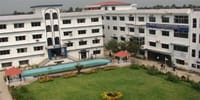
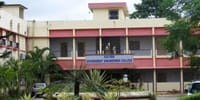
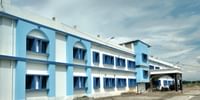
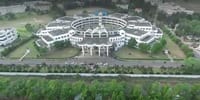
JGEC’s 168-acre Danguajhar campus lies close to National Highway 27 in Jalpaiguri. It contains six academic departments, administrative buildings, a central library, laboratories, workshops and sports grounds. The Electrical and Mechanical Engineering workshops support practical training linked to industry needs.
Five residential halls serve the campus. P.C. Roy Hall, J.C. Bose Hall, N.C. Bose Hall and S.N. Bose Hall accommodate male students, while the Ladies’ Hostel is for female students. Together, the hostels house 75% of enrolled students. Each hall has an independently managed mess.
Outdoor facilities are available for cricket, football and athletics, along with indoor sports spaces. Student activities include JECLAT, the biggest cultural festival in North Bengal. JGEC was also the first institution in North Bengal to host a TEDx event.
JGEC vs Kalyani Government Engineering College vs CEMK
Students taking part in WBJEE counselling often compare JGEC with Kalyani Government Engineering College (KGEC) and the College of Engineering and Management, Kolaghat (CEMK). All three are government institutions under MAKAUT and fill engineering seats through WBJEE counselling.
| Parameter | JGEC, Jalpaiguri | KGEC, Kalyani | CEMK, Kolaghat |
|---|---|---|---|
| Established | 1961 | 1995 | 2001 |
| Location | Jalpaiguri, North Bengal | Kalyani, Nadia, near Kolkata | Kolaghat, Purba Medinipur |
| NAAC Grade | A | A | B++ |
| NIRF Engineering 2025 | 151 to 200 band | 101 to 150 band | Not in the top bands |
| Campus Area | 168 acres | 100+ acres | 35+ acres |
| B.Tech CSE Total Fee | INR 1,29,604 for 4 years | INR 1,20,000 for 4 years | INR 1,00,000 for 4 years |
| Hostel Availability | 5 blocks serving 75% of students | Available | Available |
Subject to revision. Kindly check with the official sources to confirm
KGEC has the higher NIRF Engineering 2025 position at 101 to 150 and benefits from being near Kolkata, where students can access the city’s IT and financial-services employers. JGEC has the largest stated campus and provides accommodation for a greater share of its students. Its location and residential setting make it a common choice among applicants from North Bengal and the Northeast. CEMK is the newest of the three and generally has lower WBJEE cutoffs, allowing a broader range of ranks to compete for admission.
JGEC FAQs
Ques. Which WBJEE rank range has usually secured General-category admission to JGEC CSE?
Ans. Recent counselling cycles indicate a usual closing range between rank 2,000 and rank 5,000 for General-category Computer Science and Engineering applicants. The final cutoff changes each year according to available seats and the applicant pool. WBJEEB publishes separate category cutoffs for SC, ST, OBC-A and OBC-B candidates.
Ques. Is Jalpaiguri Government Engineering College privately operated or government funded?
Ans. JGEC is a fully government-funded autonomous engineering college founded in 1961. It is affiliated with MAKAUT and holds an A grade from NAAC. The college has neither a management quota nor privately funded seats.
Ques. How much does the complete JGEC B.Tech programme cost?
Ans. The four-year fee is INR 1,05,104 for Civil, Electrical and Mechanical Engineering, INR 1,29,604 for CSE and ECE, and INR 1,78,604 for IT. These fees are among the lowest charged by NAAC A-grade engineering colleges in West Bengal.
Ques. What residential facilities are available to JGEC students?
Ans. JGEC has five hostels within its 168-acre campus. P.C. Roy Hall, J.C. Bose Hall, N.C. Bose Hall and S.N. Bose Hall are for male students, while the Ladies’ Hostel accommodates female students. Each hostel runs its own mess, and the halls together house 75% of enrolled students.
Ques. What were the main JGEC placement results for 2024?
Ans. Participating students received an average package of INR 8.2 LPA, and the highest offer was in the INR 54 LPA range. Hiring covered IT services, banking technology, power-sector PSUs, manufacturing and infrastructure. TCS, Infosys, Wipro and Cognizant are regular campus recruiters.
Ques. Where did JGEC appear in the NIRF Engineering 2025 list?
Ans. JGEC was placed in the 151 to 200 band in NIRF Engineering 2025. It also has an A grade from NAAC and NBA accreditation for selected programmes.
Ques. Is second-year B.Tech entry possible after an engineering diploma?
Ans. Yes. Diploma holders from relevant engineering branches can take JELET and join the second year of B.Tech after receiving a seat through WBJEEB lateral-entry counselling. The required diploma aggregate is 45%. Depending on the branch, the total lateral-entry fee ranges from INR 35,343 to INR 90,843.


.png?tr=h-40,w-155,c-force)